Problem-Solving Skills Normal Building Vocabulary Worksheets for Ages 5-6
5 filtered results
-
From - To
Discover our engaging "Problem-Solving Skills Normal Building Vocabulary Worksheets" tailored for children ages 5-6. Designed to boost vocabulary and critical thinking, these worksheets foster essential skills through fun and interactive activities. Kids will explore various scenarios and challenges that encourage them to think creatively and articulate solutions effectively. Each worksheet is crafted to enhance language development while promoting problem-solving techniques, ensuring a well-rounded educational experience. Ideal for classroom use or home learning, these resources help young learners build confidence and competence in expressing themselves. Empower your little ones with the tools they need to succeed in language and beyond!
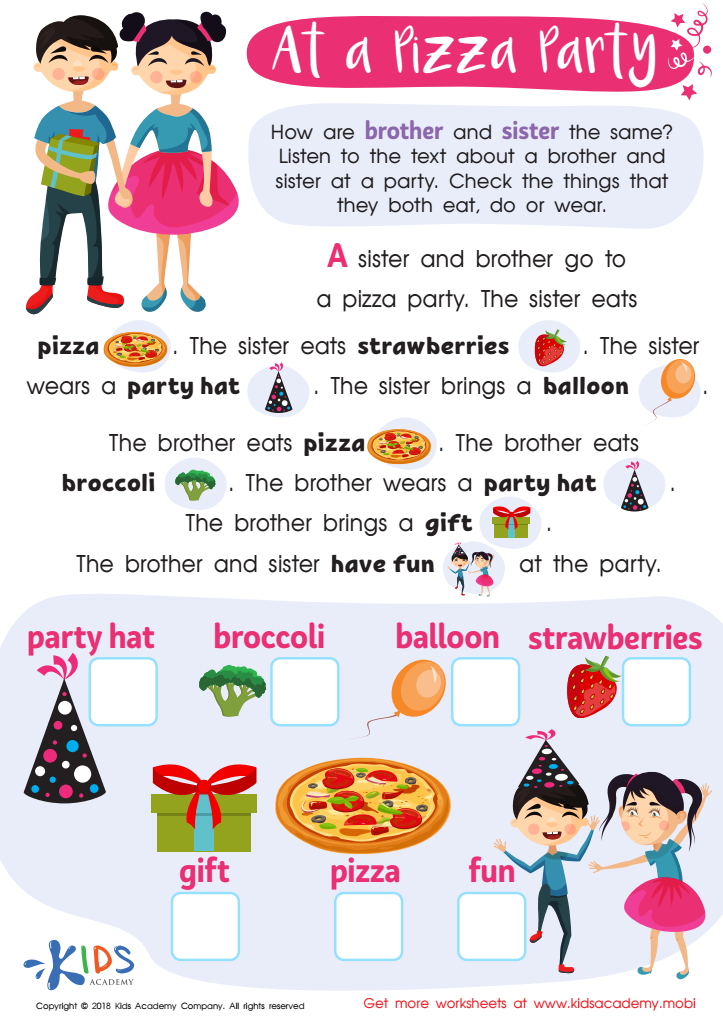
At a Pizza Party Worksheet
 Assign to My Students











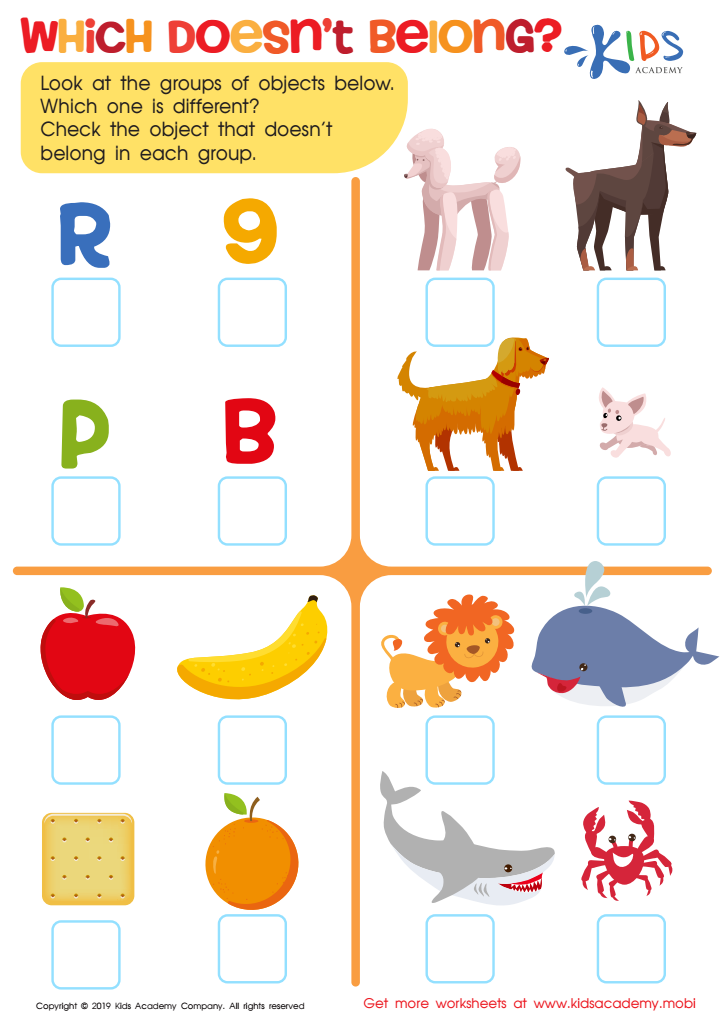
Which Doesn't Belong? Worksheet
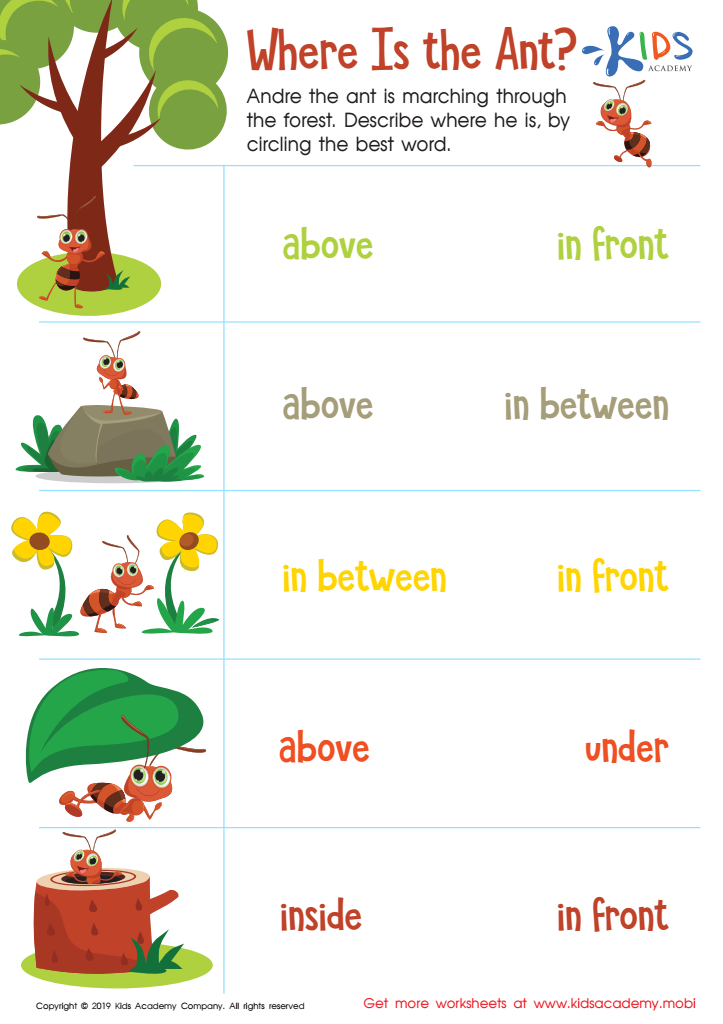
Where Is the Ant? Worksheet
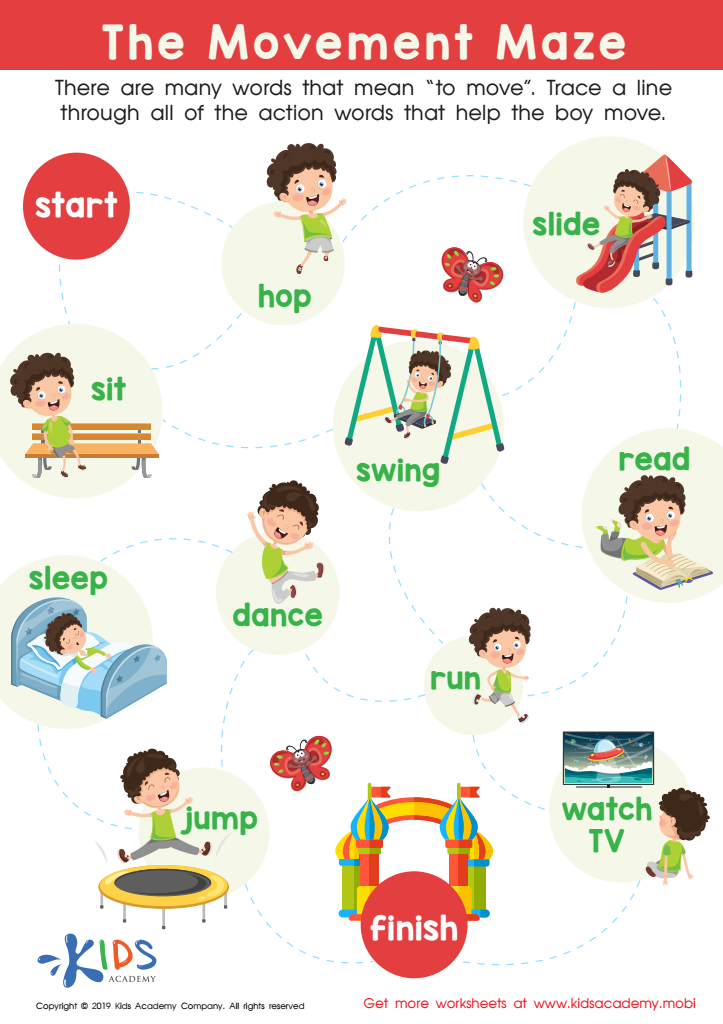
The Movement Maze Worksheet
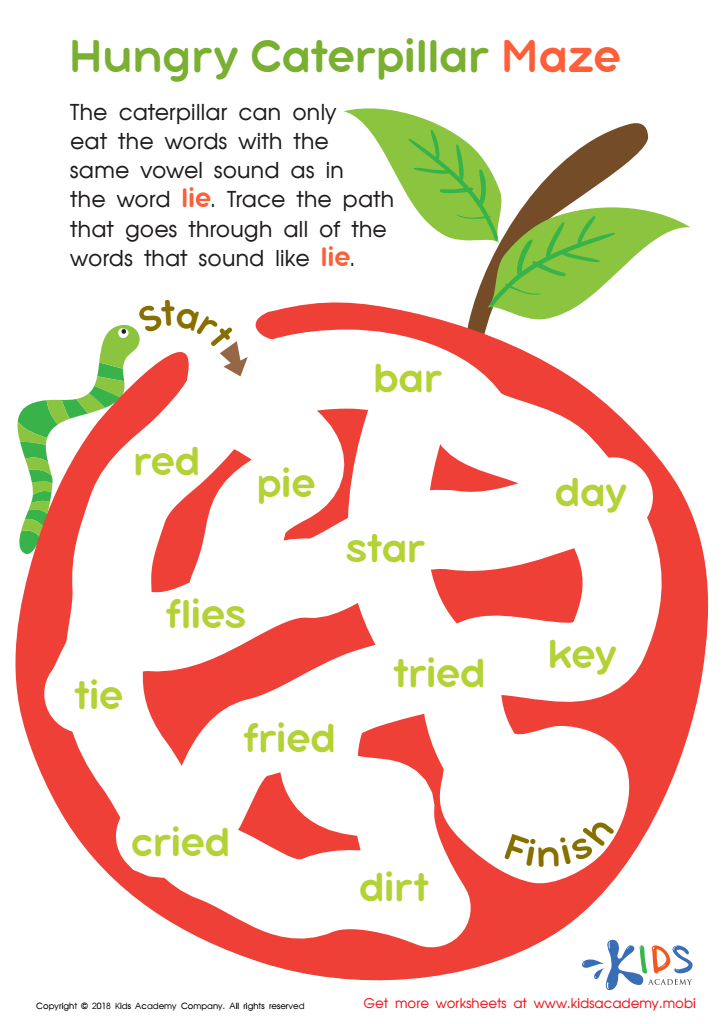
Hungry Caterpillar Maze Worksheet





.jpg)


Parents and teachers should prioritize the development of problem-solving skills and vocabulary building in children aged 5-6 because these abilities are foundational for their overall growth. At this age, children are curious and eager to explore their surroundings. Strong problem-solving skills enable them to navigate challenges, think critically, and develop independence. This stage is crucial for laying the groundwork for future academic success and social interactions.
Building vocabulary also plays a significant role in cognitive development. As children expand their word banks, they enhance their ability to express thoughts and emotions clearly. A rich vocabulary allows them to understand complex concepts, follow directions accurately, and communicate effectively with peers and adults. Furthermore, effective communication fosters relationships, making it essential for developing empathy and cooperation.
Engaging in activities that promote problem-solving and vocabulary can include interactive games, storytelling, and hands-on projects. By fostering these skills, we encourage children to become effective learners and confident individuals. Ultimately, equipping young learners with problem-solving abilities and a strong vocabulary prepares them for challenges in school and life, setting a positive trajectory for their future.








