Animal recognition Normal Science Worksheets for Ages 5-6
4 filtered results
-
From - To
Explore our engaging Animal Recognition Worksheets designed for children aged 5-6 to enhance their science skills! Our specially crafted activities encourage young learners to identify various animals, understand their habitats, and explore unique characteristics. Featuring colorful illustrations and interactive questions, these worksheets make learning fun and effective. Perfect for both classroom settings and home practice, our resources help reinforce essential concepts while promoting curiosity about the animal kingdom. With a variety of difficulty levels, children will enjoy mastering animal recognition at their own pace. Download now and nurture a lifelong love for science in your little ones!
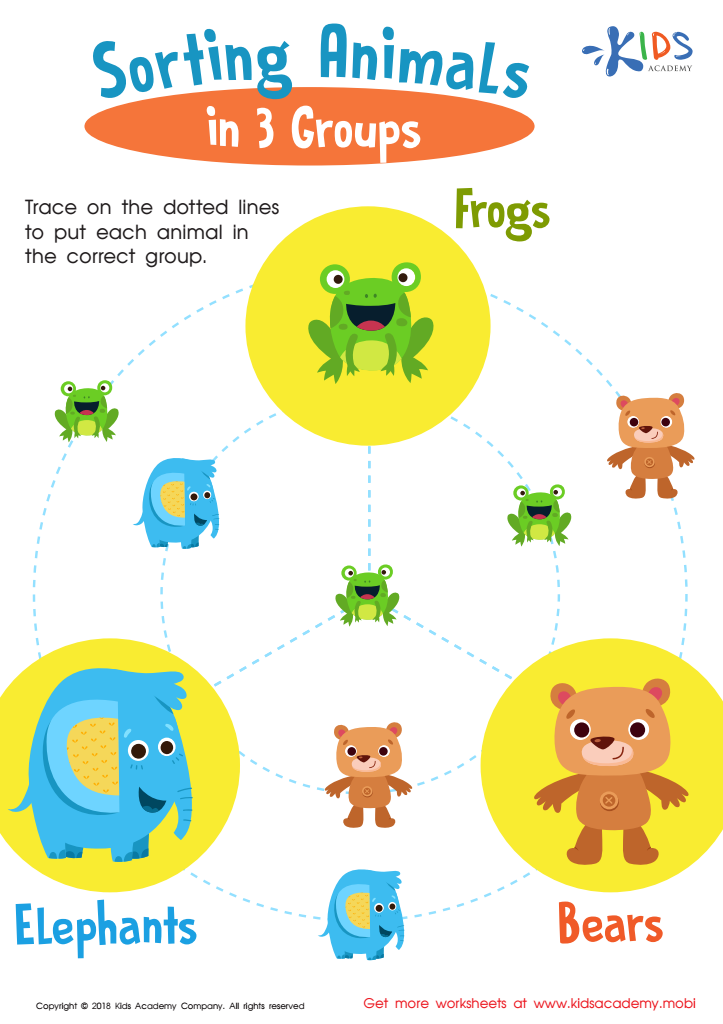
Sorting Animals in 3 Groups Worksheet
 Assign to My Students
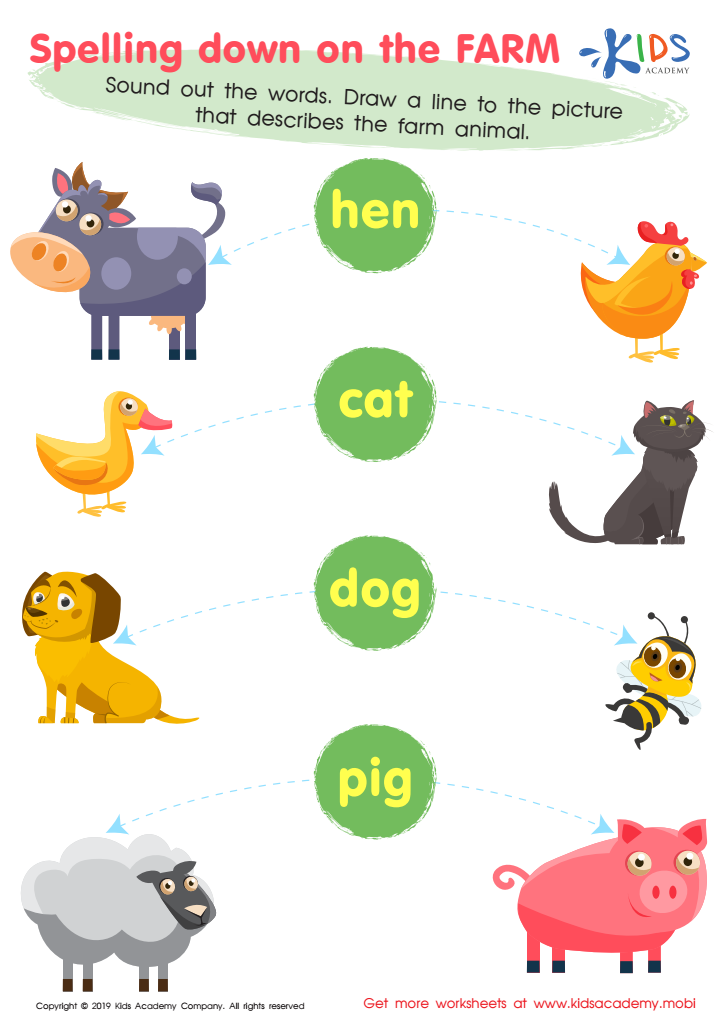
Spelling Down on the Farm Worksheet
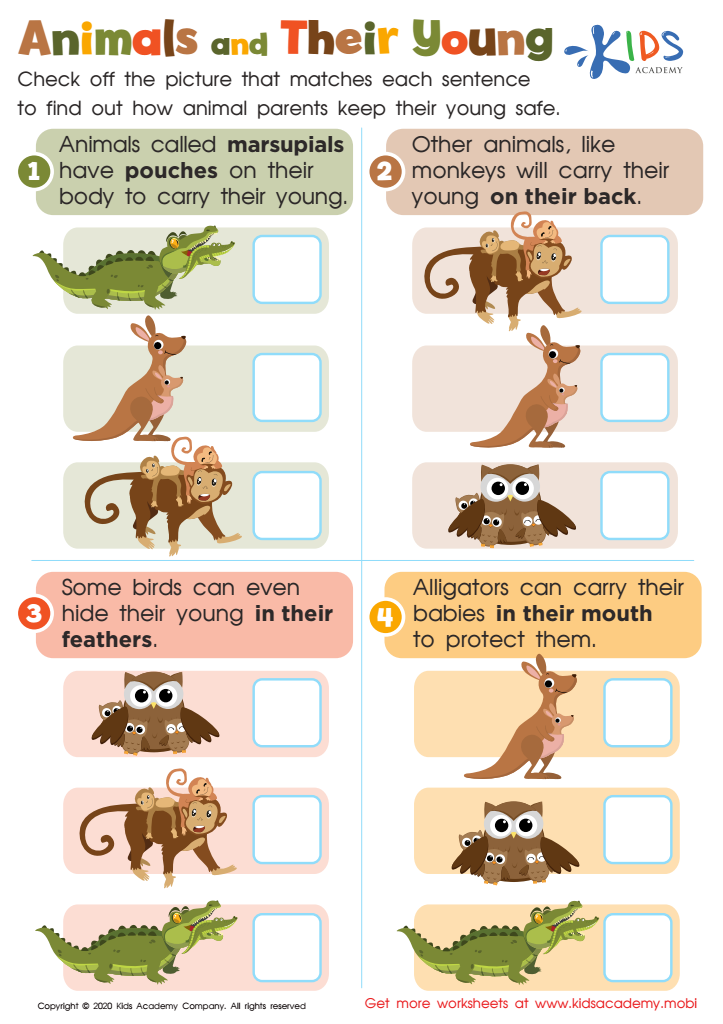
Animals and Their Young Worksheet
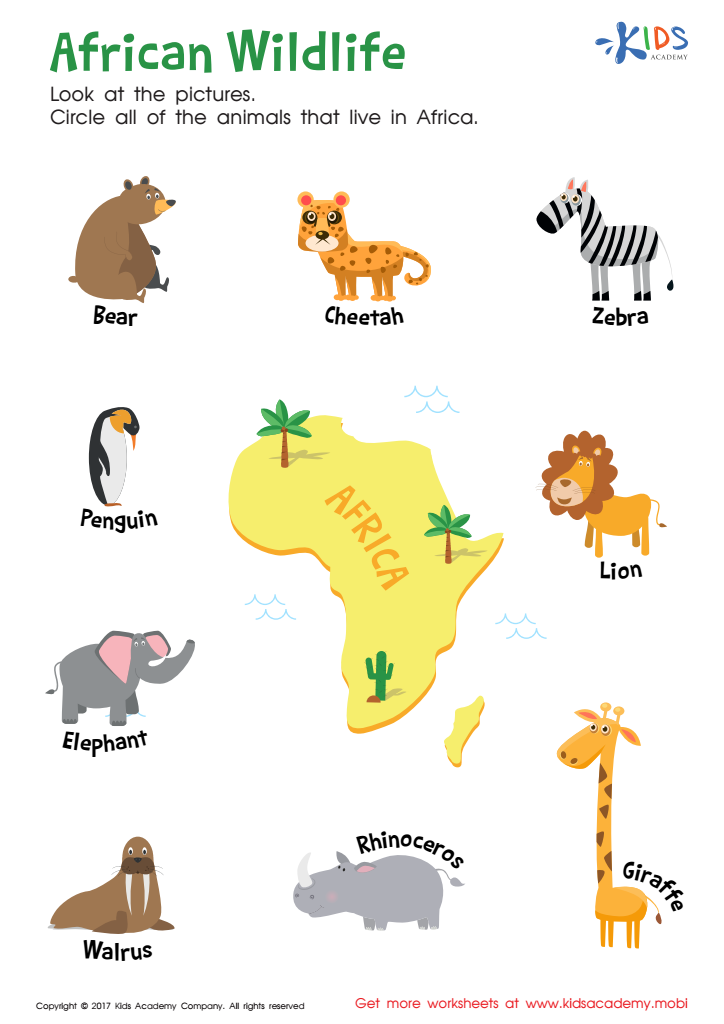






Animal recognition is a vital component in the early education of children aged 5-6. Parents and teachers should care about this aspect of normal science because it fundamentally supports children's cognitive and emotional development. Understanding different animals fosters critical thinking skills as children learn to classify and differentiate between various species based on observable characteristics. This encourages curiosity about the natural world and promotes scientific inquiry.
Additionally, recognizing animals helps to instill a sense of empathy and respect for living creatures. By learning about animals, children develop compassion, understanding the roles these organisms play in our ecosystems. This connection with nature can lead to more environmentally conscious behaviors in the future.
Incorporating animal recognition into the curriculum also enhances language development, as children engage in discussions about animal names, habitats, sounds, and behaviors. Such engagement enriches their vocabulary and encourages expressive language skills. Activities like storytelling or creative exercises related to animals can also make learning interactive and enjoyable, turning educational concepts into playful experiences. Overall, focusing on animal recognition enriches both educational outcomes and personal growth for young children, making it an essential element of early childhood education.







