Vocabulary enhancement Normal Science Worksheets for Ages 5-6 - Page 2
28 filtered results
-
From - To
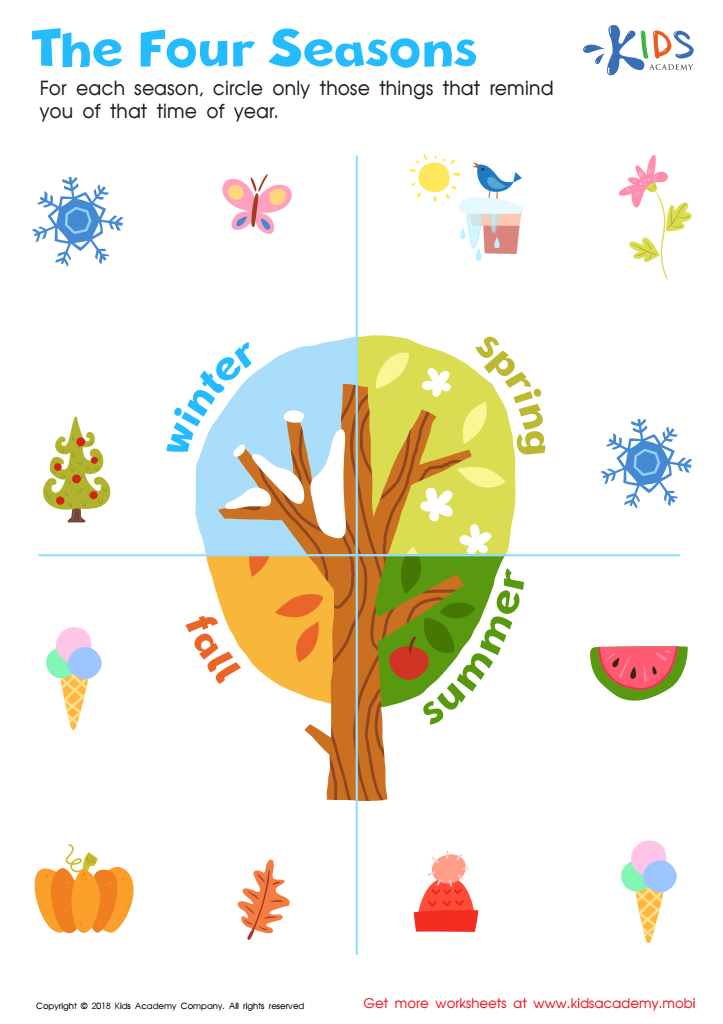
The Four Seasons Worksheet
 Assign to My Students
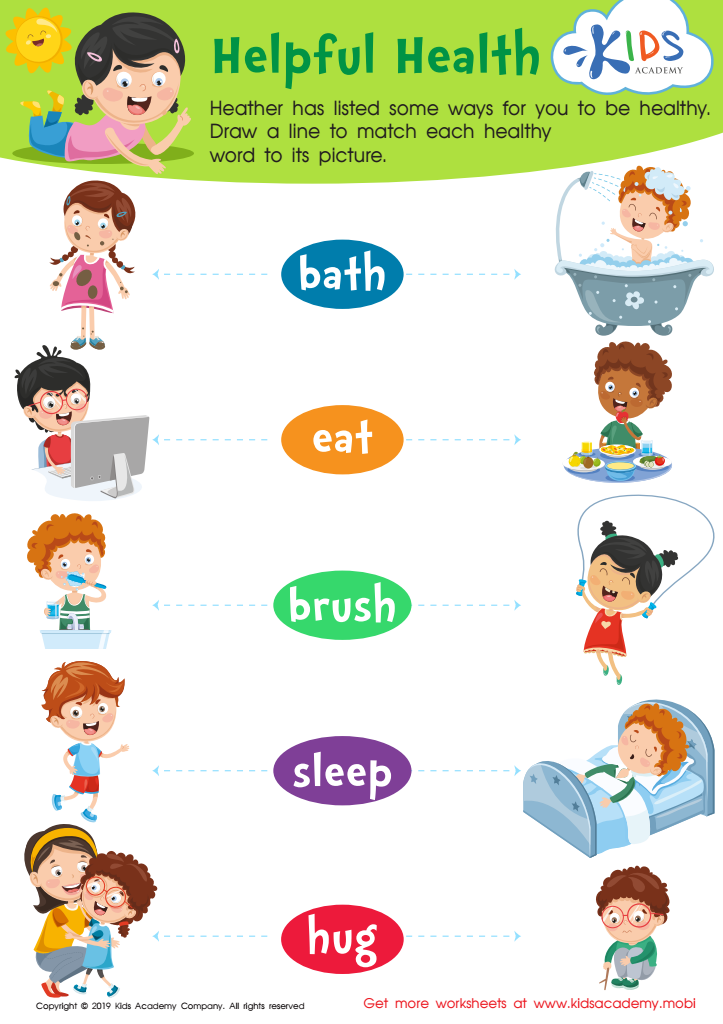
Helpful Health Worksheet
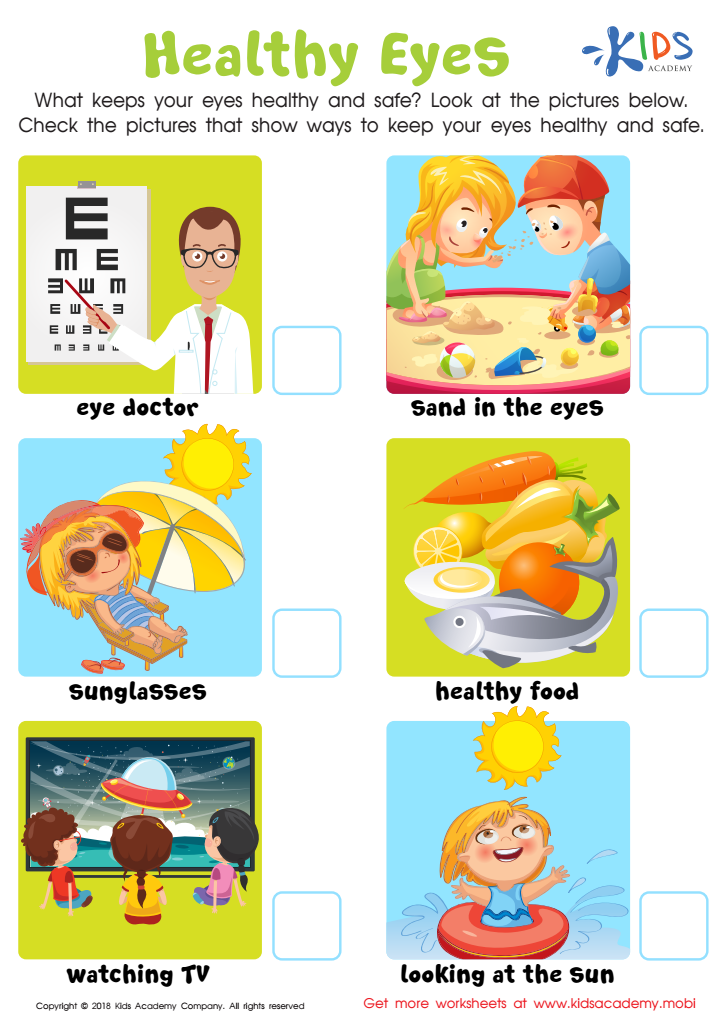
Healthy Eyes Worksheet
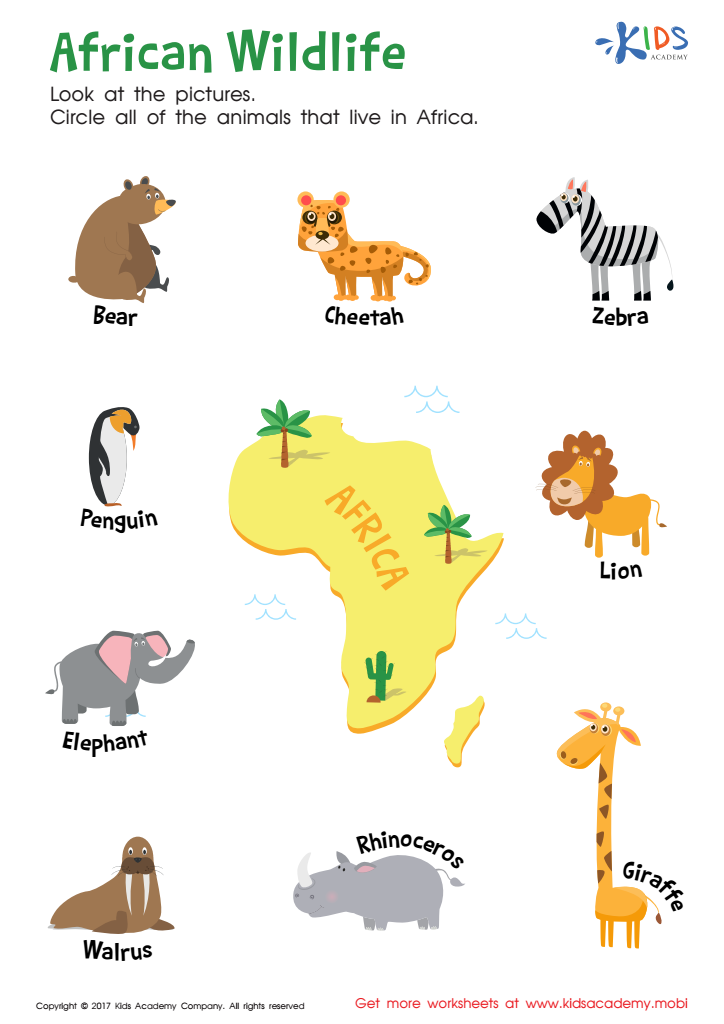








Vocabulary enhancement in Normal Science for children aged 5-6 is crucial for their cognitive and language development. At this age, children are particularly receptive to new words and concepts, and a strong vocabulary foundation significantly aids their comprehension and expression of scientific ideas. Science, in essence, is about exploring and understanding the world, which requires the ability to articulate observations and ask questions.
Parents and teachers should care about vocabulary enhancement because a rich vocabulary empowers children to engage with scientific concepts more effectively. It enhances their critical thinking skills and encourages curiosity, helping them to make connections between what they learn and real-world experiences. Furthermore, children who develop robust vocabulary skills at an early age tend to perform better in academic settings as they progress through school.
Enhancing vocabulary also supports reading and communication abilities, paving the way for lifelong success in both academic and social situations. By incorporating science vocabulary into everyday conversations and learning activities, caregivers can ignite a passion for discovery and a love for learning. In doing so, they lay the groundwork for informed, articulate future thinkers who are equipped to navigate the complexities of the world around them.







