Word Recognition Normal Community Worksheets for Ages 5-6
3 filtered results
-
From - To
Discover our "Word Recognition Normal Community Worksheets for Ages 5-6" designed to enhance your child's reading skills through engaging activities. These worksheets feature various exercises that focus on recognizing important community-related words. Through fun pictures and interactive tasks, kids can develop their vocabulary and comprehension abilities. Perfect for early learners, specifically tailored for ages 5-6, these printables provide a foundation for successful reading while fostering an understanding of their surroundings. Ideal for both classroom and home learning, equip your young learner with essential skills with our expertly crafted word recognition resources. Explore now and watch their confidence grow!
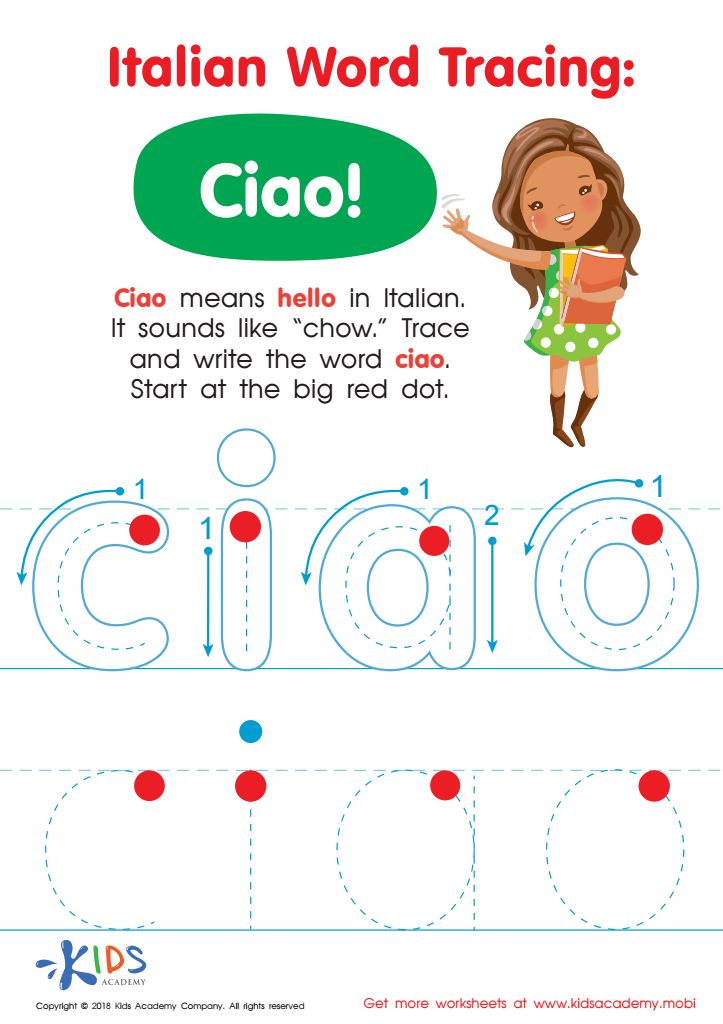
Italian Word Tracing: Ciao Worksheet
 Assign to My Students
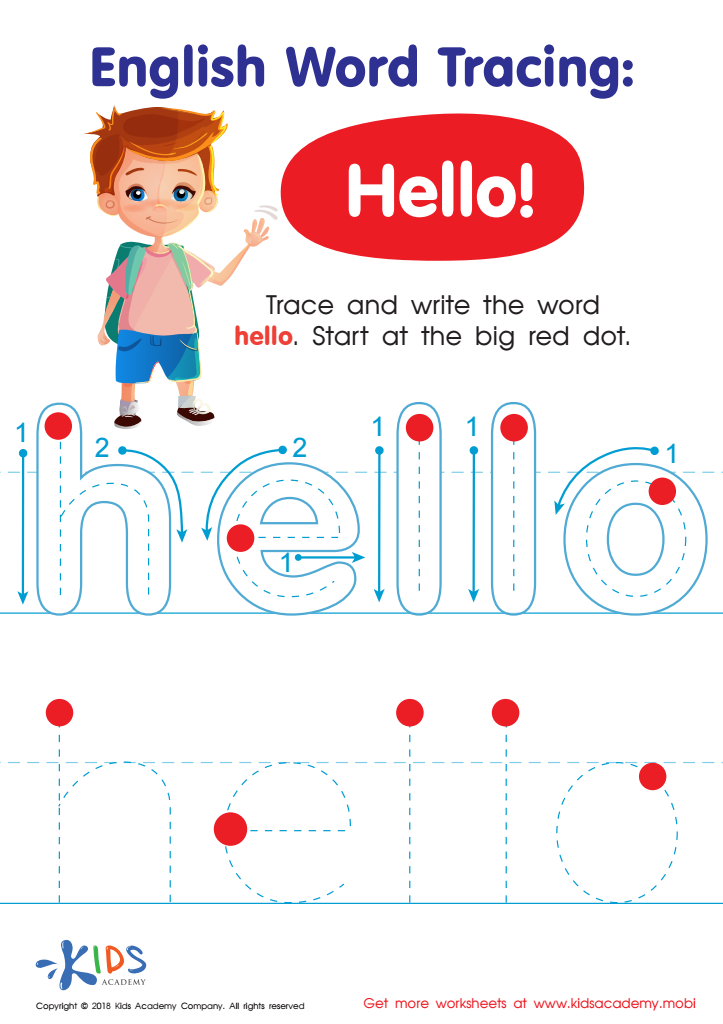
English Word Tracing: Hello Worksheet
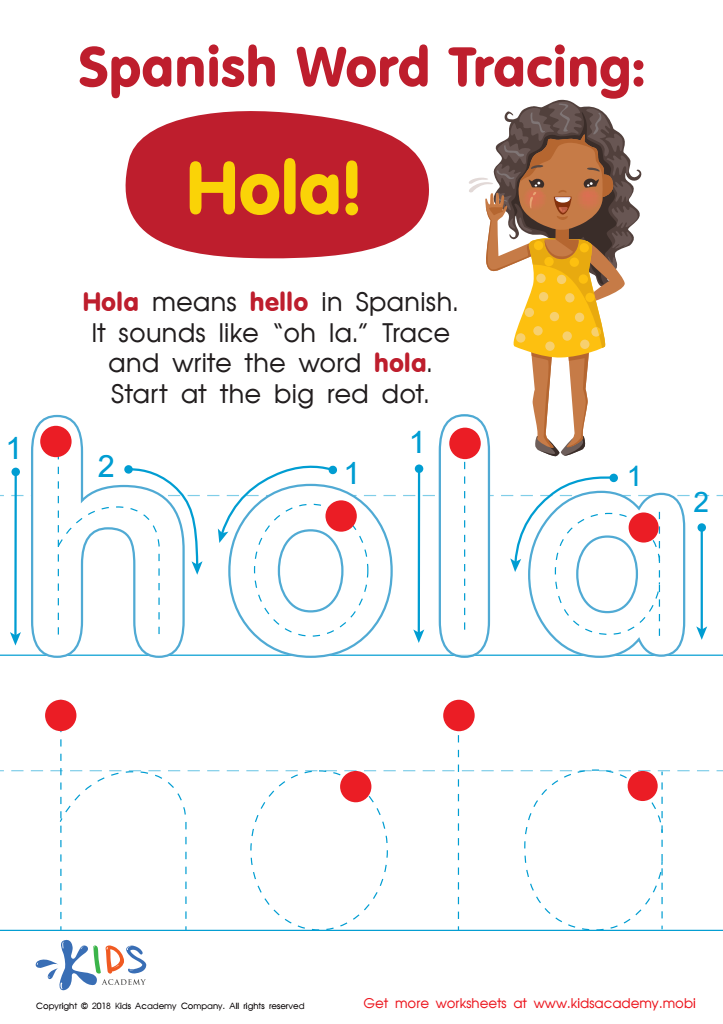
Spanish Word Tracing: Hola Worksheet








Word recognition is a crucial component of early literacy development, particularly for children aged 5-6. At this age, children transition from recognizing individual letters to understanding whole words, facilitating their journey into fluent reading. When parents and teachers focus on fostering word recognition in a supportive community setting, children benefit in several significant ways.
First, strong word recognition skills contribute to reading fluency, allowing children to read more smoothly and with better comprehension. Early successes in reading bolster children’s confidence, making them more inclined to engage in reading activities and develop a lifelong love for books. This positive reinforcement can foster a cycle of improvement, where increased confidence leads to more practice and further skill development.
Second, by creating a community—whether at home, school, or a combination of both—dedicated to word recognition, children receive consistent, multi-faceted support. Teachers can employ structured, evidence-based methods in the classroom while parents reinforce these strategies through playful, at-home activities like reading aloud and word games.
Finally, socio-emotional development is also nurtured in a word recognition community. Children collaborate, share successes, and work through challenges together, building essential social skills. This collective support system ensures that no child falls behind, promoting equity in educational outcomes. Investing time in word recognition early can form a strong literacy foundation, positioning children for future academic achievements.