Letter-sound association Normal Alphabet Worksheets for Ages 5-7
7 filtered results
-
From - To
Our Letter-Sound Association Normal Alphabet Worksheets are designed specifically for children aged 5-7. These engaging and educational worksheets help young learners connect letters to their corresponding sounds, a fundamental skill for early reading development. Each worksheet offers fun, interactive exercises to reinforce phonics, blending, and decoding skills. With vibrant illustrations and kid-friendly instructions, children will enjoy practicing and mastering the alphabet. Perfect for both classroom and home use, our worksheets support early literacy in a playful and effective manner, laying a strong foundation for future reading success. Enhance your child's learning journey today with our comprehensive alphabet worksheets!
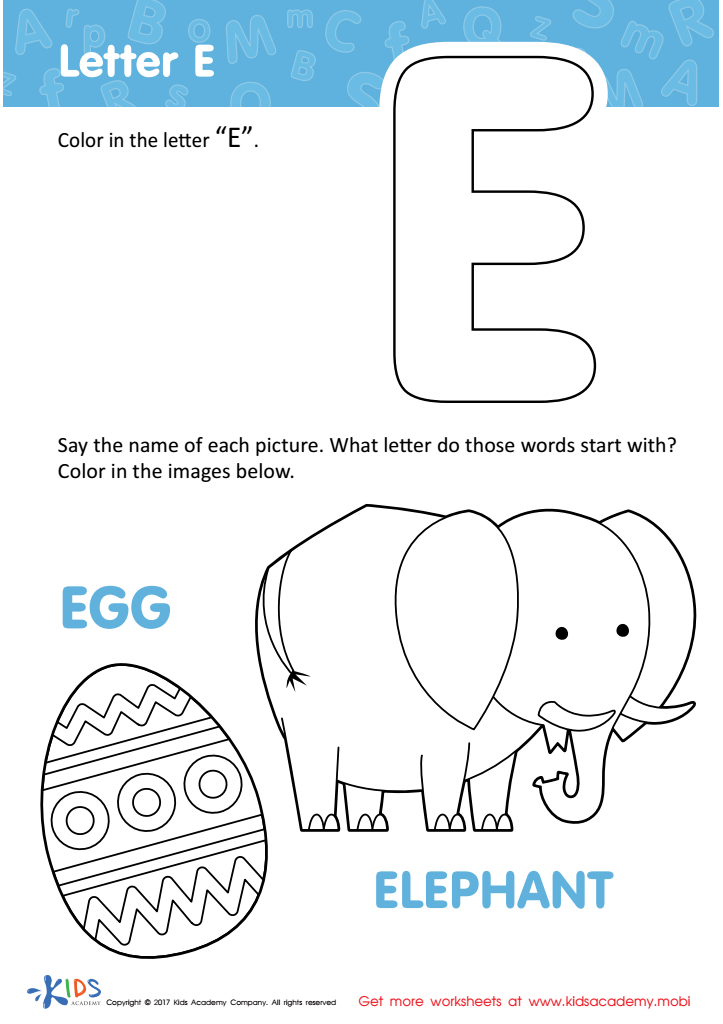
Letter E Coloring Sheet
 Assign to My Students
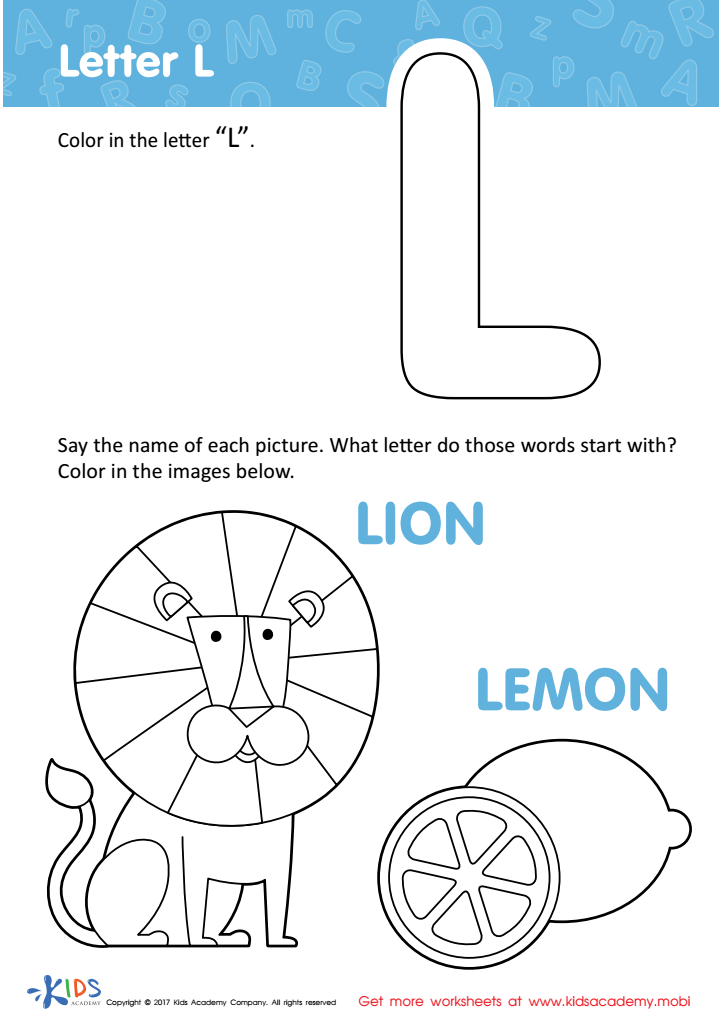
Letter L Coloring Sheet
Assign to My Students

Lowercase Letters m n o Worksheet

Lowercase Letters d e f Worksheet
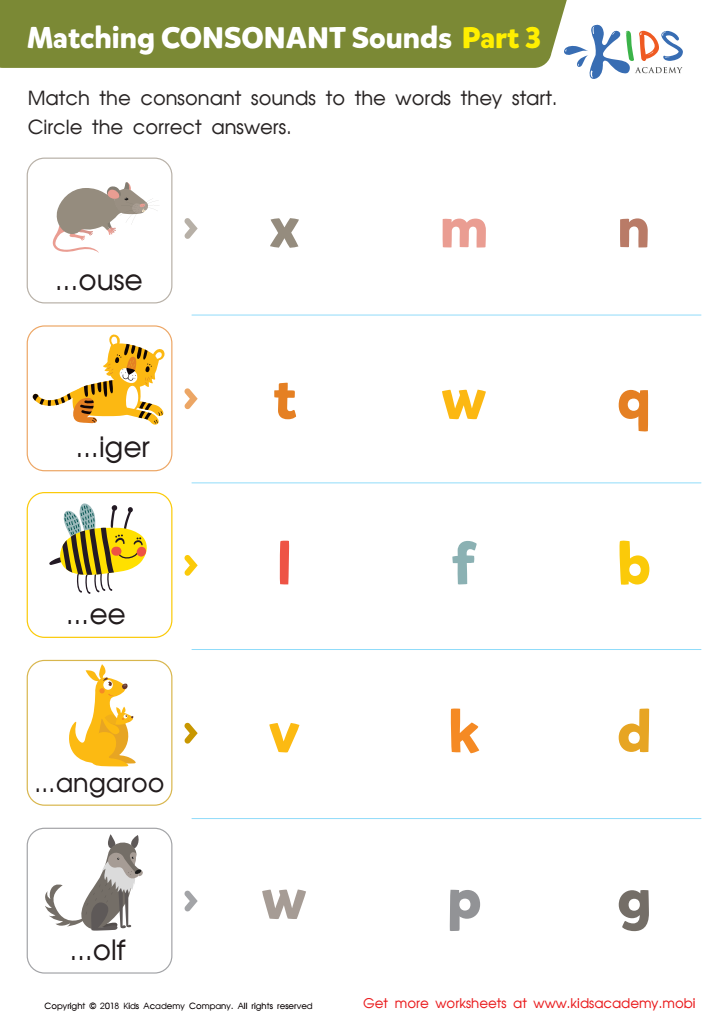
Matching Consonant Sounds: Part 3 Worksheet
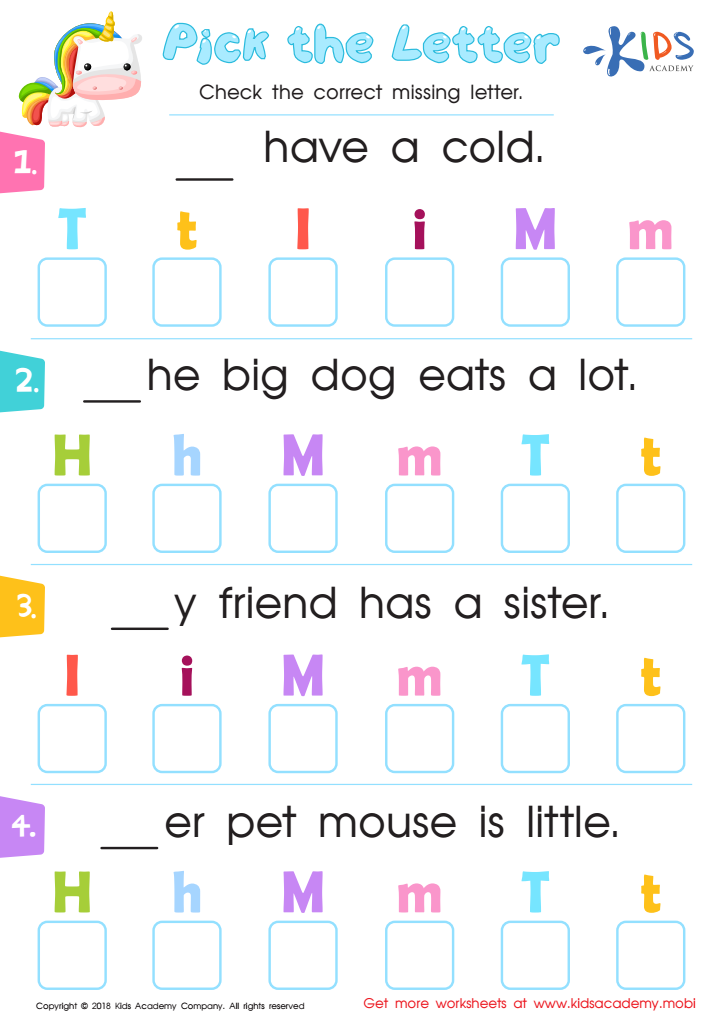
Pick the Letter Worksheet
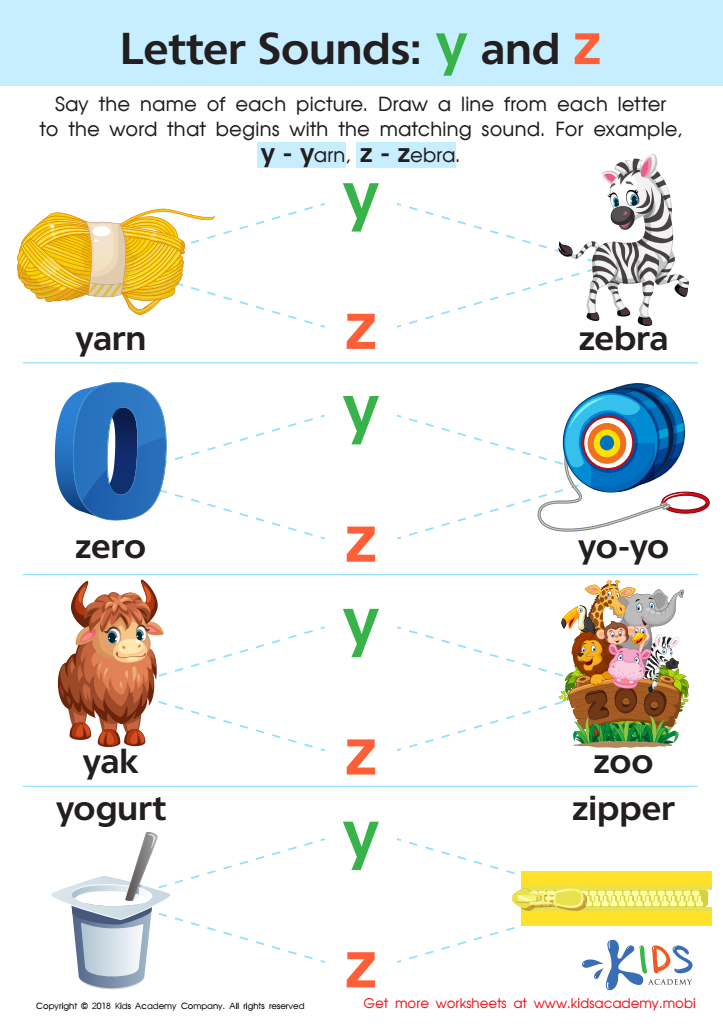
Letter Y and Z Sounds Worksheet








Understanding the link between letters and sounds, often called letter-sound association, is crucial in early childhood education because it lays the foundation for successful reading and writing. For children aged 5-7, this skill transforms the alphabet from a series of shapes into a code that, once cracked, unlocks the world of literacy.
First, letter-sound association helps children decode words while reading. When they see the letter "c," they associate it with the /k/ sound and can start blending it with other sounds to form words like "cat." This phonemic awareness is the cornerstone of phonics, a fundamental early reading strategy.
Second, it enhances spelling skills. Understanding that sounds correspond to specific letters allows children to spell words phonetically, even if their initial attempts are not perfect (e.g., writing "kat" for "cat"). This trial-and-error process is vital for learning.
Additionally, letter-sound knowledge boosts efficient reading. Profound literacy skills are linked to overall academic success and self-esteem, impacting various aspects of a child's educational journey and future opportunities.
Teachers and parents play a significant role in this learning process. Activities like reading aloud, playing phonics games, and encouraging children to write enhance these critical skills. Investing in letter-sound association during these formative years pays dividends well into the future, contributing to a child's lifelong learning and cognitive development.







