Letter Tracing Normal Alphabet Worksheets for Ages 5-7
6 filtered results
-
From - To
Enhance your child's writing skills with our exciting Letter Tracing Normal Alphabet Worksheets designed for ages 5-7! These engaging printable worksheets guide young learners in mastering each letter of the alphabet through fun tracing activities. Perfect for reinforcing fine motor skills, letter recognition, and penmanship, our worksheets provide a structured approach that makes learning enjoyable. Kids will love practicing their letters with colorful and creative designs that spark their imagination. Whether at home or in the classroom, these worksheets are an excellent tool to support early literacy development and readiness for a successful educational journey. Start tracing today!
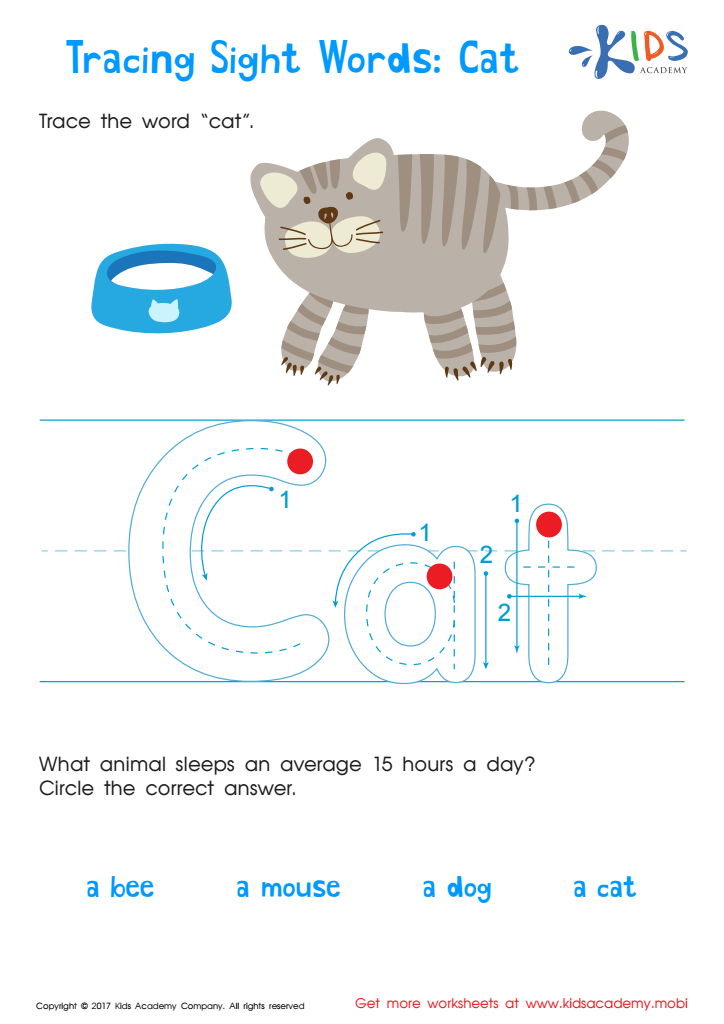
Cat Printable Sight Words Worksheet
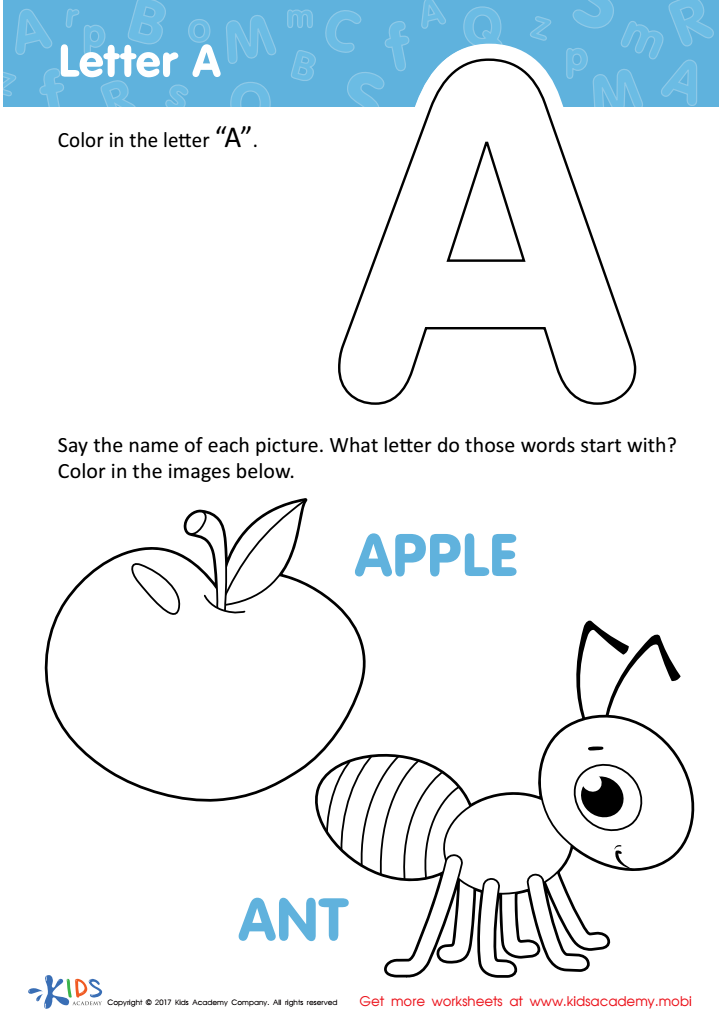
Letter A Coloring Sheet
 Assign to My Students
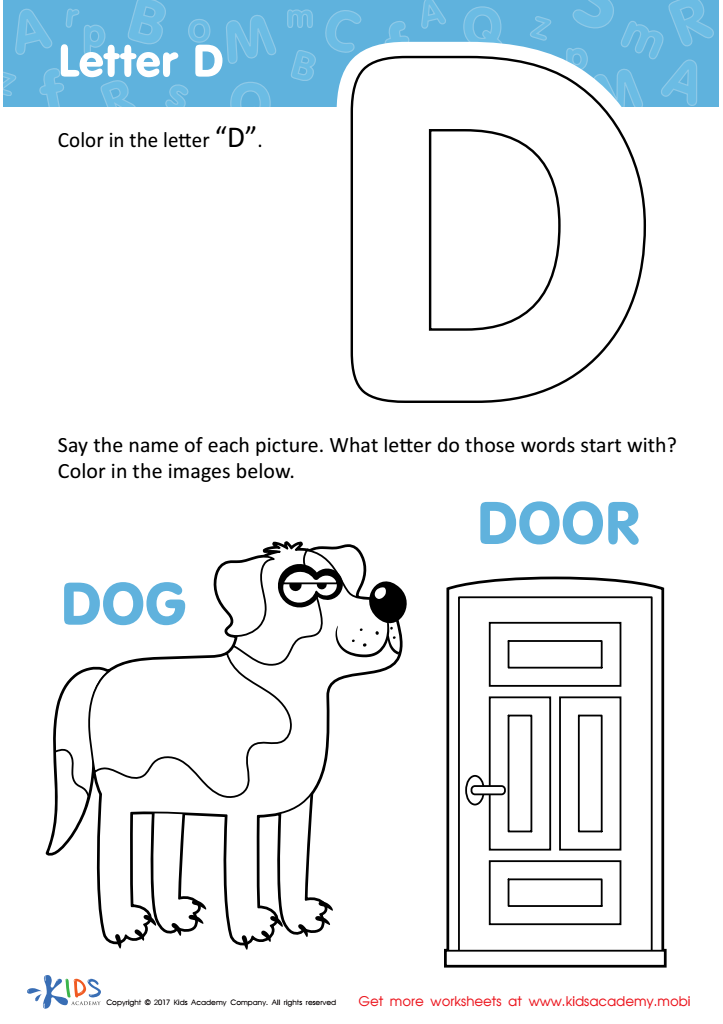
Letter D Coloring Sheet
Assign to My Students
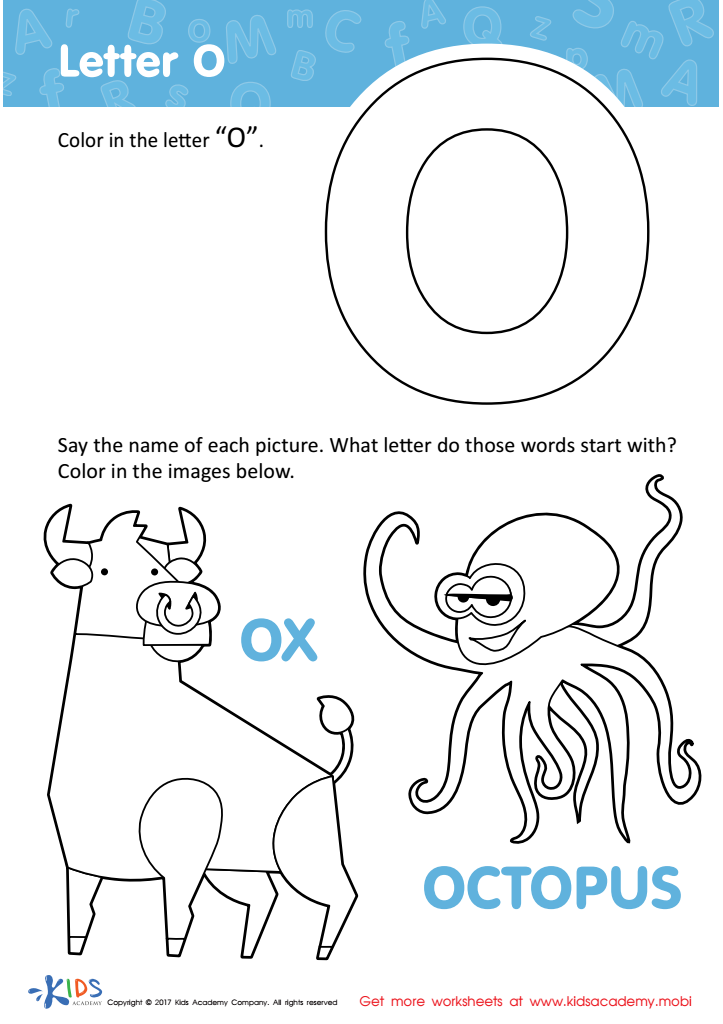
Letter O Coloring Sheet
Assign to My Students
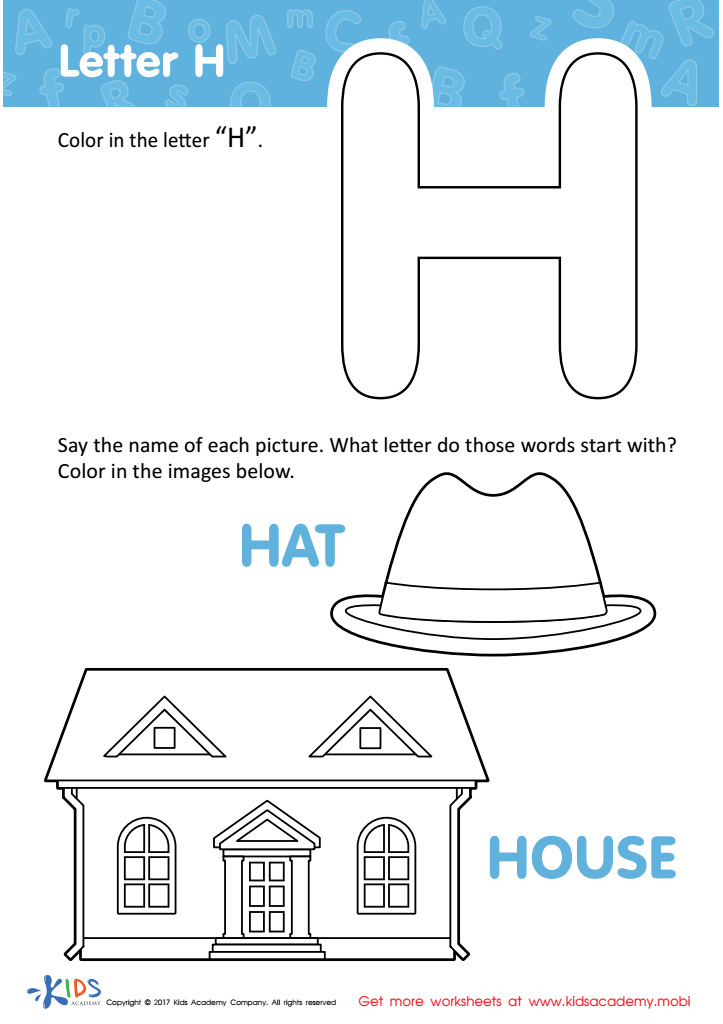
Letter H Coloring Sheet
Assign to My Students
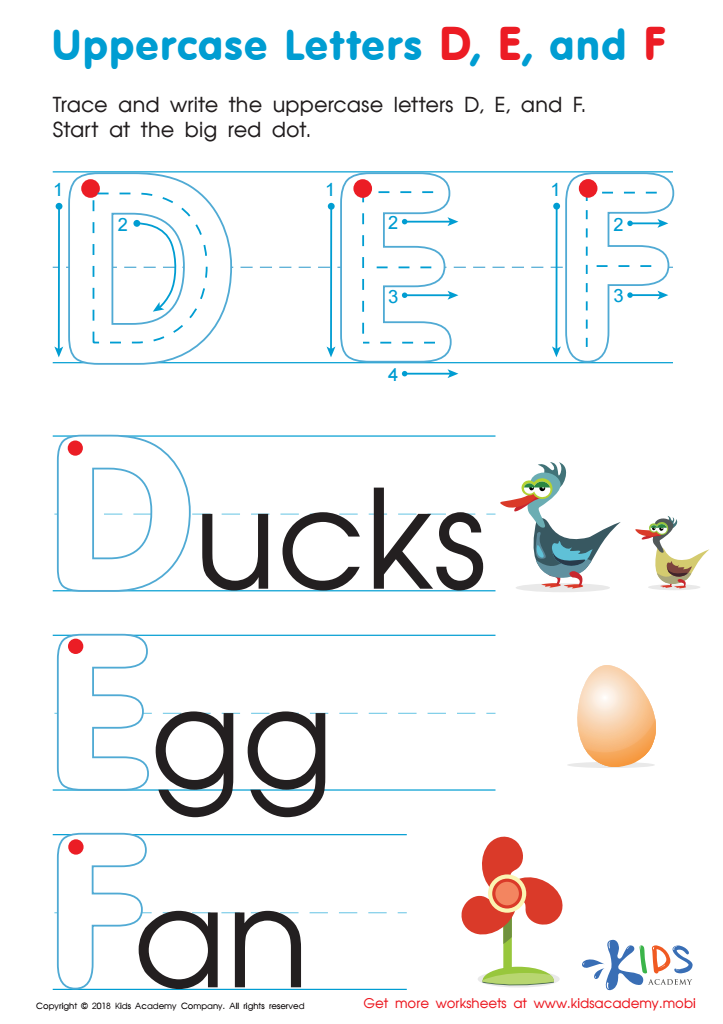
Uppercase Letters D, E, and F Worksheet







Letter tracing for ages 5-7 is a critical component of early literacy development that parents and teachers should prioritize for several reasons. Firstly, it helps children develop fine motor skills, which are essential for writing and overall hand-eye coordination. As they trace letters, kids improve their ability to control writing instruments, laying the groundwork for neat and legible handwriting.
Moreover, letter tracing enhances letter recognition, crucial for reading. By repeatedly tracing each letter, children learn to identify shapes and symbols, making them more familiar with the alphabet. This familiarity builds confidence, encourages exploration with words, and lays the foundation for reading proficiency.
Additionally, letter tracing provides structured practice that helps children learn the correct starting points and stroke order for forming letters. This systematic approach minimizes frustration as they transition from tracing to independent writing.
Furthermore, tracing activities can be integrated into fun and engaging learning experiences. When children associate letter formation with enjoyable practices, such as coloring or themed worksheets, they develop a positive attitude toward writing.
Ultimately, encouraging letter tracing for young learners supports their developmental milestones in communication, cognitive skills, and emotional confidence, making it an invaluable tool in any early education setting.







