Sound-letter association Normal Alphabet Worksheets for Ages 5-7
3 filtered results
-
From - To
Discover an engaging collection of sound-letter association worksheets designed specifically for children aged 5-7. These interactive resources help young learners connect sounds with their corresponding letters, fostering early literacy skills in a fun and creative way. Each worksheet features captivating illustrations and intuitively organized activities that encourage recognition and differentiation of letters and sounds. Perfect for teachers or parents, these printables promote hands-on learning and strengthen foundational skills in reading and writing. Support your child’s journey toward reading fluency with our comprehensive set of normal alphabet worksheets, ensuring they build confidence while exploring the world of language. Start their learning adventure today!
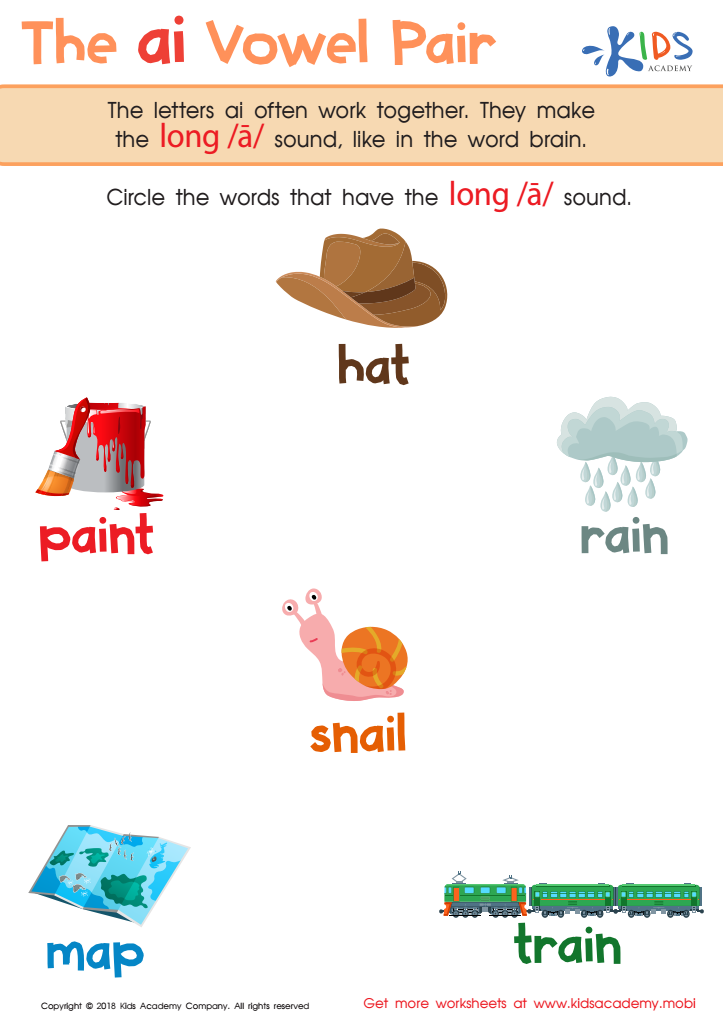
The AI Vowel Pair Worksheet
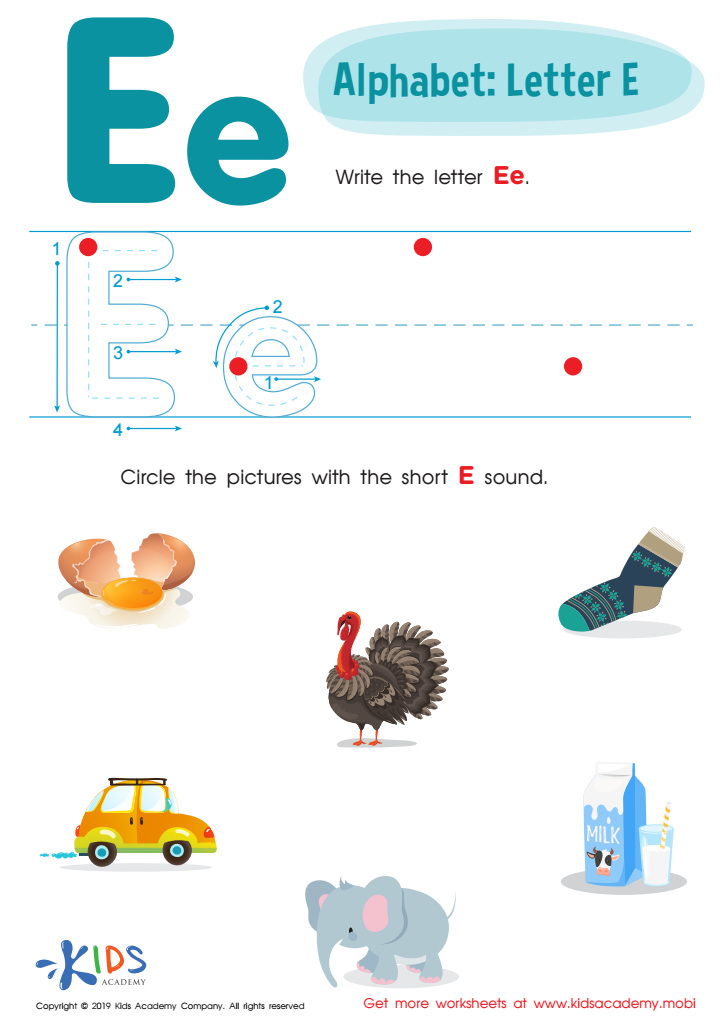
Letter E Tracing Worksheet
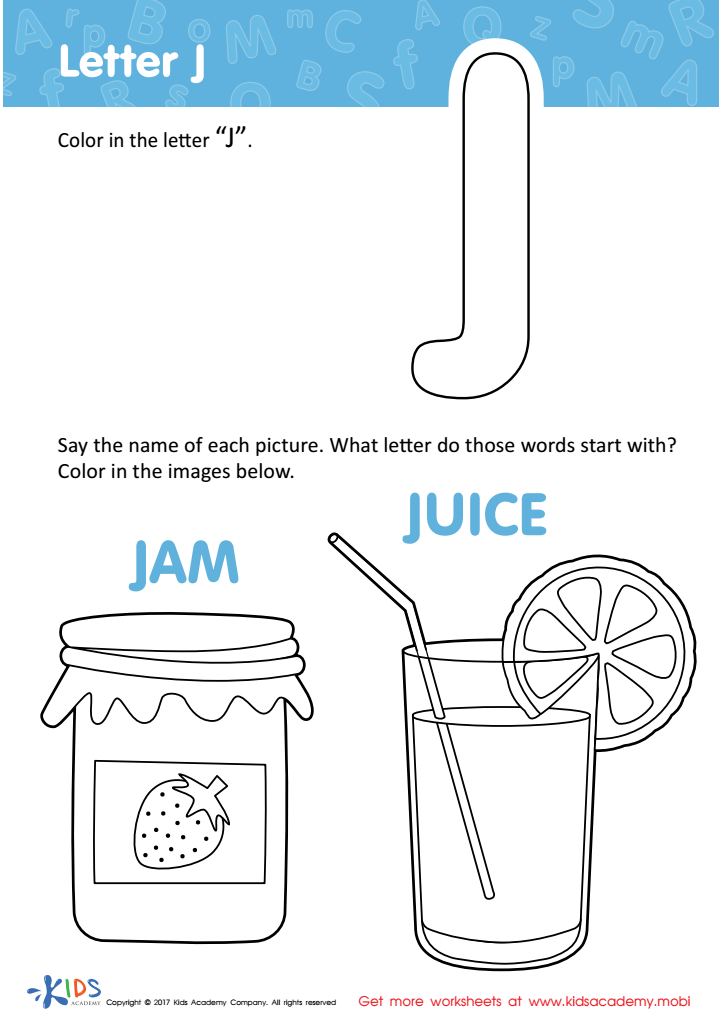
Letter J Coloring Sheet
 Assign to My Students







Parents and teachers should prioritize sound-letter association for children aged 5-7 because it lays a foundational skill for reading and writing. At this stage, children are developing their phonemic awareness, which is crucial for decoding words. By learning to associate sounds with their corresponding letters, children can ensure they have a systemized method to read unfamiliar texts, promoting both confidence and independence.
Furthermore, sound-letter association enhances vocabulary development. As children recognize the sounds of letters, they become more adept at sounding out new words and therefore can tackle a broader range of literature. This, in turn, fosters a love for reading which has lasting benefits throughout their academic journey and beyond.
Engagement with sound-letter activities also encourages fine motor skills and cognitive development as children practice writing letters while learning their sounds. Plus, when parents and teachers work together to reinforce these skills, it encourages a supportive learning environment, enhancing the child's educational experience.
Overall, focusing on sound-letter association during these critical early years creates resilient learners equipped with vital literacy skills, ensuring they are prepared for further academic success. It's an investment in a child's future capabilities and enthusiasm for learning.







