Sound recognition Normal Alphabet Worksheets for Ages 5-7
11 filtered results
-
From - To
Unlock your child's potential with our Sound Recognition Normal Alphabet Worksheets, specially designed for kids aged 5-7! These engaging worksheets help young learners associate sounds with letters, enhancing their reading and phonetic skills. Each activity promotes auditory discrimination, encouraging children to listen carefully to words and identify corresponding letters. With fun illustrations and interactive exercises, your child will be excited about learning the alphabet. Perfect for homeschooling or classroom use, these resources make sound recognition both educational and enjoyable. Help your little ones build a solid foundation in literacy while sparking their curiosity and love for learning. Explore our worksheets today!
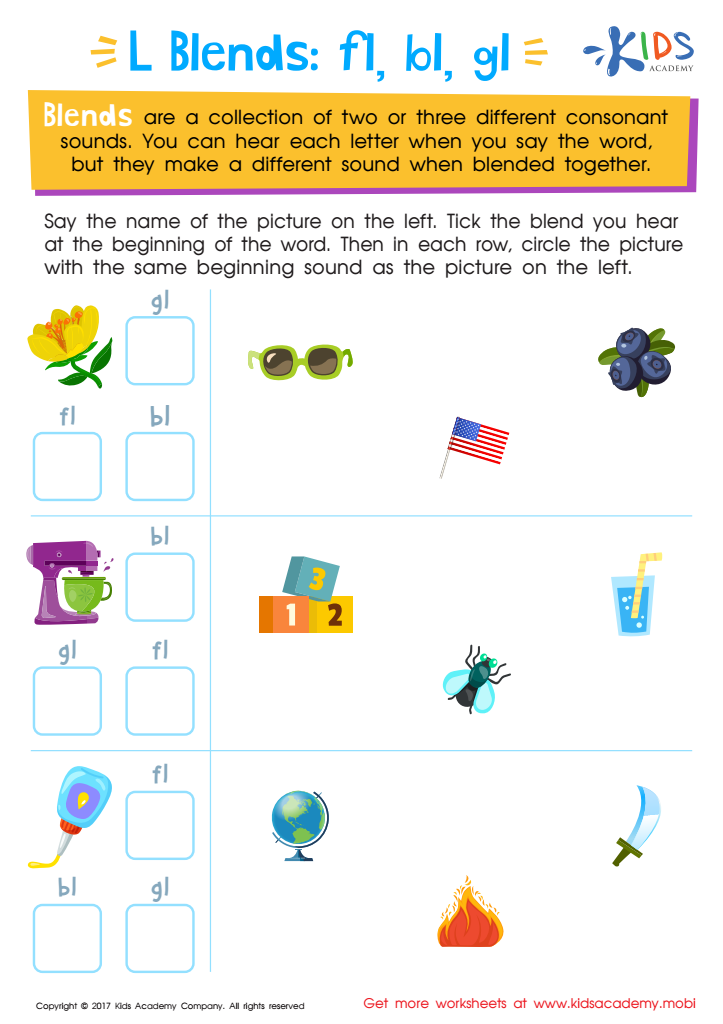
Blending Consonants: "Fl", "Bl" and "Gl" Printable
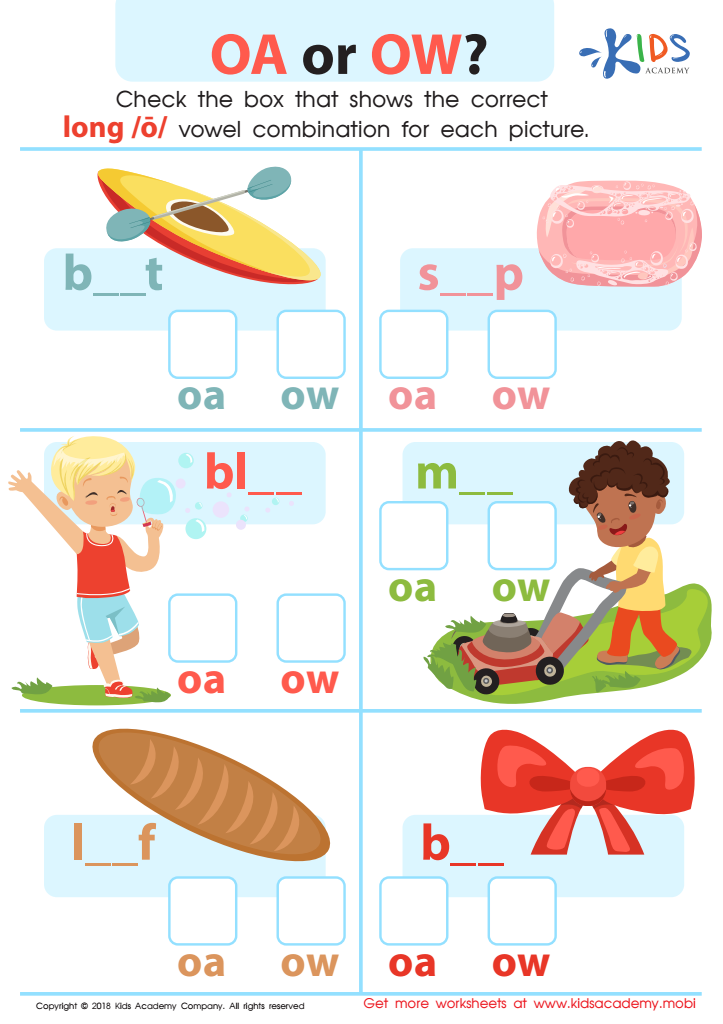
Reading: OA or OW Worksheet
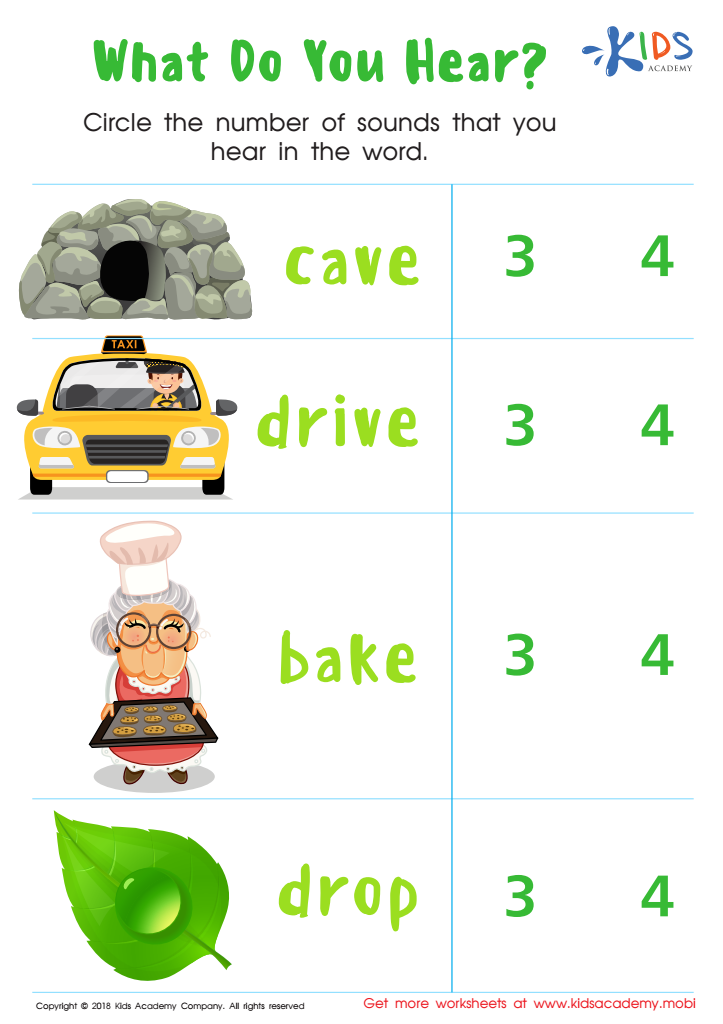
What Do You Hear? Worksheet
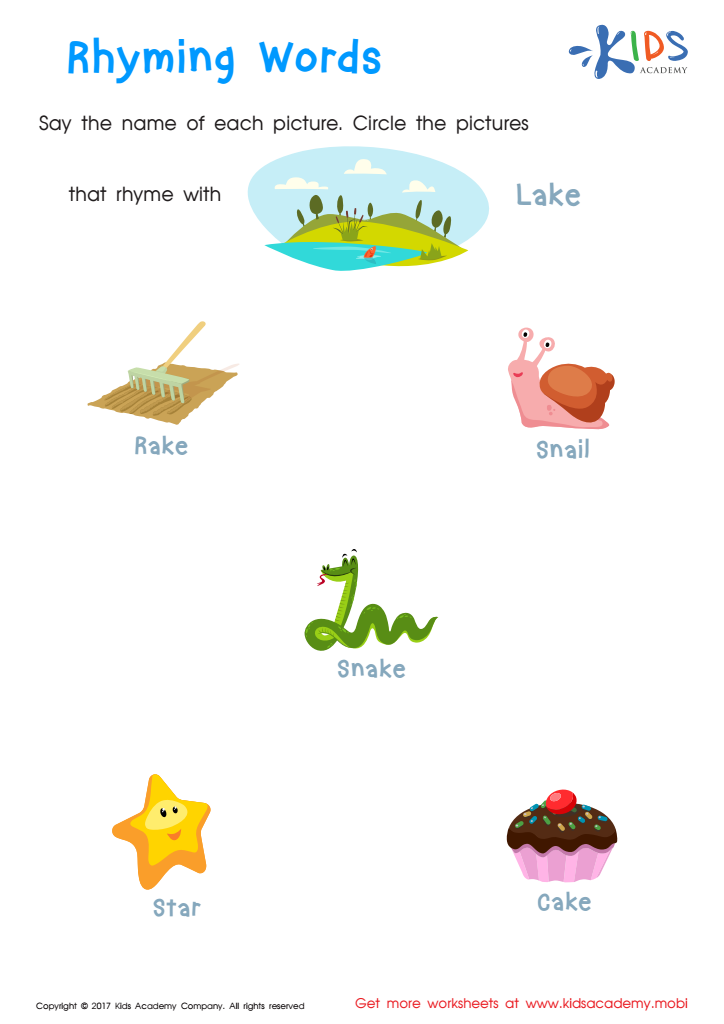
Rhyming Words Rhyming Worksheet
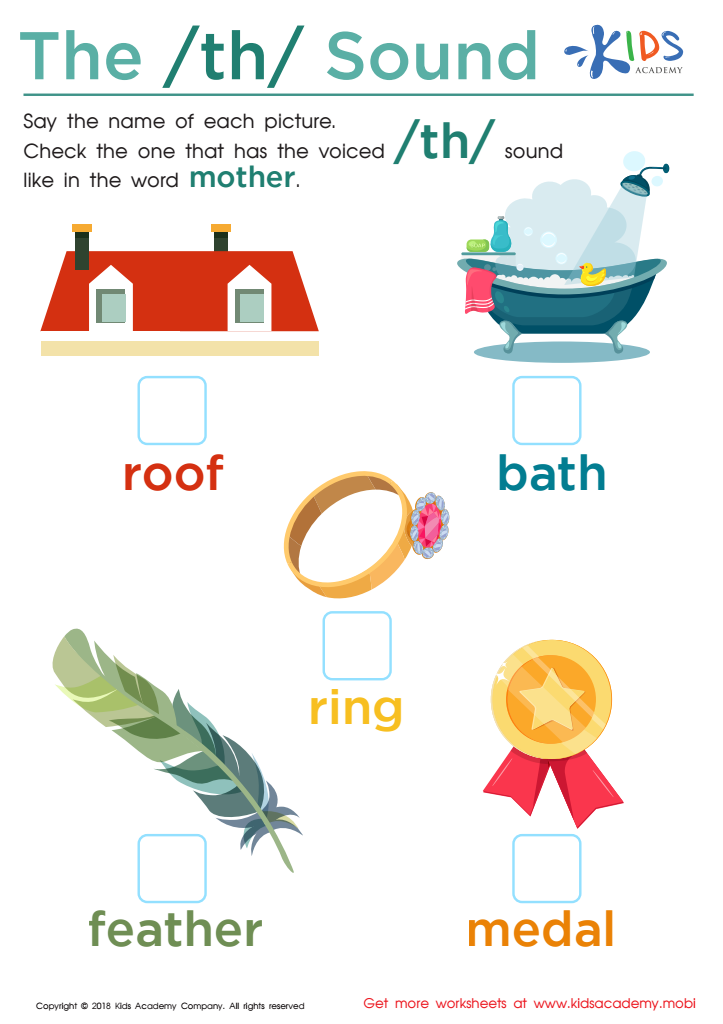
The /th/ Sound Worksheet

Long and Short U Worksheet
 Assign to My Students
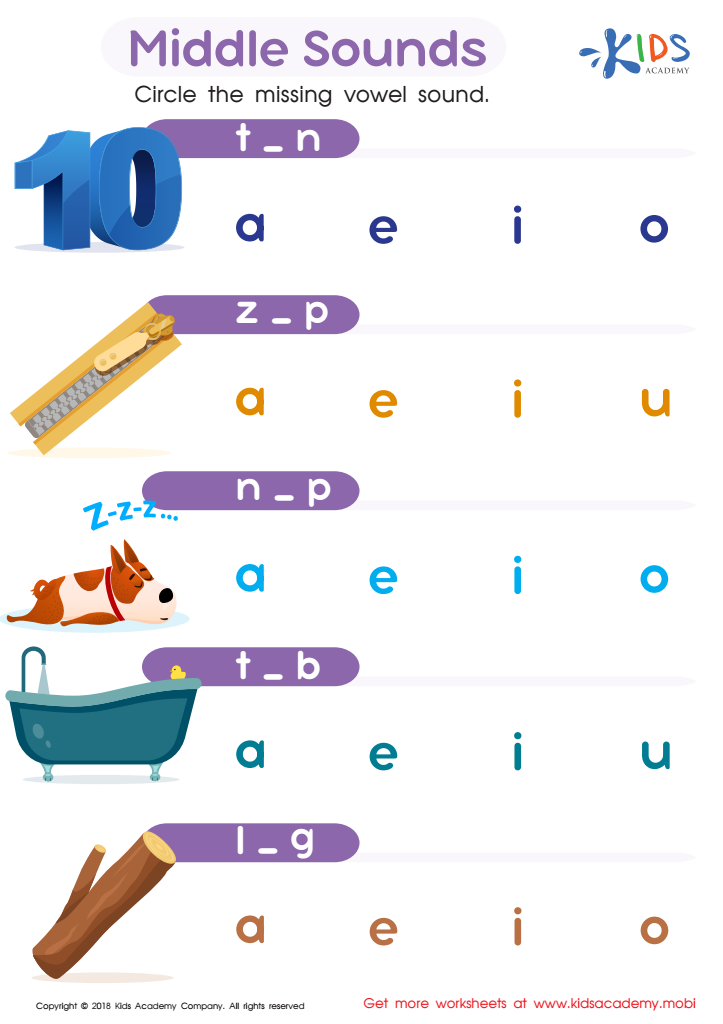
Middle Sounds Worksheet
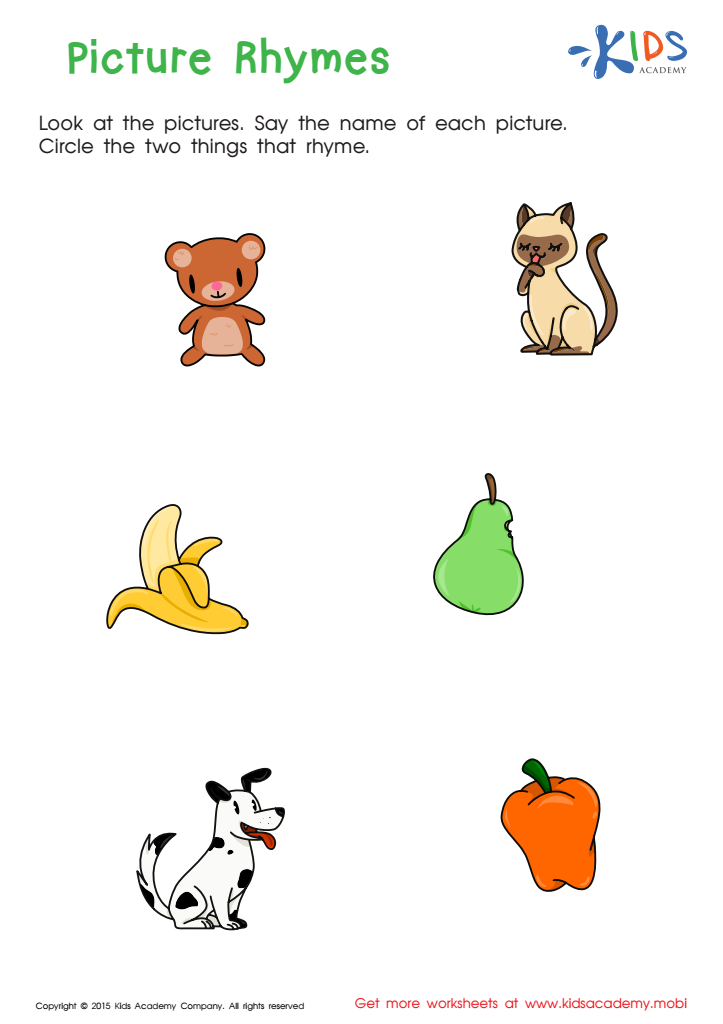
First Words: Picture Rhymes Worksheet
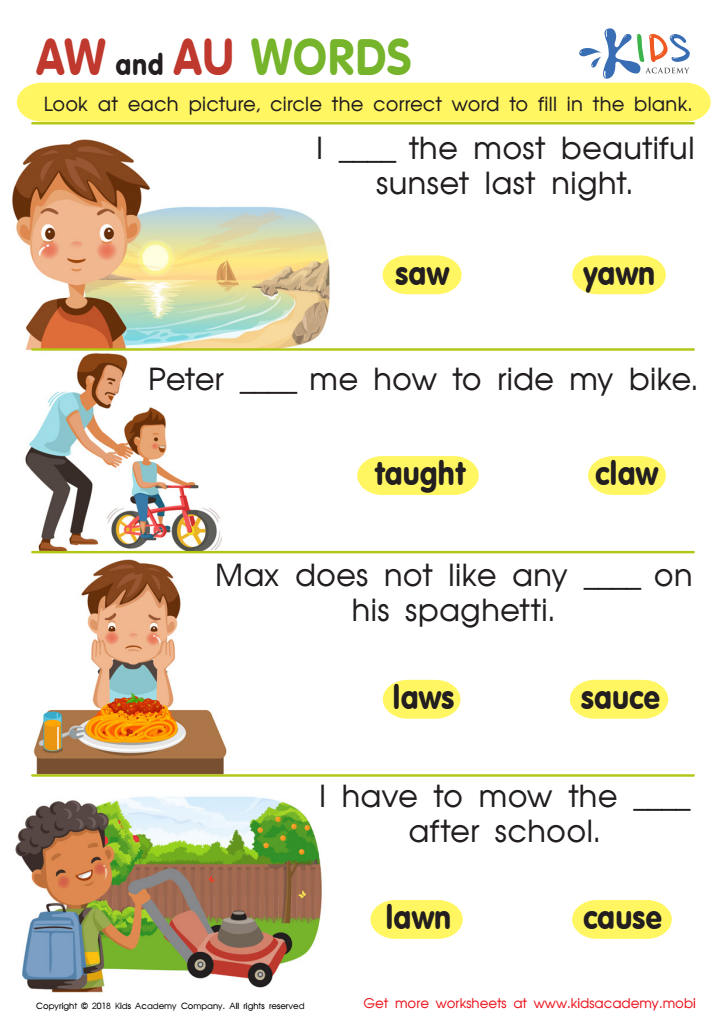
Reading: AW and AU Words Worksheet
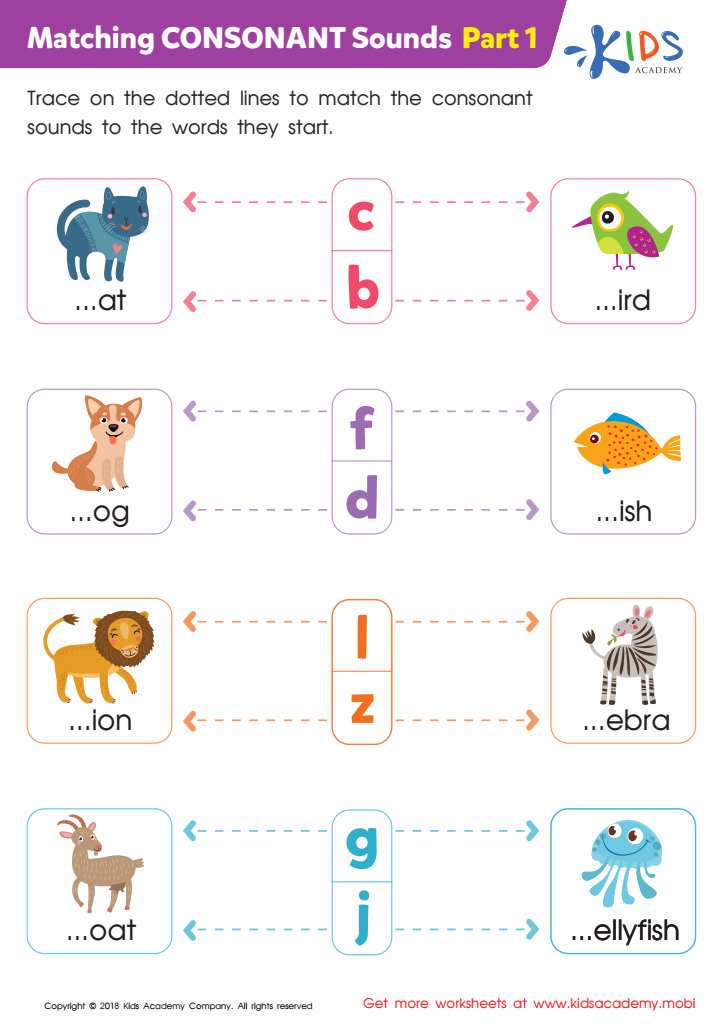
Matching Consonant Sounds: Part 1 Worksheet
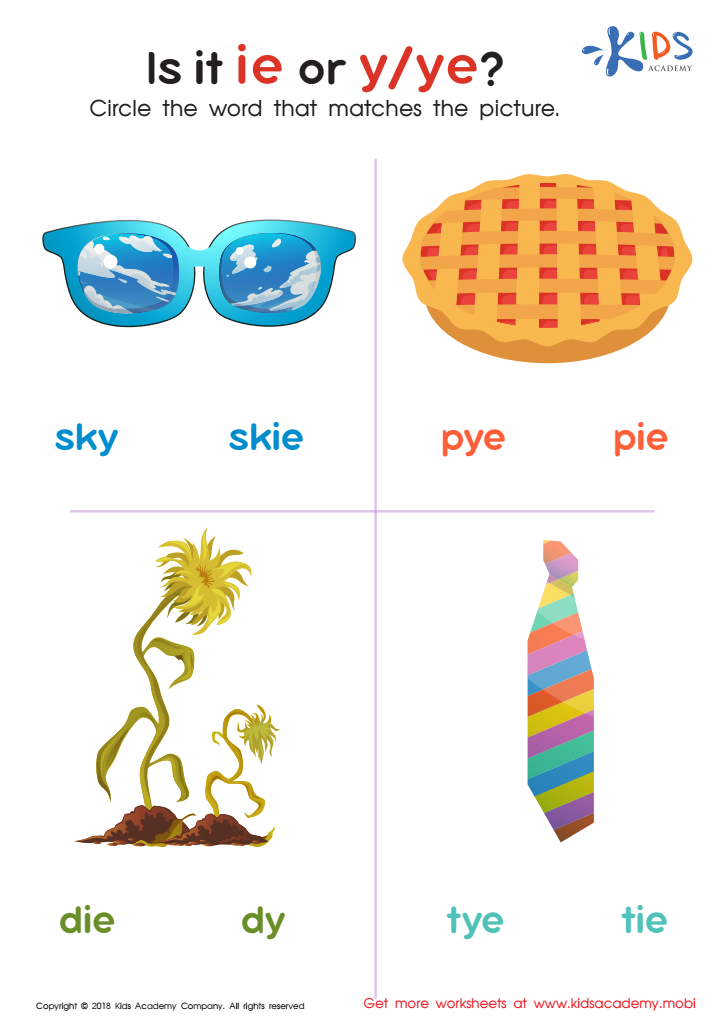
Is It IE or Y/Ye? Worksheet







Sound recognition in the Normal Alphabet is crucial for children aged 5-7 as it forms the foundation for reading and writing skills. At this age, children are developing phonemic awareness, which helps them understand that letters represent specific sounds or phonemes. By mastering sound recognition, children enhance their ability to decode words, which is essential for fluent reading and comprehension.
Teachers and parents should care about this developmental milestone because strong literacy skills are linked to academic success. Children who struggle with sound recognition may face difficulties in reading, writing, and overall learning, leading to frustration and diminished self-esteem. Additionally, early sound recognition supports vocabulary growth and aids in building critical thinking skills, which are vital in today's information-rich society.
Moreover, fostering a love for reading starts with early sound recognition, allowing children to engage with stories and language playfully and interactively. Activities such as phonics games, songs, and reading together encourage this process. By prioritizing sound recognition in the Normal Alphabet, teachers and parents can ensure that children are equipped with essential skills that will serve as building blocks for future educational achievements and lifelong learning.







