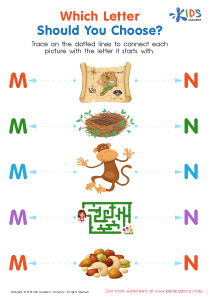
Fine Motor Skills Normal Lowercase/Small Letters Worksheets for Ages 5-7
14 filtered results
-
From - To
Enhance your child's fine motor skills with our carefully designed lowercase/small letters worksheets for ages 5-7. These engaging worksheets are perfect for young learners to practice writing, improve hand-eye coordination, and build strong penmanship. Each sheet provides a variety of activities, including tracing, writing, and matching exercises, ensuring kids stay motivated and interested. Our worksheets not only help in mastering the alphabet but also develop essential fine motor skills necessary for future writing success. Ideal for classroom settings or at-home learning, these fun and educational resources support your child's growth with every page. Start the journey to better handwriting today!
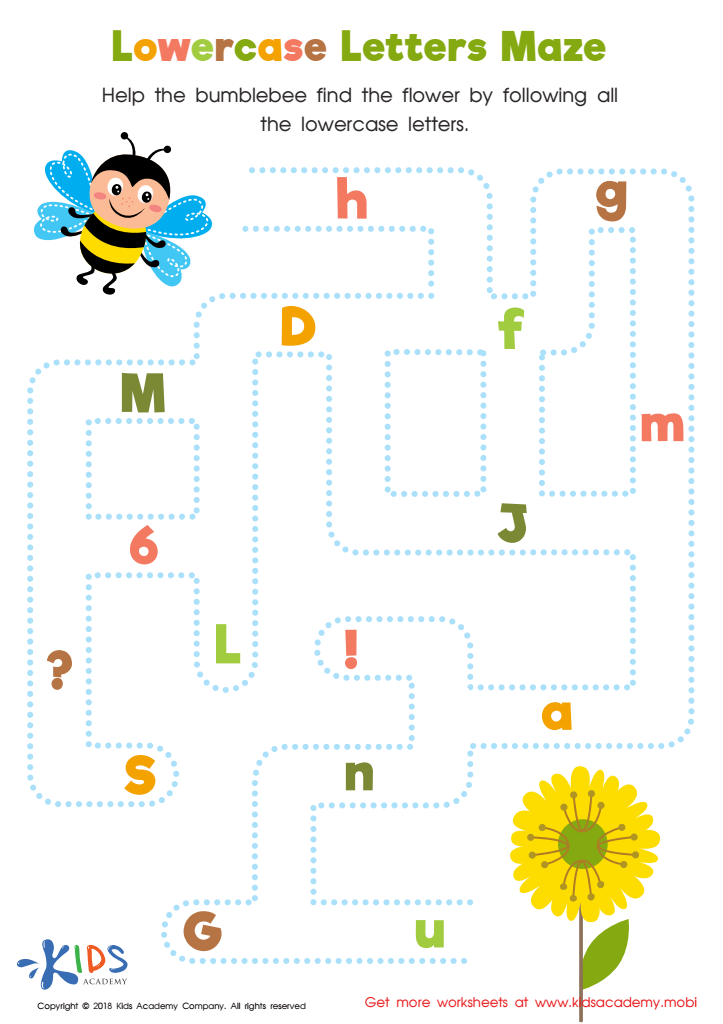
Lowercase Letters Maze Worksheet
 Assign to My Students
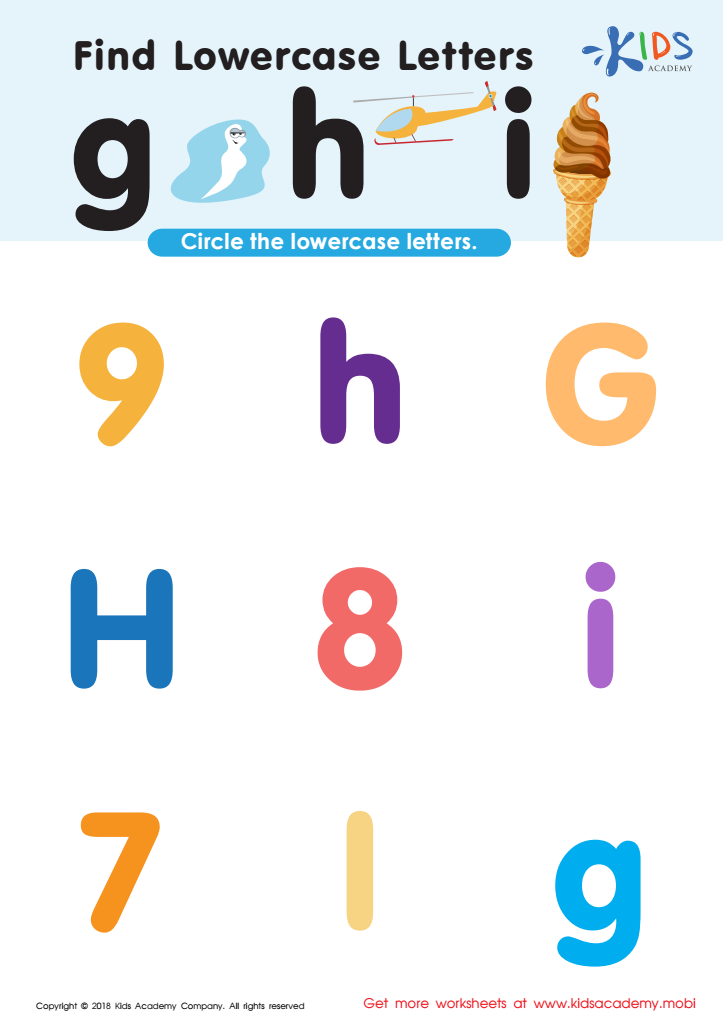
Find Lowercase Letters g h i Worksheet
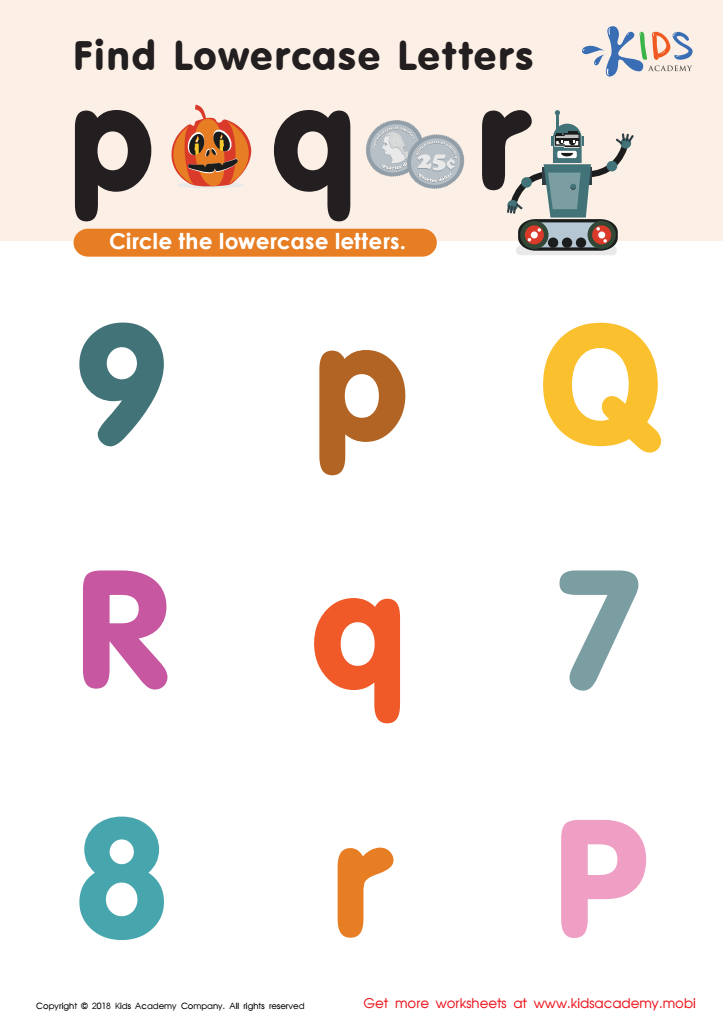
Find lowercase Letters p q r Worksheet
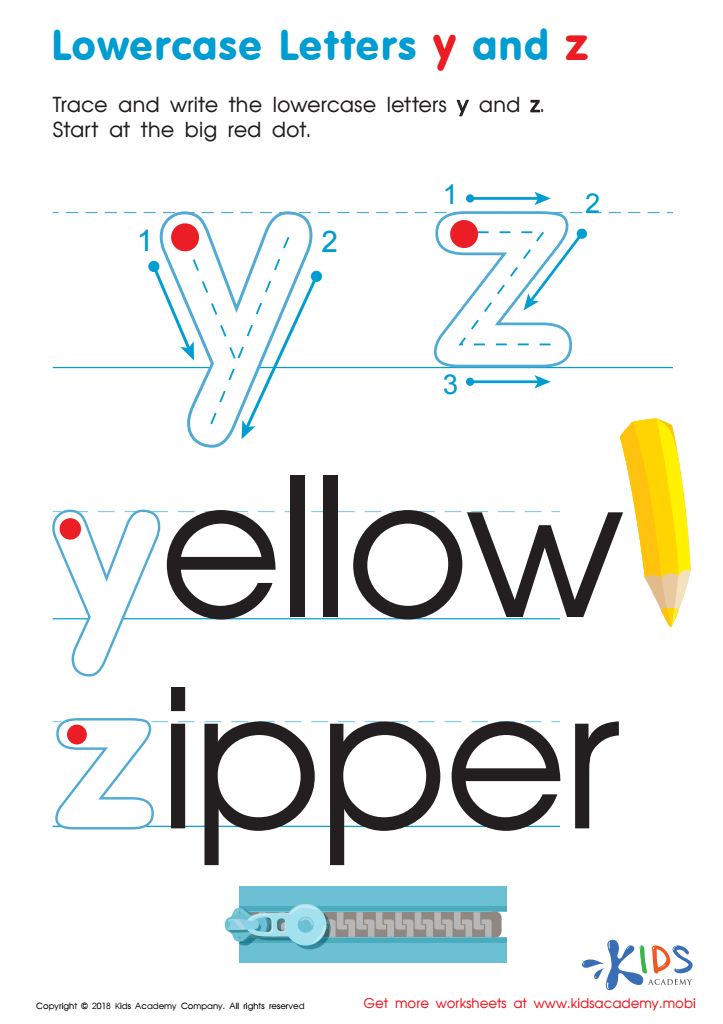
Lowercase Letters y z Worksheet

Lowercase Letters j k l Worksheet
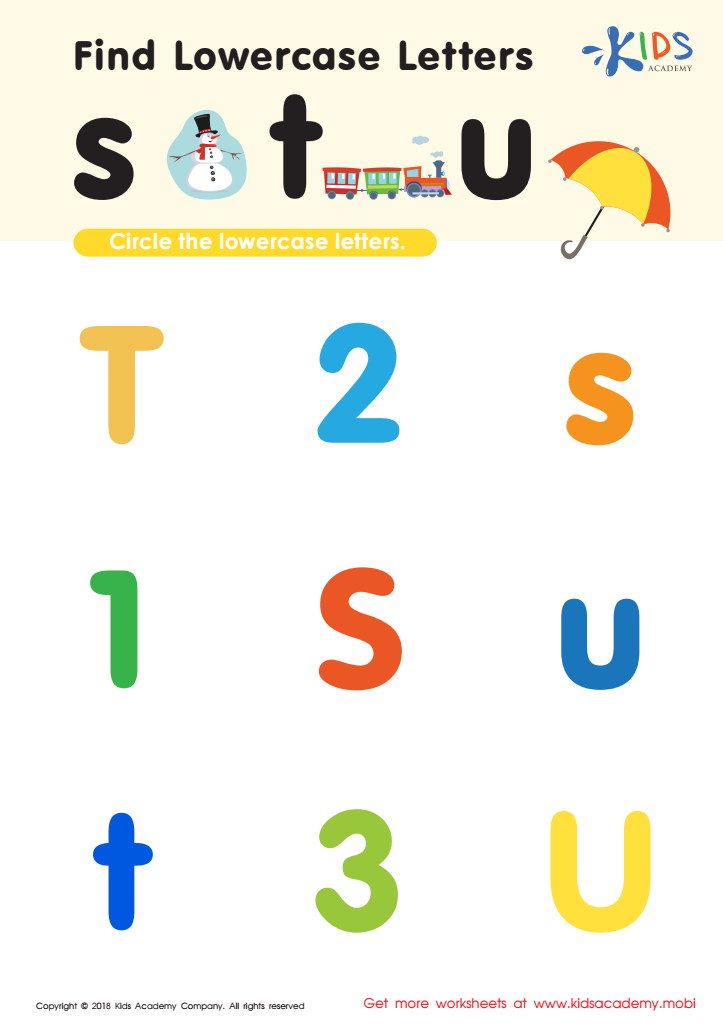
Find lowercase Letters s t u Worksheet
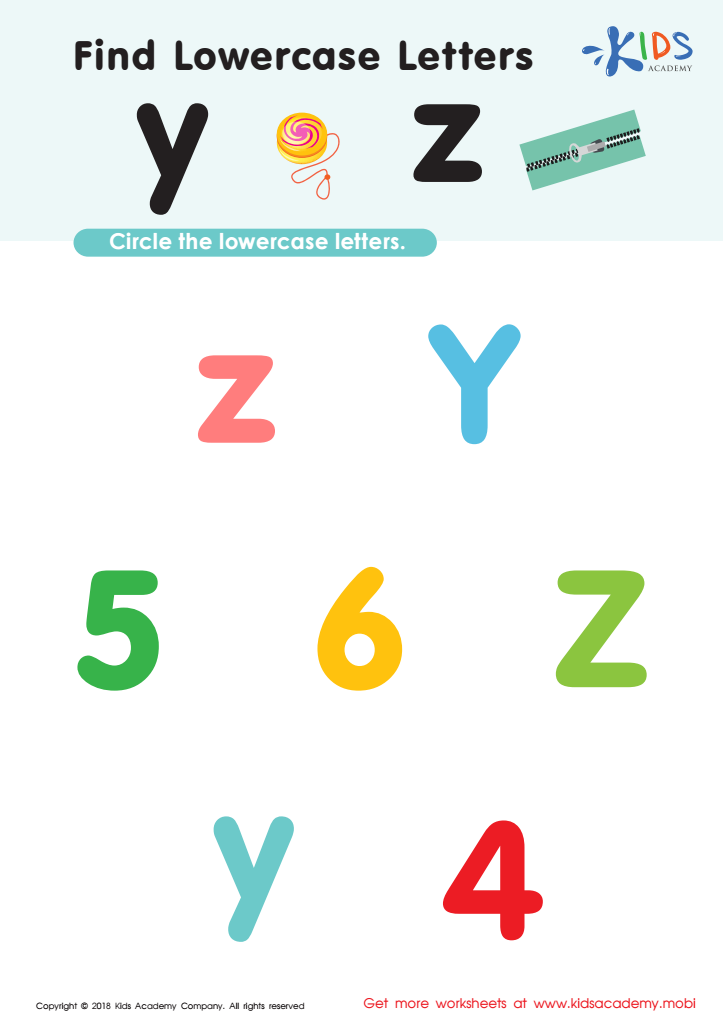
Find Lowercase Letters y z Worksheet
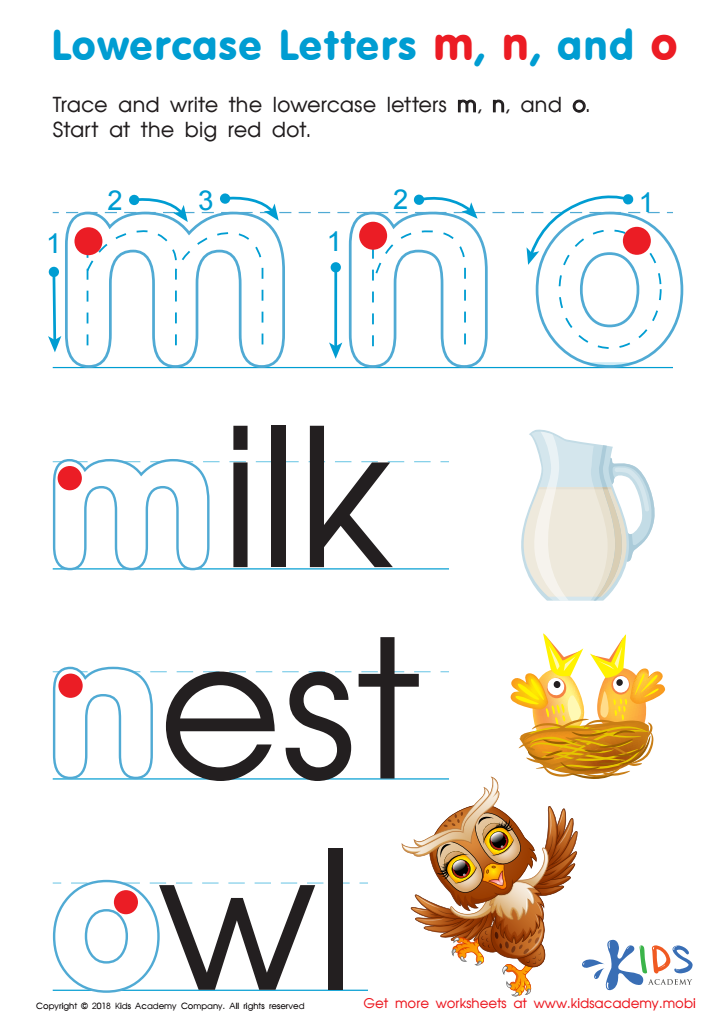
Lowercase Letters m n o Worksheet
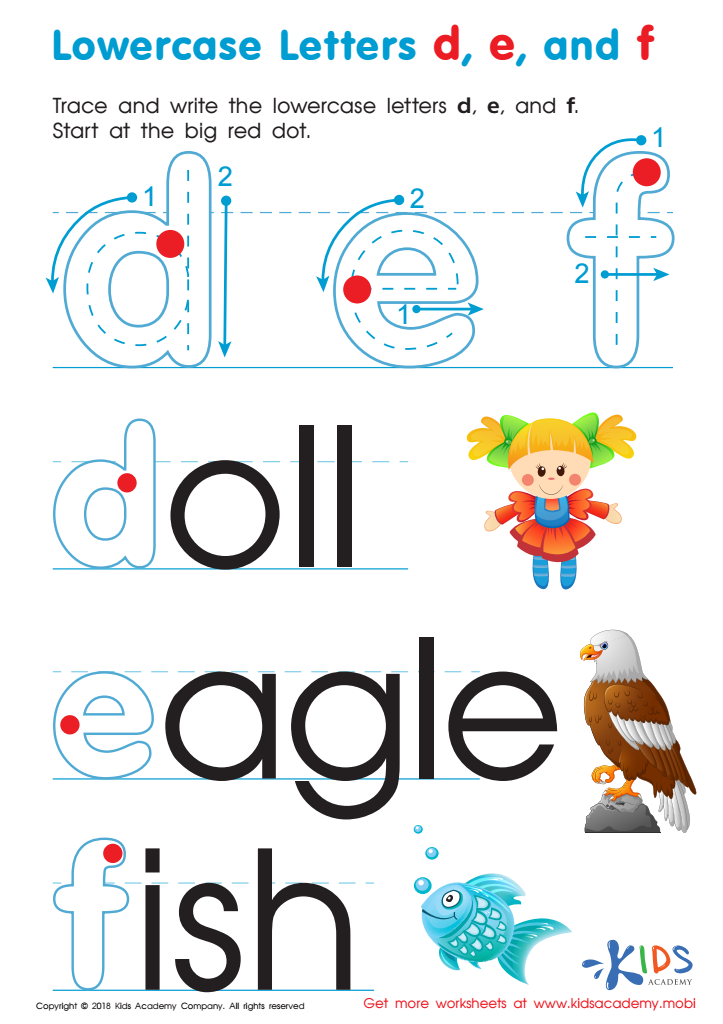
Lowercase Letters d e f Worksheet
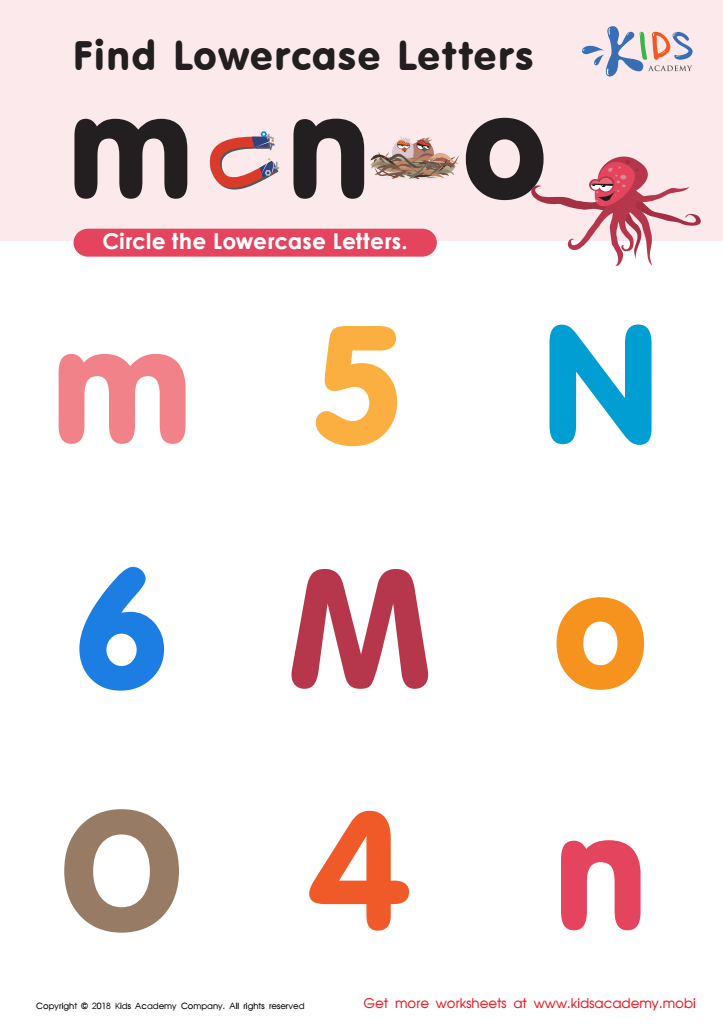
Find Lowercase Letters m n o Worksheet
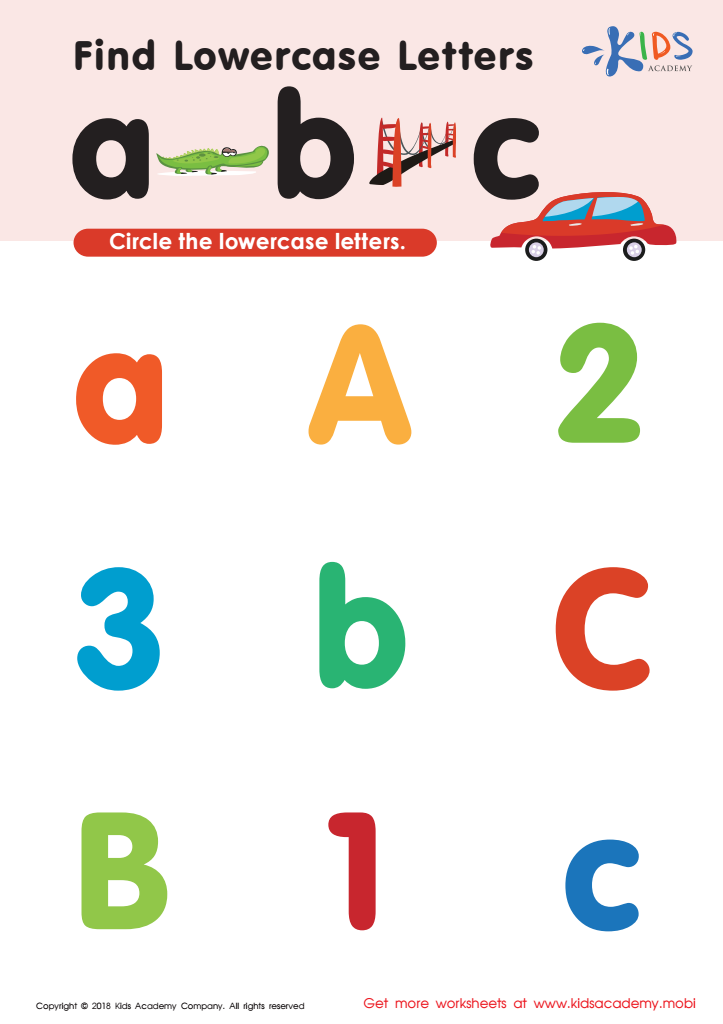
Find lowercase letters a b c Worksheet
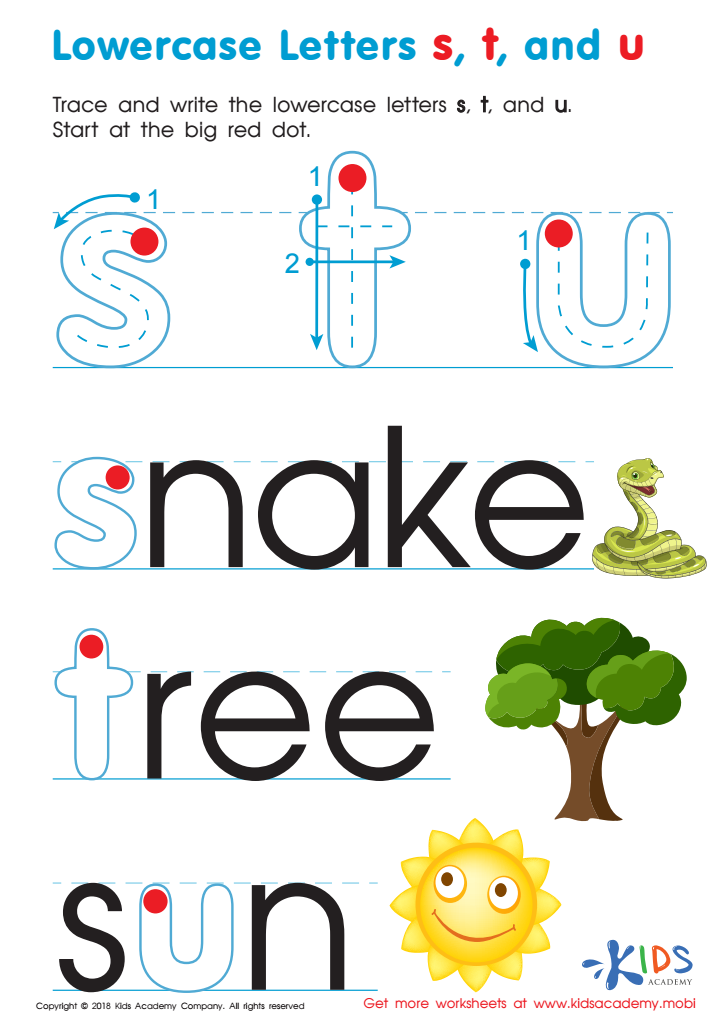
Lowercase Letters s t u Worksheet
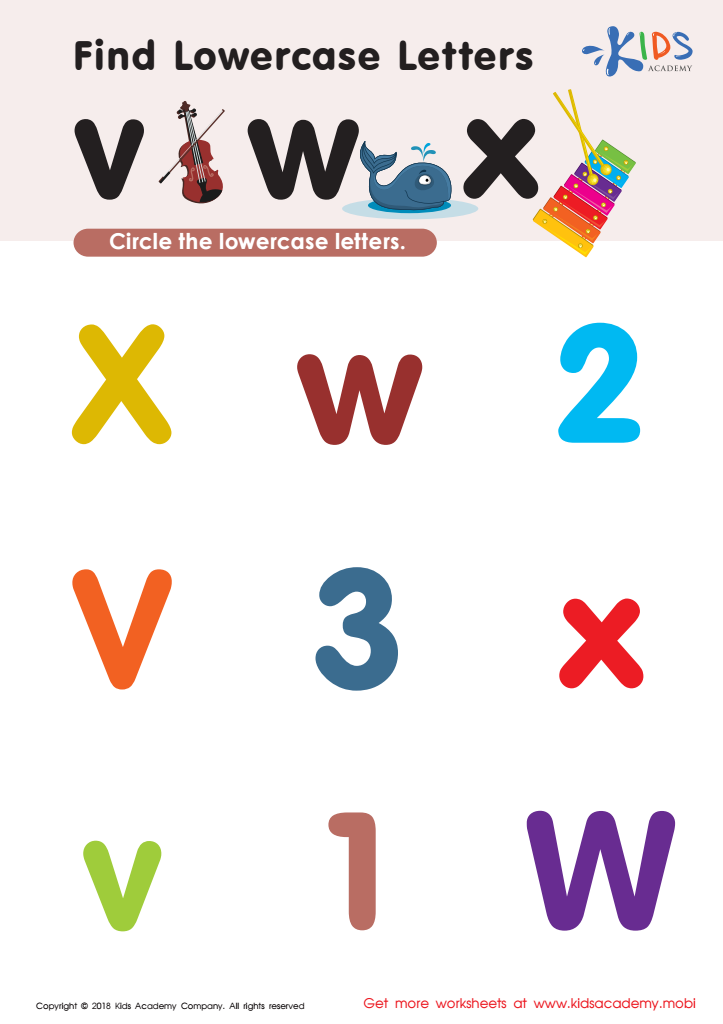
Find Lowercase Letters v w x Worksheet
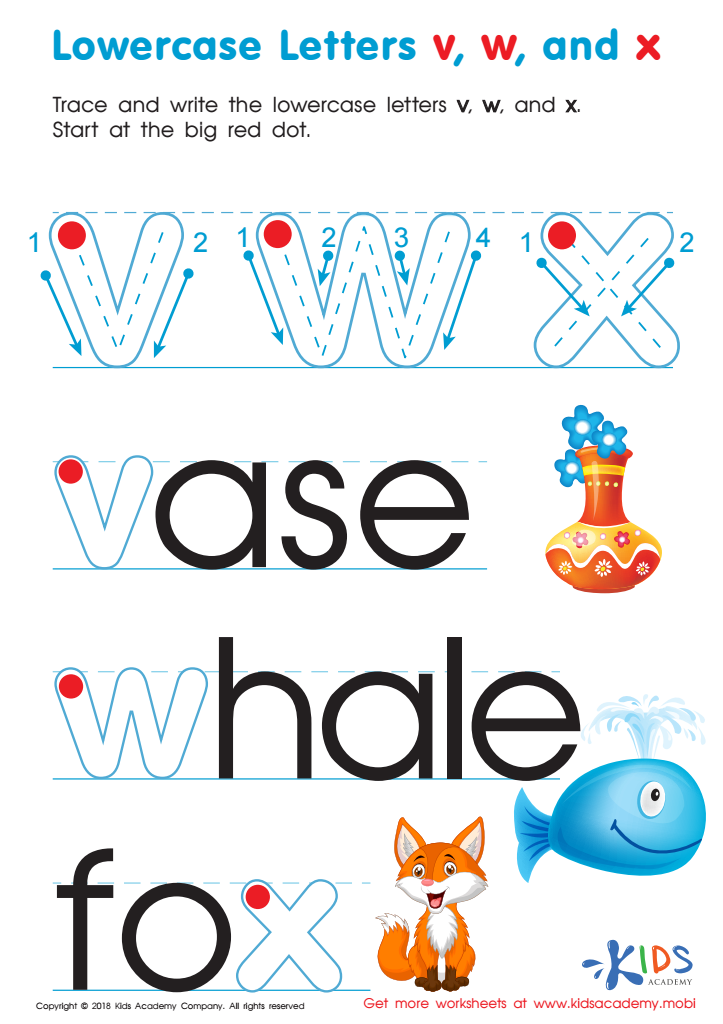
Lowercase Letters v w x Worksheet


Fine motor skills are crucial for children aged 5-7 as they significantly impact everyday activities and school readiness. This critical developmental stage involves the coordination of small muscles in the hands and fingers. Mastering tasks like handling a pencil, using scissors, or buttoning clothes hinges on fine motor skills.
Parents and teachers should prioritize these skills to ensure children can perform essential daily tasks independently. Fine motor skills directly impact children’s handwriting, affecting their ability to write lowercase and small letters. Good handwriting is foundational for academic success since it influences reading, spelling, and comprehension skills.
Additionally, robust fine motor skills correlate with improved hand-eye coordination and cognitive development. Activities that develop these skills also hone focus and patience—crucial attributes for learning. Children who struggle with fine motor tasks may experience frustration and decreased self-esteem, which can compromise overall academic and social development.
By providing varied and engaging opportunities to work on these skills through puzzles, arts and crafts, and other fine motor activities, parents and teachers lay the groundwork for academic achievements and everyday task proficiency. Early intervention and consistent practice ensure children develop the dexterity and confidence needed to excel both in and out of the classroom.