Phonics Skills Normal Phonics Worksheets for Ages 5-7 - Page 3
51 filtered results
-
From - To
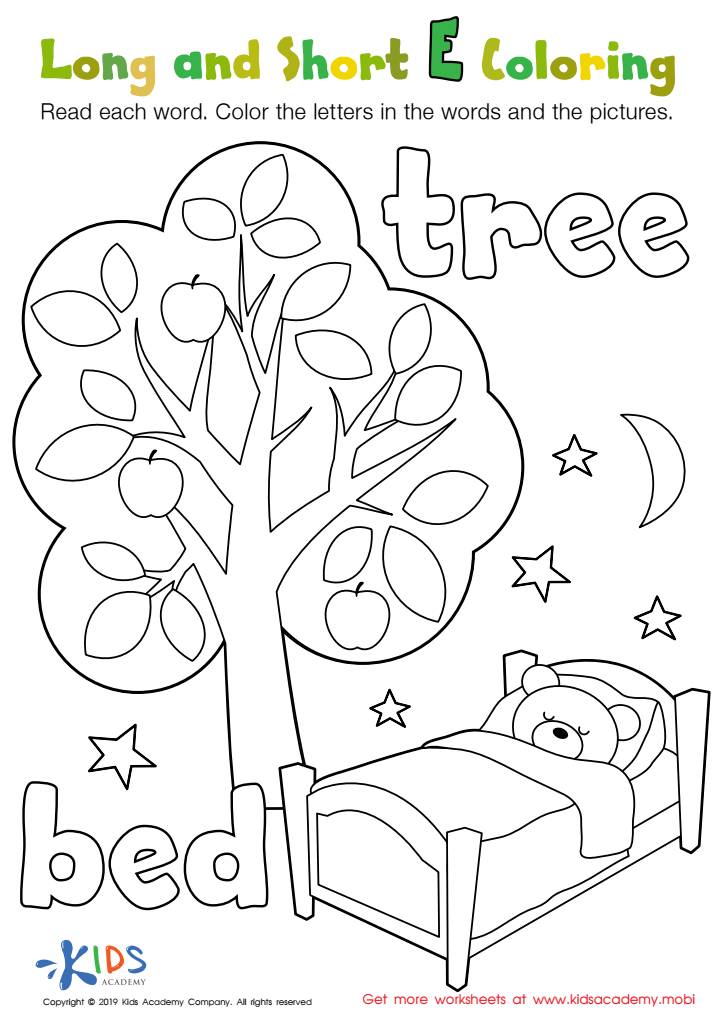
Long and Short E Worksheet
 Assign to My Students
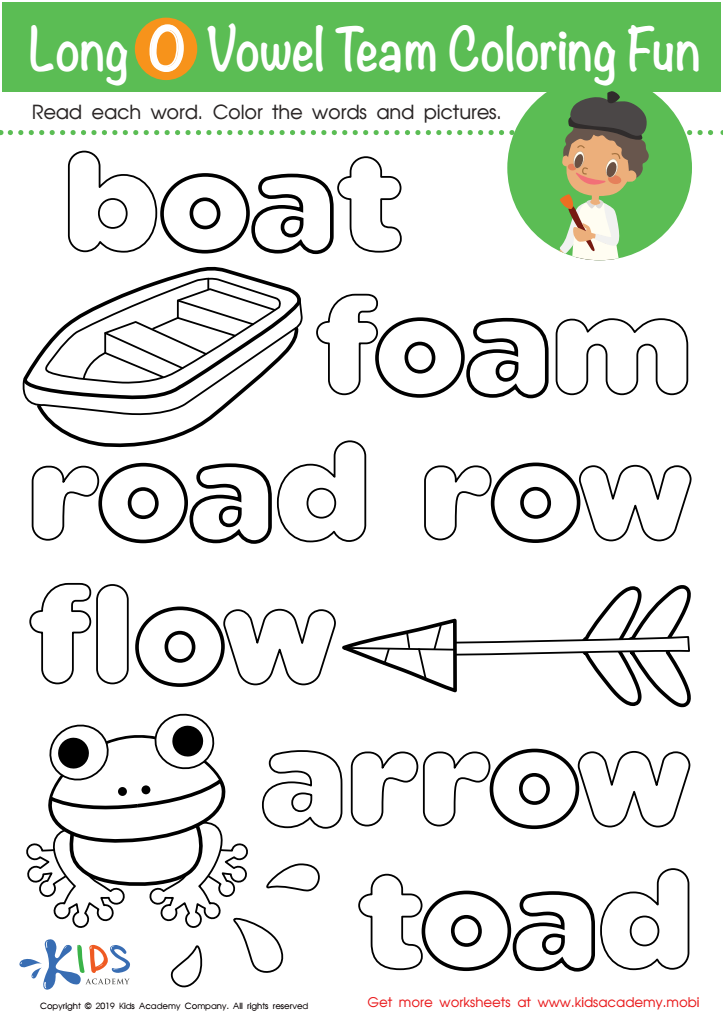
Long O Vowel Team Coloring Worksheet
Assign to My Students
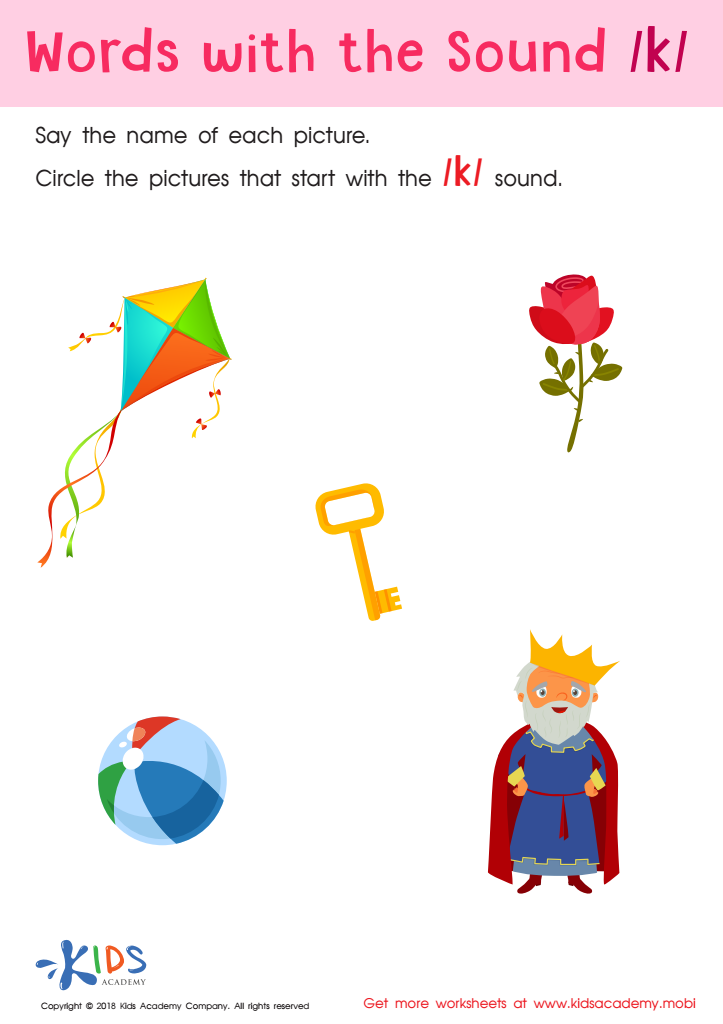
Words with sound k Reading Worksheet








Parents and teachers should care about phonics skills for children ages 5-7 because these foundational skills are crucial for literacy development. Phonics involves the relationship between letters and sounds, helping children decode words, which is essential for reading fluently. At this age, children are just beginning to read independently, and a strong grasp of phonics enables them to tackle new words confidently.
Moreover, research shows that children who receive explicit phonics instruction are more likely to become proficient readers. By masterfully blending sounds and understanding letter combinations, children develop a solid base for spelling, vocabulary, and comprehension skills. These abilities enhance their overall academic performance and foster a lifelong love for reading.
Additionally, being proficient in phonics can boost a child's self-esteem, reducing frustration in learning. For parents, supporting phonics instruction at home ensures that their child is making progress in reading, which is a key predictor of future educational success. Meanwhile, for teachers, effective phonics instruction aligns with evidence-based practices and curriculums. Ultimately, investing in phonics skills during early schooling nurtures confident readers who are prepared for the challenges of more complex texts as they grow.







