Alphabet Recognition Normal Tracing Letters Worksheets for Ages 5-7
21 filtered results
-
From - To
Our Alphabet Recognition Normal Tracing Letters Worksheets for ages 5-7 are meticulously crafted to make learning fun and engaging. These printable worksheets are designed to help young learners master the alphabet by tracing letters, improving their hand-eye coordination, and building fine motor skills. Each worksheet offers distinct activities aimed at reinforcing letter recognition and phonemic awareness, ensuring solid foundational skills for reading and writing. With vibrant illustrations and clear instructions, these worksheets are an essential resource for educators and parents looking to support their children's literacy journey. Perfect for home or classroom use, they make learning the alphabet a joyful adventure!
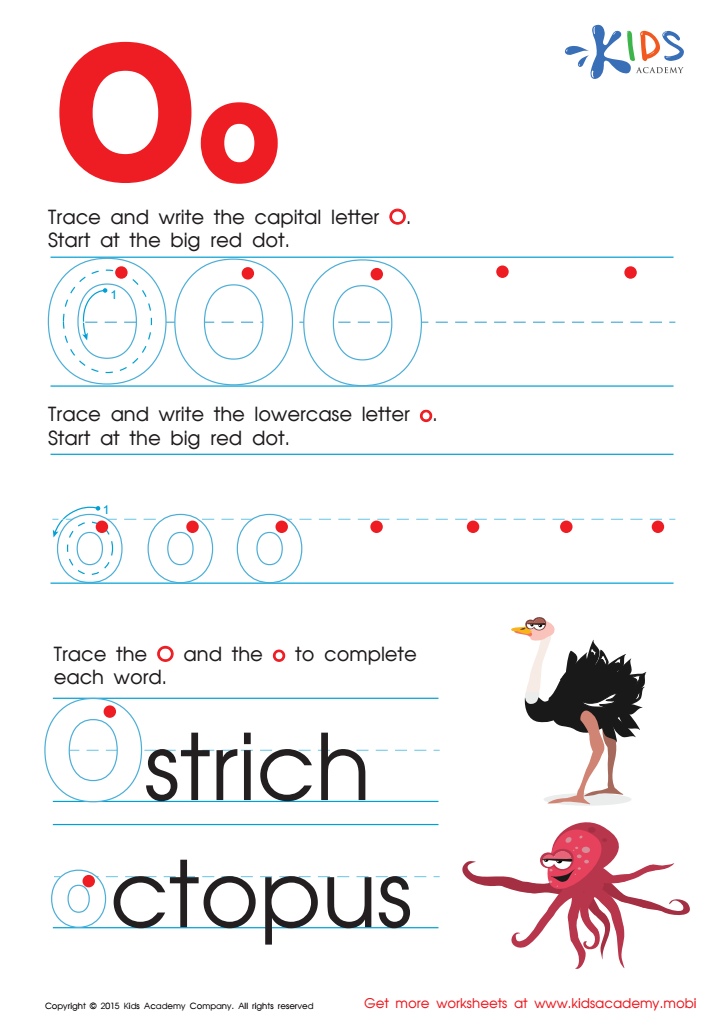
Letter O Tracing Page
 Assign to My Students
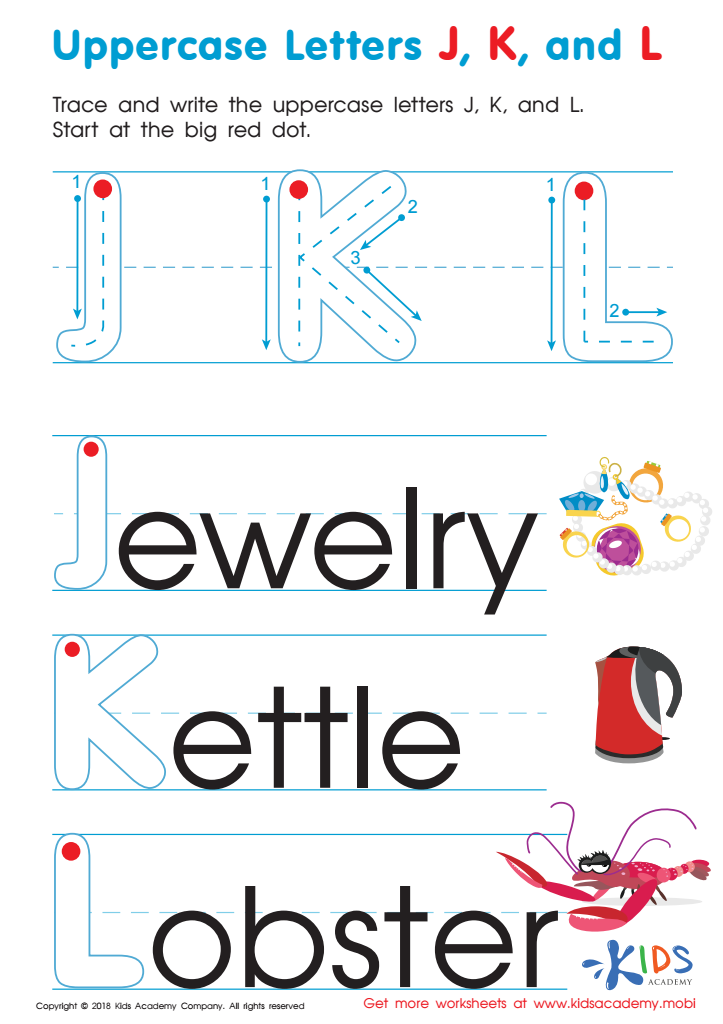
Uppercase Letters J, K, and L Worksheet
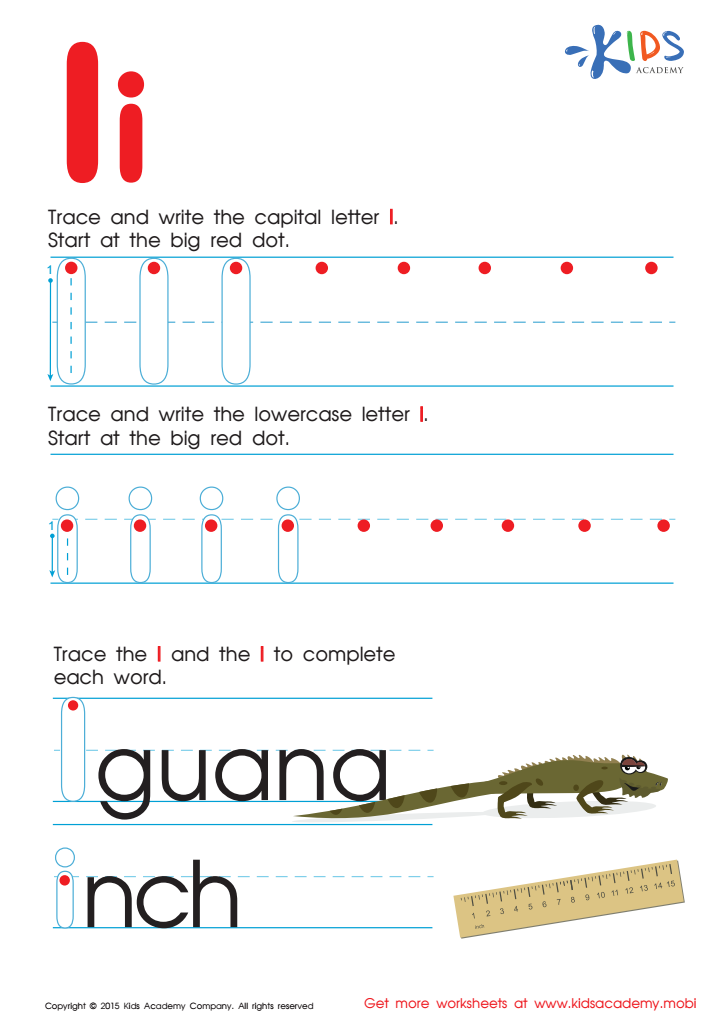
Letter I Tracing Page
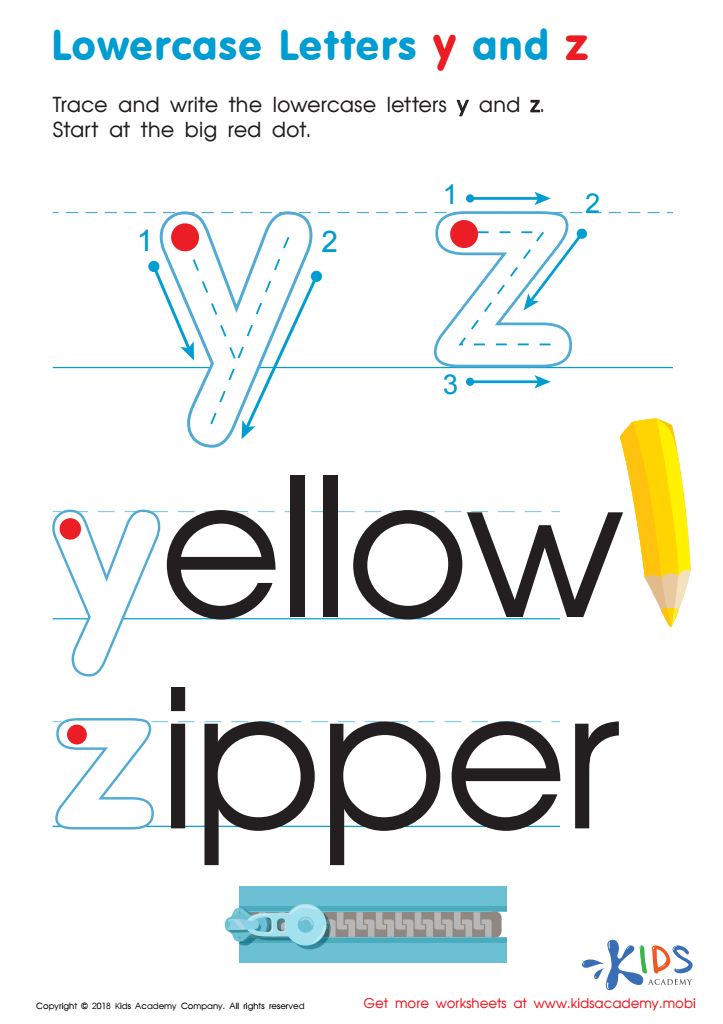
Lowercase Letters y z Worksheet
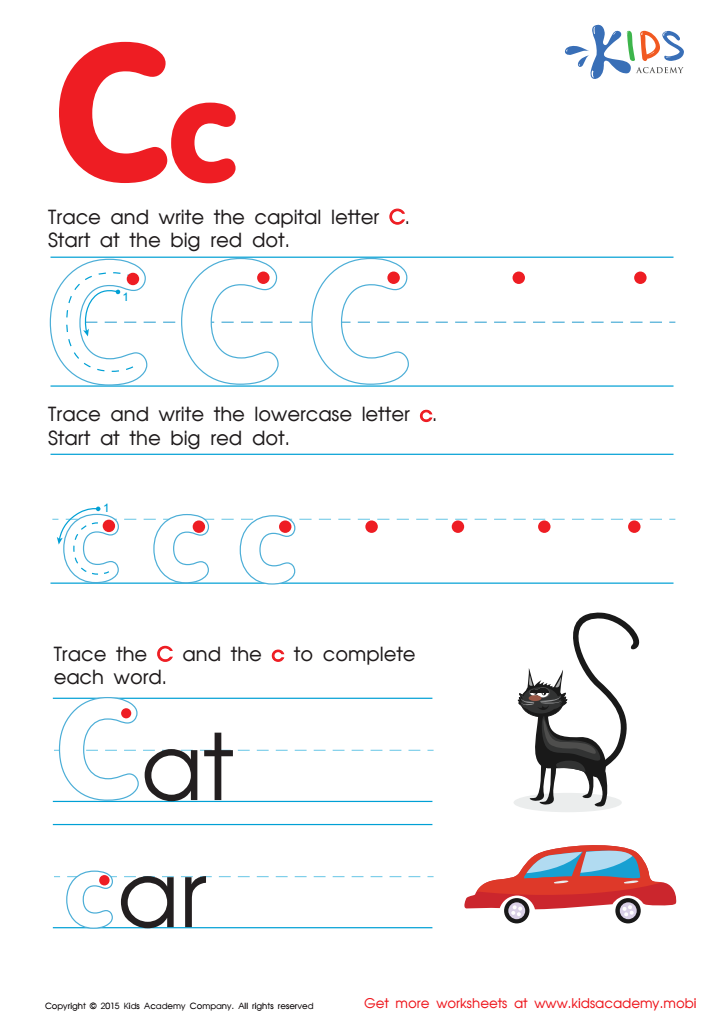
Letter C Tracing Page
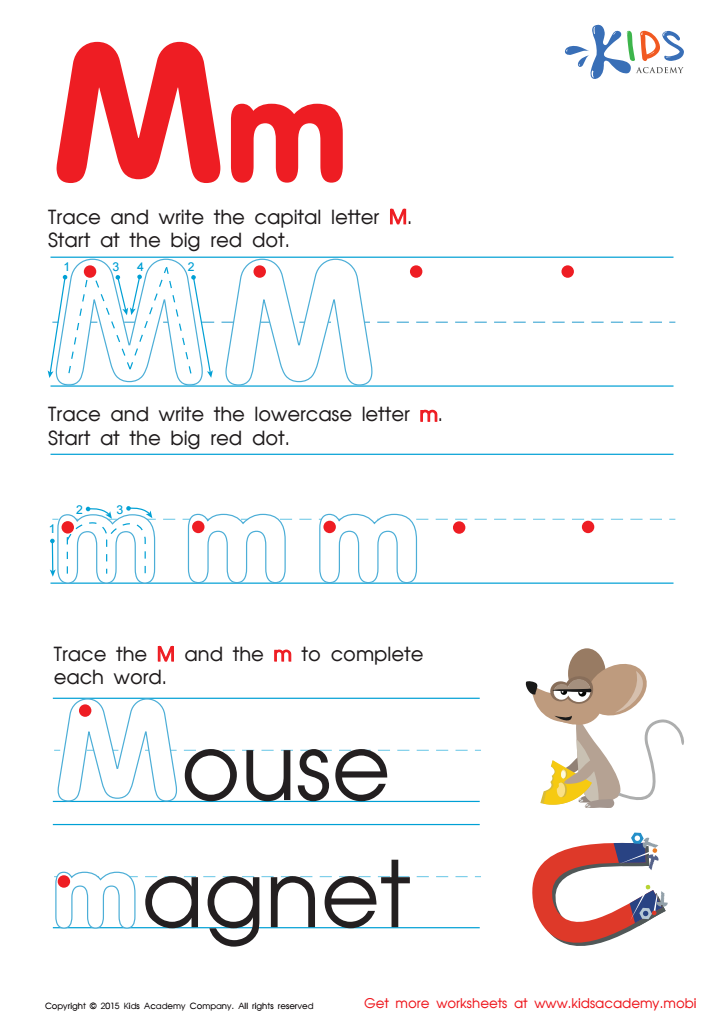
Letter M Tracing Page

Lowercase Letters j k l Worksheet
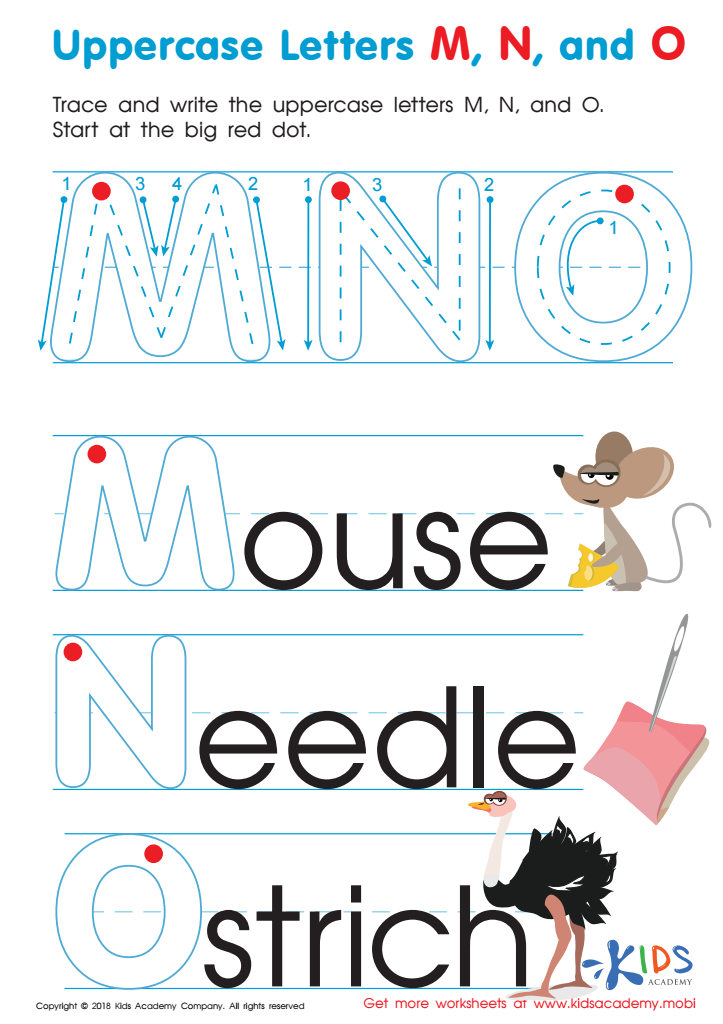
Uppercase Letters M, N, and O Worksheet
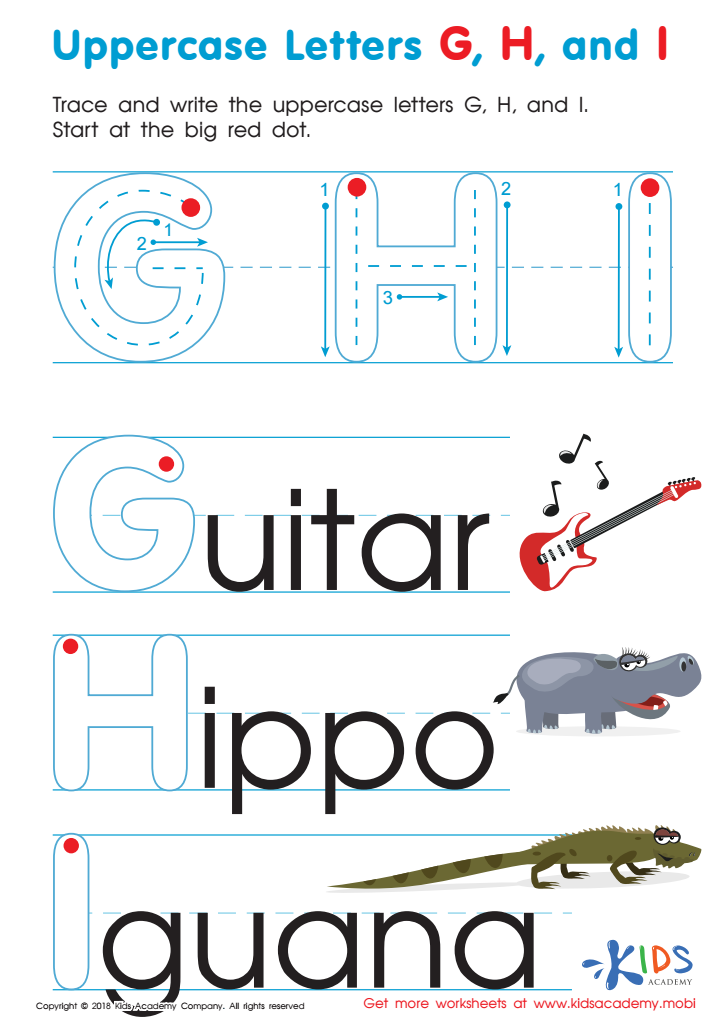
Uppercase Letters G, H, and I Worksheet
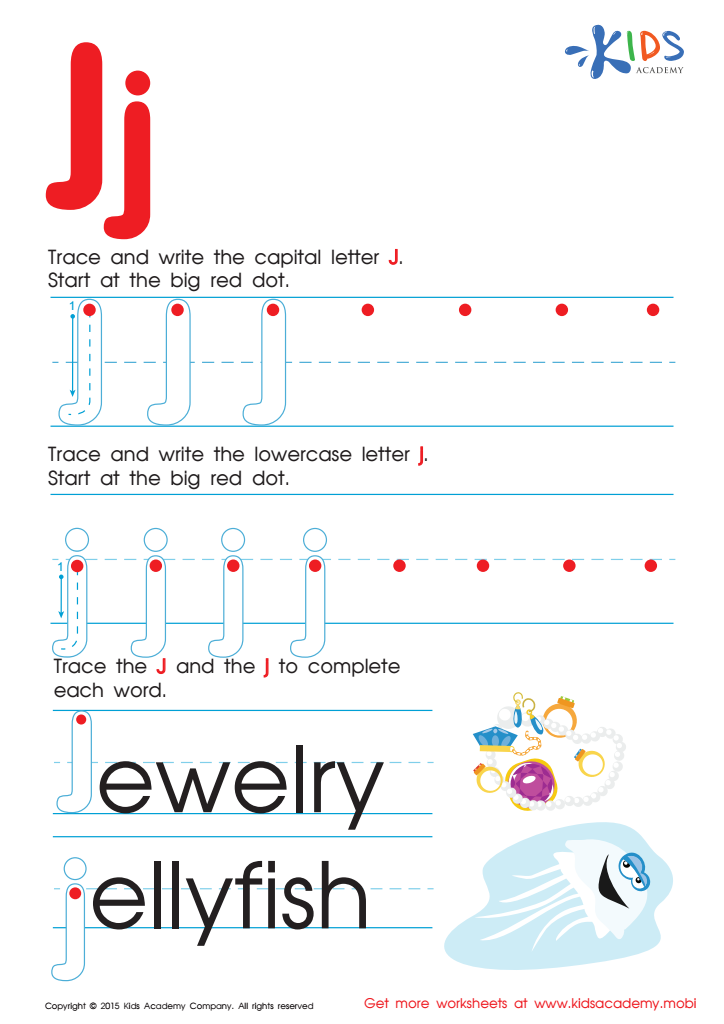
Letter J Tracing Page
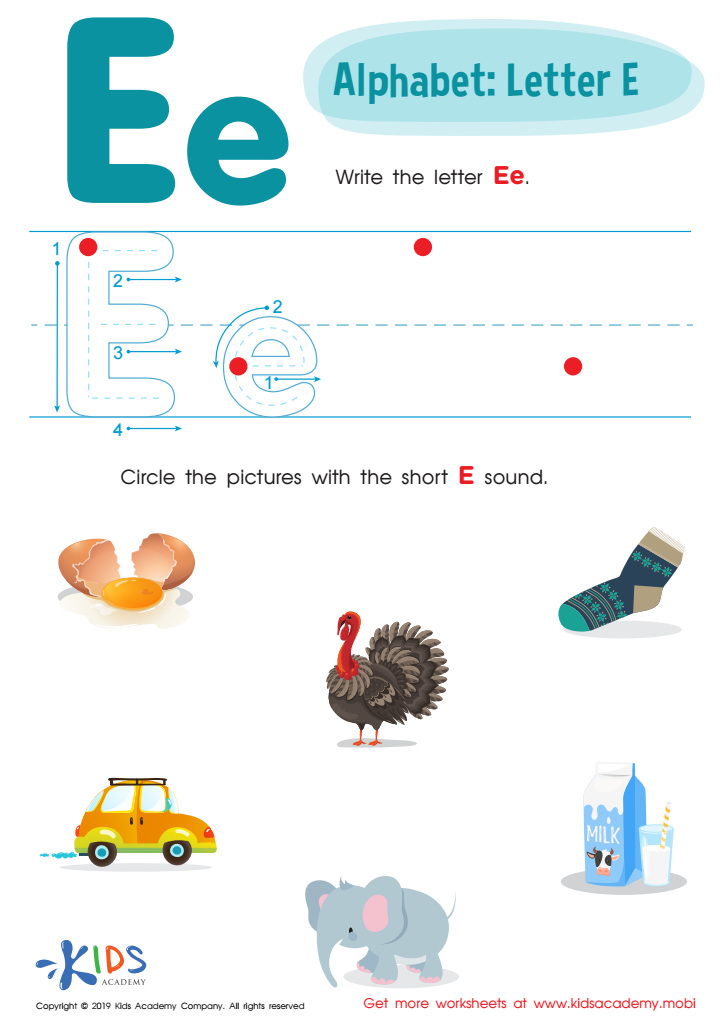
Letter E Tracing Worksheet
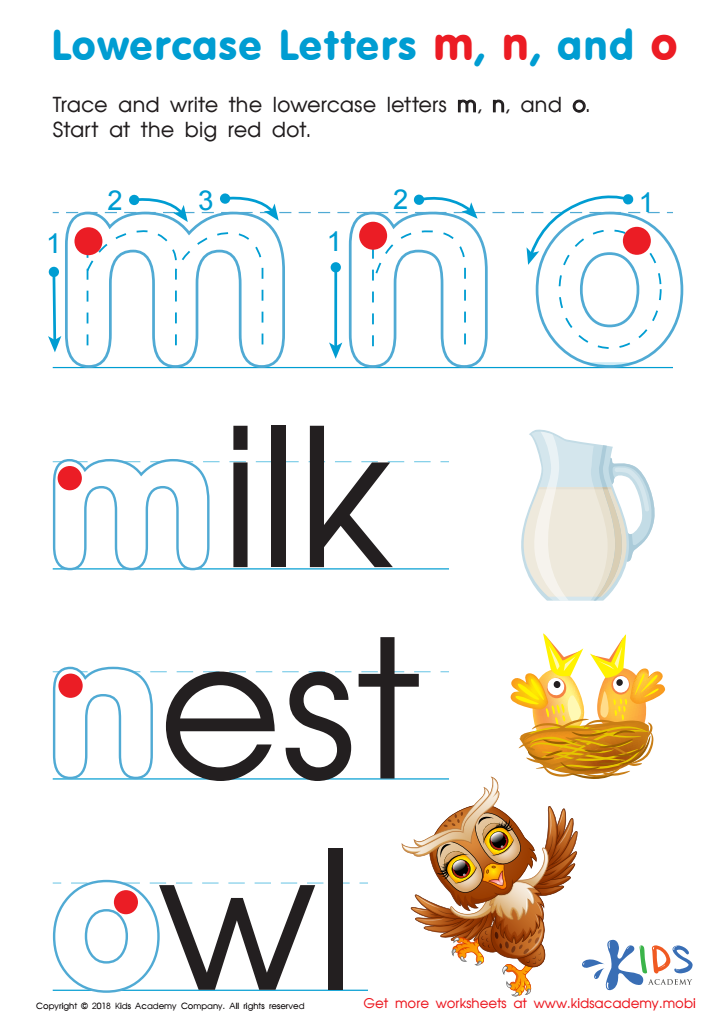
Lowercase Letters m n o Worksheet
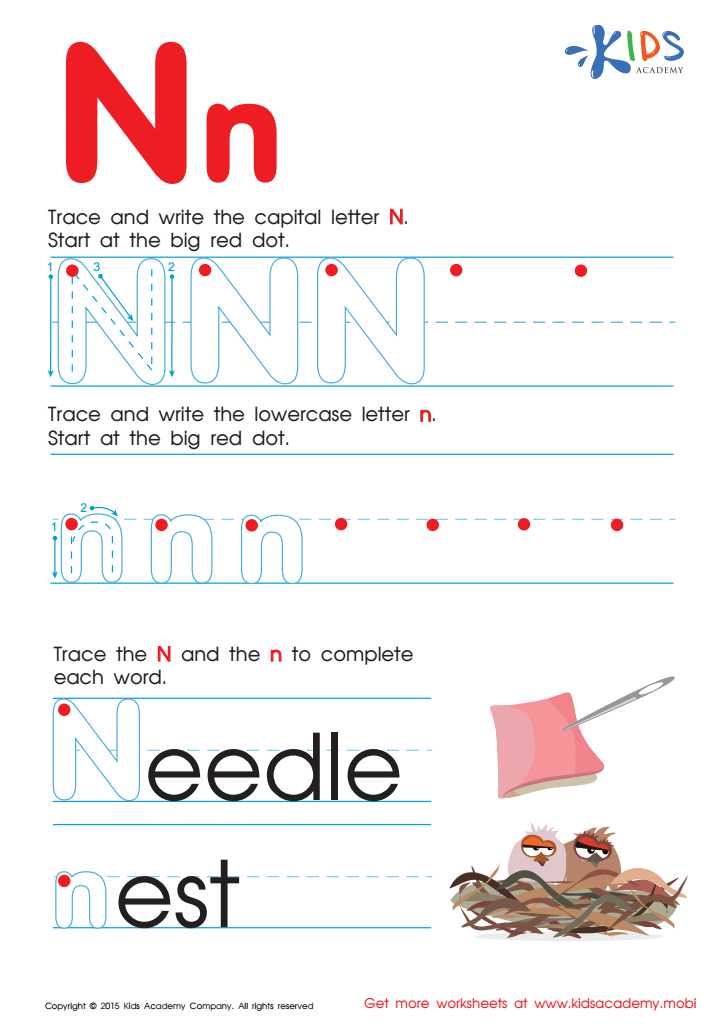
Letter N Tracing Page
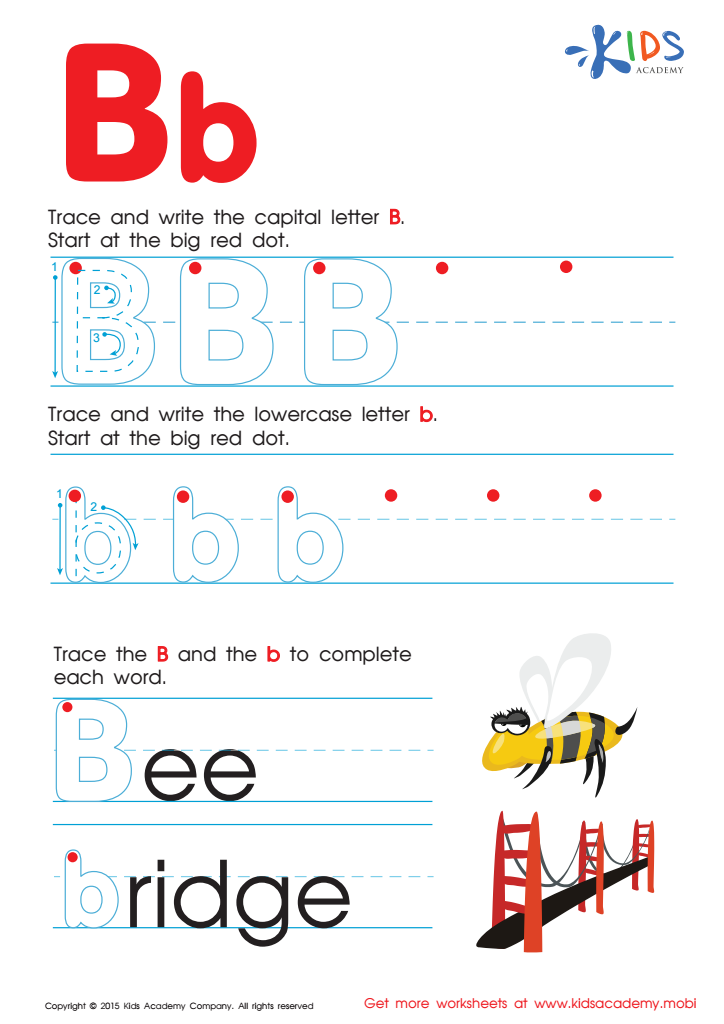
Letter B Tracing Page
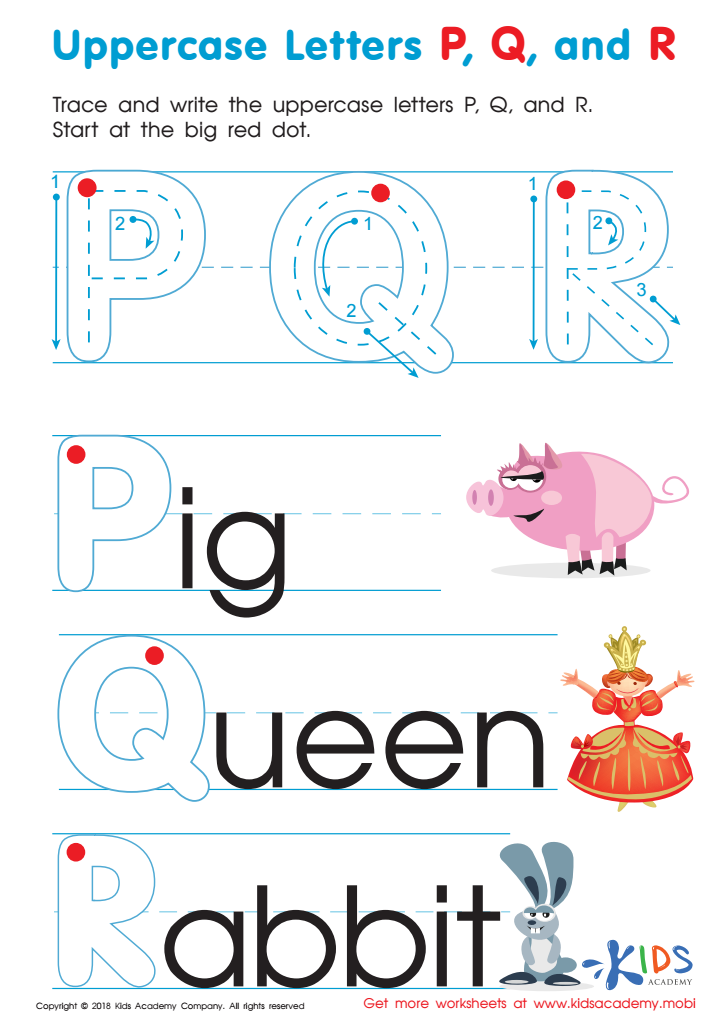
Uppercase Letters P, Q, and R Worksheet
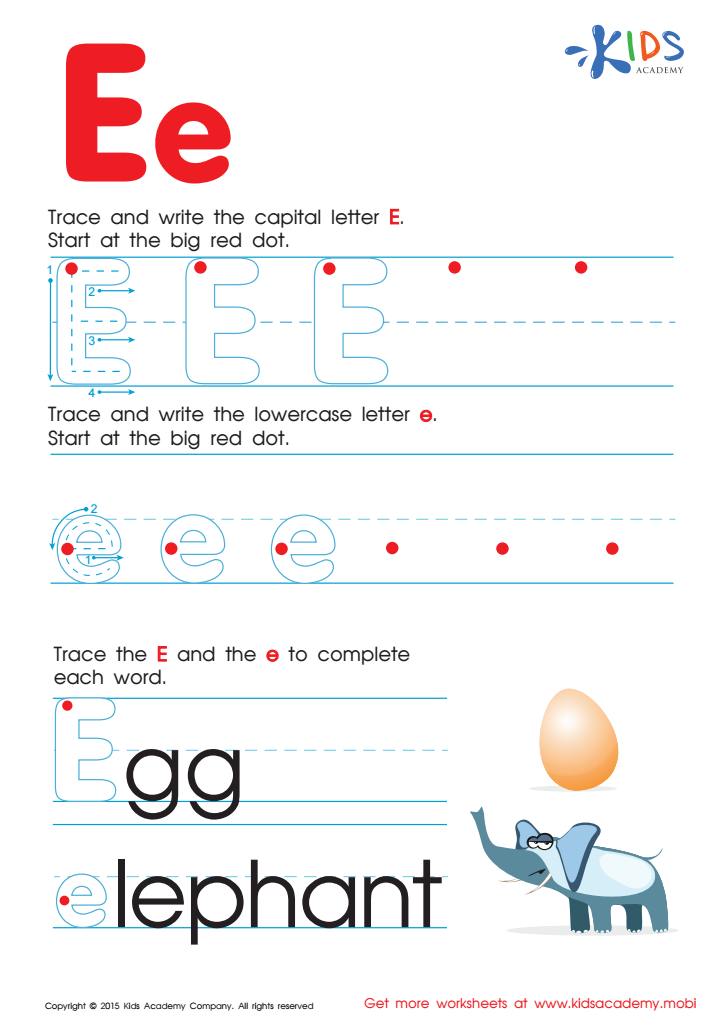
Letter E Tracing Page
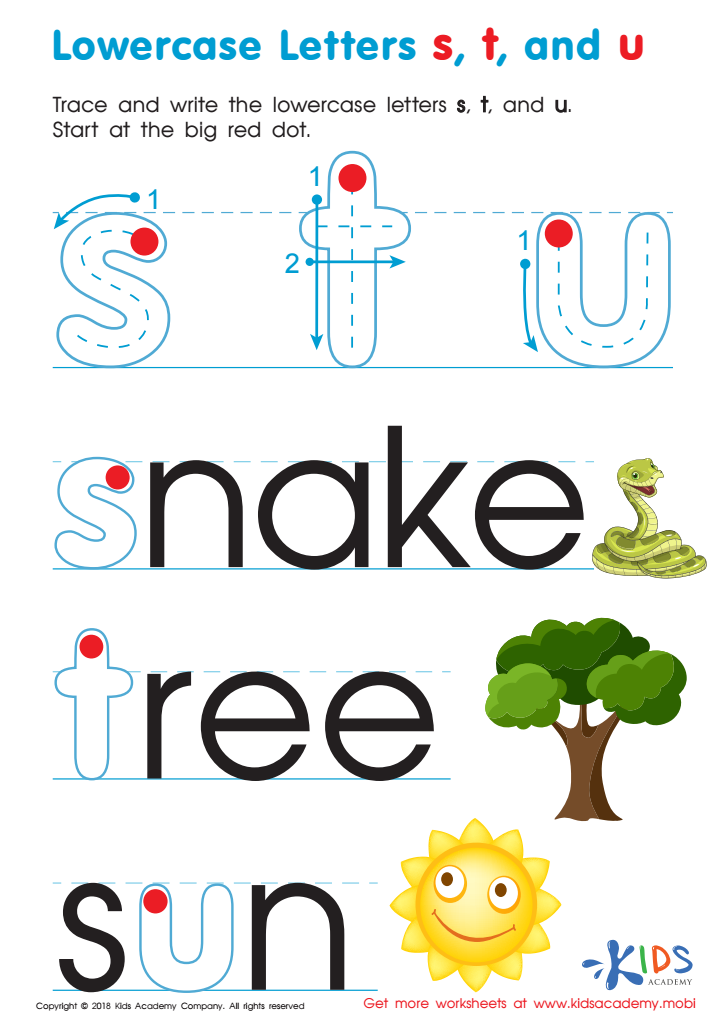
Lowercase Letters s t u Worksheet
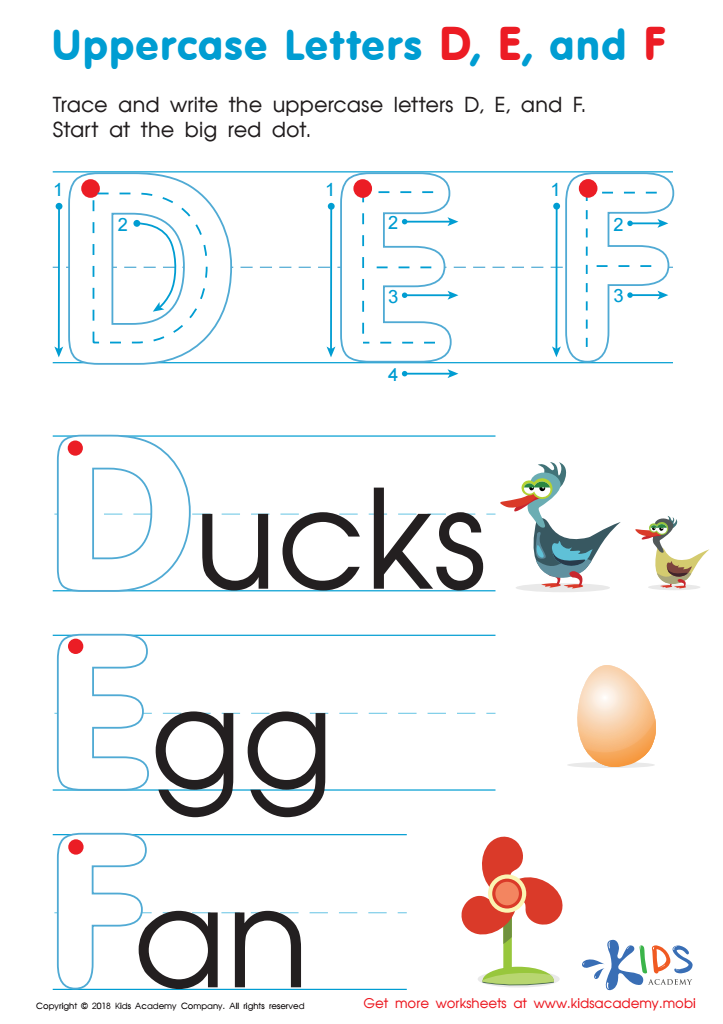
Uppercase Letters D, E, and F Worksheet
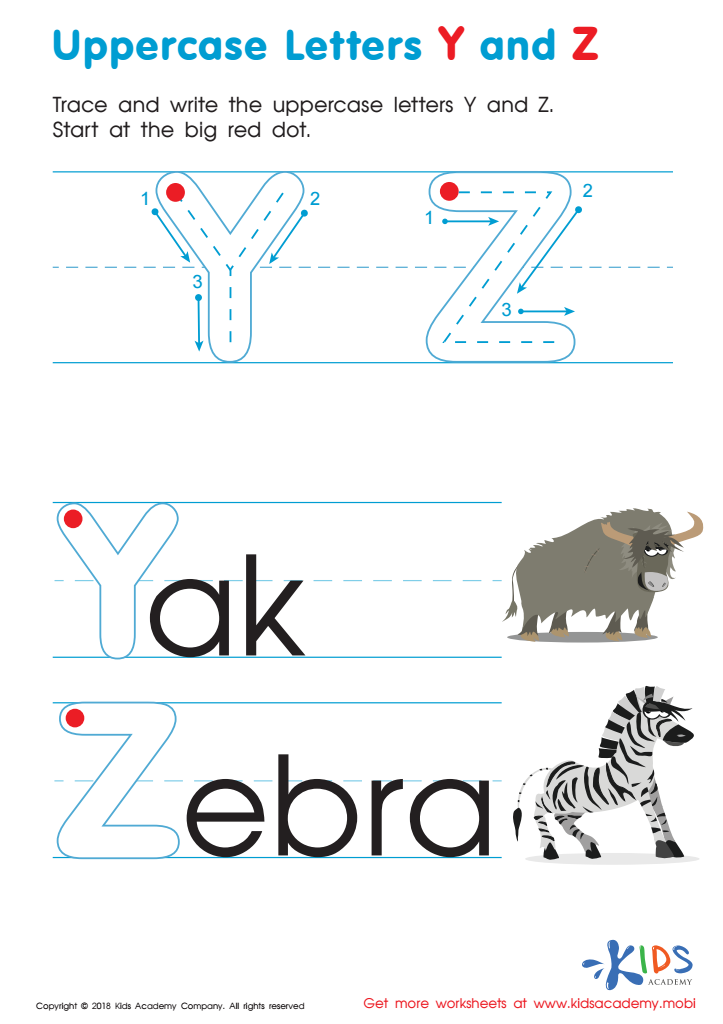
Uppercase Letters Y Z Worksheet
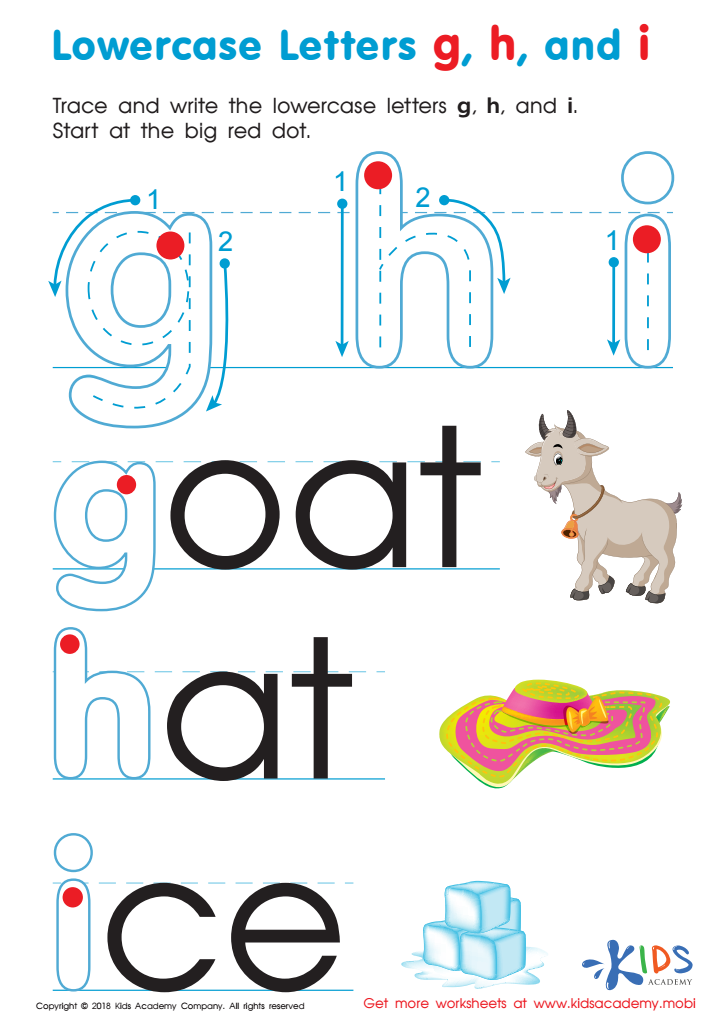
Lowercase Letters g h i Worksheet
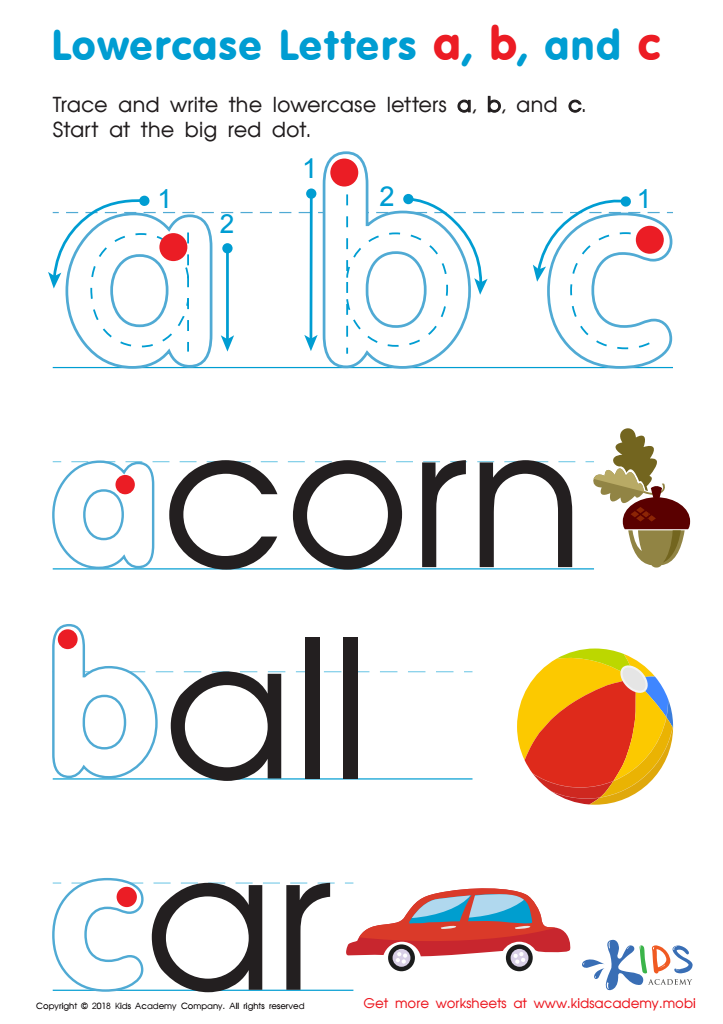
Lowercase Letters a b c Worksheet








Alphabet recognition and normal tracing letters are foundational skills essential for young learners, typically ages 5 to 7. These skills form the building blocks for reading and writing, which are critical components of a child's overall literacy development.
When children recognize and learn to trace letters, they are not just memorizing shapes and sequences, but also fostering essential cognitive and motor skills. The process of tracing helps fine-tune motor skills, improving hand-eye coordination and control, which are necessary for writing legibly. By repeatedly practicing tracing, children gain muscle memory for each letter's form, aiding fluency and efficiency in writing tasks.
Moreover, alphabet recognition is crucial for phonemic awareness, which is the understanding that letters represent specific sounds. This awareness is a key predictor of reading success, as it allows children to decode words, which is necessary for both reading and spelling.
For parents and teachers, investing time in alphabet recognition and tracing activities also allows for monitoring developmental progress, providing opportunities to intervene early if a child struggles. Early mastery of these skills leads to confidence and a positive attitude towards learning, setting the stage for academic success in multiple subjects. Emphasizing these activities supports a smooth transition into more complex literacy skills such as word formation, sentence construction, and eventually, fluent reading and creative writing.








