Lowercase identification Normal Upper & Lowercase Letters Worksheets for Ages 5-7
4 filtered results
-
From - To
Our "Lowercase Identification: Normal Upper & Lowercase Letters Worksheets" are designed for children ages 5-7 to seamlessly recognize and differentiate between lowercase and uppercase letters. These engaging worksheets foster early literacy skills, crucial for reading and writing development. Through fun and interactive exercises, young learners gain confidence in letter recognition, supporting their readiness for more advanced literacy challenges. Ideal for early grade teachers and parents alike, these printables are perfect for classroom activities or homeschooling sessions. Make letter learning an enjoyable experience with our expertly crafted worksheets, laying a strong foundation for your child's educational journey.
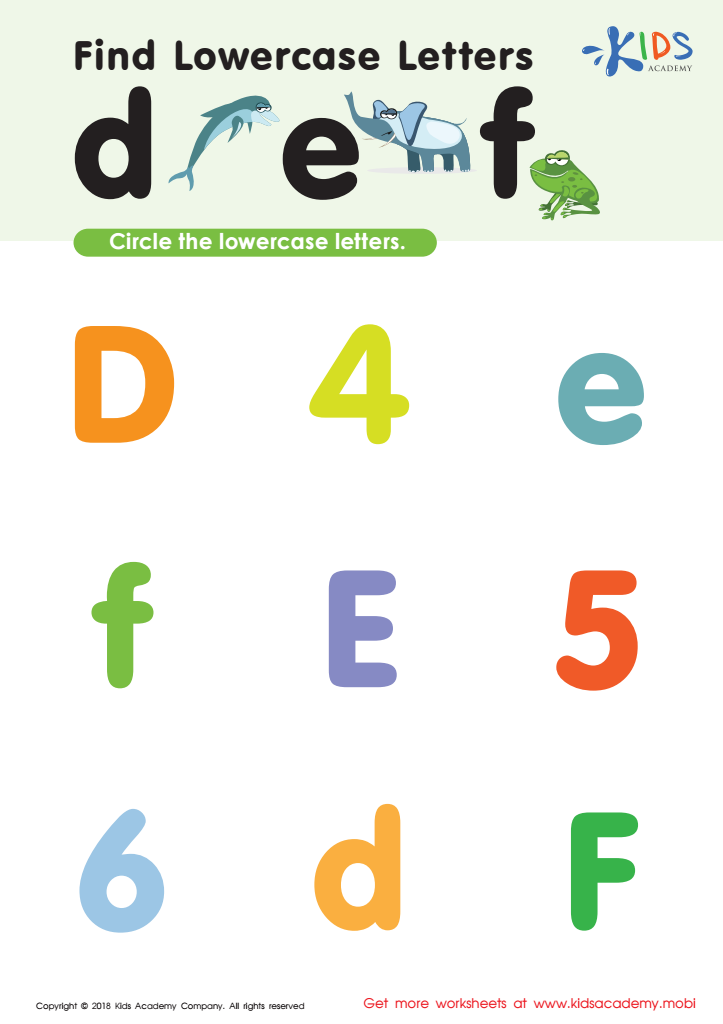
Find Lowercase Letters d e f Worksheet
 Assign to My Students
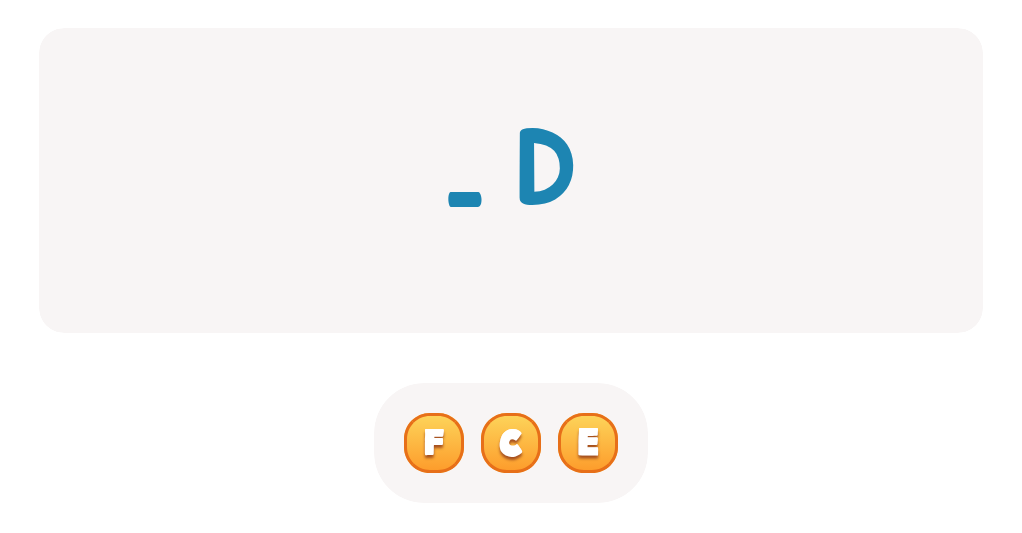

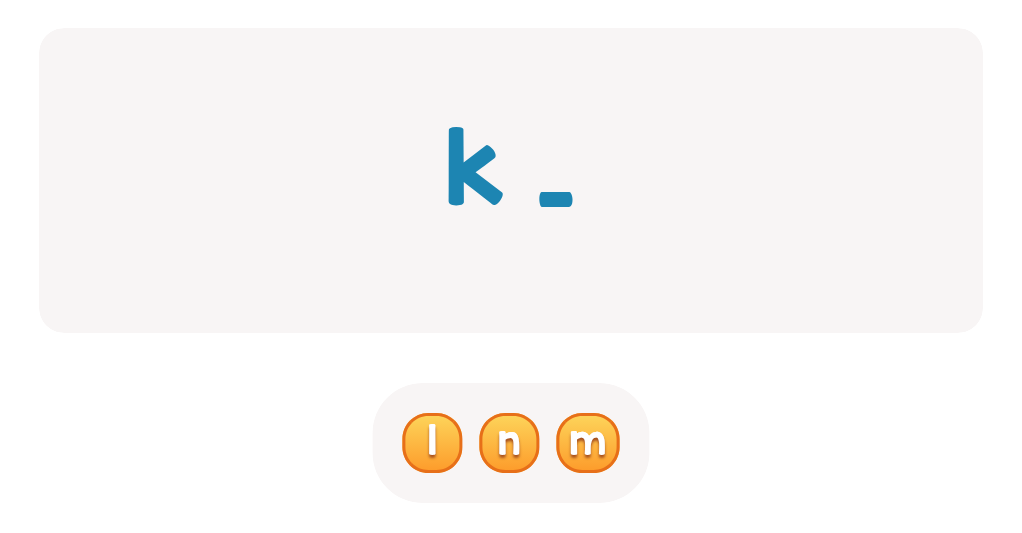
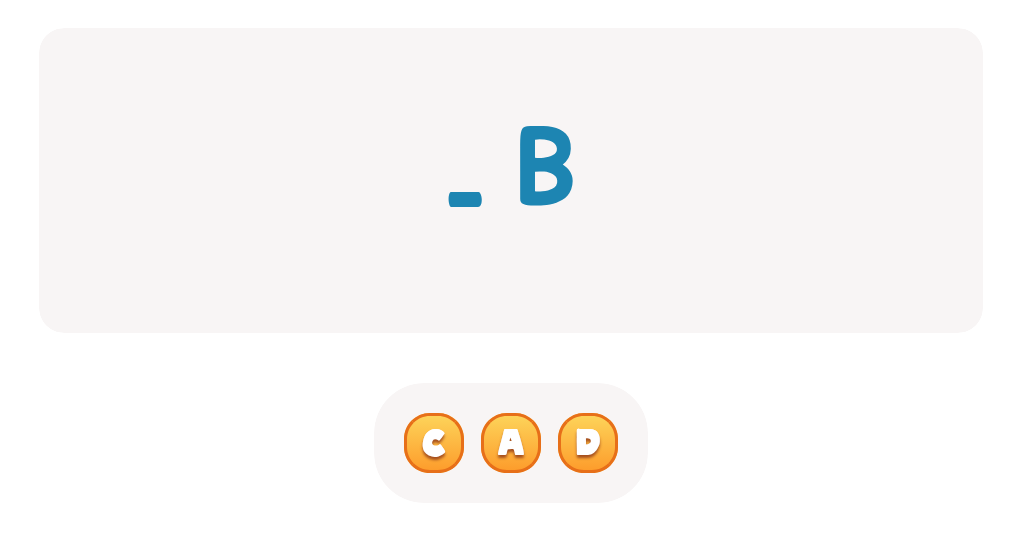
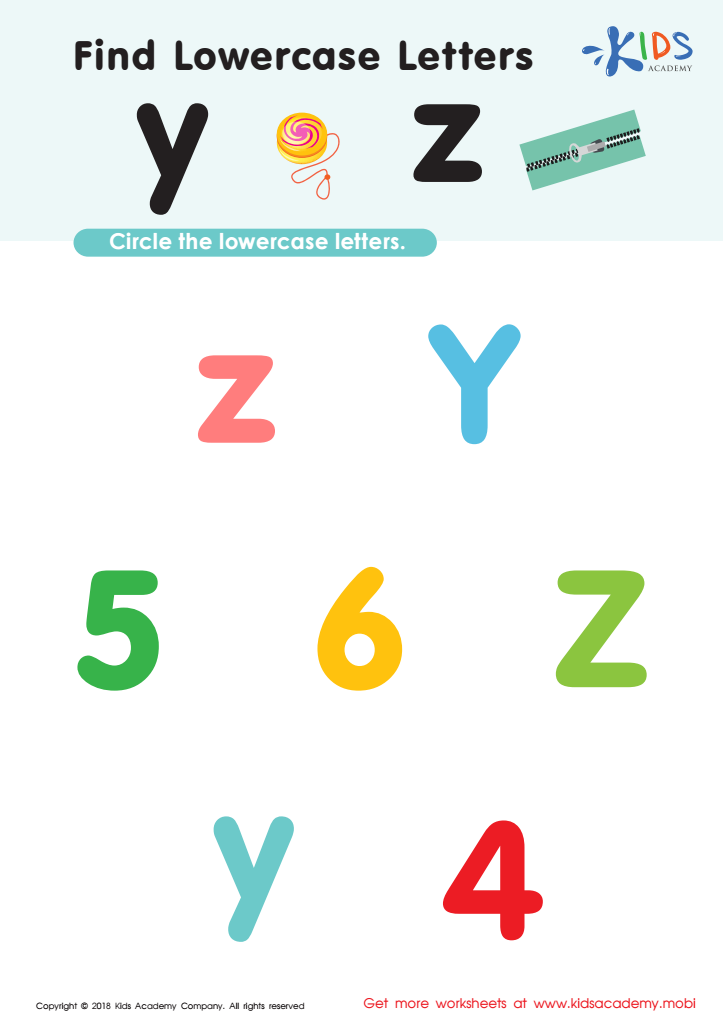
Find Lowercase Letters y z Worksheet
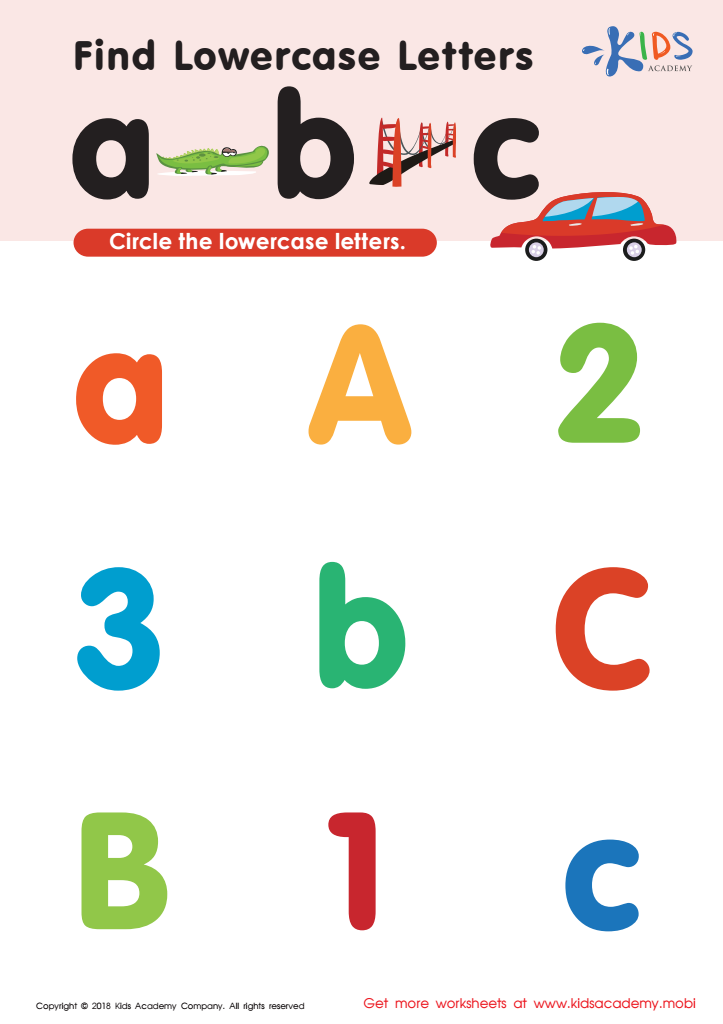
Find lowercase letters a b c Worksheet
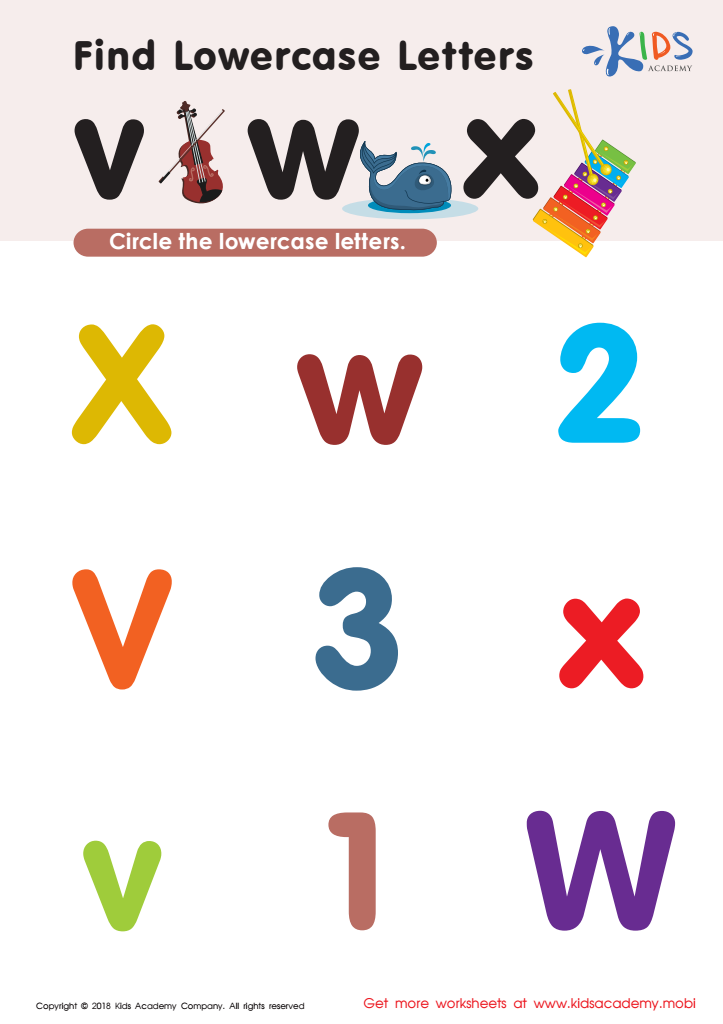
Find Lowercase Letters v w x Worksheet






Understanding and identifying both uppercase and lowercase letters are fundamental skills for early literacy development in children aged 5-7. Mastery of both cases enables young learners to read and write with ease and confidence. When children distinguish between uppercase and lowercase letters, they recognize that these letters carry the same sound and meaning, fostering their reading fluency.
Uppercase letters are often easier for children to learn first because of their simpler, straighter lines. However, most written text predominantly contains lowercase letters. Hence, developing proficiency with lowercase letters becomes crucial for effective reading of books, notes, signs, and more.
Additionally, writing in lowercase is an essential motor skill. Lowercase letters typically require more fine motor coordination due to their smaller sizes and distinct shapes. This progression helps improve handwriting skills, aiding in better overall academic performance.
Early competence in both cases is often linked to broader vocabulary and comprehension skills, as children who can effortlessly recognize and use a range of letters are more likely to engage actively in reading and writing exercises. Supporting children in mastering lowercase identification complements their literacy journey, making them more adept learners and capable communicators. Engaging parents and teachers in this foundational phase is vital to nurturing lifelong literacy skills.







