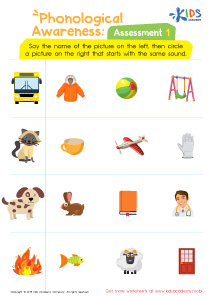
Reading Improvement Normal Vowels Worksheets for Ages 5-7
5 filtered results
Difficulty Level
Grade
Age
-
From - To
Subject
Activity
Standards
Transform your child's reading skills with our "Reading Improvement Normal Vowels Worksheets" designed for ages 5-7. These engaging worksheets focus on mastering vowels, enhancing phonetic understanding, and boosting early reading proficiency. Each fun activity encourages young readers to identify, pronounce, and use vowels effectively within words, laying a solid foundation for reading success. Perfect for both classrooms and at-home learning, our expertly crafted worksheets ensure kids stay motivated and make significant progress in their reading journey. Help your child discover the joy of reading with our innovative, educational resources today!
Favorites
With answer key
Interactive
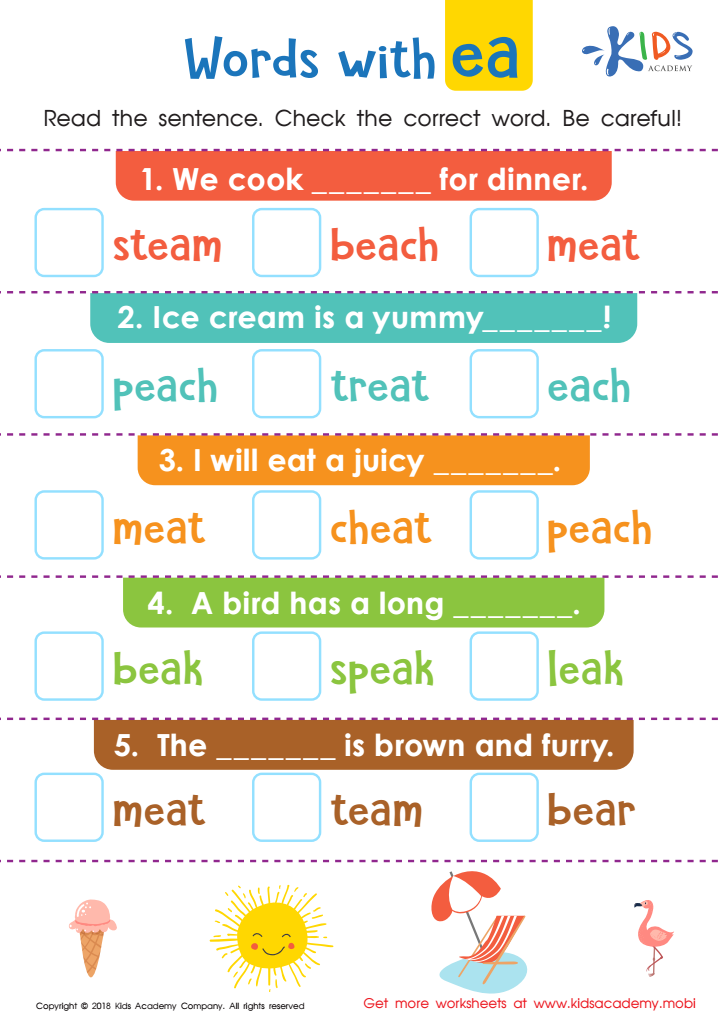
Words with ea Worksheet
Beginning readers may struggle with -ea vowel digraphs, which can have multiple sounds and be tricky to decode. This cheerful worksheet helps kids practice reading sentences with missing -ea words, using context clues to fill in the blanks. They'll also be exposed to various -ea sound examples, and build their sight word knowledge.
Words with ea Worksheet
Worksheet
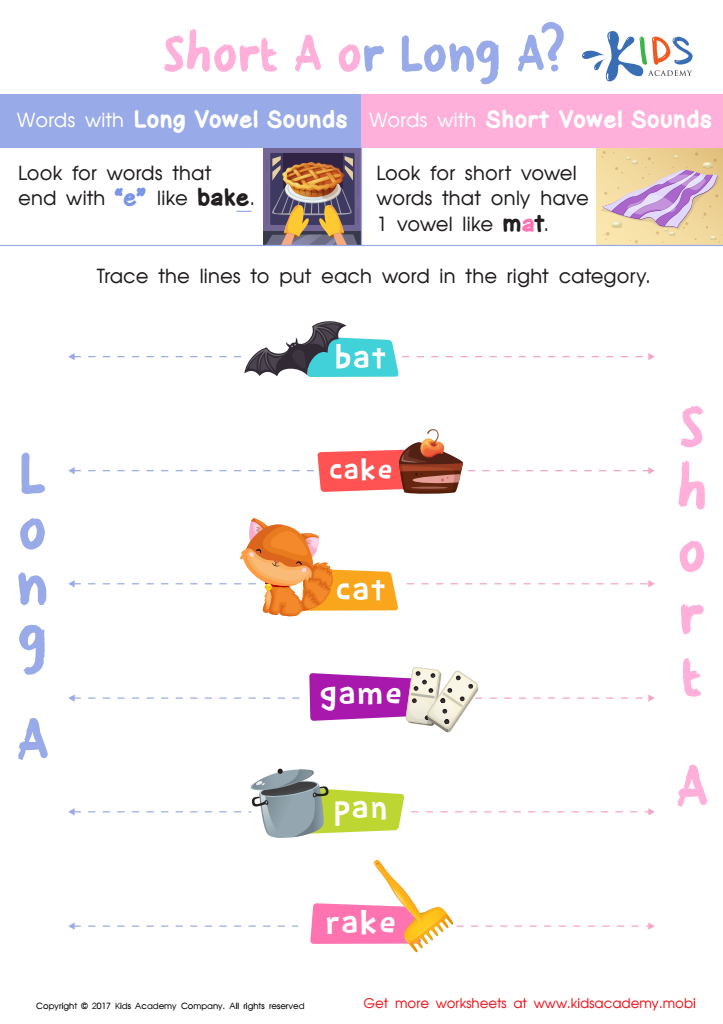
Short /a/ or Long /a/? Worksheet
Phonetics and its sounds can be tricky for kids. They can read and spell, but long and short vowels might be difficult. Use this phonetic worksheet to teach them to identify words with the short /a/ or long /a/ sound. Kids have to find the words ending with 'e' (long sound) and words with one vowel (short sound, e.g. 'mat'). Colourful printout makes it fun and easy to learn!
Short /a/ or Long /a/? Worksheet
Worksheet
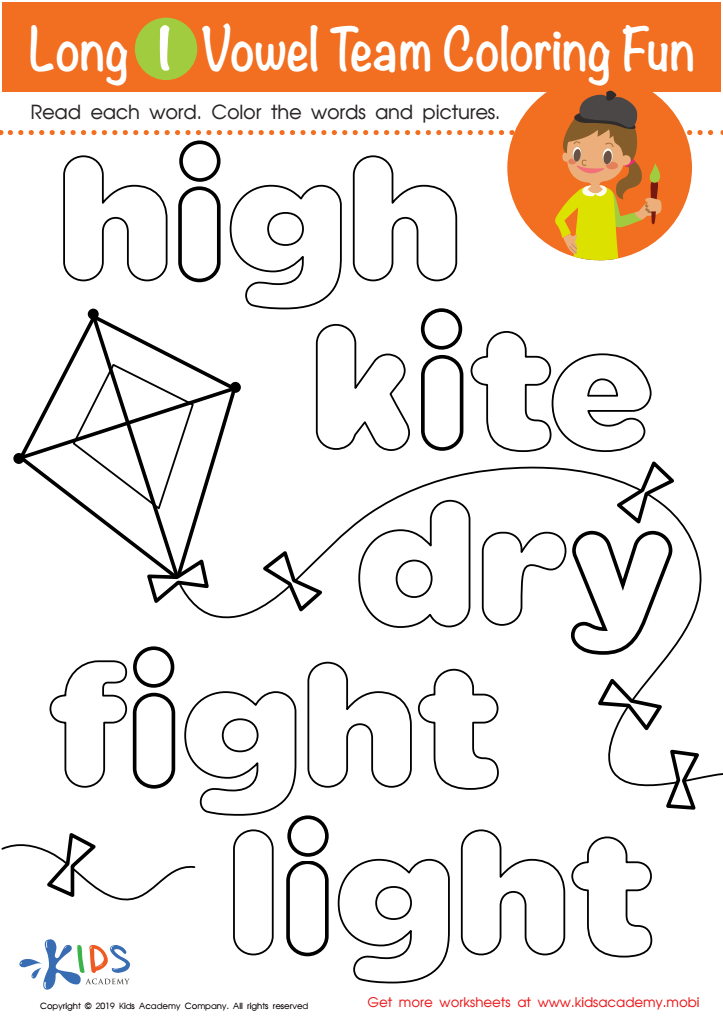
Long I Vowel Team Coloring Worksheet
This worksheet provides practice with letter combinations that make the long "i" sound while enhancing creativity and motor skills with a fun coloring activity. Unknowingly, new readers learn key phonics skills while having fun!
Download (PDF)
 Assign to My Students
Assign to My Students
Long I Vowel Team Coloring Worksheet
Worksheet
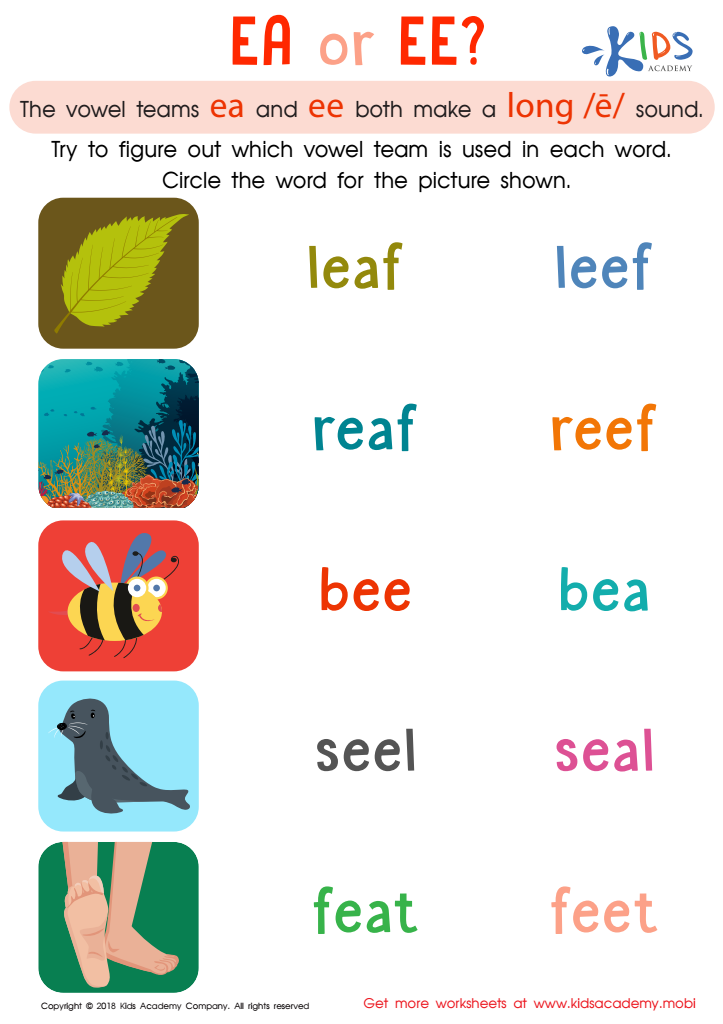
Reading: EA and EE Worksheet
Confused by the long E sound's varying spellings? Give students practice with this printable. It will improve their reading and spelling skills by helping them identify the correct spellings for words with the /ee/ and /ea/ vowel teams. Clear up the confusion and sharpen their skills.
Reading: EA and EE Worksheet
Worksheet
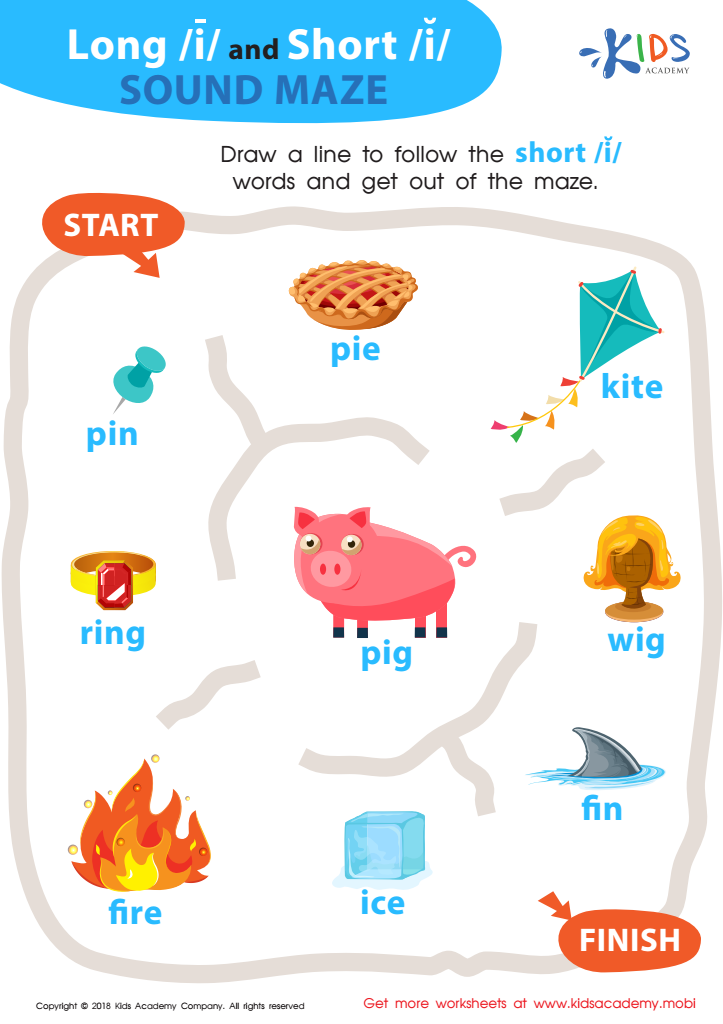
Reading: Long I and Short I Sound Maze Worksheet
Question your students if the worksheet is entertaining. They may respond negatively! Nonetheless, this activity will bring satisfaction while learning the distinction between a long and short I sound. Students read the words in the maze and only follow the words with the short I sound to finish the exercise. Grasping the difference between long and short vowels is demanding, but this worksheet helps students understand this reading skill.
Reading: Long I and Short I Sound Maze Worksheet
Worksheet
Join Kids Academy for Free
Who is primarily going to use this learning content?





Understanding and improving normal vowel recognition in children ages 5-7 is crucial because this period marks the foundational years of their literacy development. For both parents and teachers, ensuring that children can recognize and sound out vowels accurately is essential for several reasons.
Firstly, vowels are the building blocks of most words. Mastery of vowels enhances phonemic awareness, which is the ability to hear, identify, and manipulate individual sounds in words. This skill is fundamental for successful reading and spelling.
Secondly, early proficiency in vowels aids in forming a solid base for word decoding. When children can decode words easily, it boosts their reading fluency. Fluent readers can concentrate more on comprehension since they spend less time struggling to decipher words. This leads to a more enjoyable reading experience, fostering a lifelong love for books and learning.
Additionally, research shows a strong correlation between early literacy skills and later academic performance. Children who develop robust reading abilities at an early age are more likely to perform well across various subjects as they progress through school.
Lastly, by focusing on vowel recognition and reading improvement early on, parents and teachers can identify and address potential reading difficulties promptly, providing the support needed to overcome any challenges. This early intervention can prevent future academic struggles, setting children on a path to success.