Letter recognition Normal English for Beginners Worksheets for Ages 5-7
19 filtered results
-
From - To
Our "Letter Recognition Normal English for Beginners Worksheets for Ages 5-7" are designed to offer fun, engaging activities for early learners. These printable worksheets introduce children to the fundamentals of English letters, helping them recognize and write each letter with ease. Perfect for ages 5-7, these activities improve literacy skills and build a strong foundation for reading and writing. Ideal for both classroom and at-home practice, our worksheets make learning enjoyable and effective, paving the way for educational success. Give your child the tools they need to excel with our expert-crafted letter recognition resources.
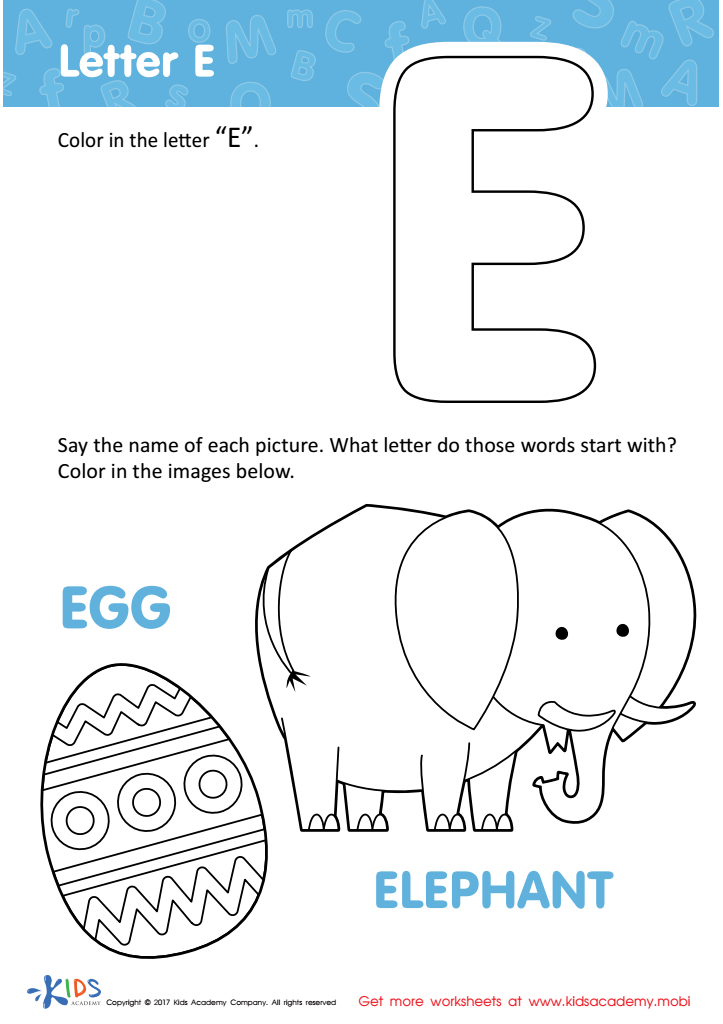
Letter E Coloring Sheet
 Assign to My Students
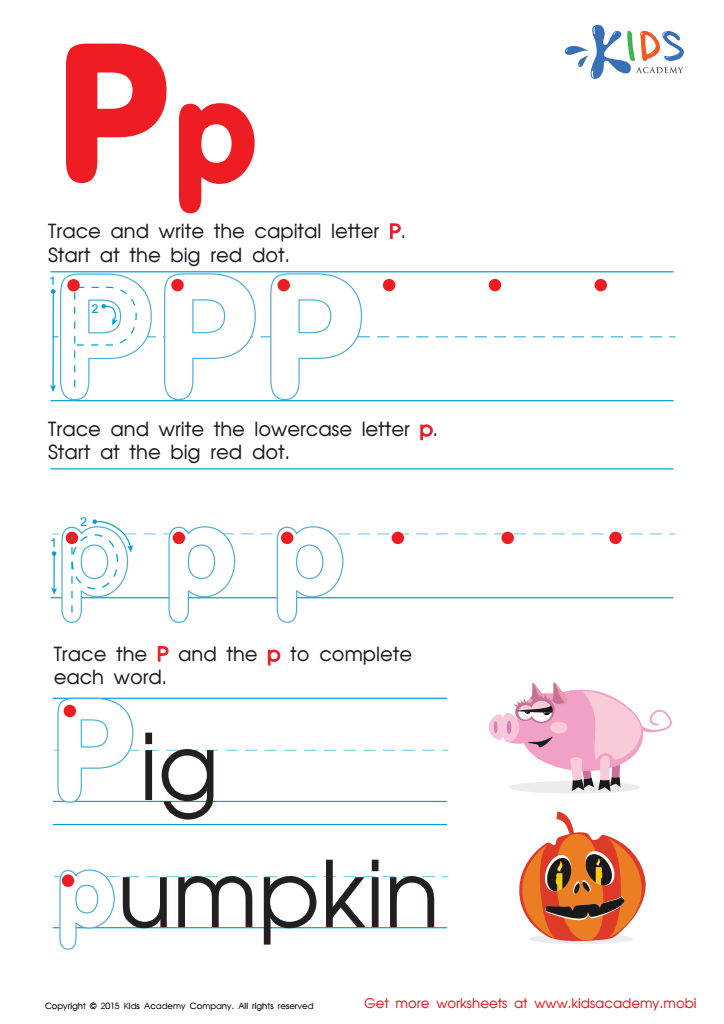
Letter P Tracing Page
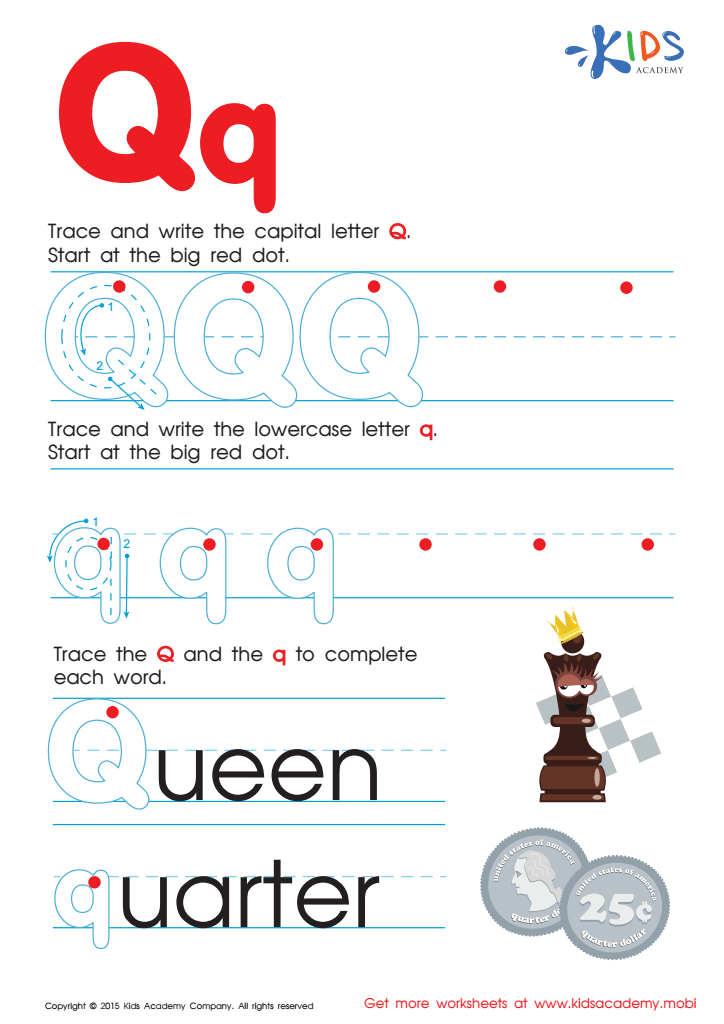
Letter Q Tracing Page
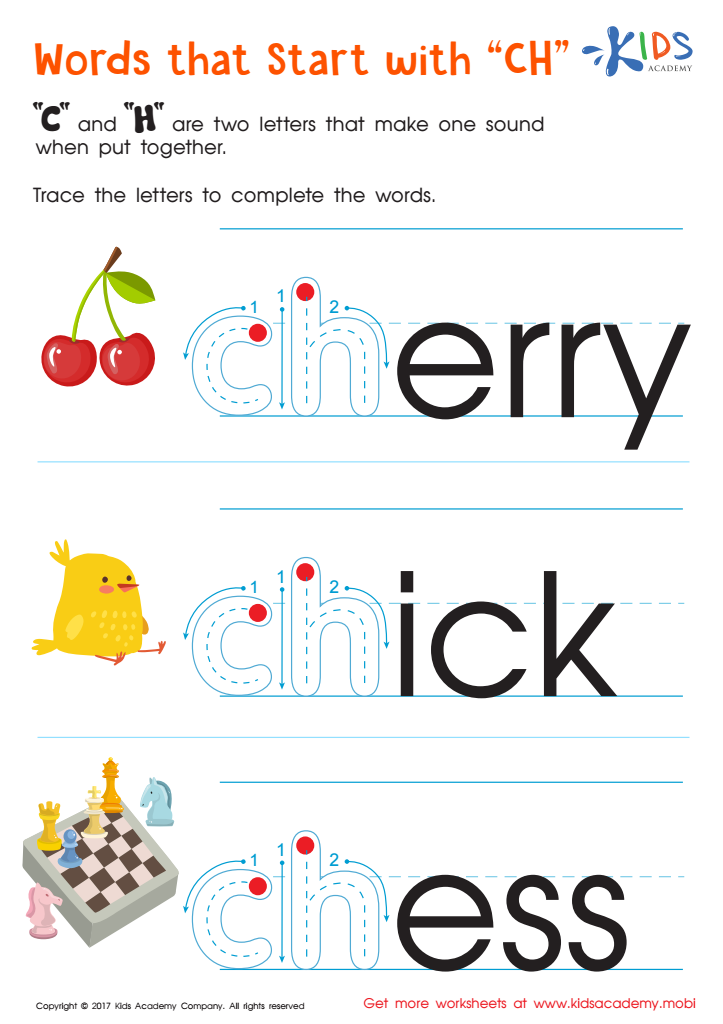
Words That Start with "ch" Spelling Worksheet

Letter H Tracing Page
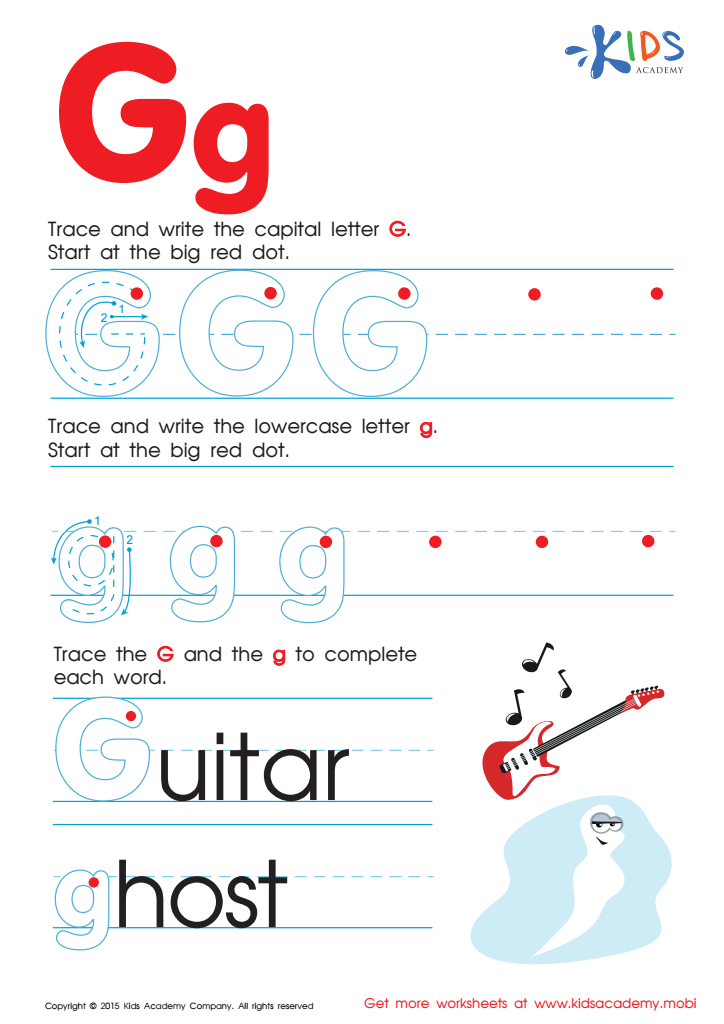
Letter G Tracing Page
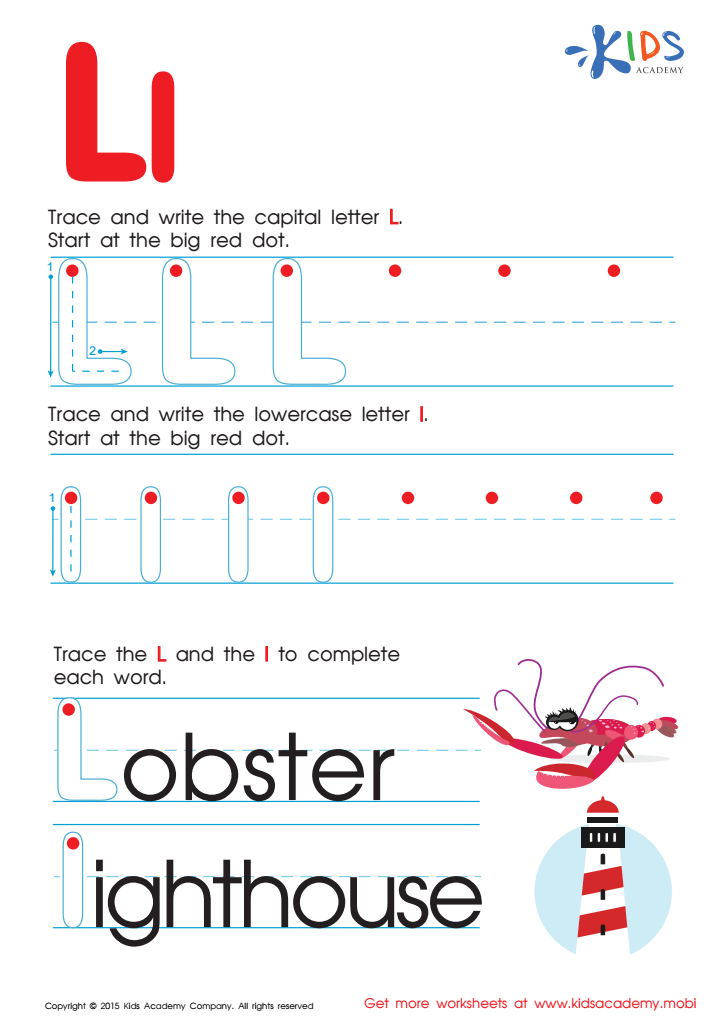
Letter L Tracing Page
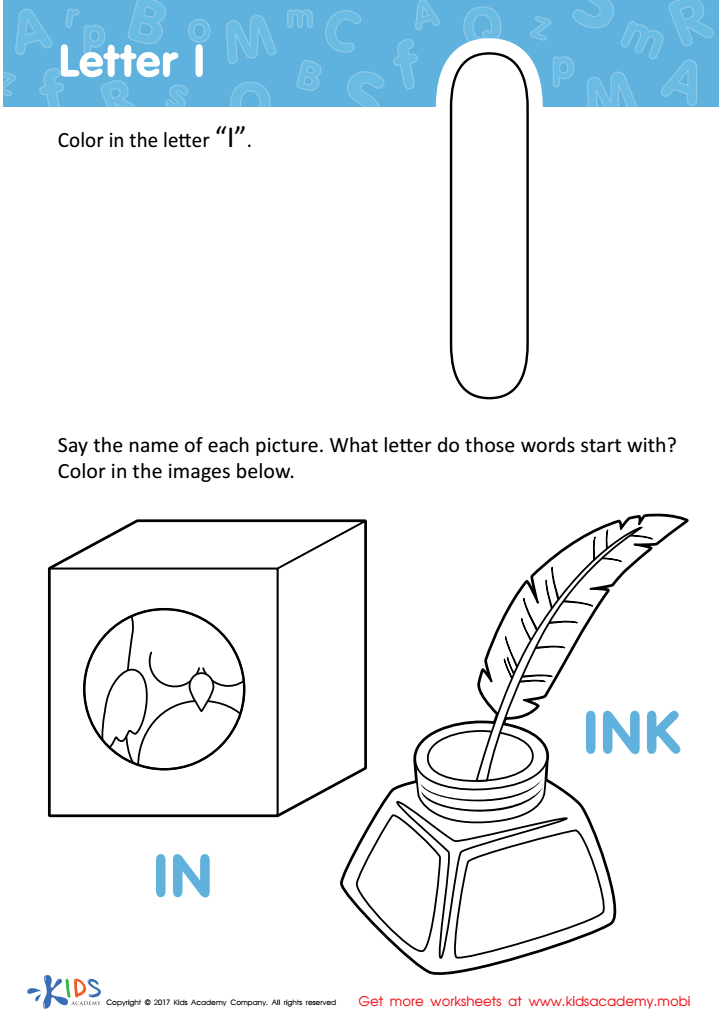
Letter I Coloring Sheet
Assign to My Students

Long and Short U Worksheet
Assign to My Students
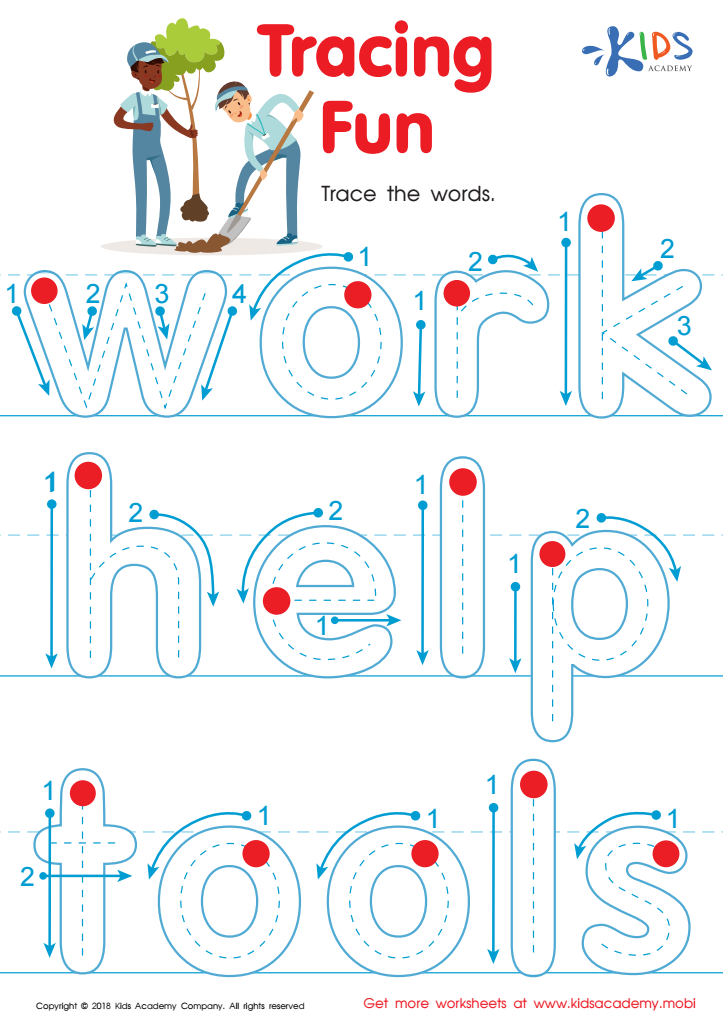
Tracing Fun Worksheet

Letter A Tracing Worksheet
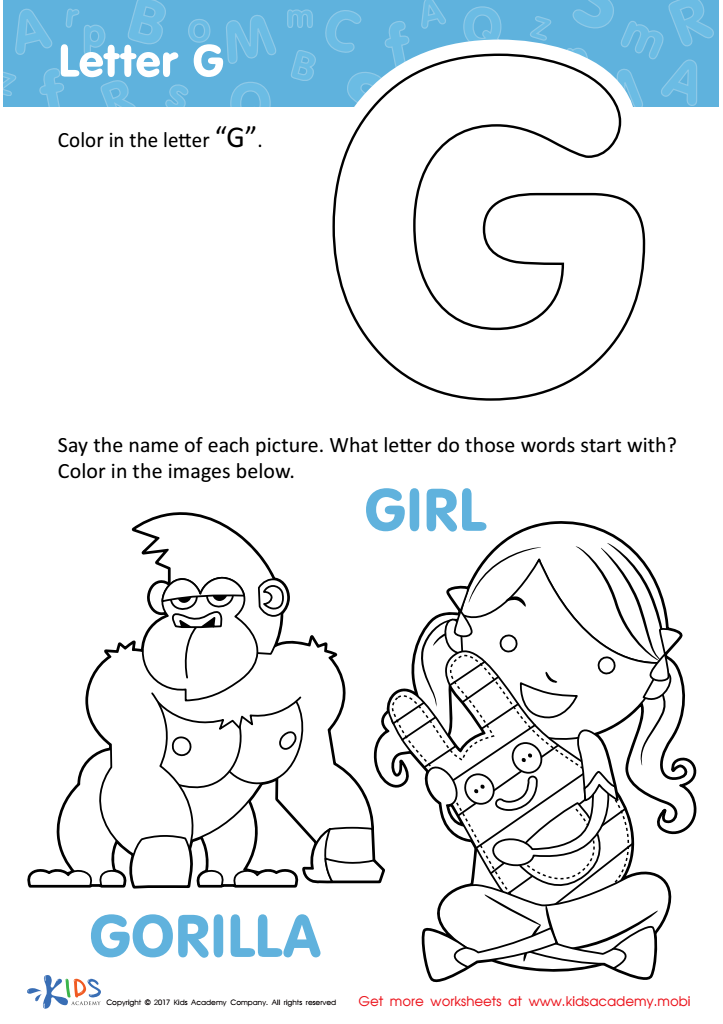
Letter G Coloring Sheet
Assign to My Students
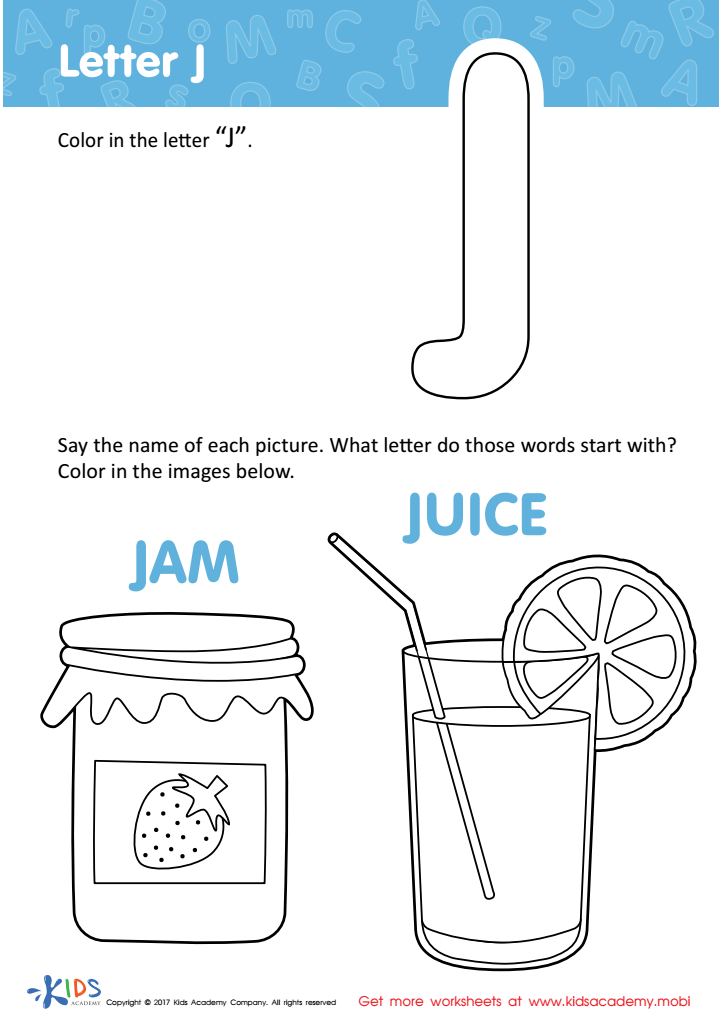
Letter J Coloring Sheet
Assign to My Students
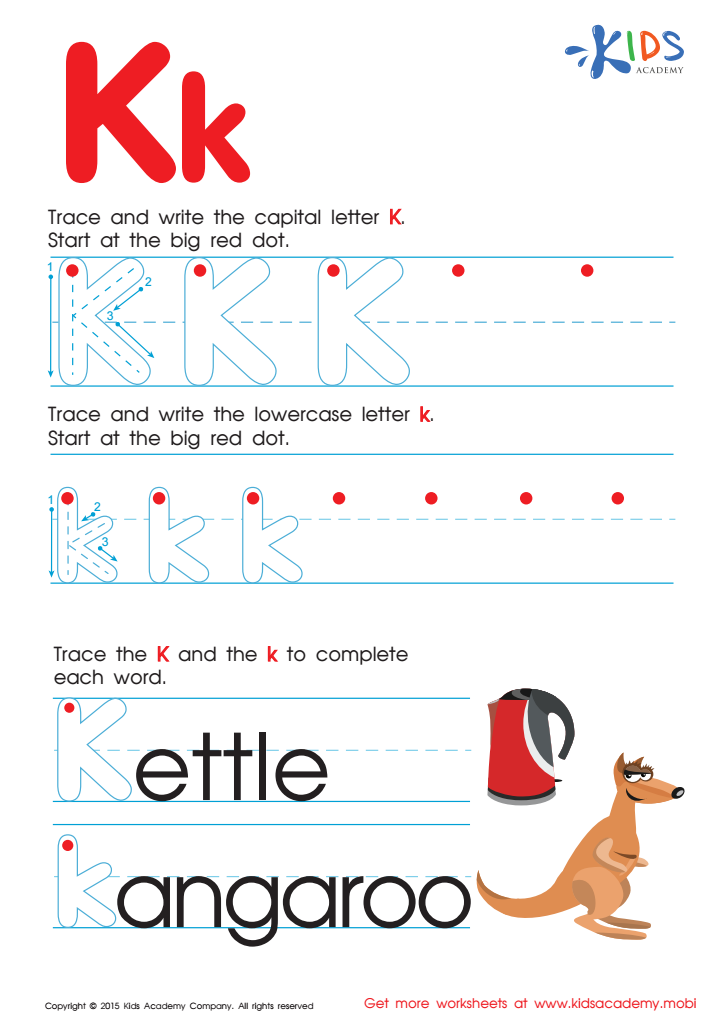
Letter K Tracing Page
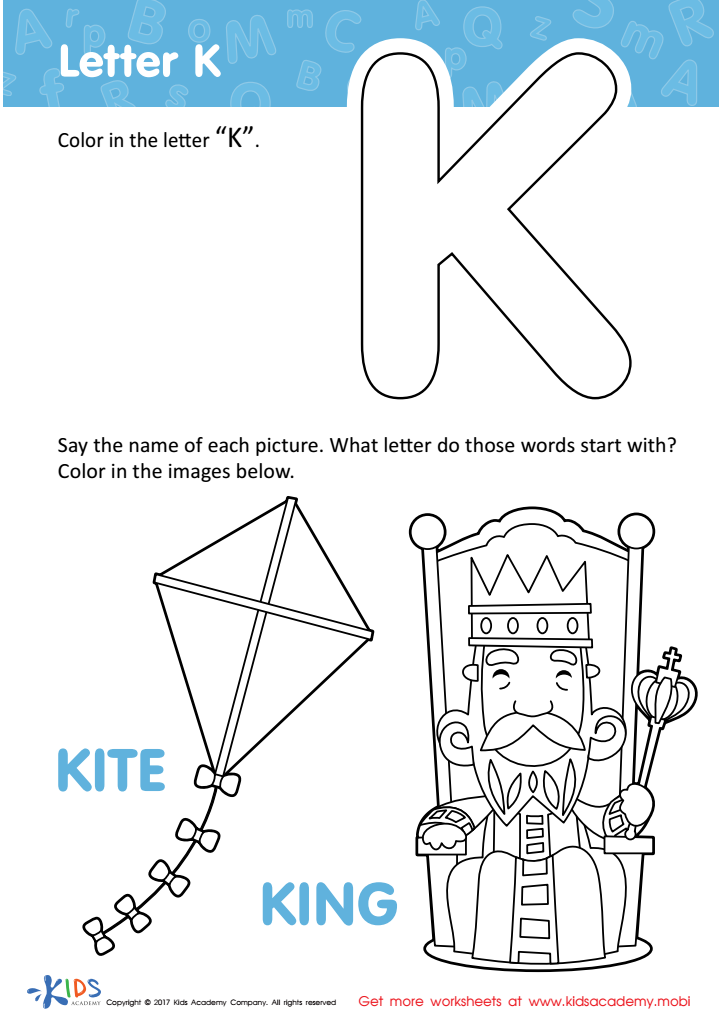
Letter K Coloring Sheet
Assign to My Students
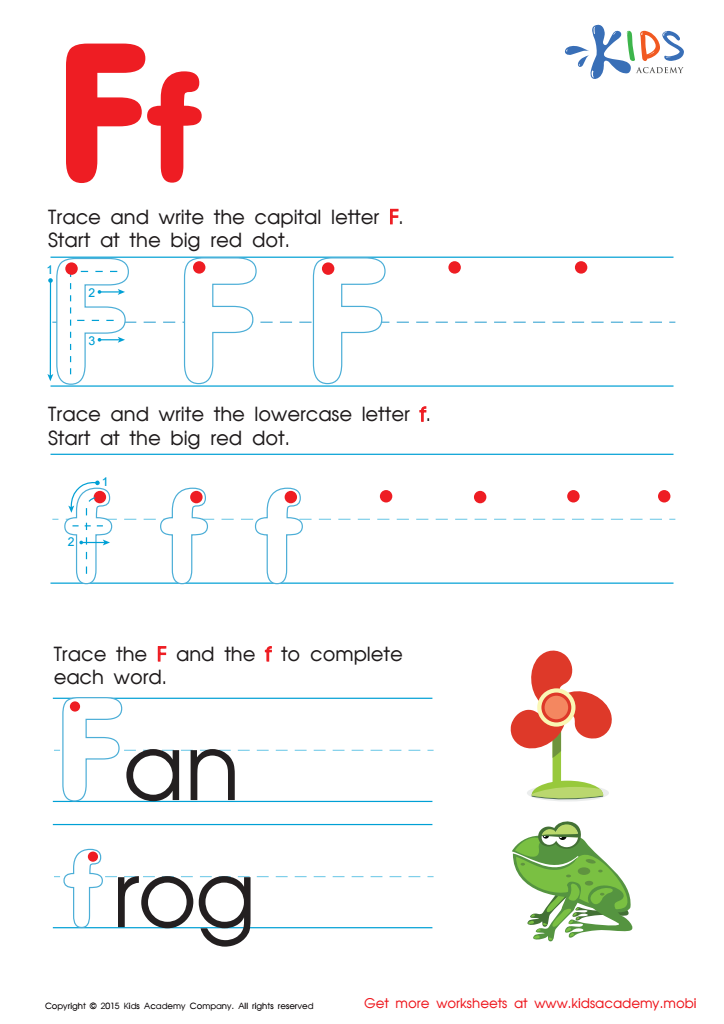
Letter F Tracing Page
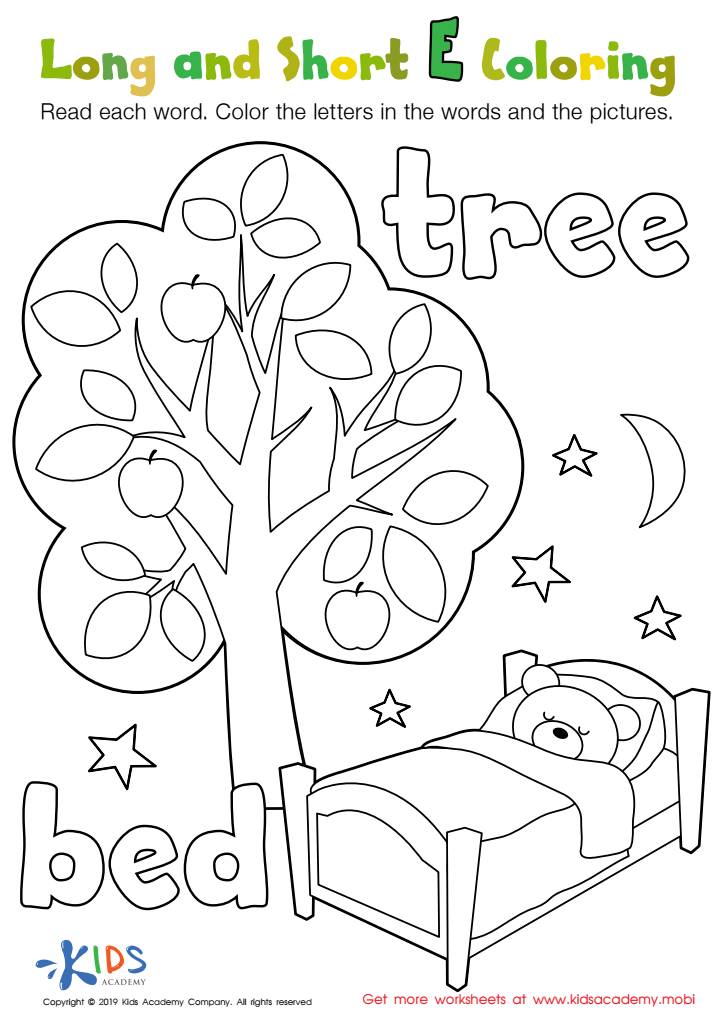
Long and Short E Worksheet
Assign to My Students

Letter N Coloring Sheet
Assign to My Students

Letter D Tracing Page





Letter recognition is a foundational skill for young learners, typically ages 5-7, as it is the gateway to reading and writing. Parents and teachers should prioritize this skill because it forms the basis of literacy development. Recognizing letters and understanding their associated sounds (phonics) enables children to decode words, which is crucial for reading fluency. Early mastery of letter recognition allows children to progress to more complex literacy tasks, such as word formation, sentence construction, and comprehension.
Furthermore, letter recognition boosts children's confidence and academic motivation. When young learners can identify letters accurately, they are more likely to enjoy reading activities, leading to a positive attitude towards learning as a whole. This early success can lay a strong foundation for continuous academic achievement.
Moreover, letter recognition helps in developing fine motor skills through activities like writing and tracing. These skills are essential for tasks beyond literacy, such as drawing and other academic-related fine motor activities that children will encounter.
In summary, proficient letter recognition is essential for reading readiness, boosting confidence, fostering a love for learning, and overall academic success. Parents and teachers can aid in this developmental stage through various engaging and interactive methods, setting children up for long-term educational benefits.