Color recognition Normal Worksheets for Ages 5-7 - Page 2
33 filtered results
-
From - To
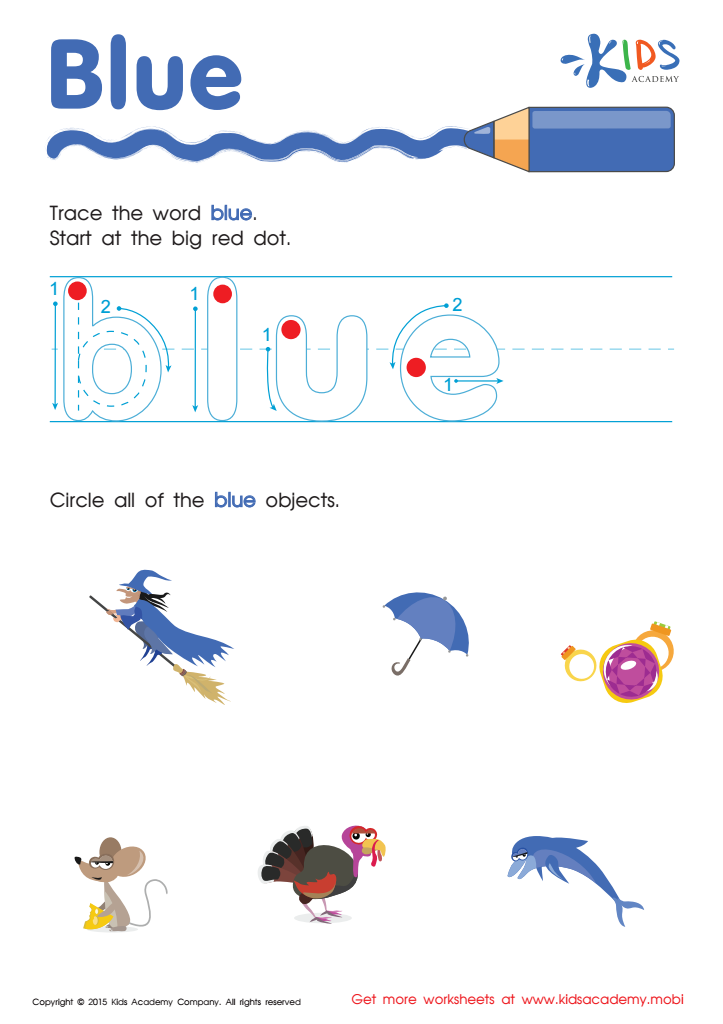
Blue Tracing Color Words Printable

Turkey Thanksgiving Day Worksheet
 Assign to My Students
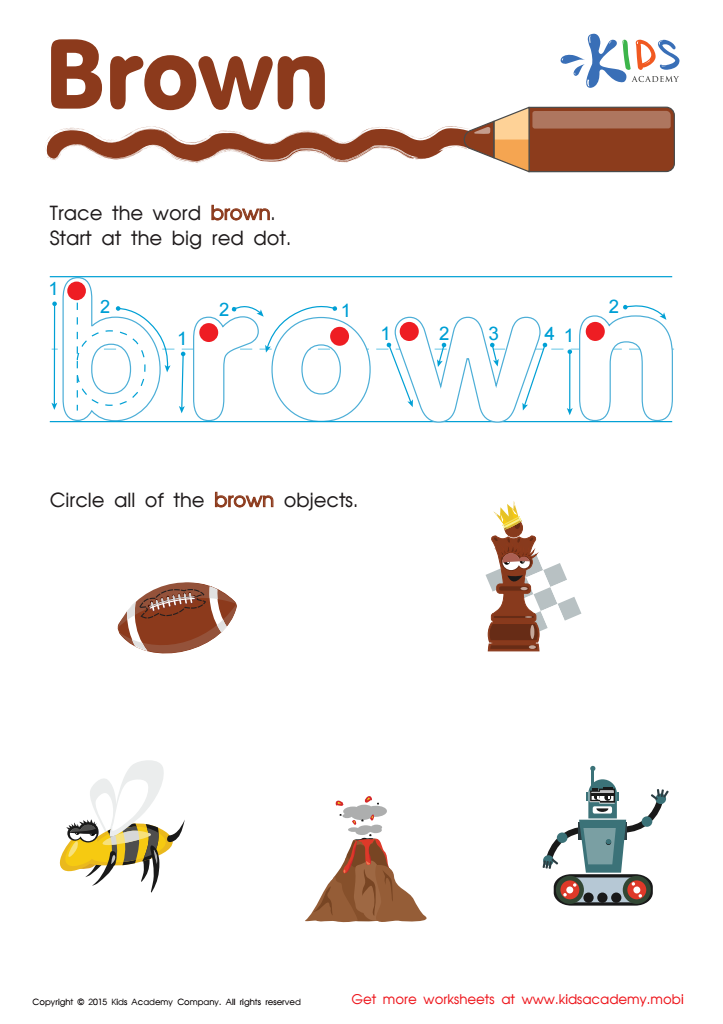
Brown Tracing Color Words Worksheet
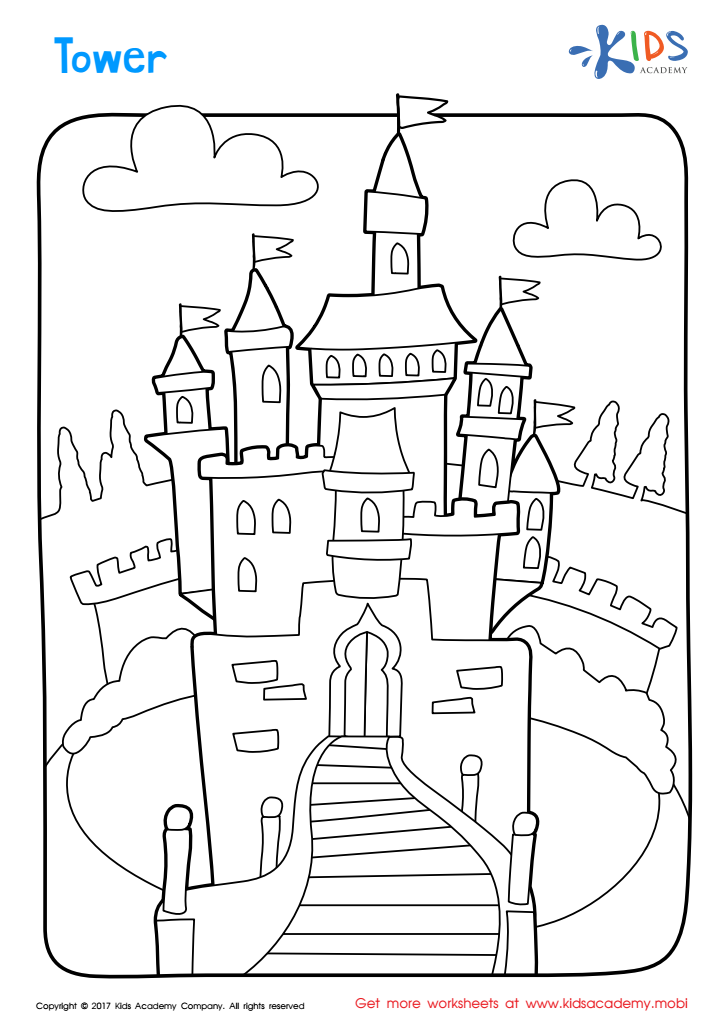
Tower Coloring Page
Assign to My Students
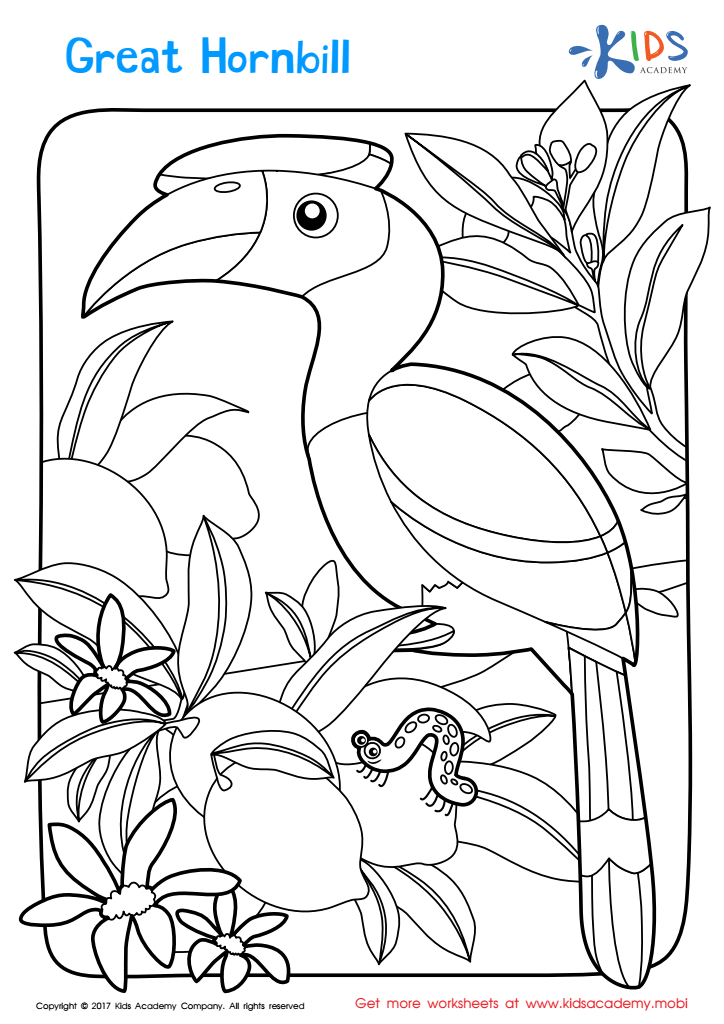
Great Hornbill Worksheet
Assign to My Students
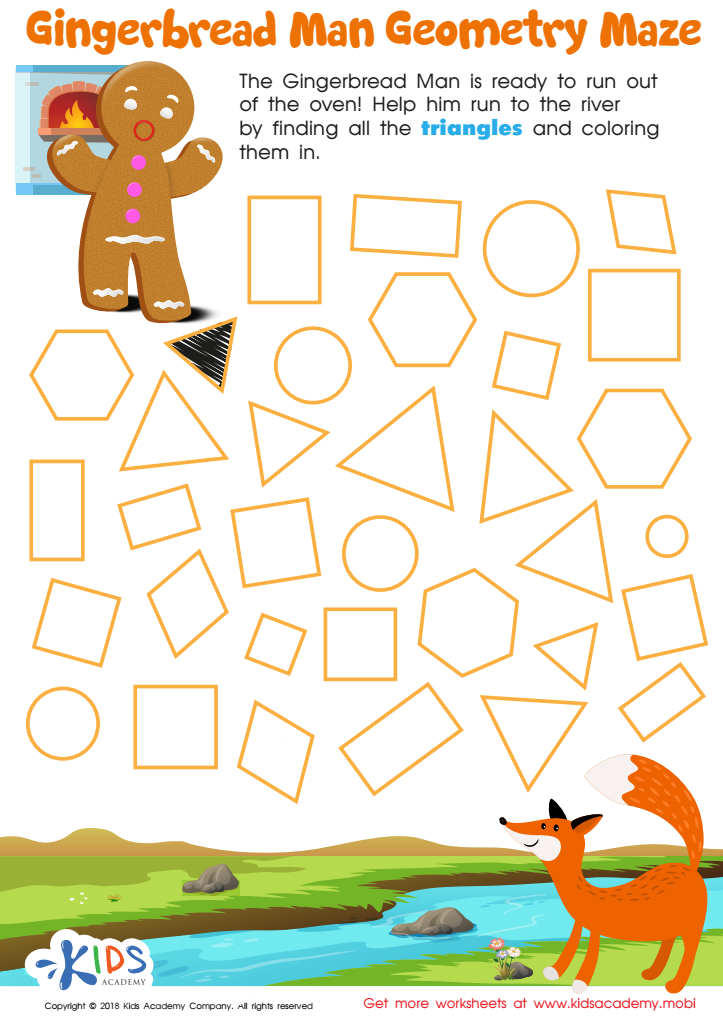
Gingerbread Man Geometry Maze Worksheet
Astronaut Coloring Page
Assign to My Students
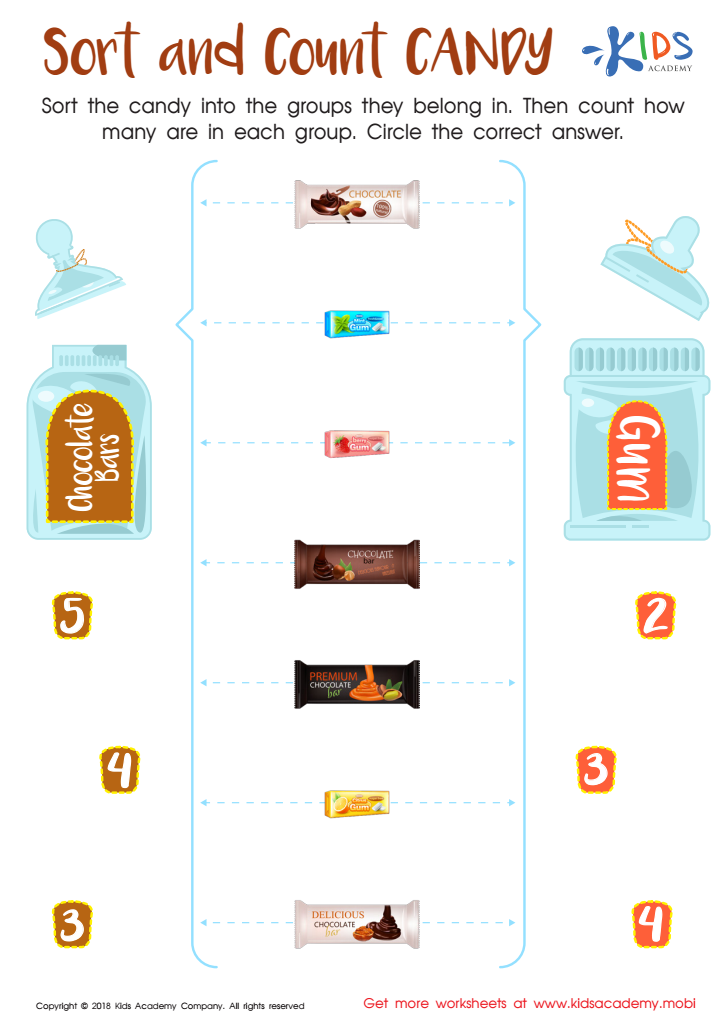
Sort and Count Candy Worksheet
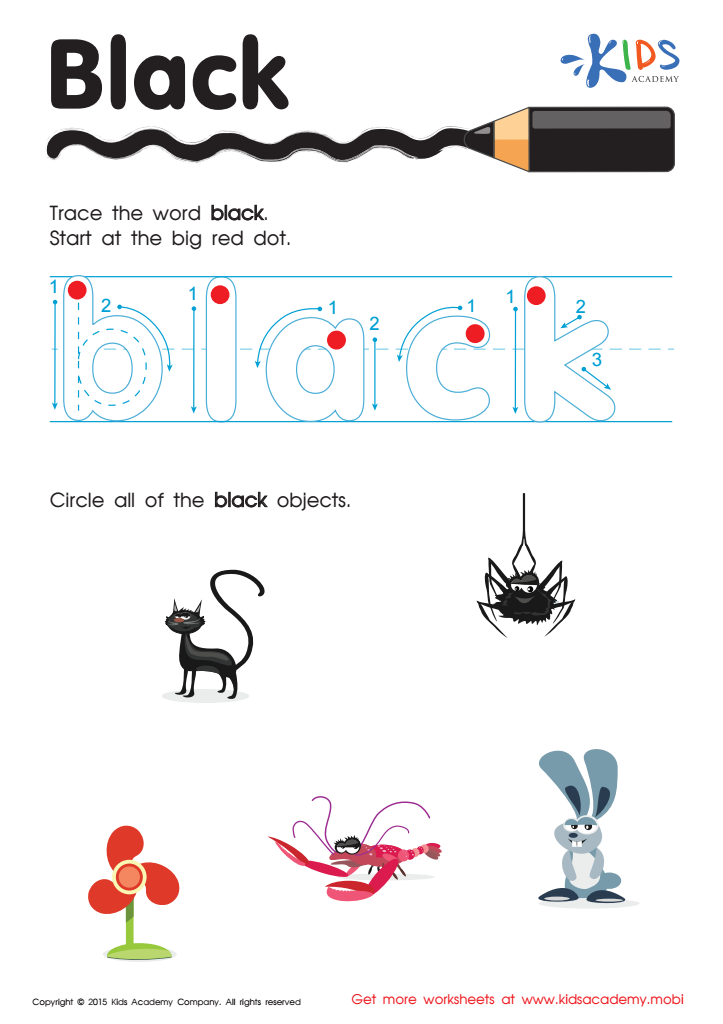
Black Tracing Color Words Printable





Color recognition is a fundamental skill for children ages 5-7 that plays a crucial role in their cognitive, emotional, and social development. At this stage, children are rapidly acquiring and refining basic skills that form the foundation for more complex learning. Recognizing and differentiating colors enhances their ability to categorize and describe the world around them, boosting their cognitive abilities and helping them make sense of their environment.
From an educational perspective, color recognition is often an early indicator of a child's readiness for further learning activities. Many early literacy activities involve color-coded letters and words, and math exercises frequently use colored objects to teach counting, sorting, and pattern recognition. Mastery of this skill aids in the seamless transition to these more advanced academic tasks.
Emotionally and socially, understanding colors allows children to express themselves better. Whether it's picking out clothes, drawing pictures, or communicating with friends, color helps them articulate their thoughts and feelings. Poor color recognition can sometimes indicate underlying issues such as color blindness, which can affect a child’s ability to learn and interact confidently in color-dependent environments.
Therefore, parents and teachers should pay attention to this crucial developmental milestone, offering various activities and consistent reinforcement to ensure children achieve normal color recognition, thereby setting the stage for their overall educational success and emotional well-being.








