Comparative analysis Normal Worksheets for Ages 5-7
4 filtered results
-
From - To
Discover comprehensive worksheets designed for children aged 5-7, focusing on enhancing their comparative analysis skills. These expertly crafted resources at Kids Academy help young learners understand similarities and differences across various subjects. Ideal for early grade engagement, our worksheets cover comparison in math, reading, and science. Each activity is tailored to foster critical thinking and analytical skills, ensuring that your child develops a strong foundation for future learning. Easy to use and visually appealing, these worksheets make learning enjoyable and effective, helping kids excel in their educational journey. Explore now and watch your child's cognitive abilities flourish.
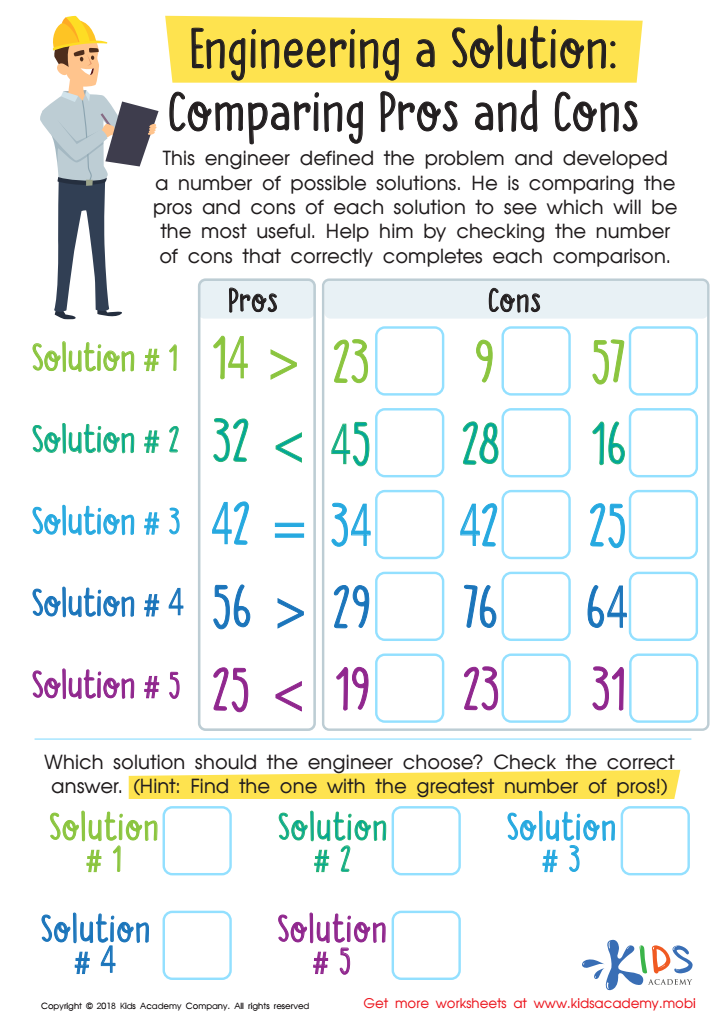
Engineering a Solution: Comparing Pros and Cons Worksheet
 Assign to My Students
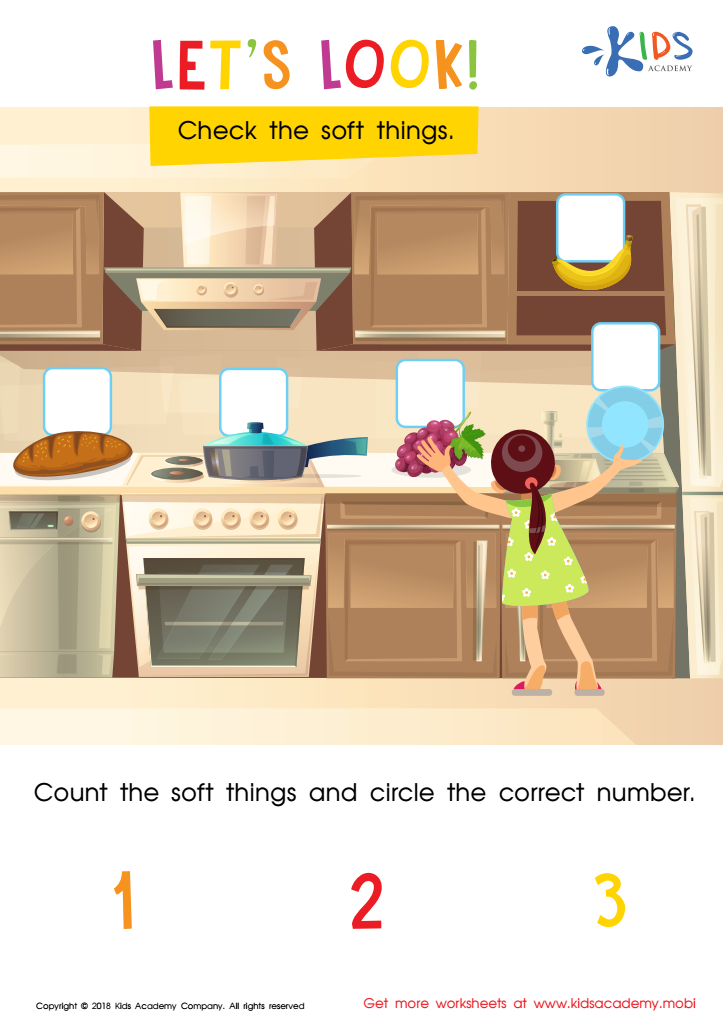
Let's Look! Assessment Worksheet
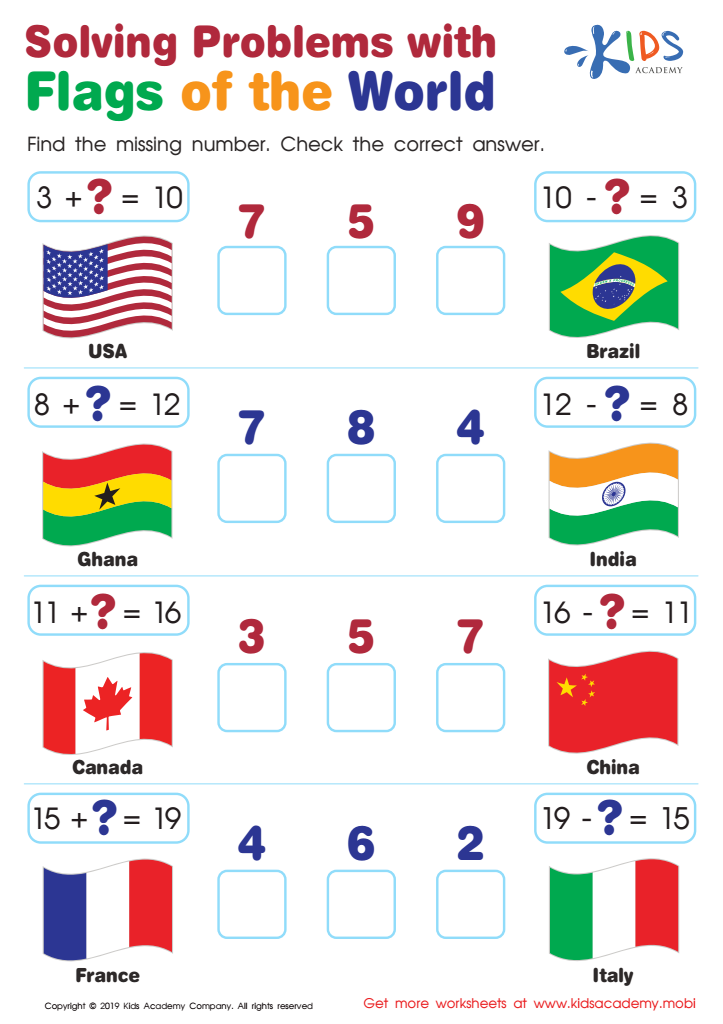
Solving Problems with Flags of the World Worksheet






Parents and teachers should care about comparative analysis norms for children aged 5-7 because these benchmarks are crucial for understanding developmental milestones and ensuring each child is progressing adequately. At this foundational age, children are developing key skills in areas such as language, motor skills, social interactions, and cognitive abilities. By comparing individual performances with established norms, parents and teachers can identify whether a child is on track, thriving, or might need additional support.
Understanding these norms helps in early detection of potential developmental delays or learning disabilities, enabling timely interventions. For instance, if a child is significantly behind in reading or social skills compared to peers, targeted support strategies can be implemented to address these gaps before they become more challenging to manage.
Comparative analysis also aids in creating balanced and age-appropriate curriculums and activities. Teachers can design instruction that meets the diverse needs of their class, ensuring that children who excel are continually challenged, while those who struggle receive the necessary help to succeed.
Moreover, this approach fosters an environment of inclusivity and equity, ensuring that every child receives the chance to reach their full potential. By staying informed and vigilant about developmental norms, parents and teachers can collaboratively contribute to the optimal growth and learning experiences of every child.








