Developing logical thinking Normal Worksheets for Ages 5-7
4 filtered results
-
From - To
Enhance your child’s logical thinking skills with our engaging worksheets designed specifically for ages 5-7. These carefully crafted resources promote critical thinking through interactive and fun exercises that challenge young minds. Kids can explore patterns, sequences, and problem-solving tasks that encourage them to think analytically. Our worksheets not only support cognitive development but also keep learning enjoyable as children progress. Perfect for parents and educators, these logical thinking exercises can be used at home or in the classroom, ensuring that children build a strong foundation for future learning. Start developing your child's reasoning skills today with our exciting printable worksheets!
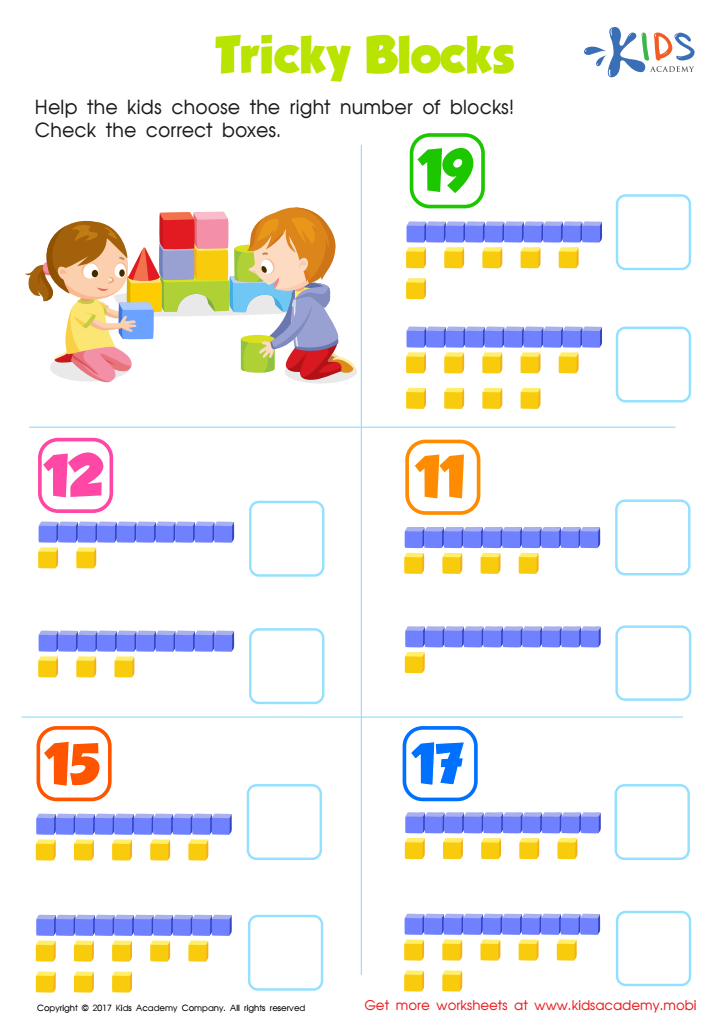
Tricky Blocks Worksheet
 Assign to My Students
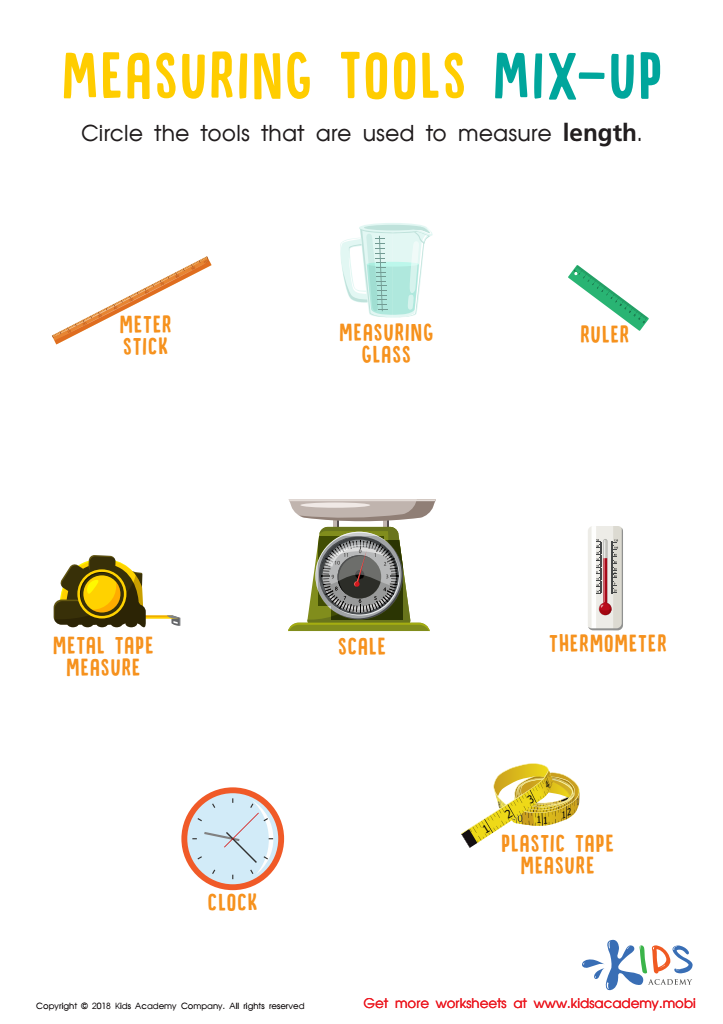
Measuring Tools Mix–up Worksheet
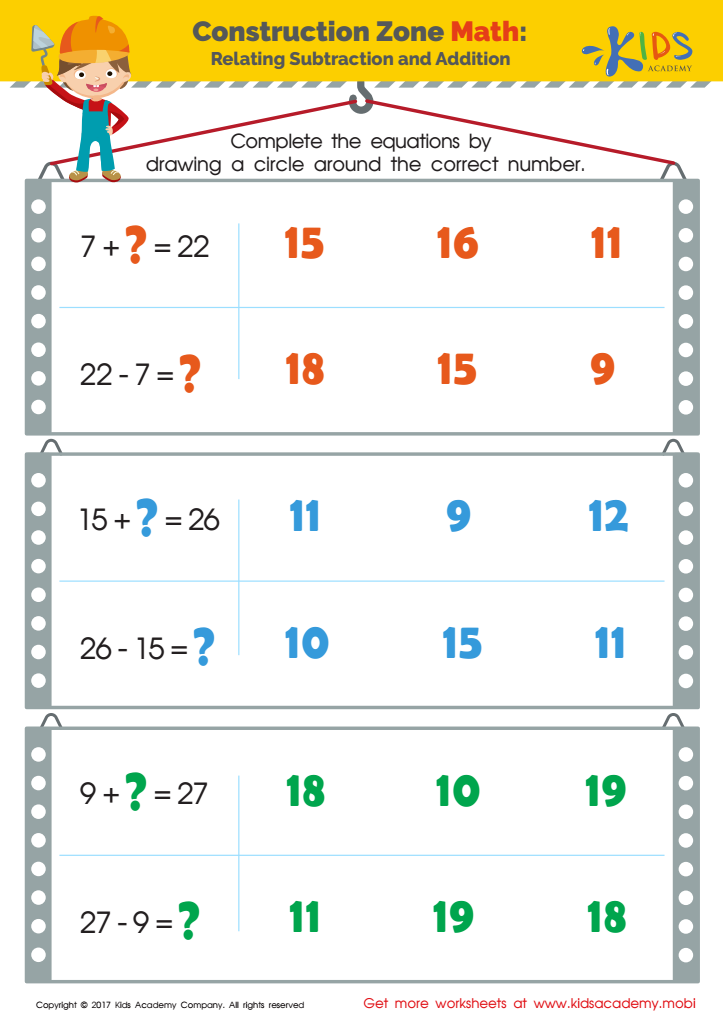
Related Addition and Subtraction Facts Worksheet
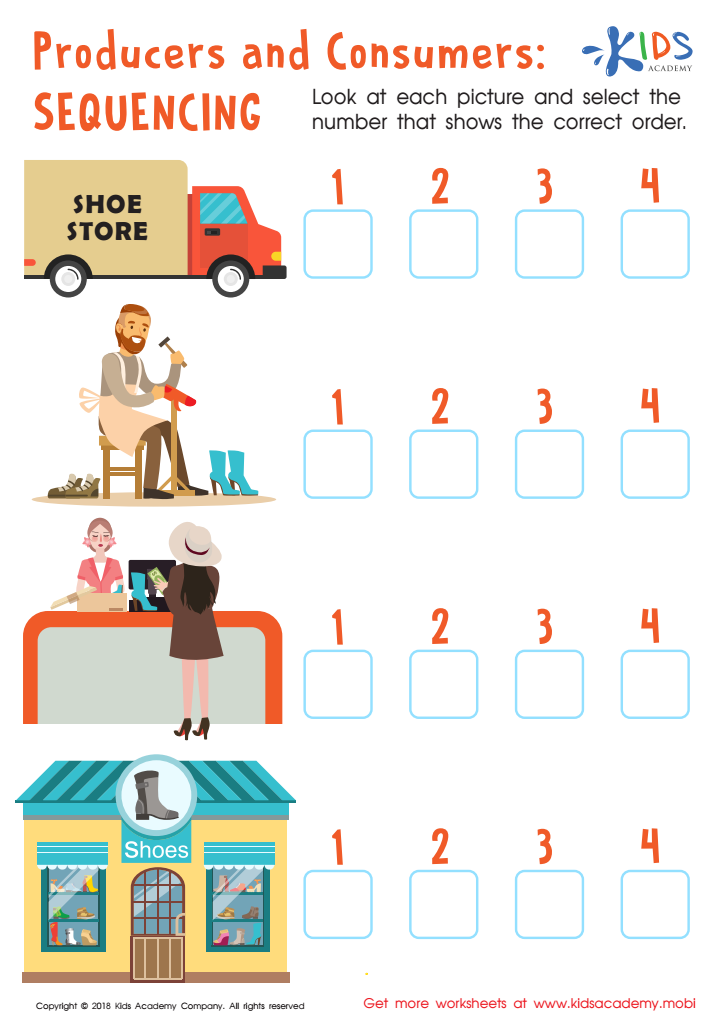
Producers and Consumers: Sequencing Worksheet


.jpg)





Developing logical thinking for children aged 5-7 is crucial as it lays the foundational skills necessary for lifelong learning and problem-solving. At this stage, children's brains are highly receptive, making it an optimal time to cultivate their ability to think critically and make connections between ideas.
Logical thinking enhances a child's ability to reason, enabling them to form concepts, draw conclusions, and understand cause-and-effect relationships. This cognitive development is essential in academic settings, helping children grasp subjects like mathematics, science, and language arts more effectively. Furthermore, children who develop strong logical thinking skills are better prepared to navigate complex social situations, as they can assess various viewpoints and make informed decisions.
For parents and teachers, nurturing logical thinking means equipping children with skills that extend beyond the classroom. Children learn to approach challenges methodically, fostering resilience and independence in their daily lives. Engaging children in activities such as puzzles, games, and discussions encourages these skills, laying the groundwork for their future academic success.
Ultimately, prioritizing logical thinking not only enhances cognitive development but also fosters confidence and curiosity, empowering young learners to explore the world with a critical eye.








