Directional skills Normal Worksheets for Ages 5-7
3 filtered results
-
From - To
Explore our engaging Directional Skills Worksheets designed for children ages 5-7! These worksheets are perfect for helping young learners develop essential navigation abilities through fun and interactive activities. Each worksheet is tailored to encourage understanding of directions such as left, right, up, and down, promoting spatial awareness and cognitive growth. With colorful illustrations and age-appropriate tasks, your child will enjoy practicing their directional skills while enhancing their overall learning experience. Ideal for classroom settings or at-home learning, our Directional Skills Worksheets make mastering navigation an exciting adventure! Download yours today and support your child's early education journey!
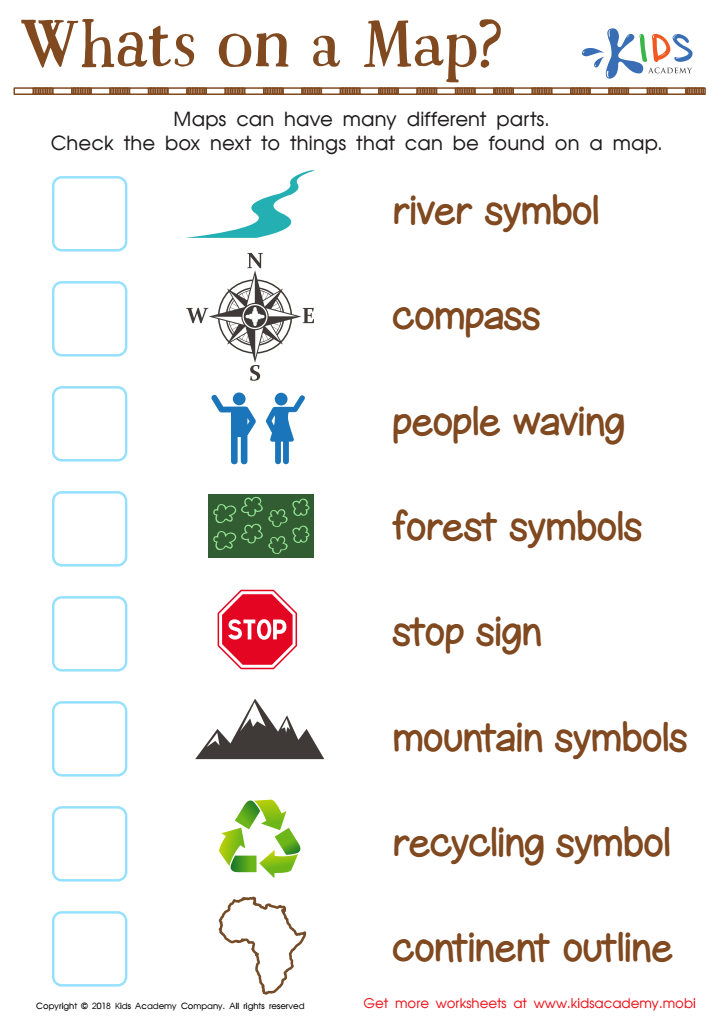
Whats on a Map? Worksheet
 Assign to My Students
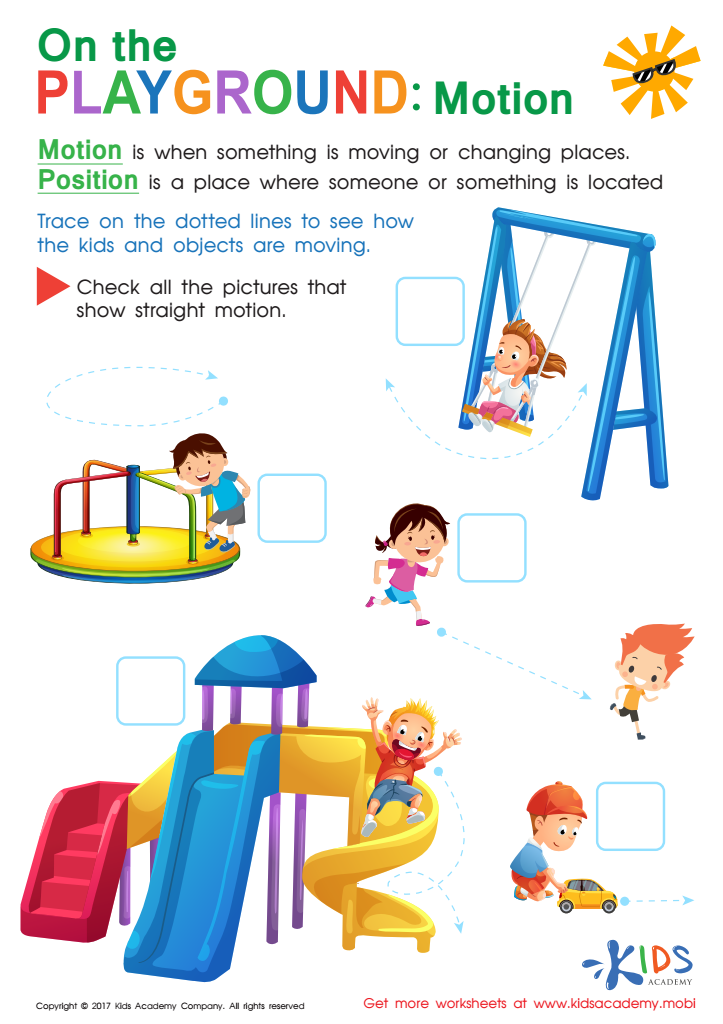
Position and Motion Worksheet
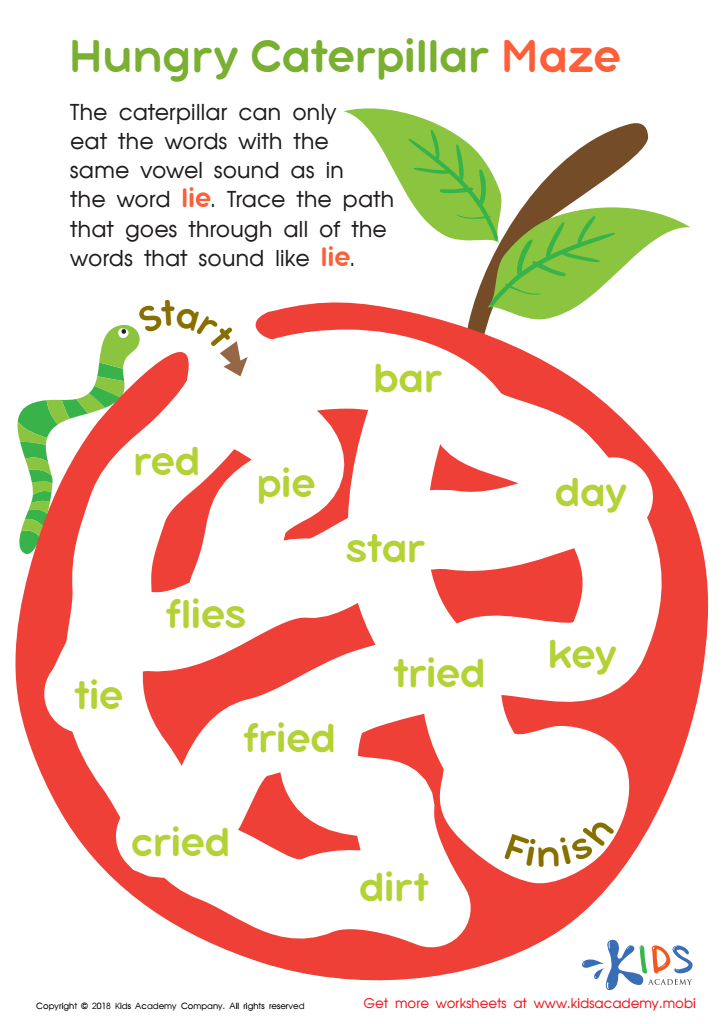
Hungry Caterpillar Maze Worksheet






Directional skills are crucial for children aged 5-7 as they form the foundation for various essential life skills, including navigation, spatial awareness, and overall physical coordination. During this developmental stage, children are exploring their environments and learning how to interpret and respond to different directions. Effective directional skills help children understand concepts like left and right, up and down, and how to navigate spaces, which is vital for reading maps and following written directions later.
Moreover, these skills promote cognitive development; as children learn to understand directionality, they also enhance problem-solving skills and boost their ability to follow multi-step instructions. Strong directional skills facilitate better engagement in physical activities, enhancing motor skills that are crucial for tasks such as riding a bicycle, playing sports, or even just navigating daily activities like crossing the street safely.
For teachers and parents, fostering these skills can significantly impact a child's self-esteem and independence. Encouraging activities that enhance directional understanding—like obstacle courses, scavenger hunts, or directional games—ensures that children gain confidence in their abilities, laying the groundwork for more complex learning in math, reading, and social interactions down the line.








