Hand-eye Coordination Normal Worksheets for Ages 5-7
33 filtered results
-
From - To
Enhance your child’s developmental skills with our engaging Hand-Eye Coordination Worksheets designed for ages 5-7. These expertly crafted activities focus on improving fine motor skills, visual tracking, and spatial awareness through fun, interactive exercises. From tracing and drawing activities to puzzles and mazes, each worksheet is created to captivate young learners while bolstering their hand-eye coordination essential for everyday tasks. Ideal for both classroom and home use, these printable worksheets provide a solid foundation for handwriting, reading, and overall cognitive development. Discover a world of educational fun and physical growth with Kids Academy’s Hand-Eye Coordination Worksheets!
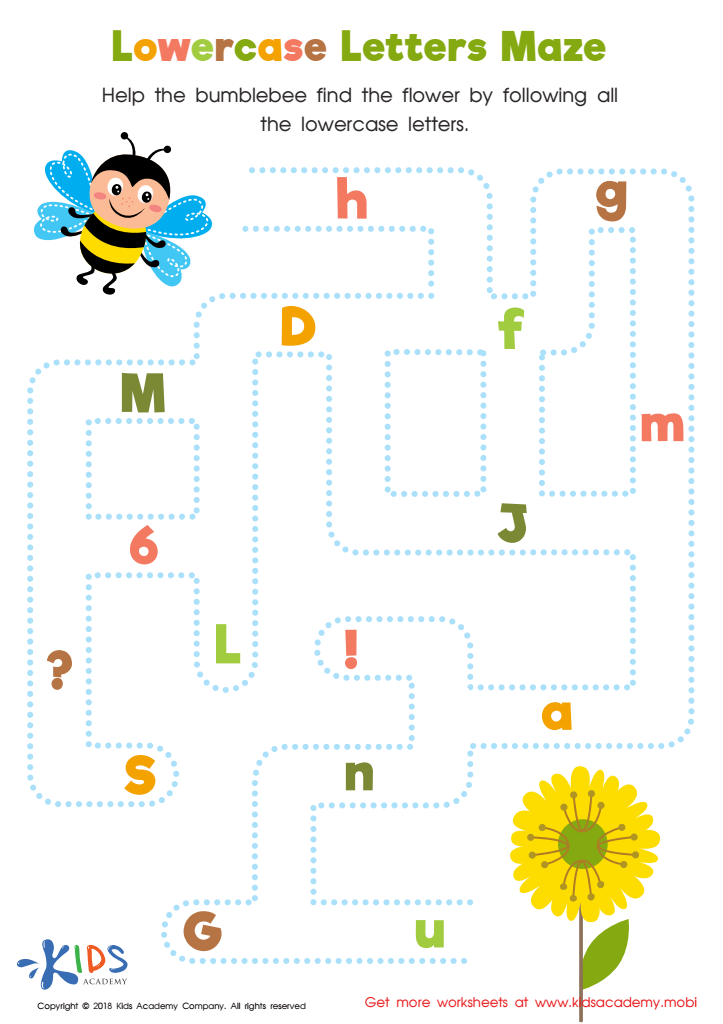
Lowercase Letters Maze Worksheet
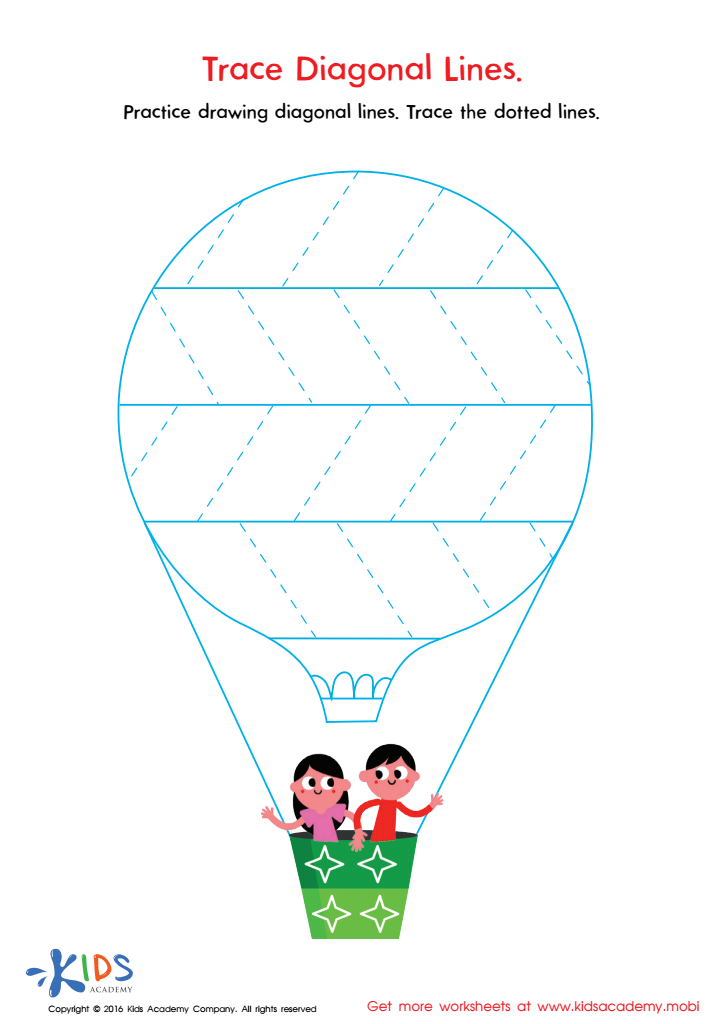
Trace Diagonal Lines Worksheet
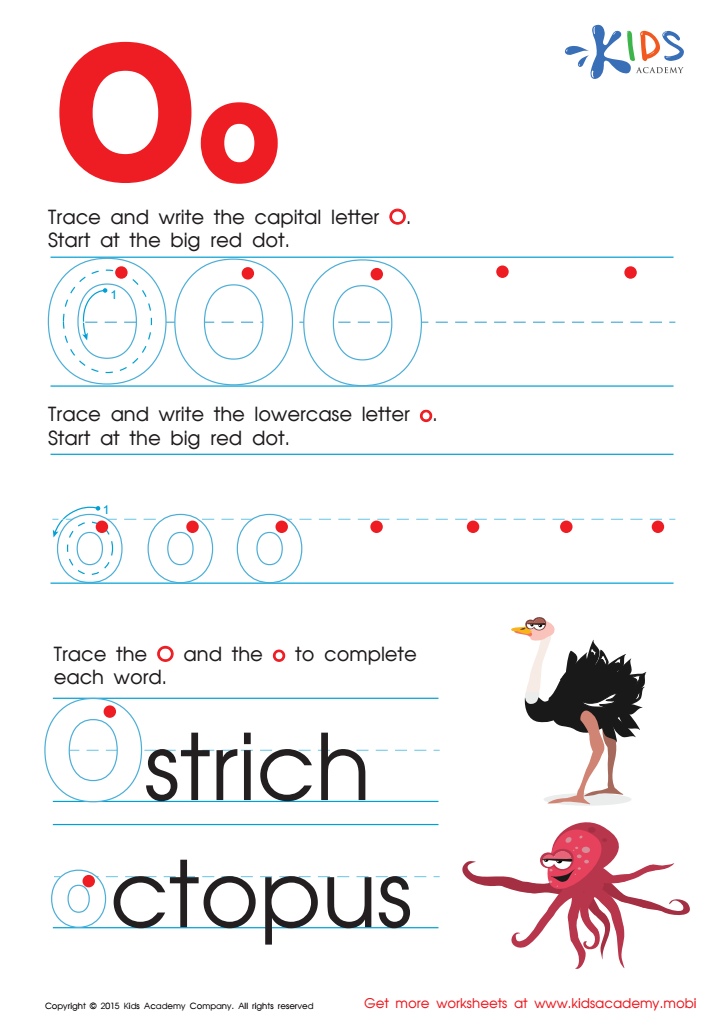
Letter O Tracing Page

Find Lowercase Letters g h i Worksheet
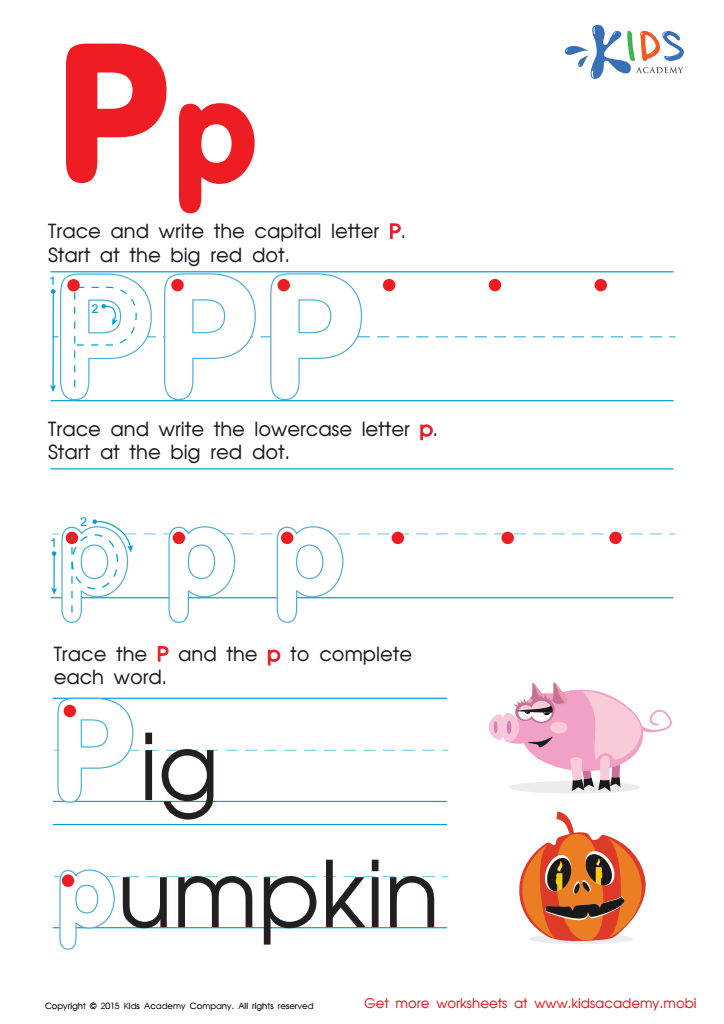
Letter P Tracing Page
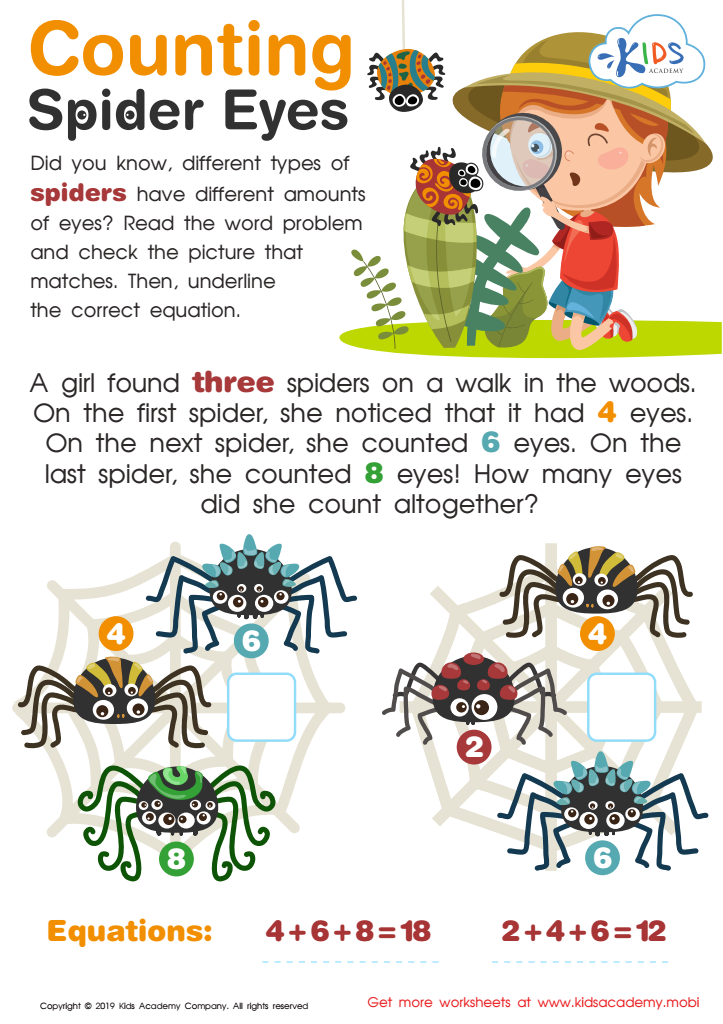
Counting Spider Eyes Worksheet
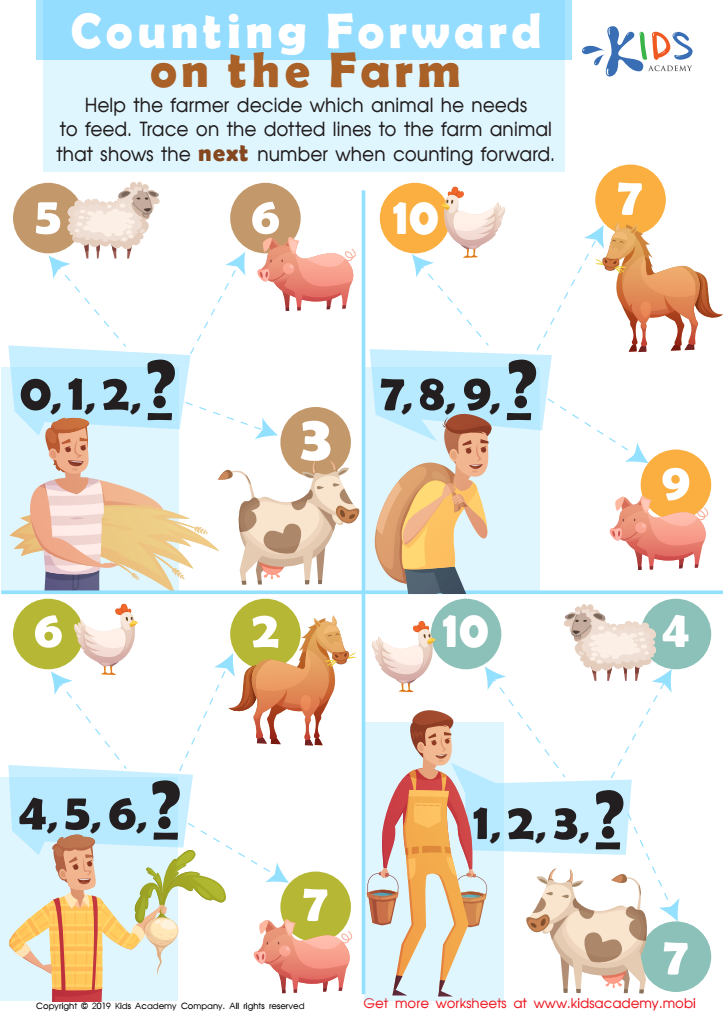
Counting Forward On the Farm Worksheet
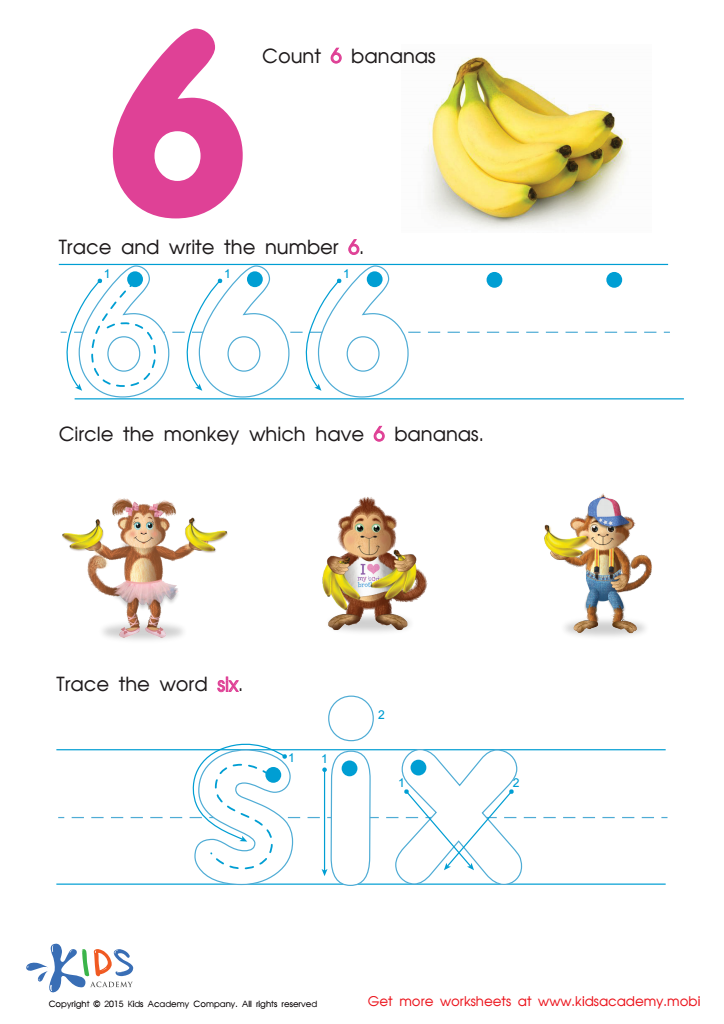
Tracing And Writing Number 6 Worksheet
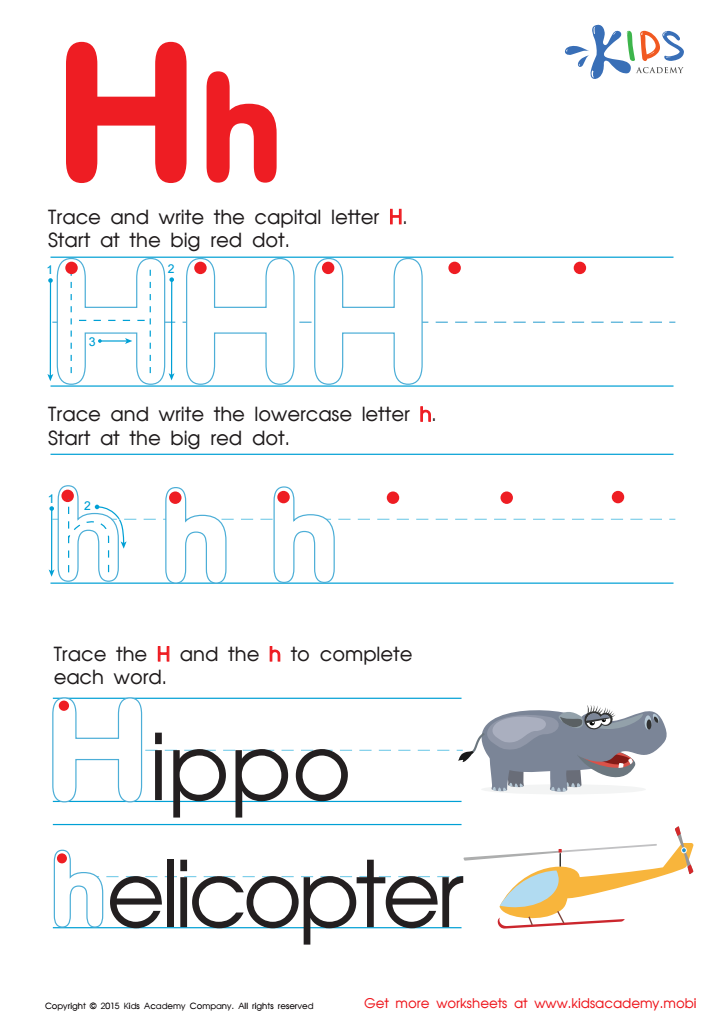
Letter H Tracing Page
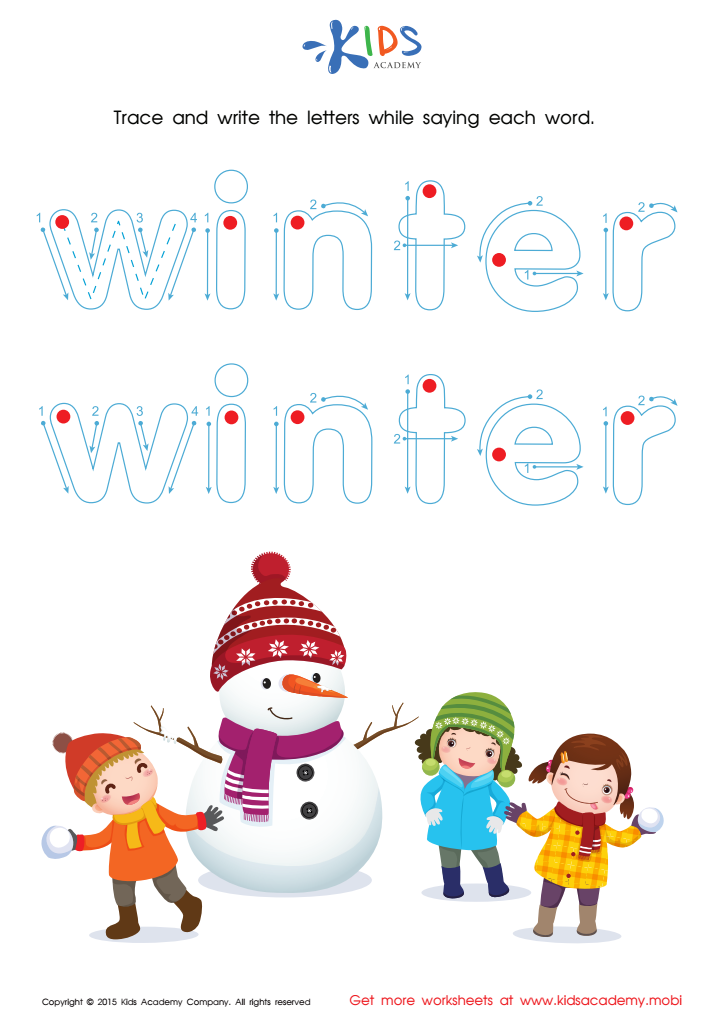
Snowman Tracing Winter Words Worksheet
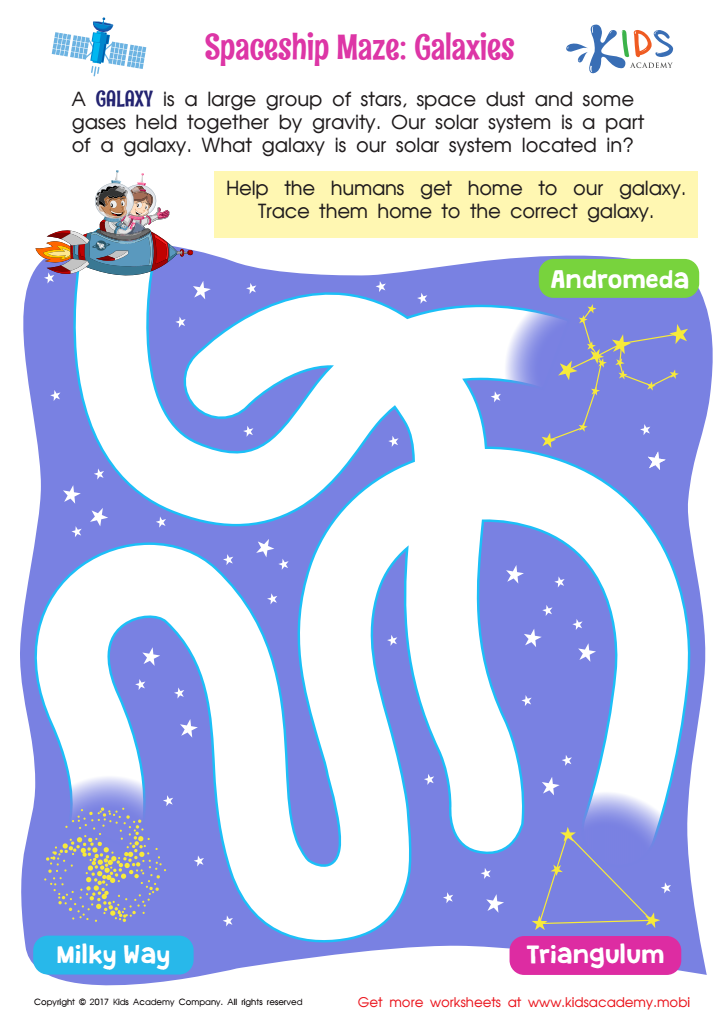
Spaceship Maze: Galaxies Worksheet
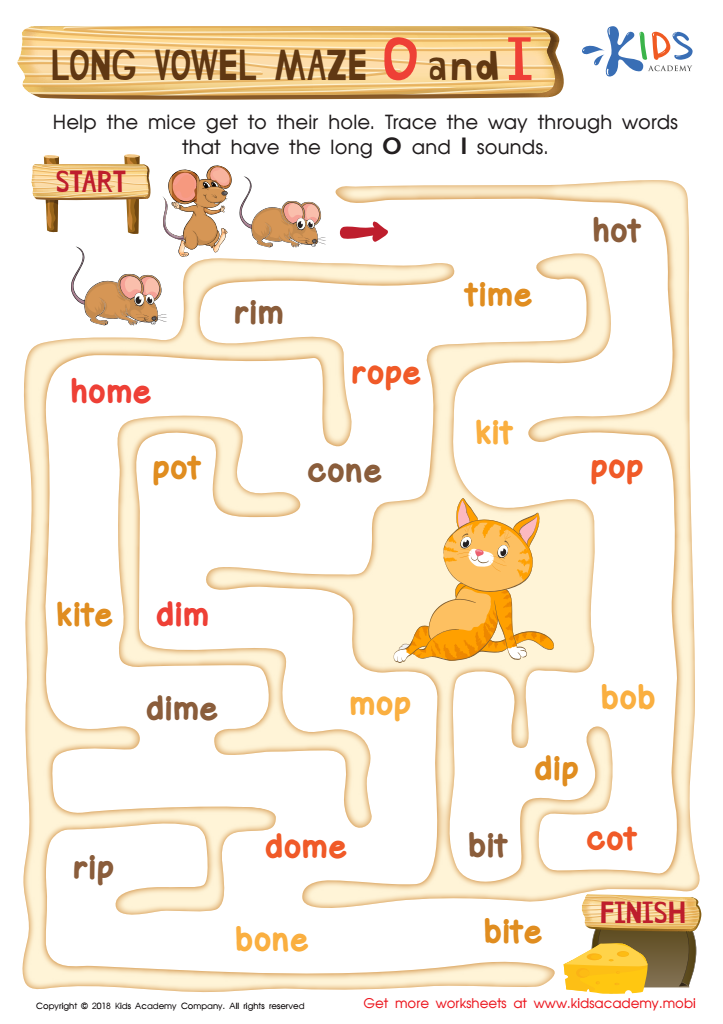
Long Vowel Maze /o/ and /i/ Worksheet
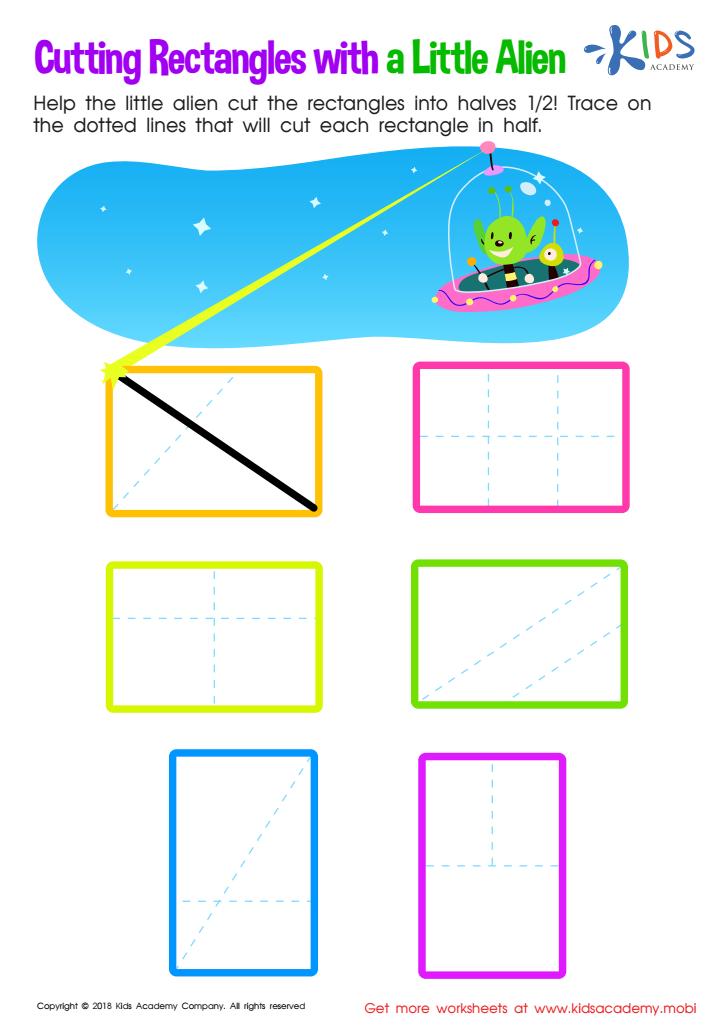
Cutting Rectangles with Alien Worksheet
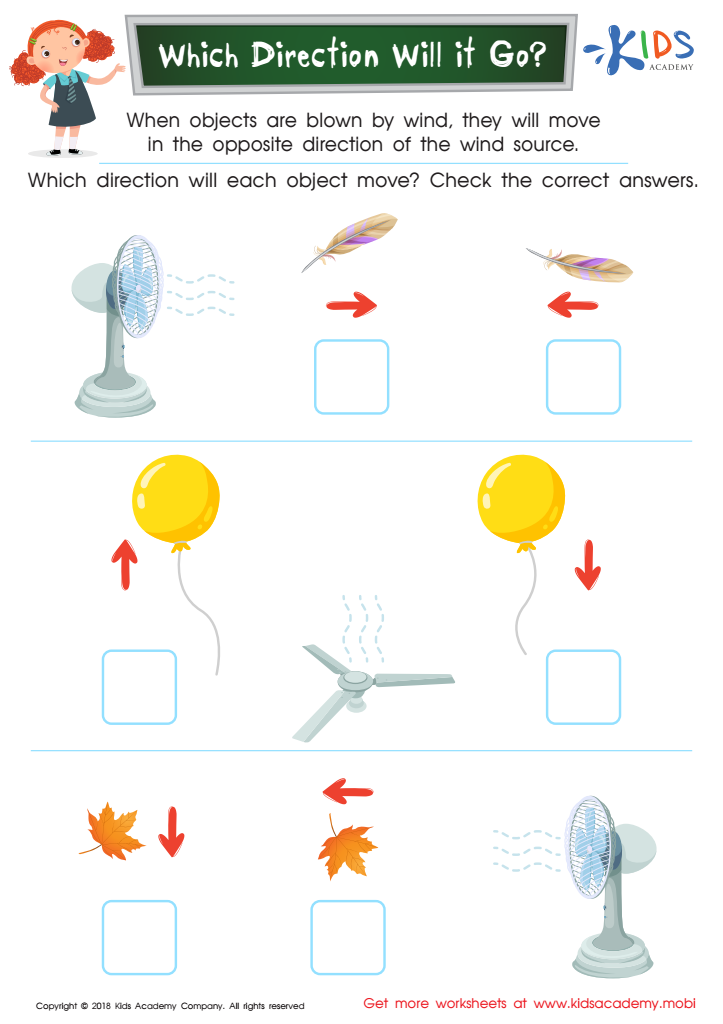
Which Direction Will it Go? Worksheet
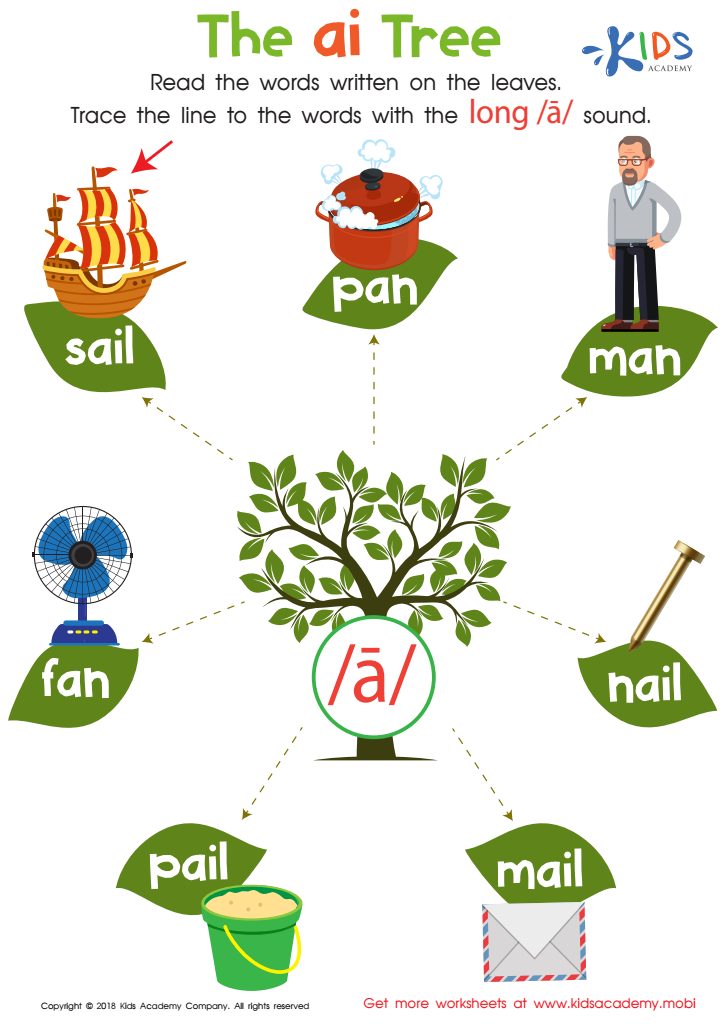
The AI Tree Worksheet
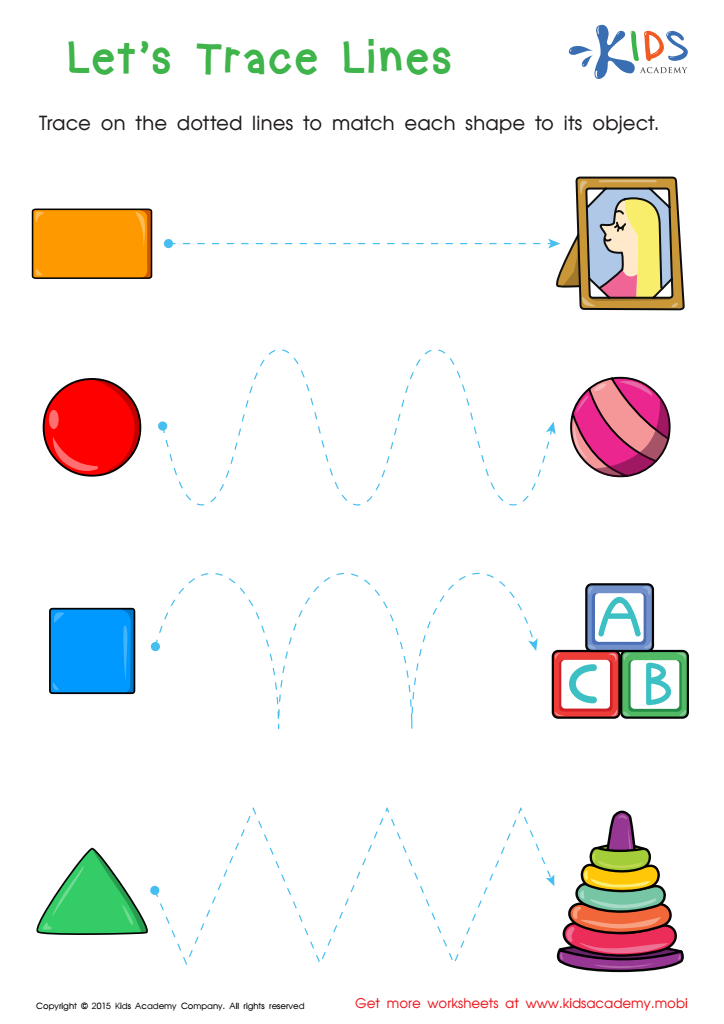
First Words: Let's Trace Lines Worksheet
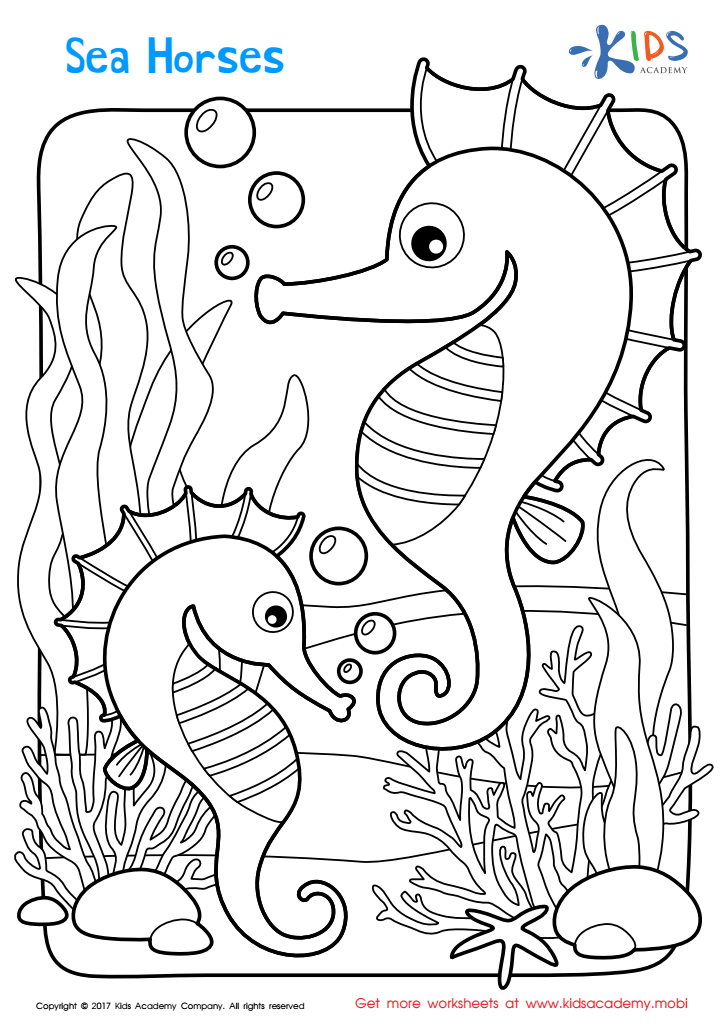
Sea Horses Printable
 Assign to My Students

Long and Short U Worksheet
Assign to My Students
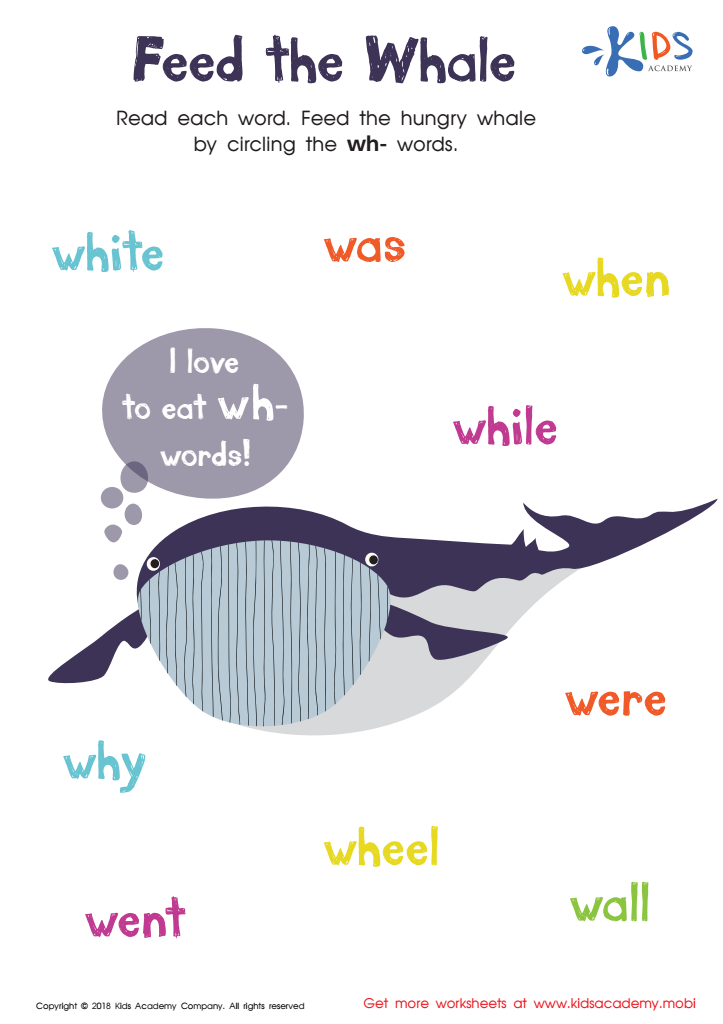
Feed the Whale Worksheet
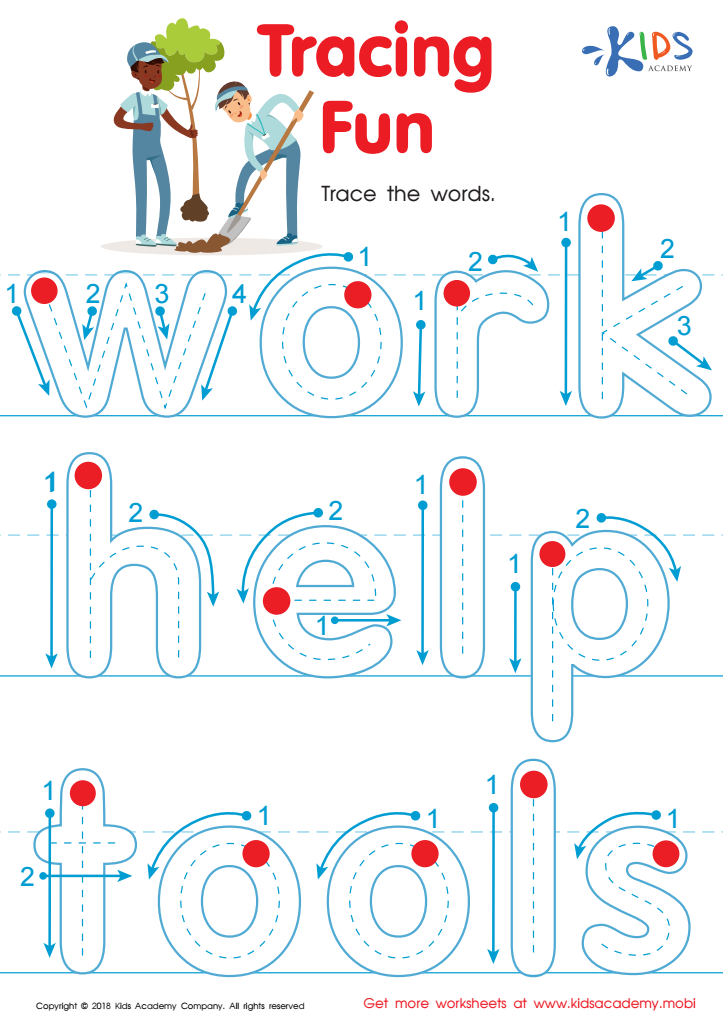
Tracing Fun Worksheet
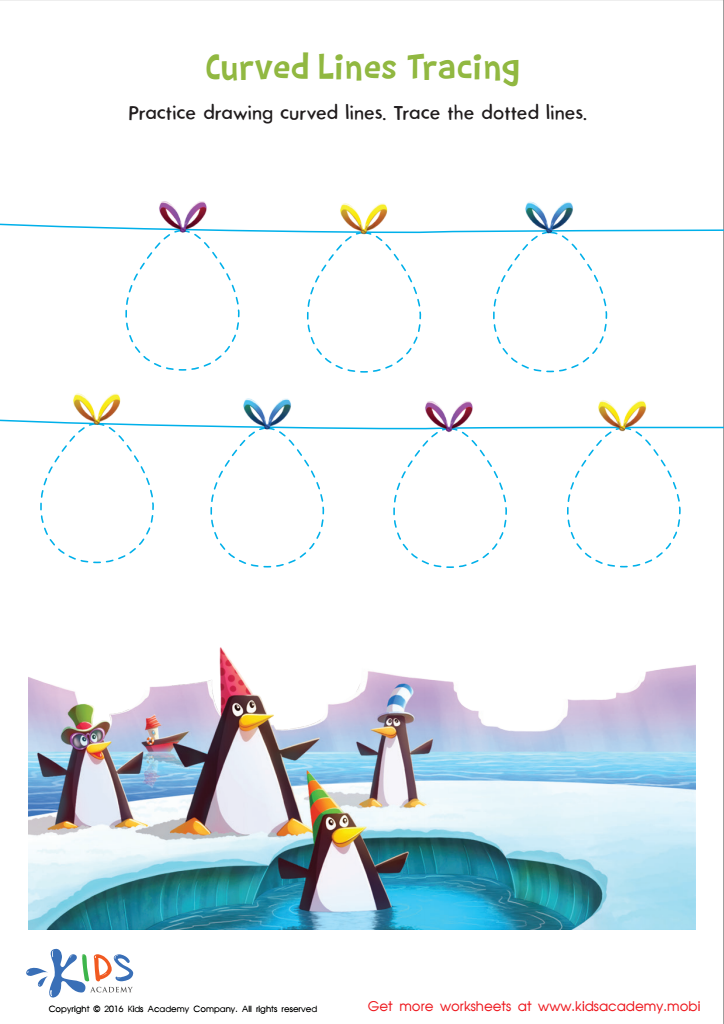
Curved Lines Tracing Worksheet






Hand-eye coordination is a critical skill for young children, particularly those in the 5-7 age range, because it forms the foundation for a variety of essential developmental tasks and abilities. This skill allows children to synchronize their hand movements with what they see, which is crucial for both academic and everyday activities.
Academically, fine motor skills—such as writing, drawing, and using scissors—are dependent on good hand-eye coordination. Children in the early grades who struggle with these activities may find it difficult to keep up with their peers, potentially leading to frustration and a lack of confidence in their abilities. Aside from writing tasks, hand-eye coordination is also crucial for other classroom activities like playing musical instruments or completing certain types of math problems.
In terms of everyday life, hand-eye coordination helps kids in activities like dressing themselves, tying shoes, and participating in sports. These tasks not only promote independence but also foster physical fitness and social interaction, both of which are important for overall development.
For teachers and parents, focusing on hand-eye coordination by incorporating activities like puzzles, ball games, and art projects can greatly benefit children, making mastery in these areas fun and engaging. Recognizing and addressing any difficulties in this area early can help prevent future problems, setting children up for greater success in both academic and personal pursuits.








