Improving observation skills Normal Worksheets for Ages 5-7
4 filtered results
-
From - To
Boost your child’s observational prowess with our expertly designed worksheets tailored for ages 5-7. Our "Improving Observation Skills Normal Worksheets" offer engaging and interactive exercises to enhance attention to detail, critical thinking, and memory retention. Each activity is crafted to captivate young minds, helping them identify differences, spot patterns, and notice tiny details in fun, colorful formats. Perfect for classroom use or home practice, these worksheets provide an enjoyable and educational way to develop essential learning skills, laying a strong foundation for academic success. Start your child’s journey to keen observation today!
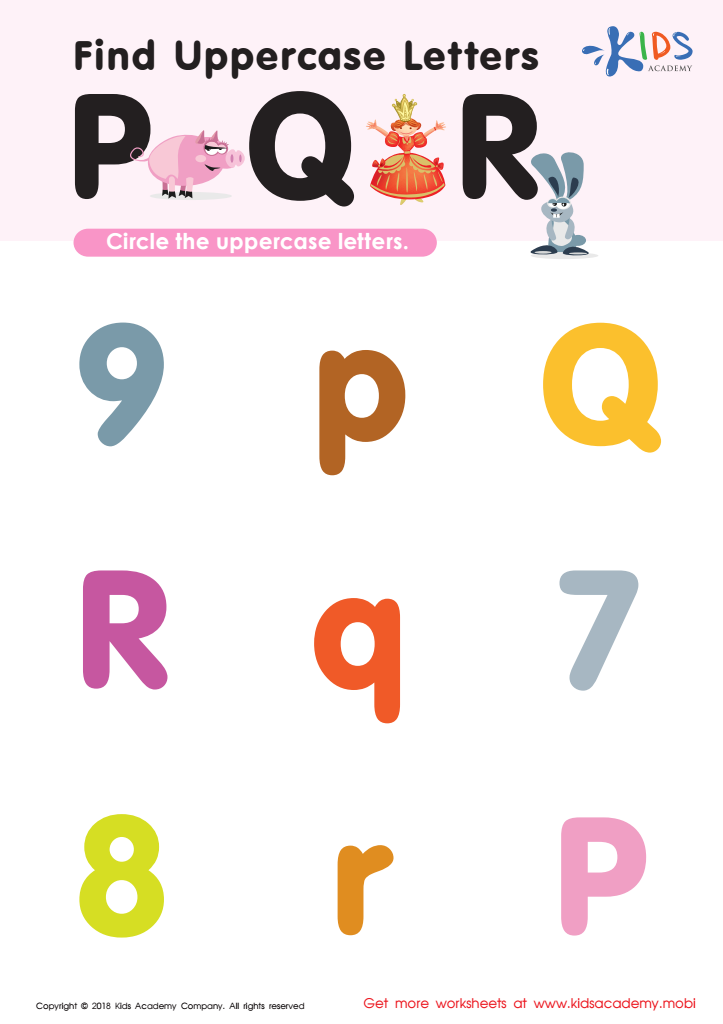
Find Uppercase Letters P, Q, and R Worksheet
 Assign to My Students
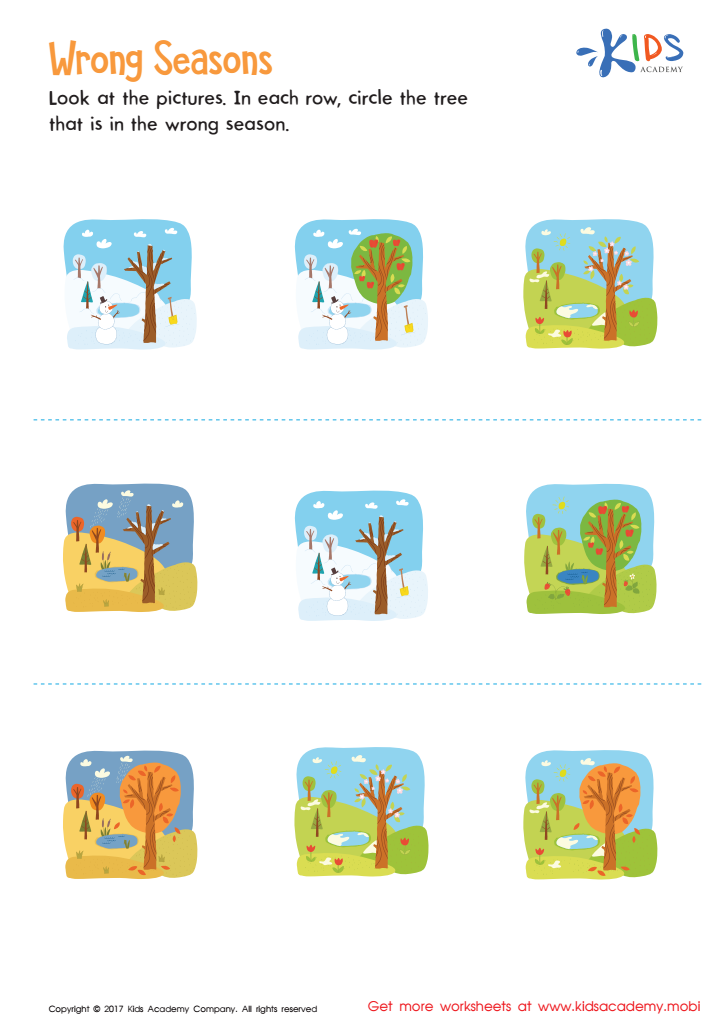
Wrong Seasons Worksheet
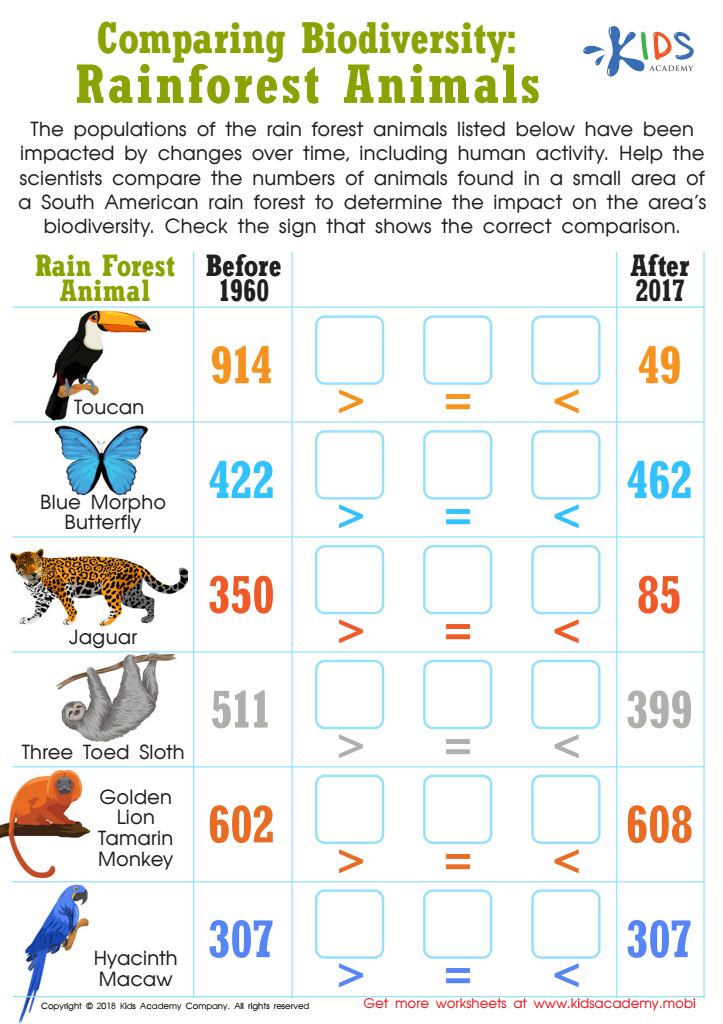
Comparing Biodiversity: Rainforest Animals Worksheet
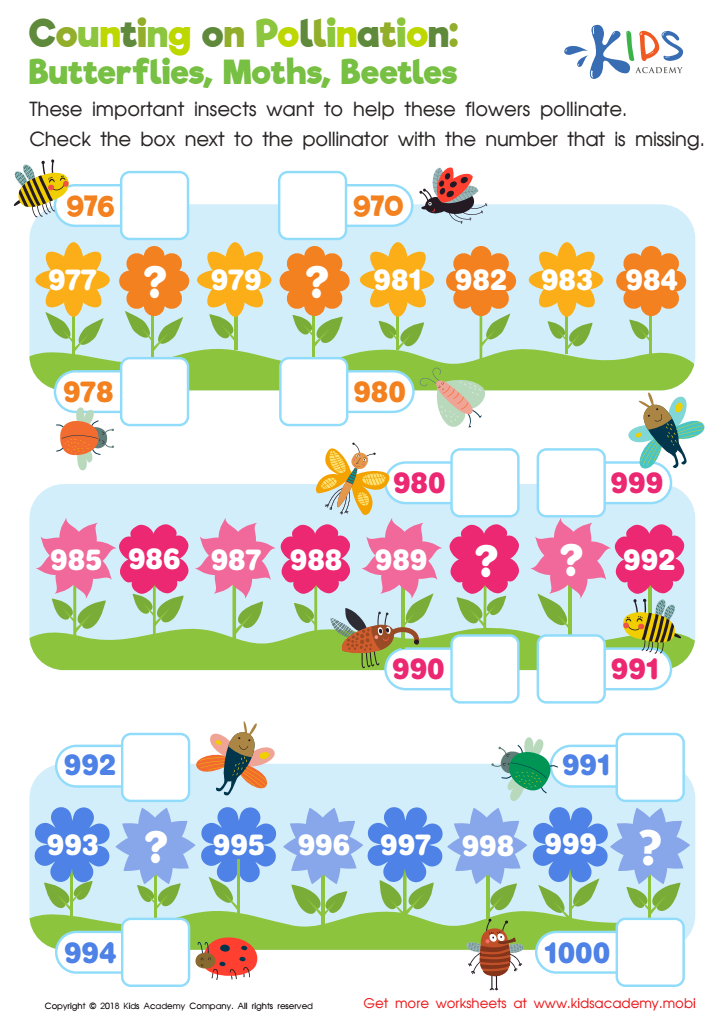
Counting on Pollination: Butterflies, Moths, Beetles Worksheet







Improving observation skills in children aged 5-7 is crucial for their overall development and academic success. At this young age, children are naturally curious and have a strong capacity for learning from their surroundings. By fostering strong observation skills, we equip them to understand and interact more effectively with their environment.
Firstly, observation is foundational for cognitive development. It helps children make sense of the world around them, develop critical thinking, and enhance problem-solving abilities. Through careful observation, kids learn to notice patterns, differences, and details that are essential for subjects like math and science.
Socially, strong observation skills assist children in understanding social cues and emotional expressions, which are key in developing empathy and effective communication. It also supports language development; as children describe what they see, they expand their vocabulary and improve their descriptive skills.
From an educational perspective, observation is a cornerstone of inquiry-based learning. When kids observe, question, and explore, they become active learners, cultivating a love for learning that lasts a lifetime.
In summary, nurturing observation skills in young children sets a strong academic and social foundation, fostering their intellectual curiosity, enhancing their learning experiences, and equipping them with essential life skills. Parents and teachers play a pivotal role in this developmental stage, emphasizing the importance of keen observation in everyday activities.








