Enhance your child's learning journey with our Sequencing Skills Normal Worksheets for ages 5-7! Each engaging printable worksheet is meticulously designed to build critical thinking and logical reasoning skills. Your child will enjoy a variety of activities that involve ordering events, arranging pictures, and following patterns which foster comprehension and storytelling abilities. Ideal for educators and parents, these worksheets not only promote cognitive development but also encourage creativity and problem-solving skills. Perfect for foundational learning at home or in the classroom, our Sequencing Skills worksheets are an essential tool to support your young learners’ growth and confidence.

Check out this FREE "Sequencing Skills" Trial Lesson for age 5-7!

Compare and Contrast Two Texts

Favorites
With answer key
Interactive
  • 5-7
  • Sequencing Skills
  • Normal
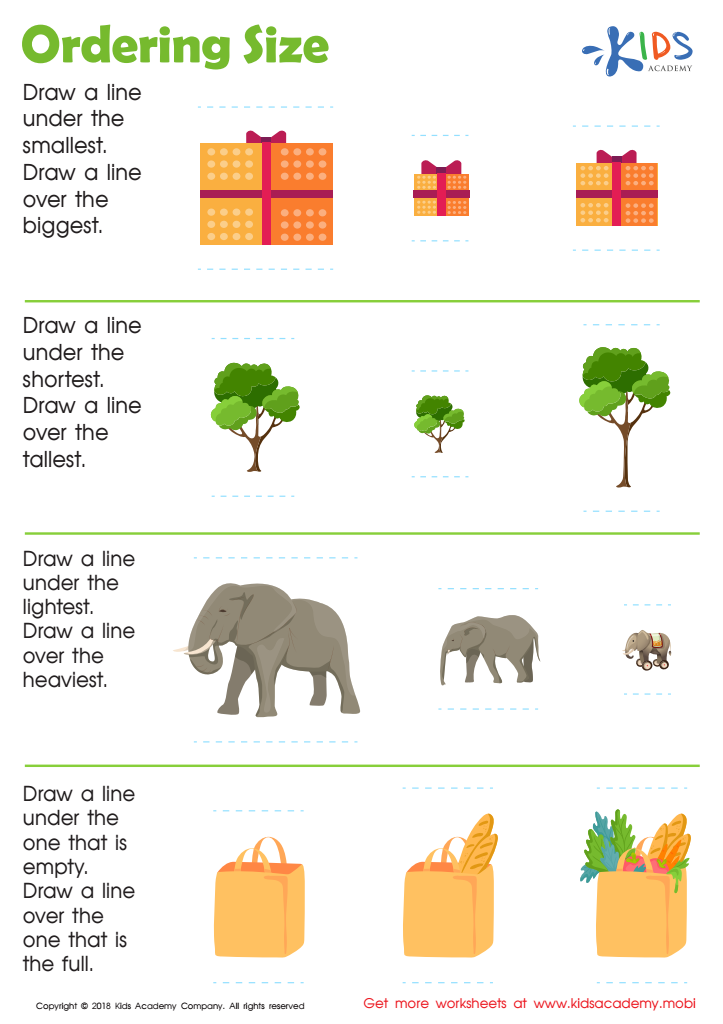
Ordering Size Worksheet

Ordering Size Worksheet

This worksheet helps students practice mathematical vocabulary related to size and quantity. Children look at pictures and draw a line to the objects that are taller, shorter, big, small, light, heavy, empty or full. The teacher can quickly check students' understanding of these measurement terms and then ask for examples of their own.
Ordering Size Worksheet
Worksheet
Going to the Dentist Worksheet

Going to the Dentist Worksheet

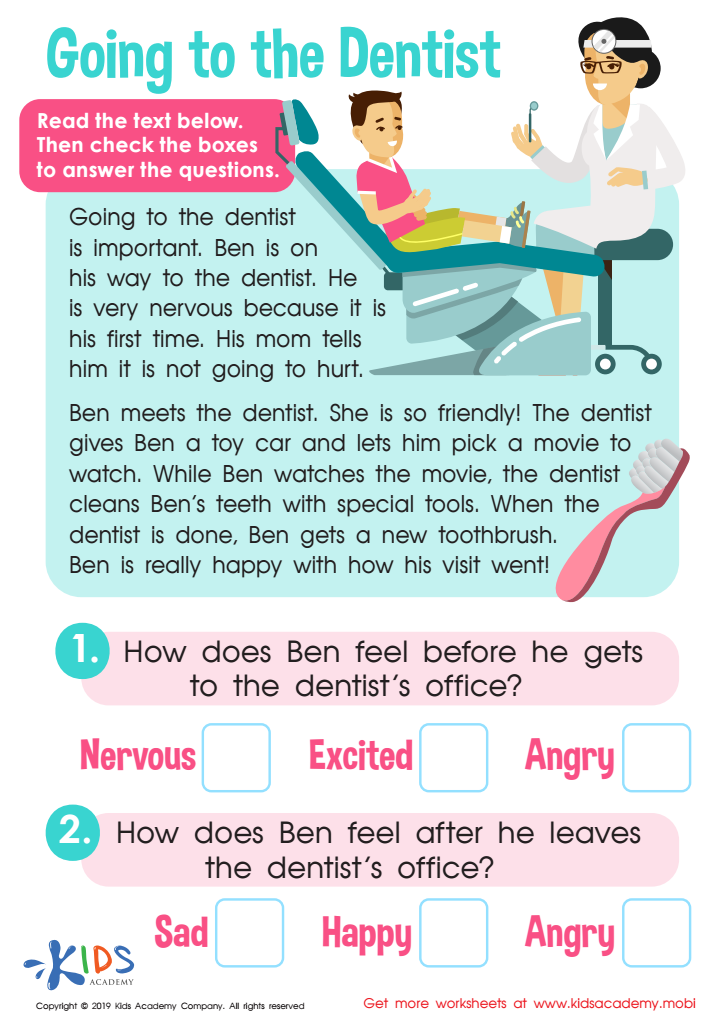
Kids can feel anxious when going to the dentist, but understanding why they go helps them cope. This free text helps them learn, as they read and answer questions about Ben's visit. They'll gain insight into Ben's emotions, while honing their critical thinking skills.
Going to the Dentist Worksheet
Worksheet
Wash Your Hands Worksheet

Wash Your Hands Worksheet

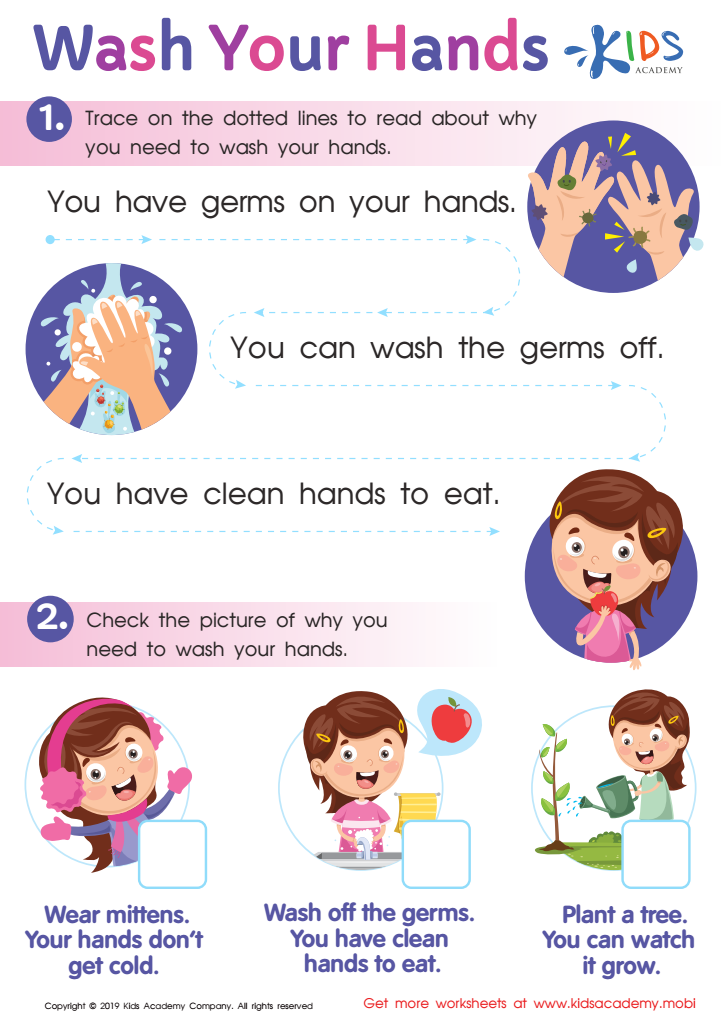
Kids learn best when they understand why they need to do something. This free worksheet uses traceable lines and pictures to teach them about germs and why washing hands is important. The child follows a left-to-right sequence and must check the correct picture to show they understand.
Wash Your Hands Worksheet
Worksheet
Life cycle of a butterfly worksheet pdf

Life Cycle of Butterfly Worksheet

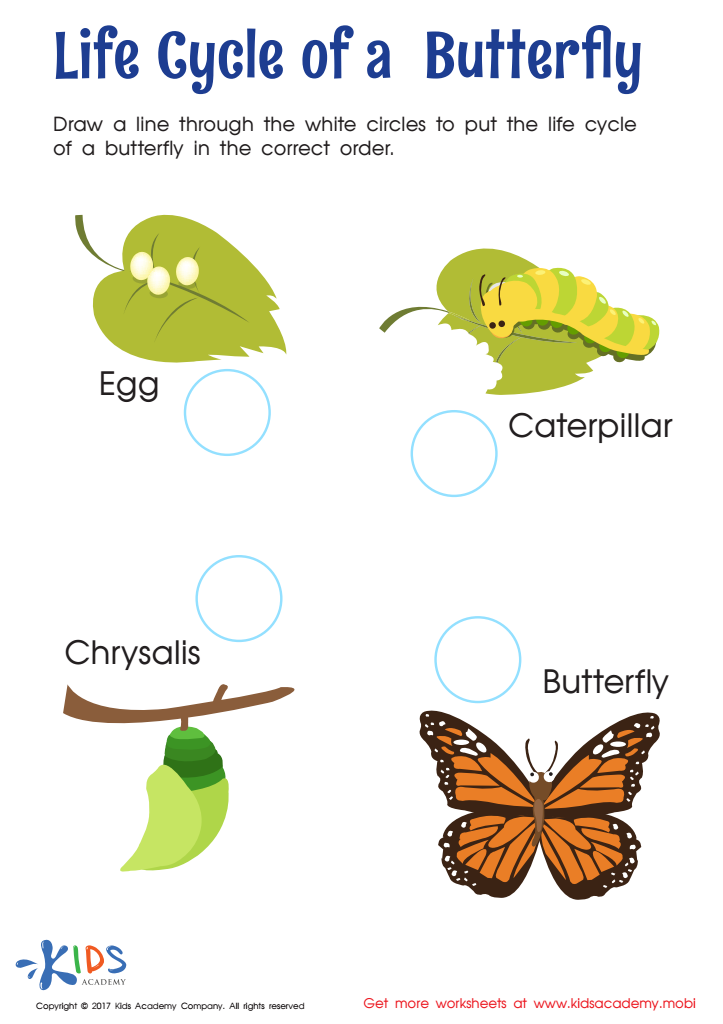
Kids Academy offers an exciting activity – a Life Cycle of a Butterfly Worksheet PDF. It shows four stages in the lifecycle of a butterfly with vivid pictures. Kids put the stages in the correct order to study the lifecycle.
Life Cycle of Butterfly Worksheet
Worksheet
Life Cycle Frog Printable

Life Cycle Frog Printable

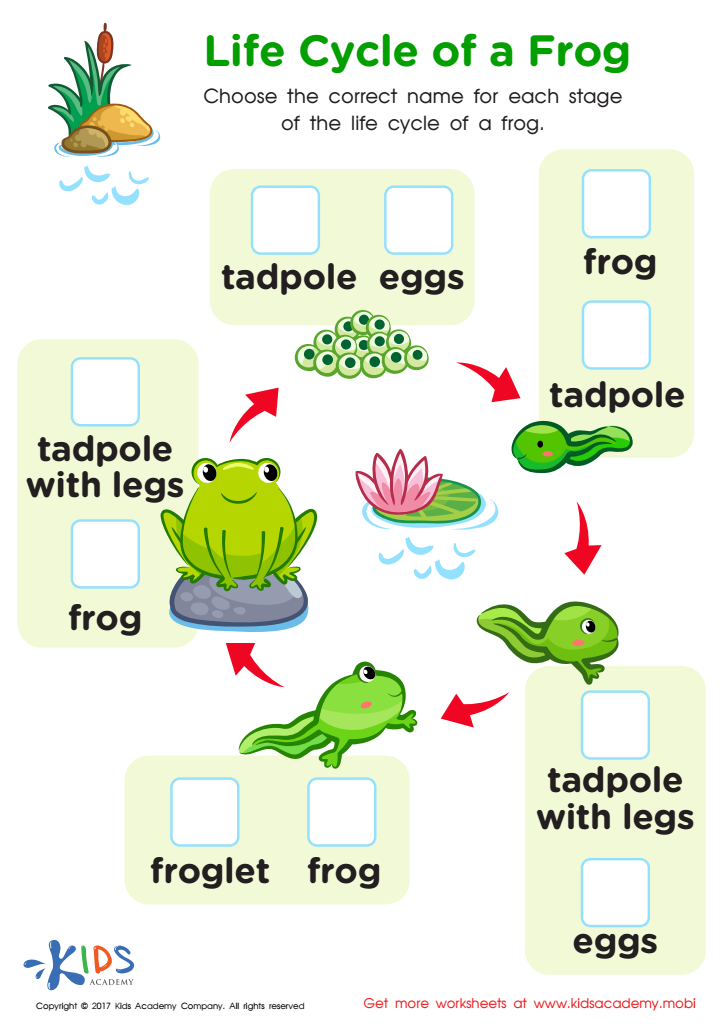
Kids can explore the life cycle of frog with this fun worksheet! Draw lines from one stage to the next to follow the transformation from tadpole to frog and learn about the cycle of life.
Life Cycle Frog Printable
Worksheet
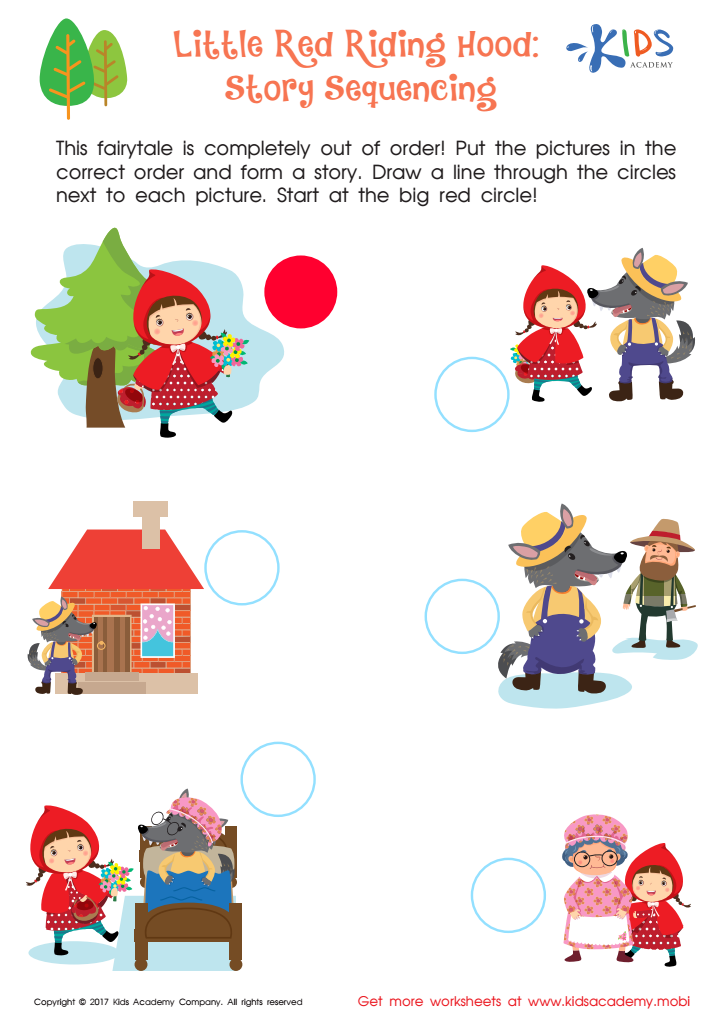
Comprehension Worksheet: Little Red Riding Hood

Story Sequencing Printable

Children must identify story events in sequential order to build a better understanding of plot. Help your child learn how to understand plot with this fun comprehension worksheet: Little Red Riding Hood! Guide them to identify story events and order them correctly to boost their reading skills.
Story Sequencing Printable
Worksheet
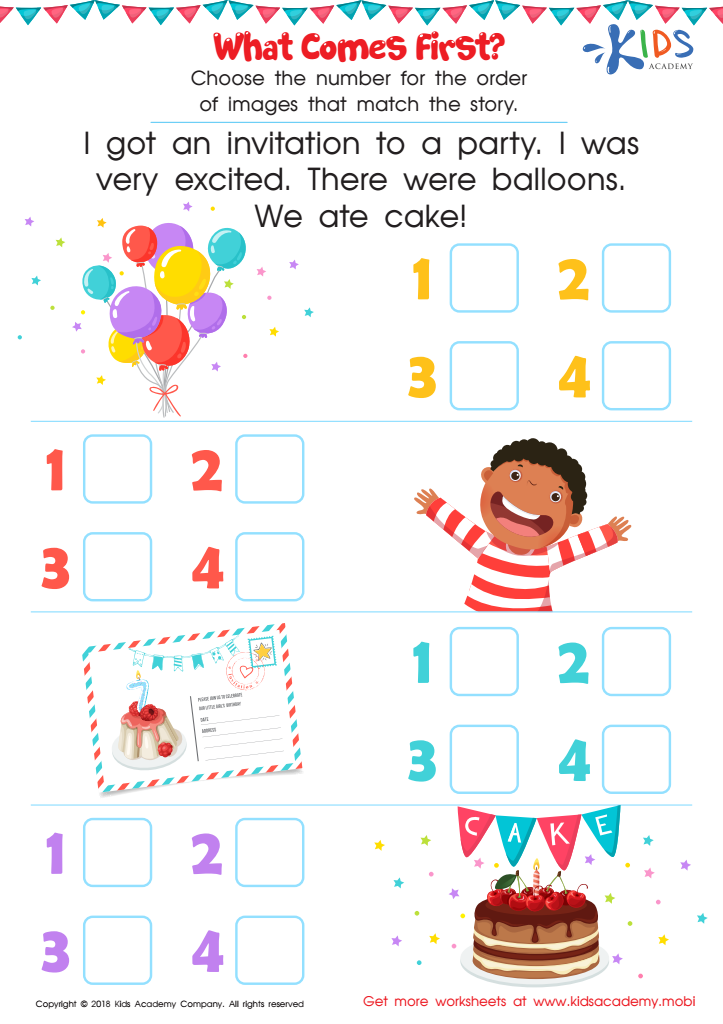
What Comes First Worksheet

What Comes First Worksheet

Before you start, ask your child what they see in the picture. Read the story aloud together, then show them the images in order, numbered 1-5. Ask them to choose the numbers that match the story. Have fun and enjoy this party worksheet with your little one! (80 words)
What Comes First Worksheet
Worksheet


Sequencing skills are critical cognitive abilities that involve understanding and organizing events in a logical order, crucial for children's overall development, especially for those aged 5-7. During this stage, learners are developing foundational skills in reading, writing, and mathematic problem-solving. Parents and teachers should prioritize sequencing skills, as these abilities enhance comprehension and retention of information. For instance, when children can sequence events in a story, they are better equipped to recall details and understand cause-and-effect relationships.

Moreover, sequencing is integral not just in literacy but in everyday tasks and life skills. Children who grasp sequencing can follow multi-step directions, whether in school projects or daily routines. This proficiency fosters independence and enhances their problem-solving abilities—a fundamental precursor for future learning.

Additionally, sequencing skills can improve social interactions; children who can follow conversations and share experiences in a logical sequence are often more effective communicators. By fostering these skills at an early age, parents and teachers lay the groundwork for academic success and social competence, ensuring children are well-prepared for subsequent grades and life challenges. Investing in sequencing skills offers children the tools they need for both intellectual growth and personal development.