Understanding history Normal Worksheets for Ages 5-7
3 filtered results
-
From - To
Kids Academy's "Understanding History" worksheets for ages 5-7 are expertly designed to engage young learners while introducing them to essential historical concepts. Through fun, age-appropriate activities, children build foundational knowledge about historical events, figures, and timelines. These worksheets not only enhance learning skills but also spark curiosity and critical thinking. Perfect for classroom use or at-home learning, this collection provides an interactive approach to understanding the past, helping young students develop a love for history from an early age. Equip your child with the skills to appreciate history through Kids Academy’s thoughtfully crafted educational materials.
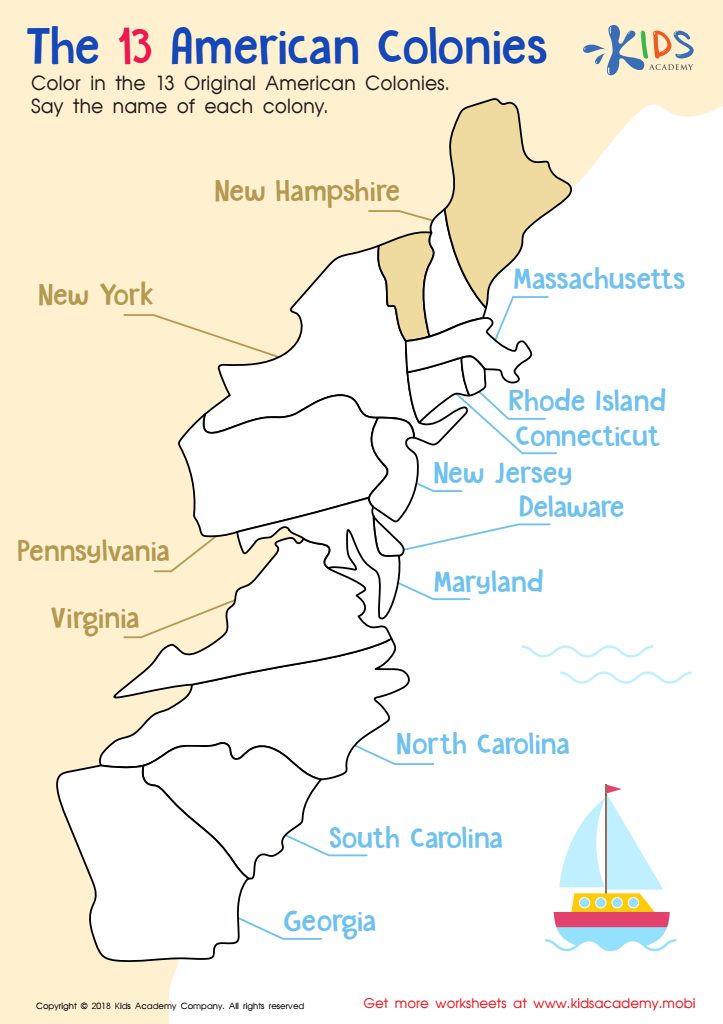
The 13 American Colonies Worksheet
 Assign to My Students
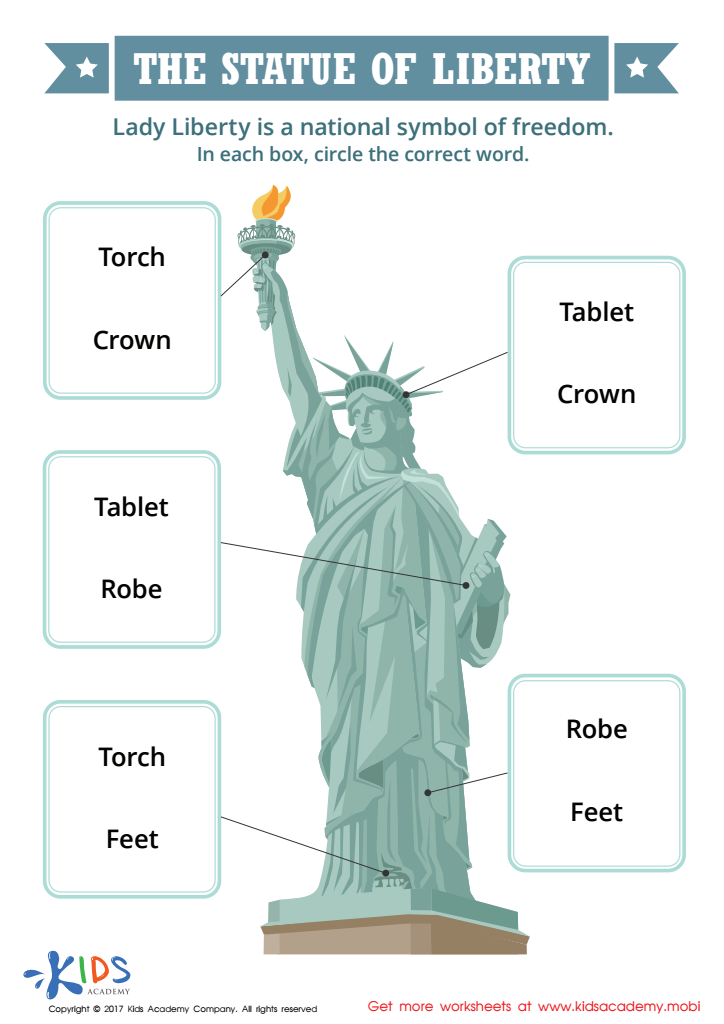
The Statue of Liberty Printable
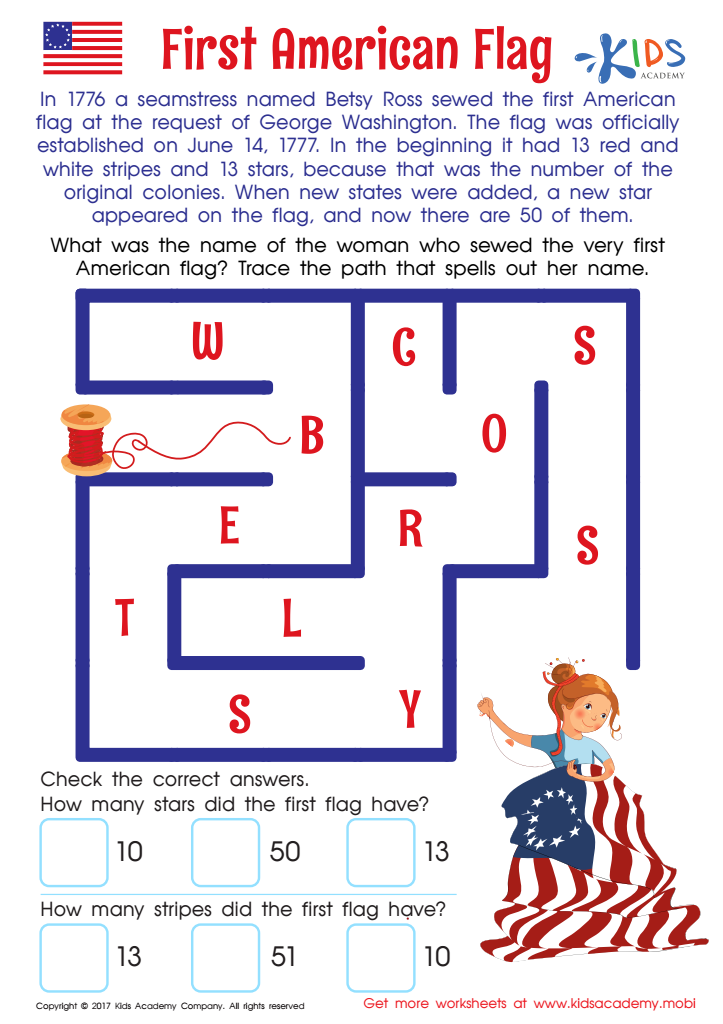
First American Flag Worksheet






.jpg)
Understanding history is crucial for children aged 5-7 as it lays the foundation for broader learning and critical thinking skills. At this early age, kids are beginning to grasp the world around them, and history provides context for their experiences. By learning about historical events and figures, children develop a sense of time and an appreciation for the diverse cultures and traditions that shape society today.
Engaging with history helps young children build empathy and understanding by showing them different ways people have lived and resolved conflicts. For instance, stories about working together against common challenges can impart values like teamwork and perseverance. Additionally, learning history enhances children’s storytelling and comprehension skills, as they frequently narrate and discuss what they learn, enriching their vocabulary and language capabilities.
Parents and teachers play an indispensable role in presenting history in an age-appropriate manner. Using storytelling, visual aids, and hands-on activities makes history relatable and exciting for young minds. Not only does this keep children engaged, but it also instills a lifelong interest in learning about the past, fostering more informed and thoughtful future citizens. In summary, teaching history at an early age helps children understand the world better, promotes key values, and develops essential academic skills.








