Number Recognition Normal Addition and Subtraction Word Problems Worksheets for Ages 5-7
5 filtered results
-
From - To
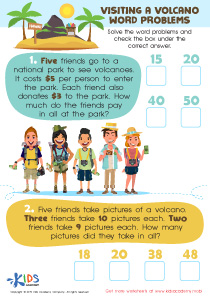
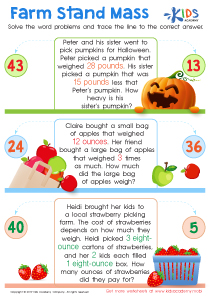
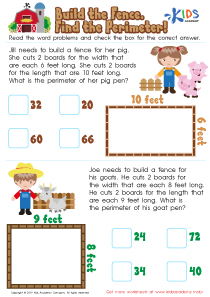
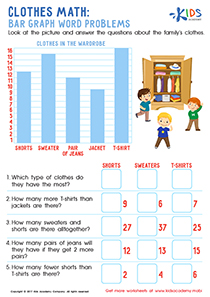
Enhance your child's mathematical skills with our Number Recognition Normal Addition and Subtraction Word Problems Worksheets, designed specifically for ages 5-7. These engaging worksheets help young learners develop their number recognition abilities while solving fun and relatable word problems. Each worksheet provides a variety of scenarios that encourage critical thinking and comprehension, making math enjoyable and interactive. Perfect for reinforcing classroom lessons or for at-home practice, these resources help children confidently tackle addition and subtraction challenges. Explore our collection to boost your child's math proficiency, ensuring they build a solid foundation for future learning in a playful and supportive environment.
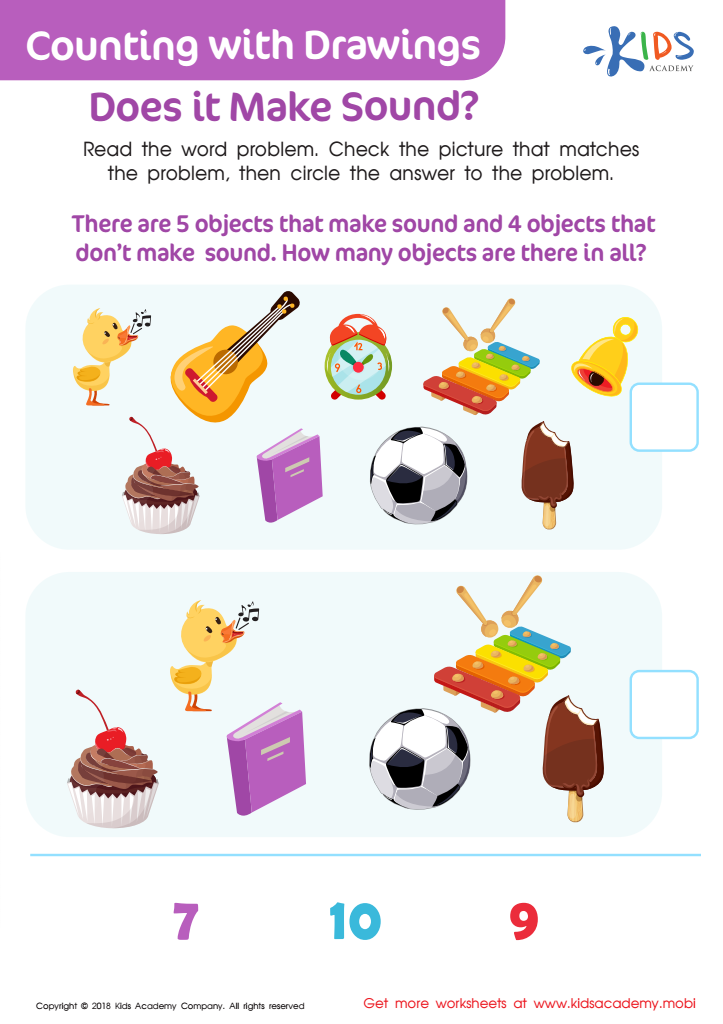
Counting With Drawings. Does It Make Sound? Worksheet
 Assign to My Students
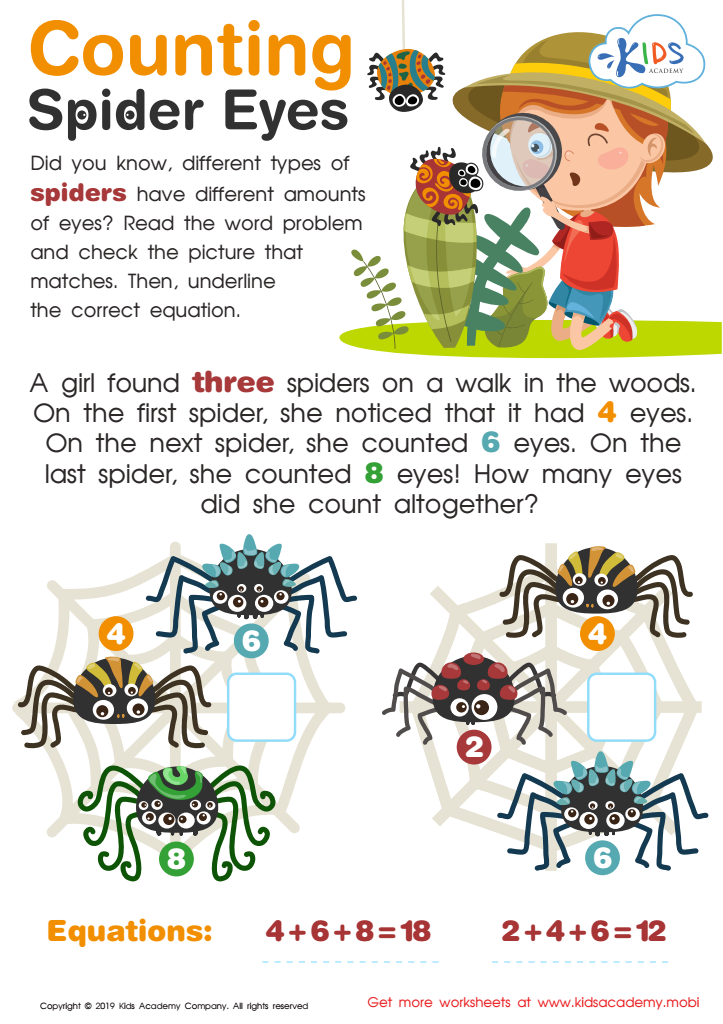
Counting Spider Eyes Worksheet
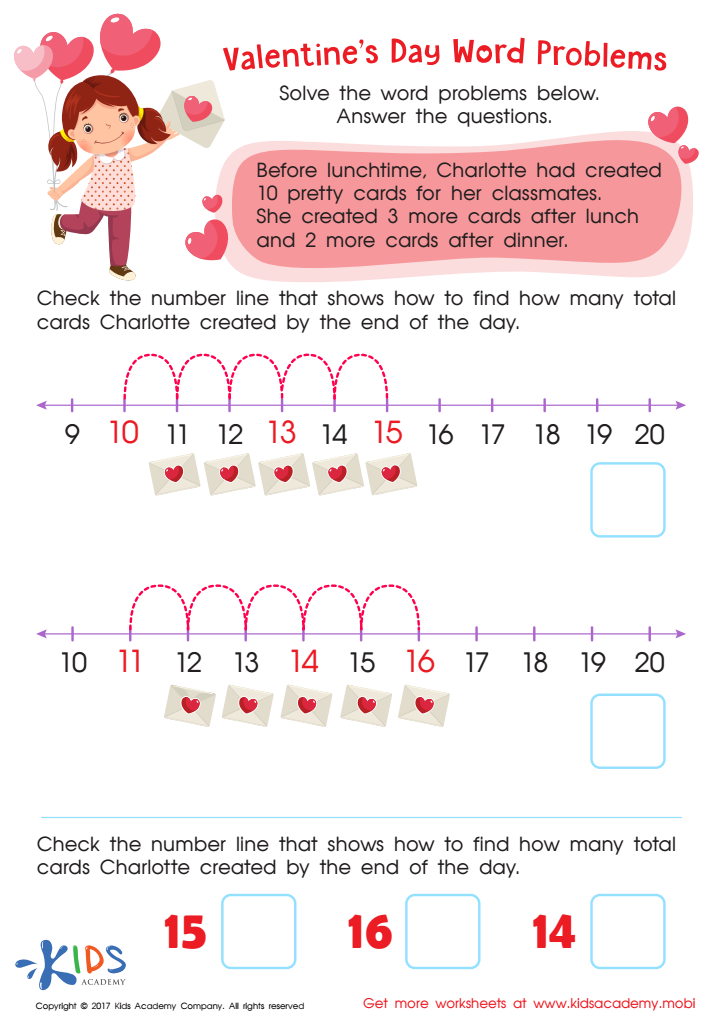
Valentines Day Word Problem Worksheet
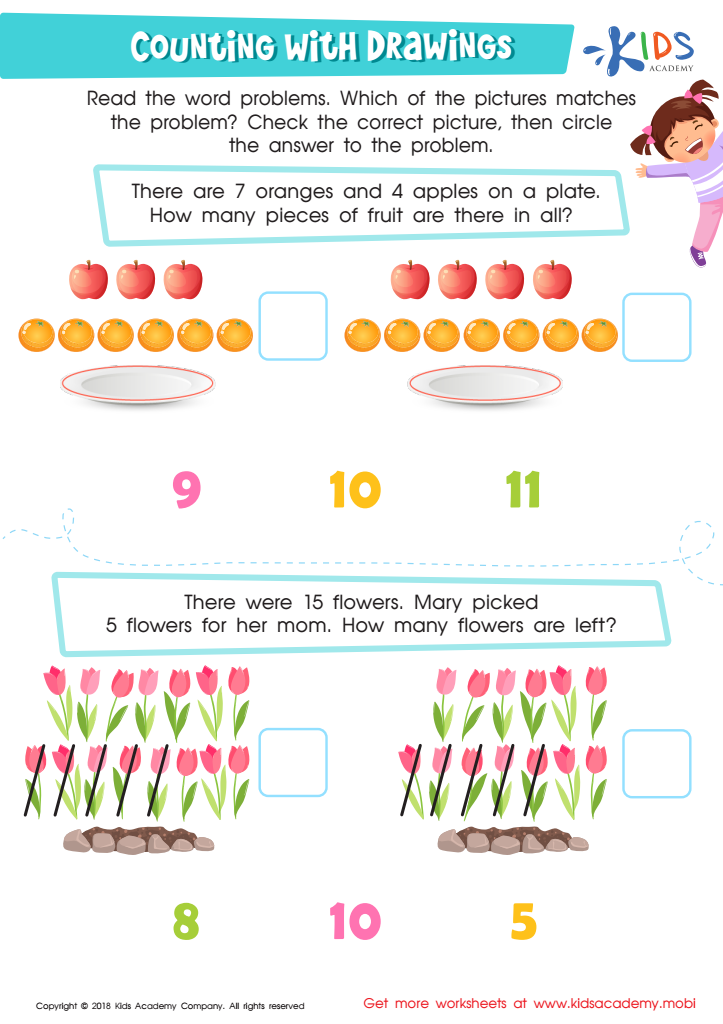
Counting with Drawings: Fruits & Chocolates Worksheet
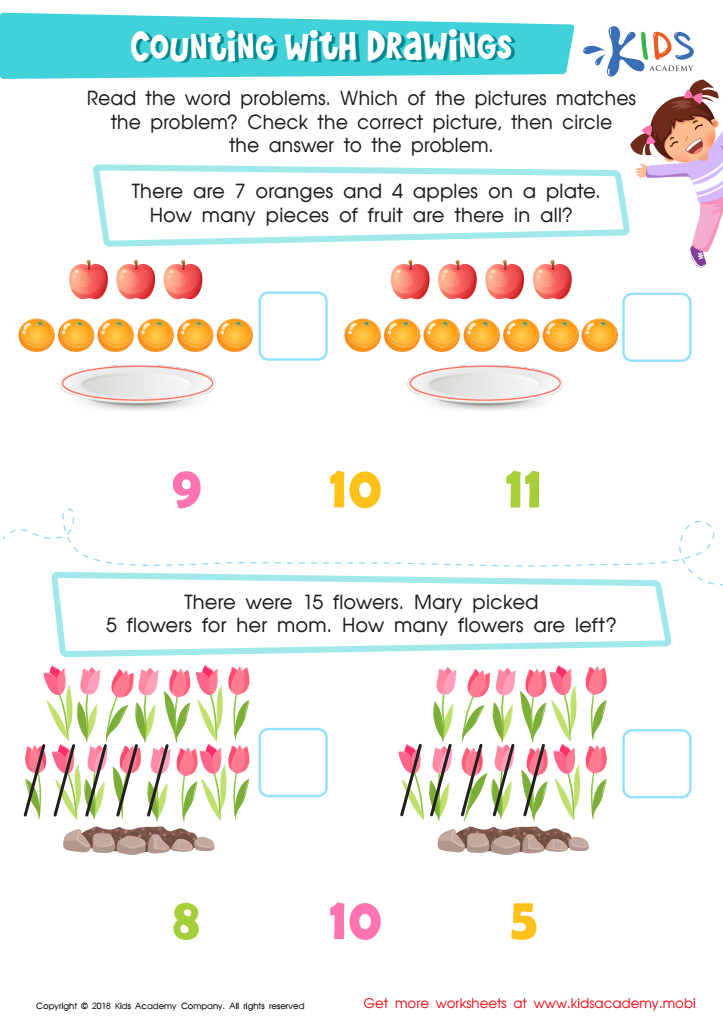
Counting with Drawings:Fruits & Flowers Worksheet








Number recognition, along with basic addition and subtraction word problems, is crucial for children's early mathematical development from ages 5 to 7. At this stage, children form foundational skills necessary for later academic success. Number recognition enables them to identify, count, and understand the significance of numbers, which is essential for everyday tasks and future mathematical concepts.
Understanding simple addition and subtraction through word problems fosters critical thinking and problem-solving abilities. It encourages children to engage with mathematics in a relatable context, connecting their learning to real-world situations. By processing information in word problems, children learn how to translate ideas into mathematical equations, enhancing their comprehension skills.
Moreover, tackling these problems boosts confidence and independence in young learners. When teachers and parents prioritize these skills, they help cultivate a positive attitude towards math, reducing anxiety associated with the subject later in life.
In essence, a strong grasp of number recognition and basic operations is vital for academic achievement. By supporting children in this area, adults play a key role in preparing them for future educational milestones and fostering a lifelong love of learning. Ultimately, these foundational skills are essential not only for academics but also for daily problem-solving in real life.