Learning addition Normal Numbers Worksheets for Ages 5-7
4 filtered results
-
From - To
Unlock the joy of math with our "Learning Addition Normal Numbers Worksheets for Ages 5-7" crafted to develop essential arithmetic skills in young learners. These worksheets are designed to make learning fun and engaging, offering a variety of colorful and interactive exercises that simplify the concepts of addition. Tailored to fit the unique developmental stages of children aged 5-7, these resources enhance numerical proficiency through hands-on practice with normal numbers. Give your child the tools to excel in math, build confidence, and foster a love for learning with our expertly designed addition worksheets.
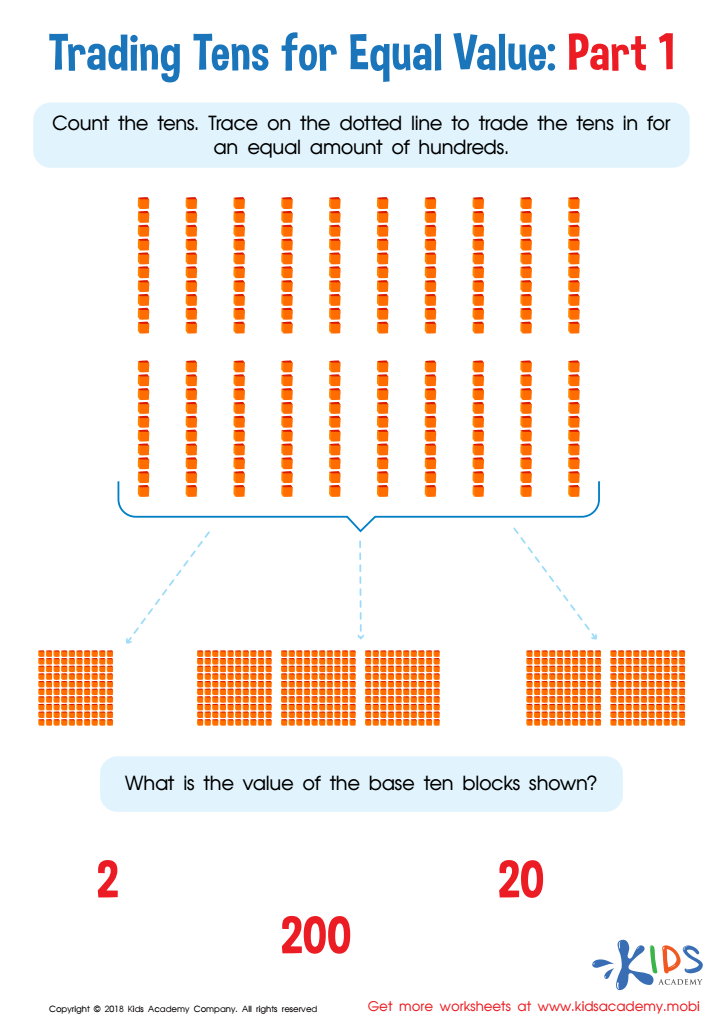
Trading Tens for Equal Value Worksheet: Part 1
 Assign to My Students
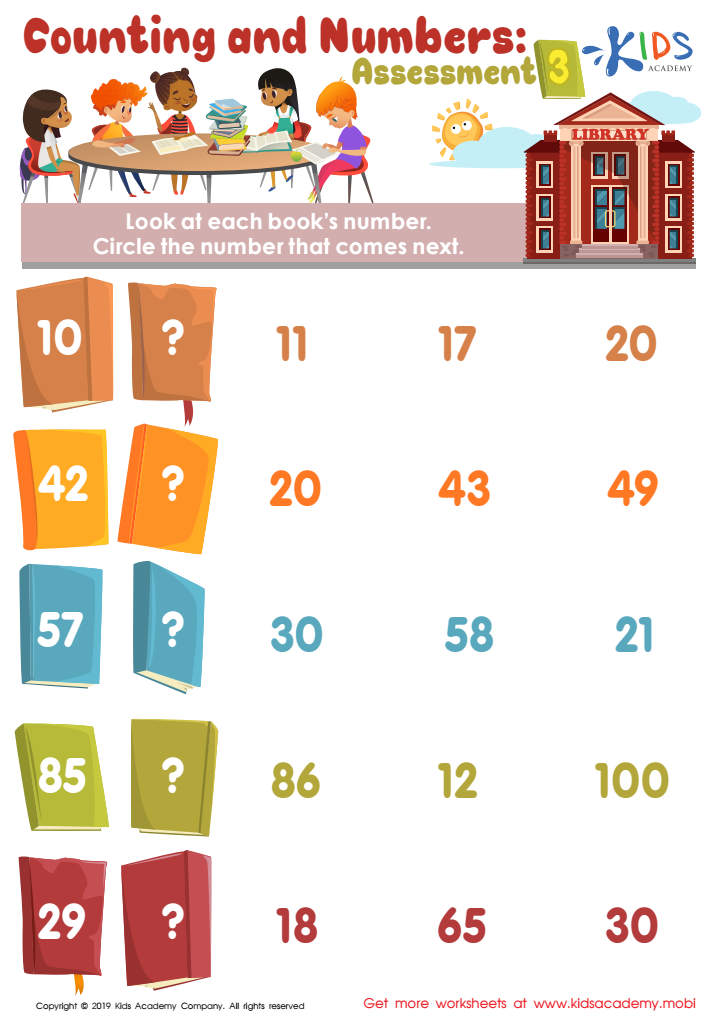
Counting and Numbers: Assessment Worksheet
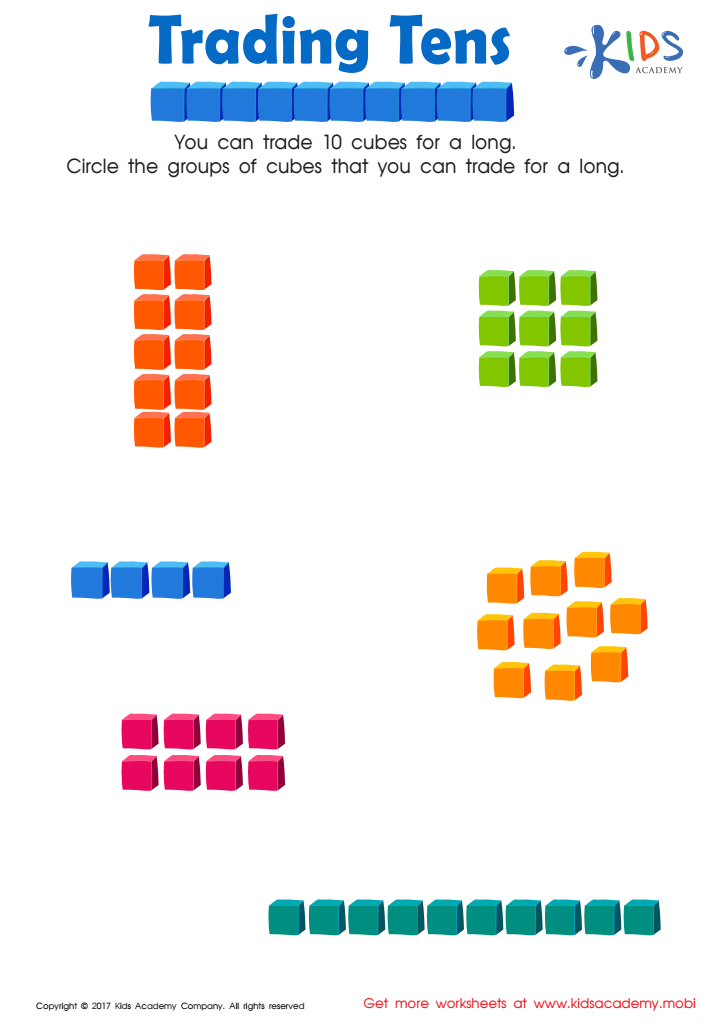
Trading Tens Worksheet
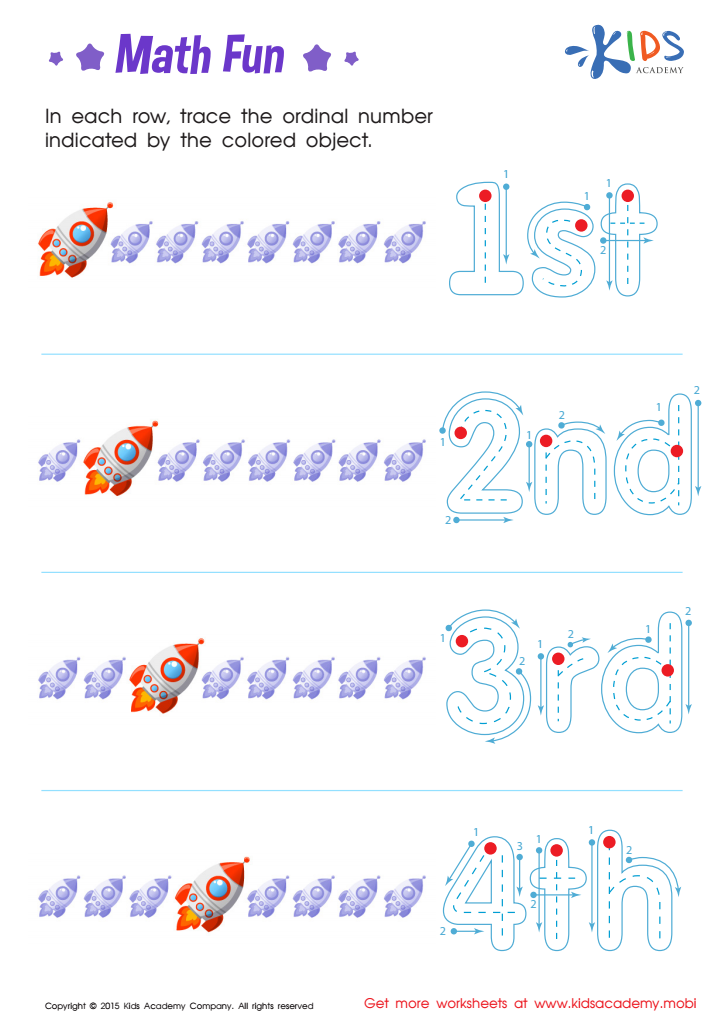
Ordinal Numbers: Math Fun Worksheet








Learning addition at the ages of 5-7 is a crucial milestone in a child's educational journey and overall cognitive development. During these formative years, children are highly receptive to new concepts, and understanding addition lays the foundational groundwork for future math skills. Parents and teachers should prioritize this learning because it develops essential cognitive abilities like problem-solving, critical thinking, and logical reasoning.
Additionally, mastering basic addition helps build a child's confidence and curiosity in math, fostering a positive attitude toward the subject that can influence their performance in higher grades. Practicing addition also enhances a child's ability to comprehend more complex concepts involving arithmetic functions such as subtraction, multiplication, and division, creating a smoother transition to advanced topics.
Engagement with numbers through addition activities contributes to practical life skills. Children learn to count money, tell time, and measure quantities, all vital for everyday interactions.
Overall, early proficiency in addition not only supports academic achievement but also equips children with tools for effective everyday functioning. Therefore, parents and teachers, by melding their efforts, can create stimulating environments both at home and at school to nurture a child's mathematical growth and intellectual curiosity.








