Visual discrimination Normal Math Worksheets for Ages 5-7
8 filtered results
-
From - To
Enhance your child's learning experience with our Visual Discrimination Normal Math Worksheets specifically designed for ages 5-7. These engaging worksheets help children develop essential skills by challenging them to identify differences and similarities in shapes, patterns, and numbers. By honing their visual perception, your child will improve their math problem-solving abilities and enhance their critical thinking. Perfect for home or classroom use, our worksheets are fun and interactive, ensuring that learning is enjoyable. Foster your child's confidence in math with our thoughtfully crafted exercises that cater to their developmental needs. Explore our diverse collection today and watch your child's skills soar!
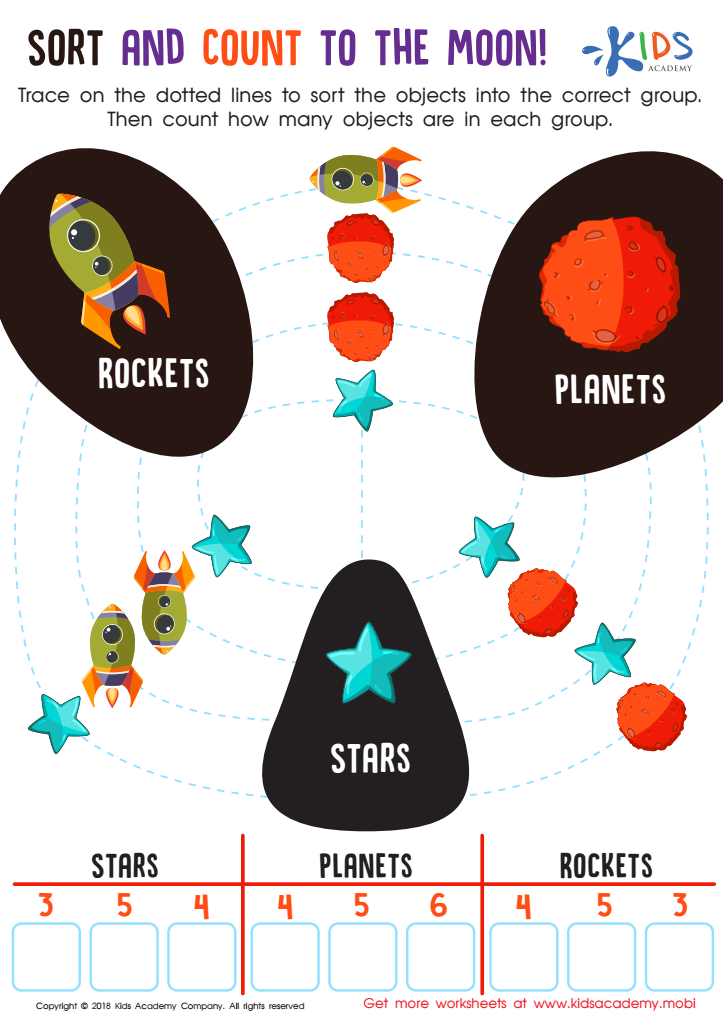
Sort and Count to the Moon Worksheet
 Assign to My Students
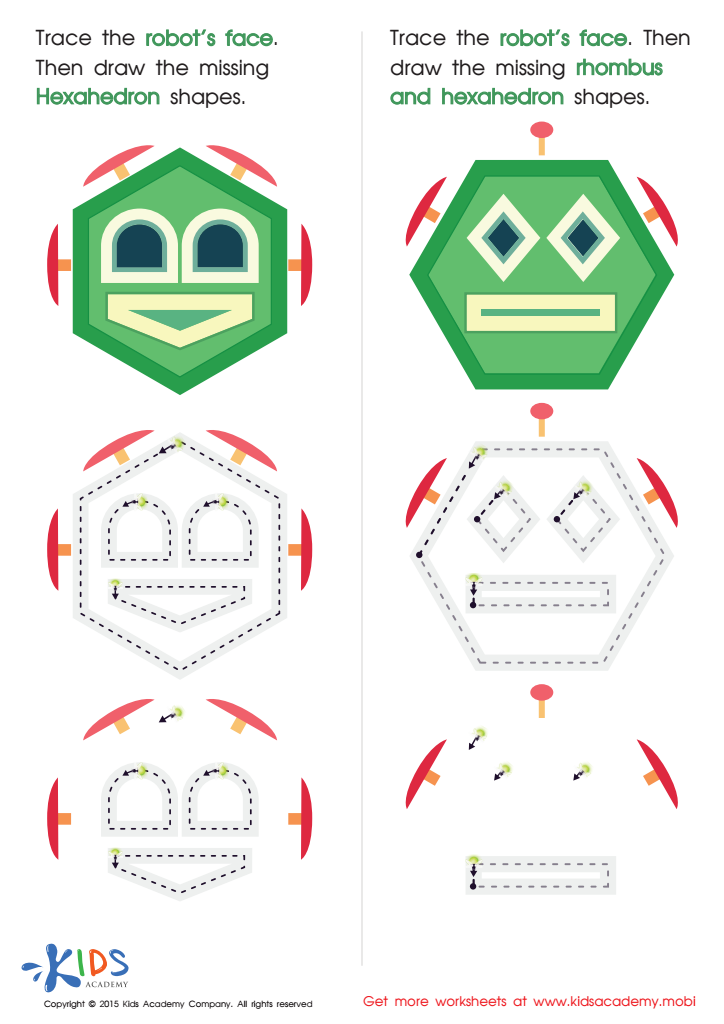
Practice Drawing Hexahedrons And a Rhombus Worksheet
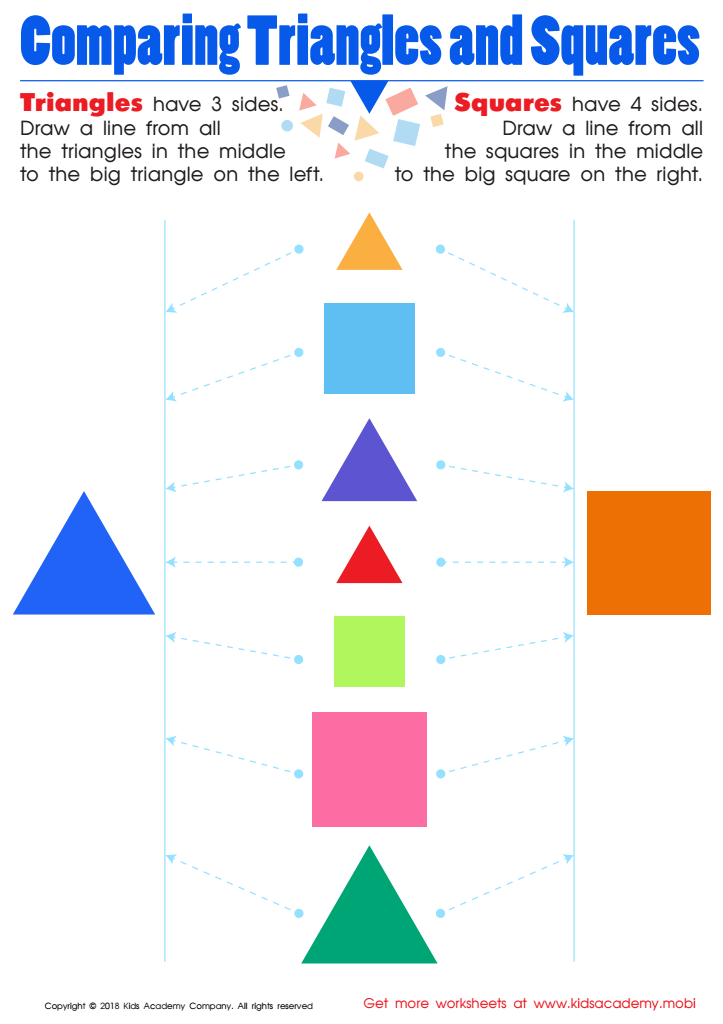
Comparing Triangles Squares Worksheet
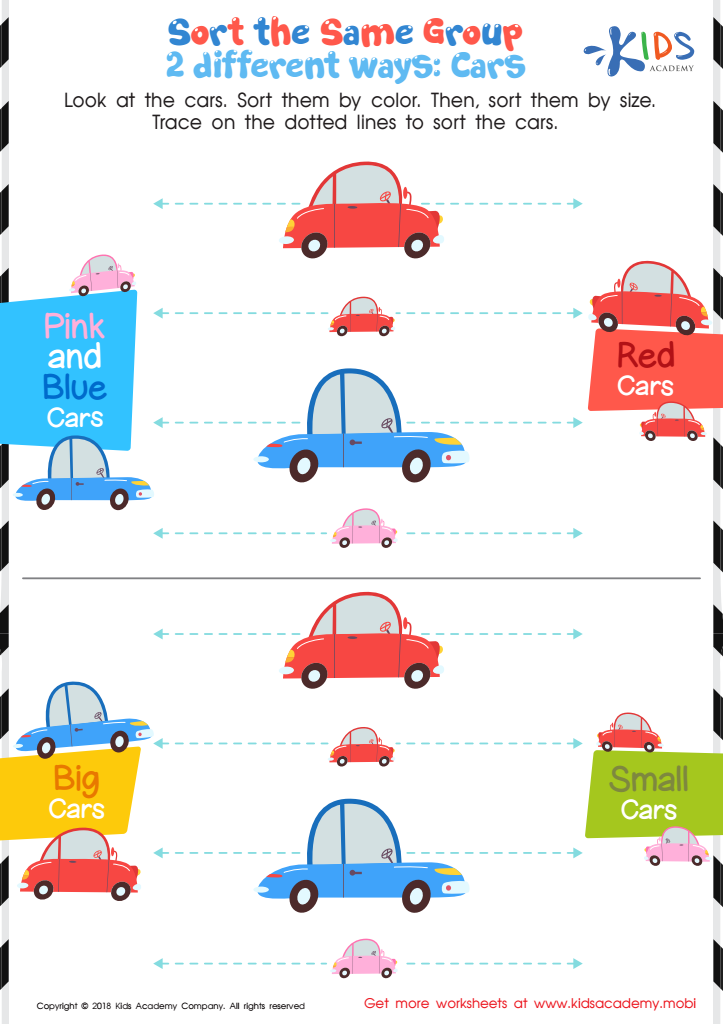
Sort the Same Group 2 Different Ways: Cars Worksheet
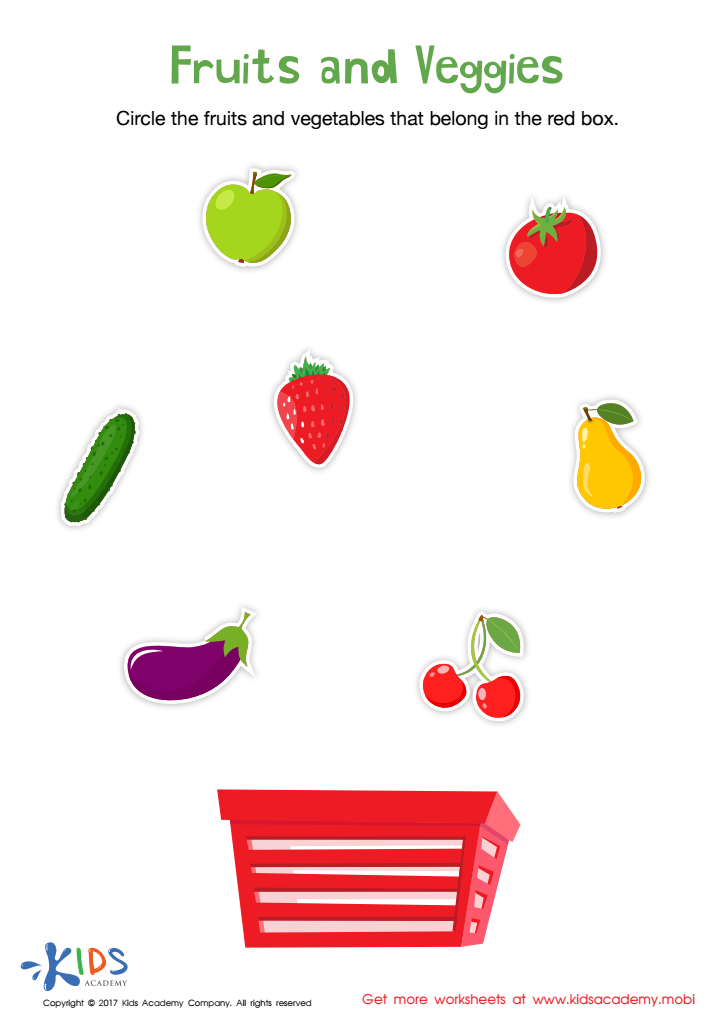
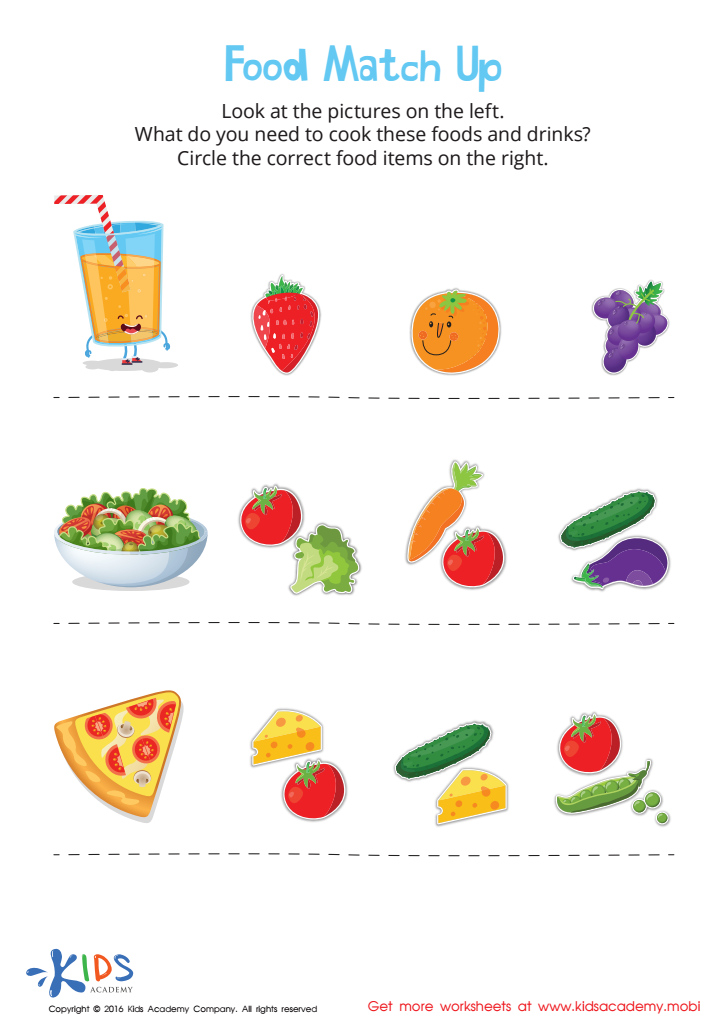
Food Match Up Worksheet
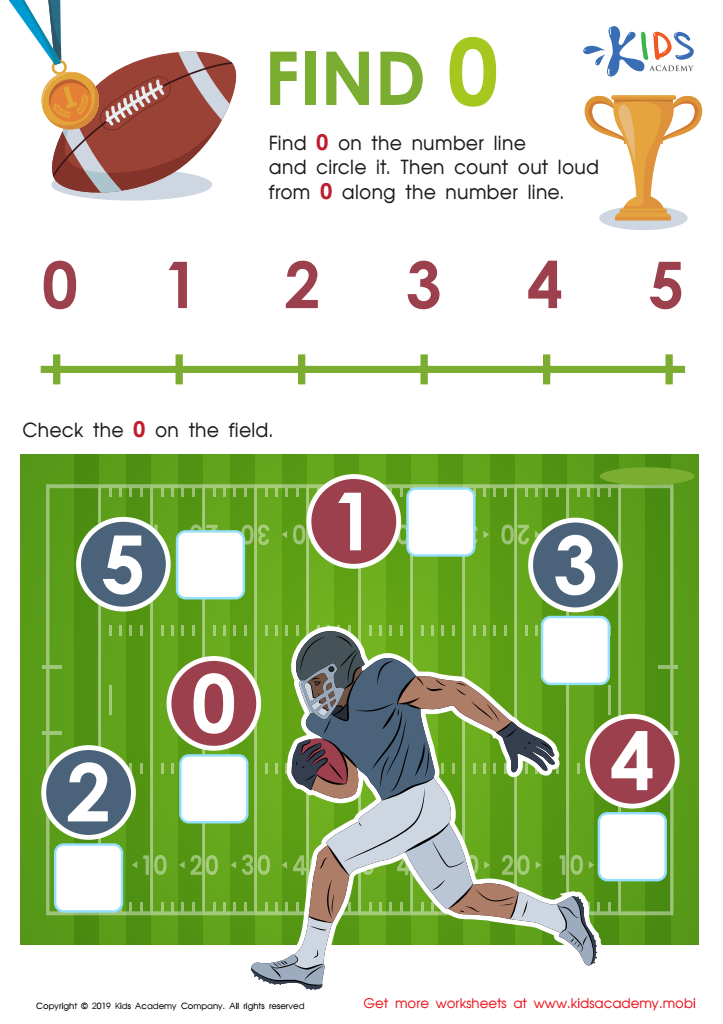
Find 0 Worksheet
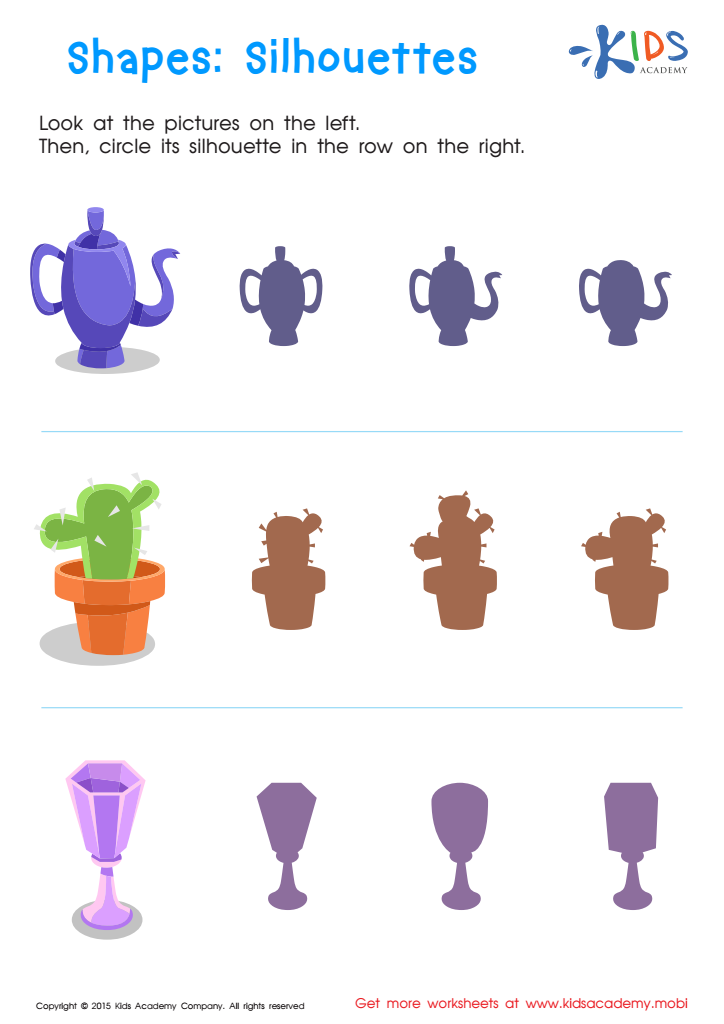
Silhouettes – Shapes Worksheet






.jpg)

Visual discrimination is a crucial skill for children aged 5-7 as it lays the foundation for academic success, especially in math. This skill refers to the ability to notice and interpret differences and similarities in visual information, such as shapes, sizes, colors, and patterns. For young learners, developing strong visual discrimination helps them identify numbers, differentiate between specific mathematical symbols, and comprehend spatial relationships—an essential aspect of many mathematical concepts.
Parents and teachers should prioritize visual discrimination training because it can significantly enhance a child's problem-solving abilities and cognitive skills. When kids can quickly and accurately identify differences, they are better equipped to tackle basic math problems involving addition, subtraction, and even more complex operations as they progress. Additionally, strong visual discrimination skills also support reading development by helping children distinguish between letters and words.
Beyond academics, visual discrimination fosters critical thinking and observational skills that are vital in everyday life. Children who excel in visual discrimination are more likely to develop confidence in their abilities, making learning a more enjoyable experience. Overall, investing in this skill not only benefits their mathematical comprehension but also nurtures a well-rounded educational foundation for lifelong learning.








