
Division practice Normal Word Problems Worksheets for Ages 5-7
4 filtered results
Difficulty Level
Grade
Age
-
From - To
Subject
Activity
Standards
Explore our engaging Division Practice Normal Word Problems Worksheets designed specifically for young learners aged 5-7. These worksheets help students develop essential math skills by solving real-life scenarios that involve division. With colorful illustrations and age-appropriate language, children will enjoy practicing their division skills in a fun and interactive way. Each worksheet encourages problem-solving and critical thinking, allowing kids to apply their knowledge in a practical context. Perfect for classroom use or at-home learning, these worksheets support early math education and nurture a love for learning. Download and watch your child's confidence in math grow!
Favorites
With answer key
Interactive
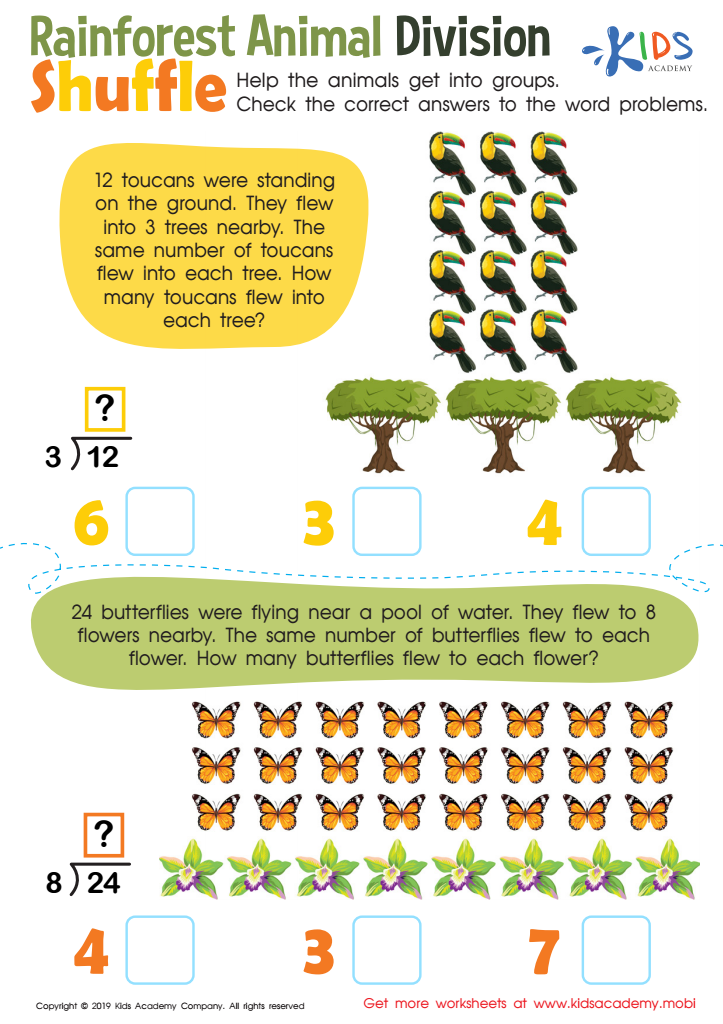
Rainforest Animal Division Worksheet
Children can save the rainforest and learn about division with this worksheet! It helps kids understand that division involves creating equal groups of specific numbers, and with its visual representation, they can grasp the concept more easily. They'll have fun learning about their place in the world and their role in protecting the environment.
 Assign to My Students
Rainforest Animal Division Worksheet
Worksheet
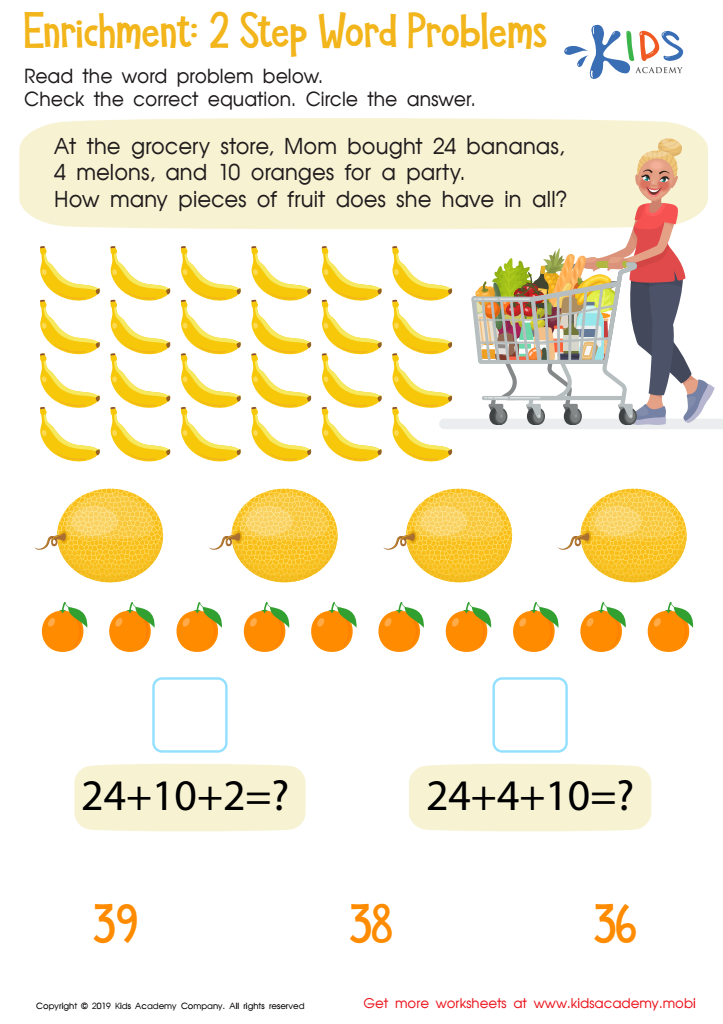
Enrichment -2 Step Word Problems Worksheet
Help your students learn math easier and faster with this colorful worksheet. Read the word problem and then guide them in checking the correct equation and finding the answer. Your students will benefit from the extra help, as they work through new concepts each day.
Enrichment -2 Step Word Problems Worksheet
Worksheet
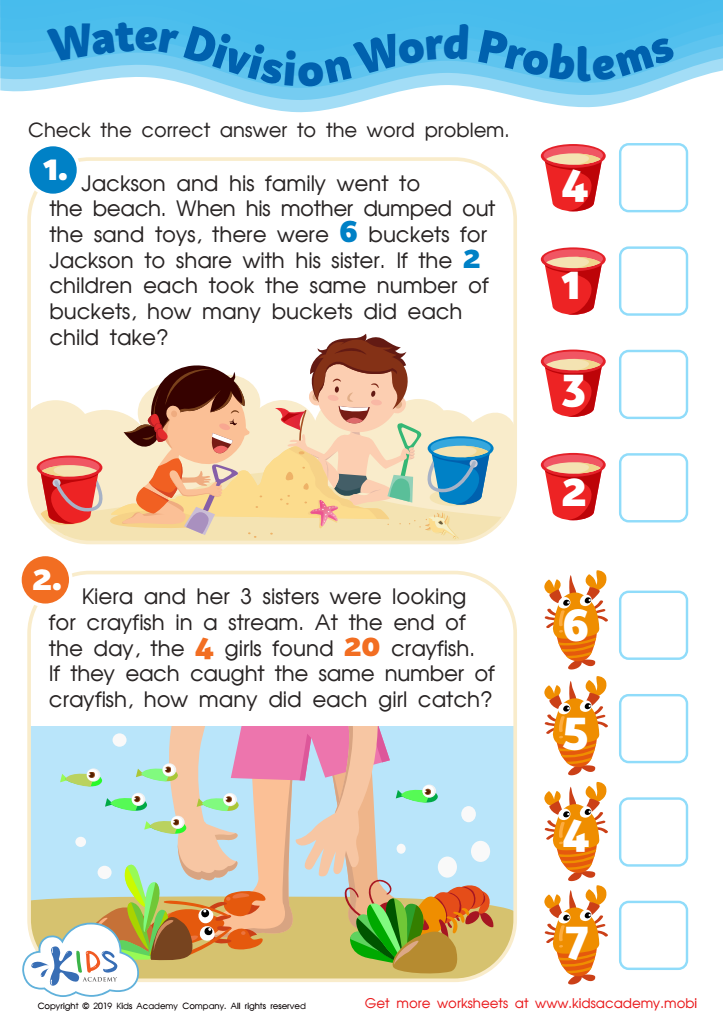
Water Division Word Problems Worksheet
Kids can sharpen their math skills with this fun PDF! They'll see pictures of friends at the beach, plus bold numbers and colorful pictures. All they need to do is read and understand the problem to find the answer - without even realizing they're doing division. A great way to make math enjoyable!
Water Division Word Problems Worksheet
Worksheet
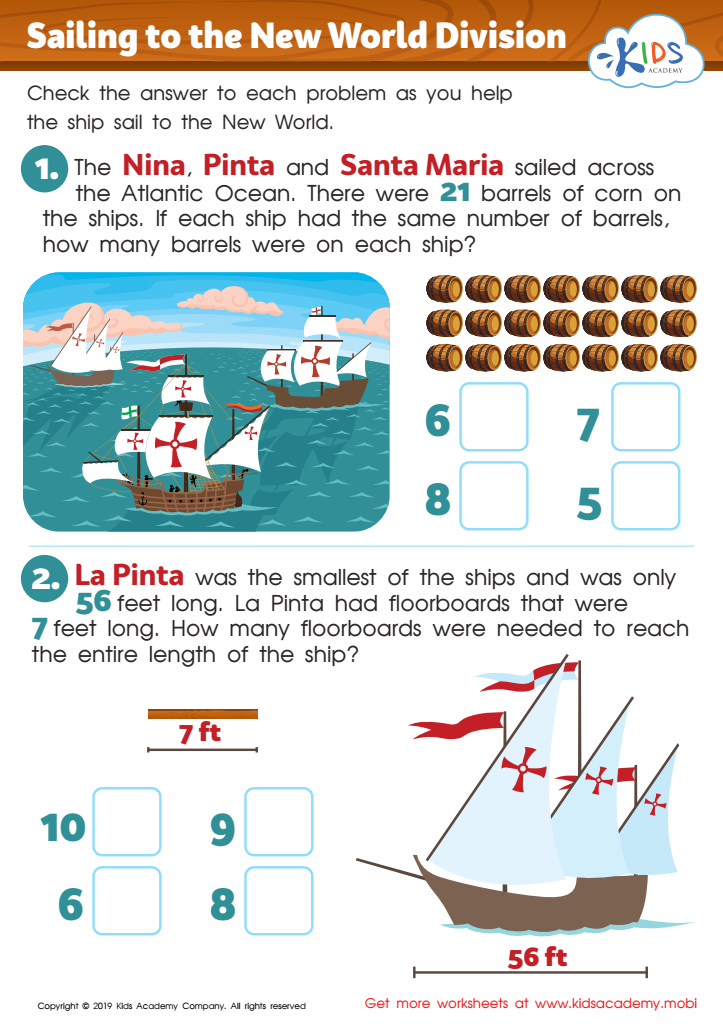
Sailing to the New World Division Worksheet
This worksheet combines history and math, helping kids make sense of problem-solving. Christopher Columbus sailing the ocean blue is combined with picture representations of division word problems in bold colors and highlighted numbers. Kids can learn while having fun figuring out the problems, regardless of whether it's math or history.
Sailing to the New World Division Worksheet
Worksheet
Join Kids Academy for Free
Who is primarily going to use this learning content?




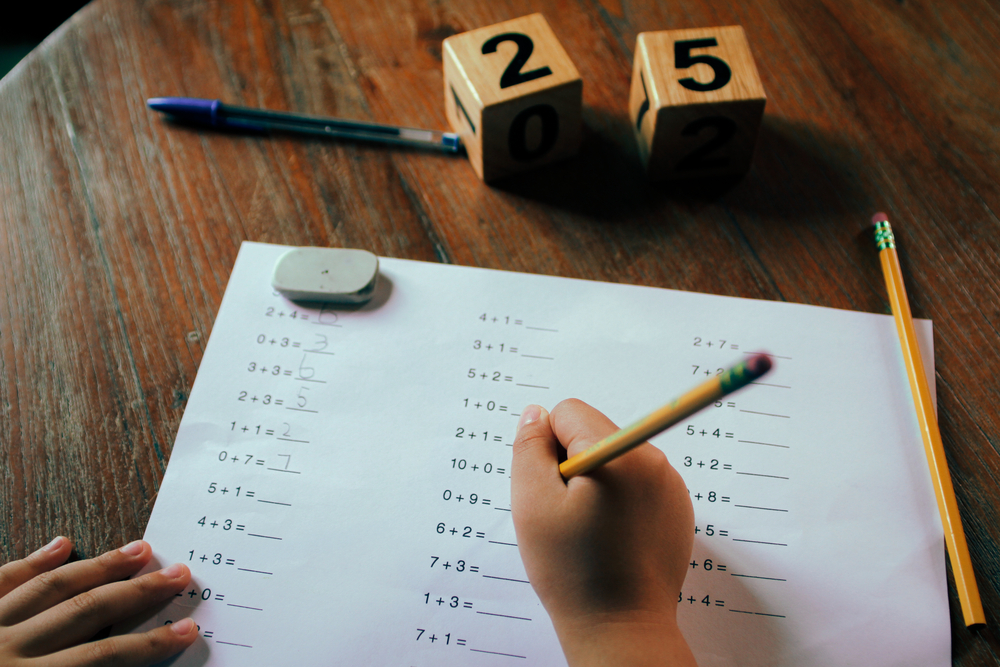



Division practice through normal word problems is essential for children ages 5-7 as it lays the foundation for mathematical understanding and problem-solving skills. At this age, children are developing critical thinking and logical reasoning abilities. Division word problems help them connect abstract mathematical concepts to real-life situations, making learning more relatable and meaningful.
When parents and teachers focus on division word problems, they encourage children to think critically and to understand the relationship between numbers in a tangible context. For instance, when a child learns to divide eight apples among four friends, they not only practice division but also enhance their skills in counting, grouping, and sharing. This holistic approach reinforces cooperation, promotes social skills, and fosters emotional intelligence.
Moreover, these word problems help cultivate persistence and resilience as children work through challenges and learn to derive answers independently. As they encounter and resolve various scenarios, they build confidence in their abilities. By prioritizing division practice in engaging and age-appropriate ways, parents and teachers empower young learners to develop a positive attitude toward math, cementing their skills for future academic endeavors. Thus, parent and teacher involvement is crucial in shaping confident, competent future mathematicians.








