Sentence construction Normal Building Vocabulary Worksheets for Ages 5-7
6 filtered results
-
From - To
Welcome to our Sentence Construction Normal Building Vocabulary Worksheets for children ages 5-7! These engaging worksheets are designed to enhance your child's reading and writing skills by focusing on sentence structure and vocabulary development. With fun and interactive activities, young learners will practice constructing sentences, expanding their vocabulary, and improving their comprehension. Each worksheet includes age-appropriate illustrations and prompts, making learning enjoyable and effective. Perfect for classroom use or at-home practice, these resources support your child’s journey to becoming confident communicators. Explore our extensive collection and help your child build a solid foundation in language arts!
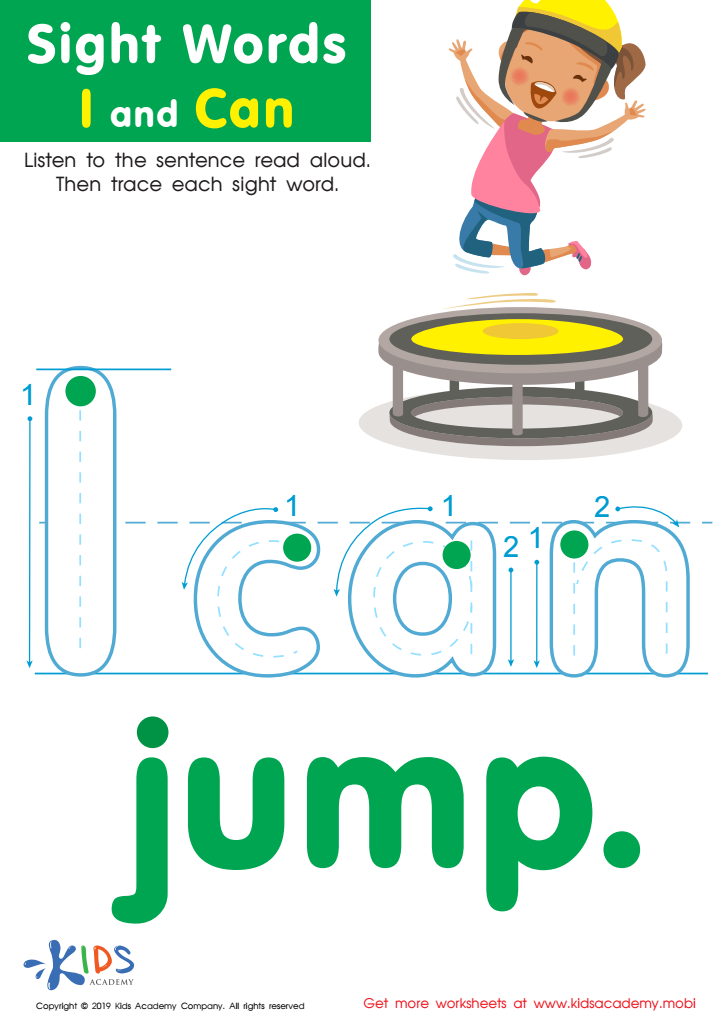
Sight Words I Can Worksheet
 Assign to My Students











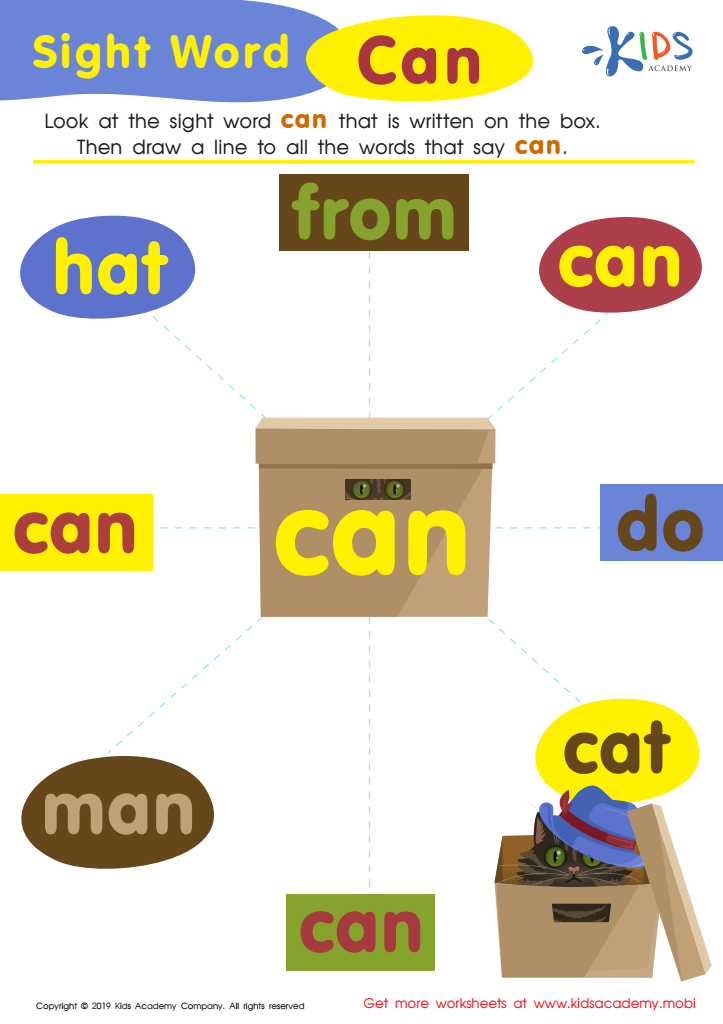
Sight Word Can Worksheet
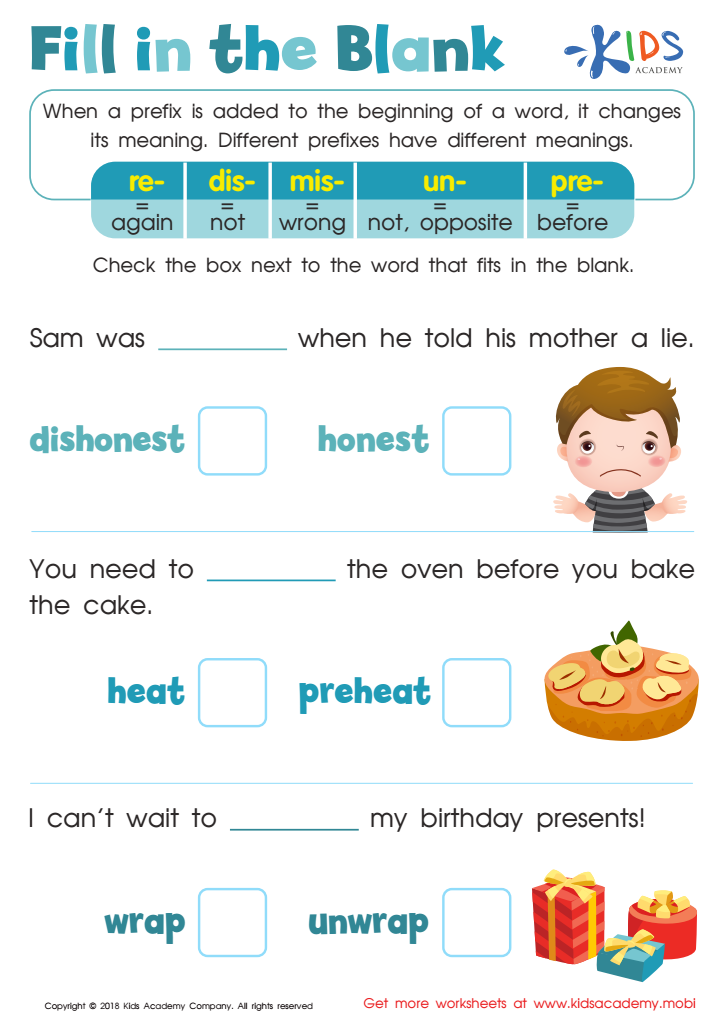
Reading: Fill in the Blank Worksheet
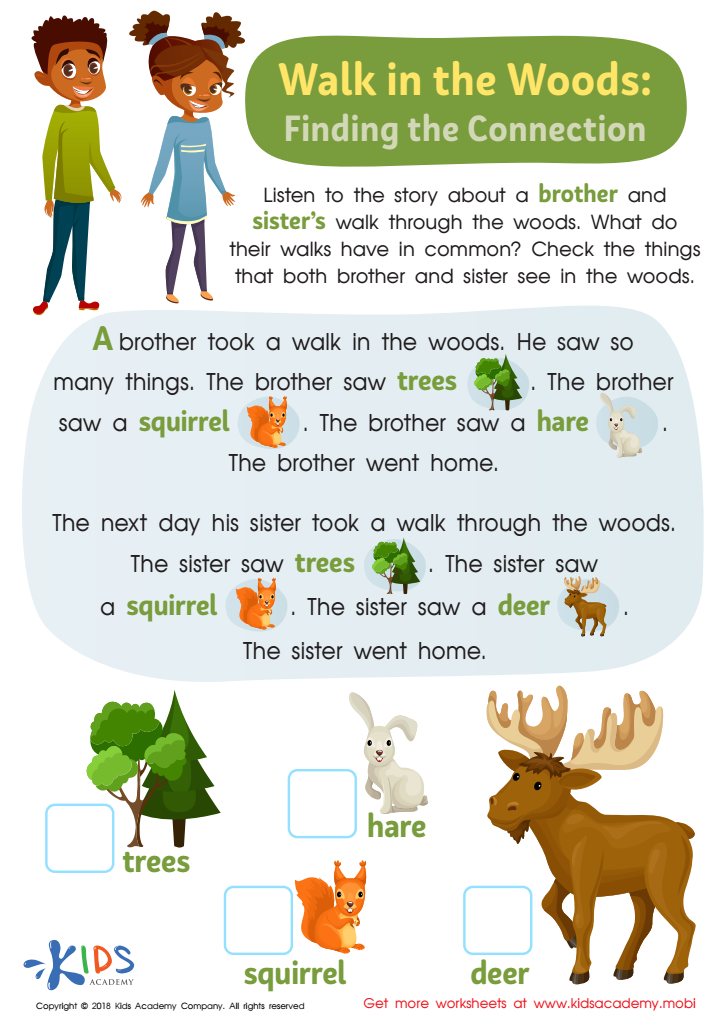
Walk In the Woods: Finding Connections Worksheet
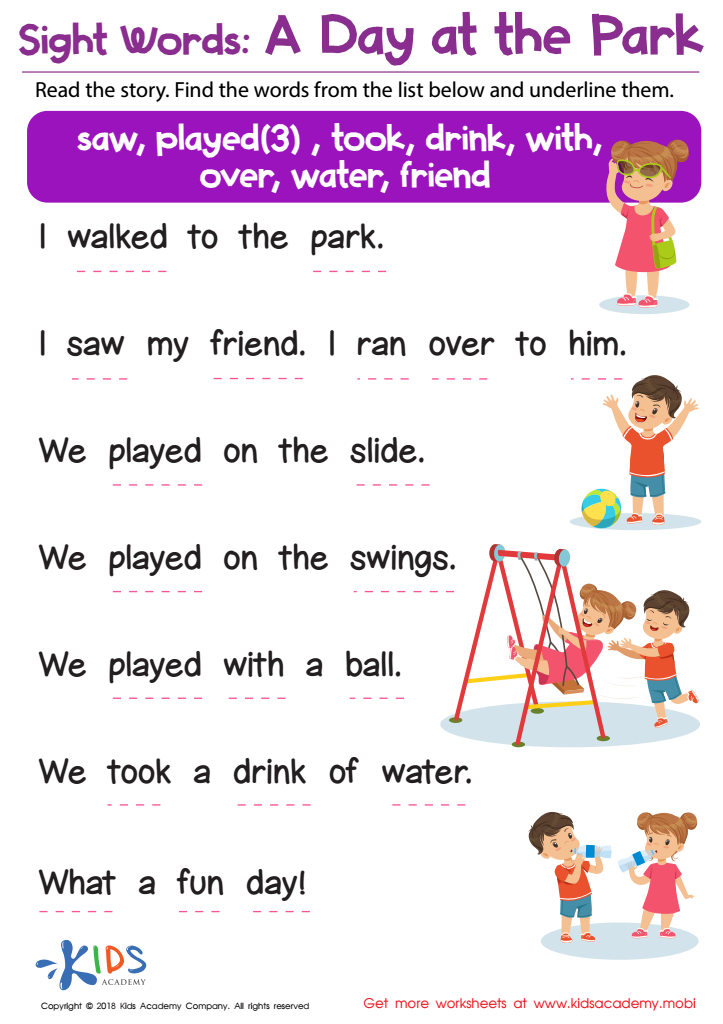
Sight Words: A Day at the Park Worksheet
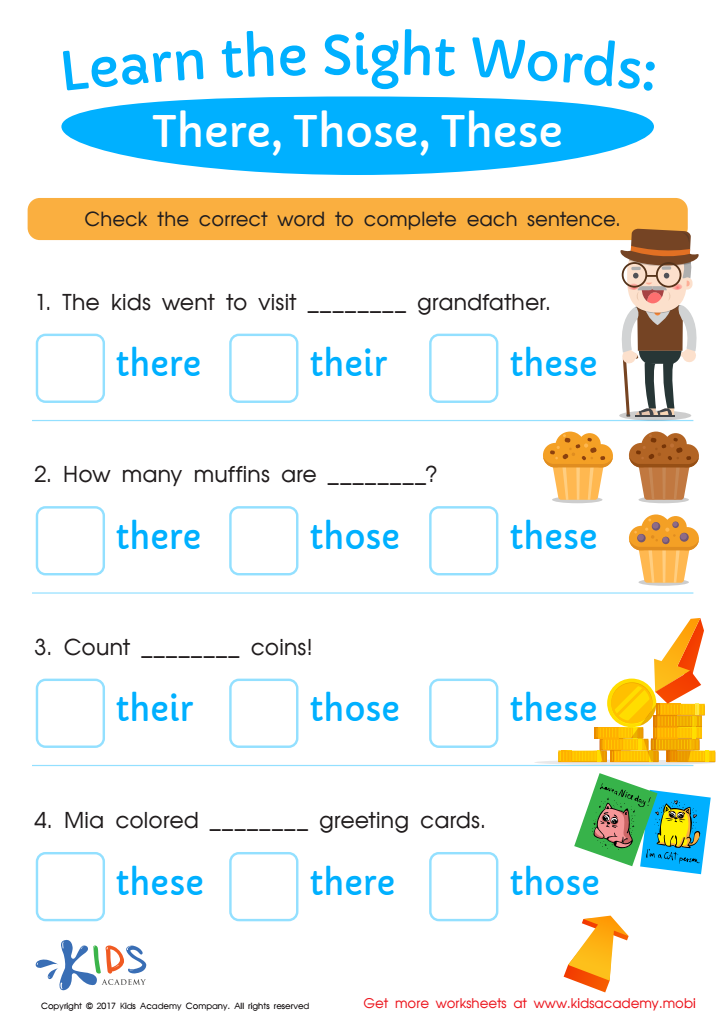
There, Those and These Sight Words Worksheet








Developing sentence construction and building vocabulary in children aged 5-7 is crucial for several reasons. Firstly, this foundational skill enhances communication abilities. When children can articulate their thoughts clearly, they gain confidence in expressing themselves, leading to better social interactions and relationships with peers.
Moreover, vocabulary and sentence structure are interconnected. As children learn new words, they also learn how to use these words in context, which sharpens their understanding and aids comprehension. This is particularly important as they begin to read more complex texts in chronological order, which often require a stronger grasp of sentence structure and vocabulary.
Additionally, proficient sentence construction contributes to academic success. Children who can compose clear, grammatically correct sentences are better equipped for classroom activities, such as writing assignments or participating in discussions. This skill also supports their development in subjects like reading and science, where precise language is essential.
Lastly, the ability to build vocabulary and construct sentences encourages cognitive development. It helps children think critically and creatively, as they find new ways to express ideas. By nurturing these skills early, parents and teachers can set the stage for lifelong learning and literacy, fostering a love for language that benefits children well beyond age 7.








