Spelling improvement Normal Building Vocabulary Worksheets for Ages 5-7
7 filtered results
-
From - To
Enhance your child's spelling skills with our Spelling Improvement Normal Building Vocabulary Worksheets, specially designed for ages 5-7. These engaging worksheets provide fun and interactive activities that foster vocabulary enrichment and boost spelling confidence. As young learners work through each exercise, they will master essential words, improve pronunciation, and cultivate a love for language. Our resources are aligned with educational standards, ensuring that children develop foundational literacy skills while enjoying the learning process. Start your child's journey toward becoming a confident speller today, and watch them flourish in their reading and writing abilities! Explore our collection of worksheets to get started!
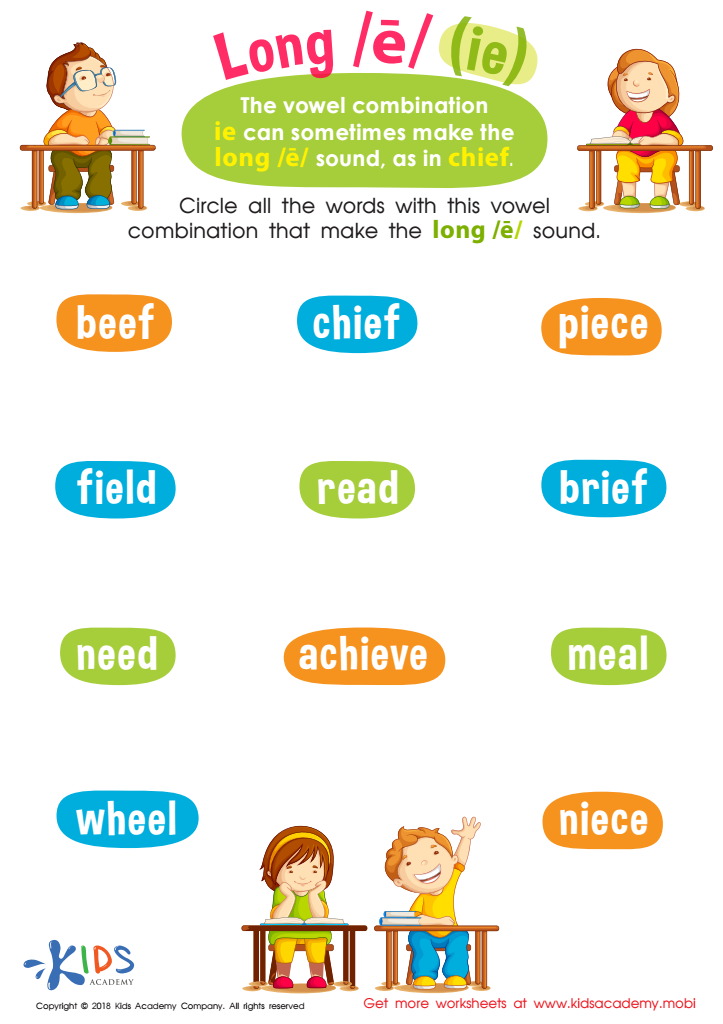
Reading: Long E and IE Worksheet
 Assign to My Students











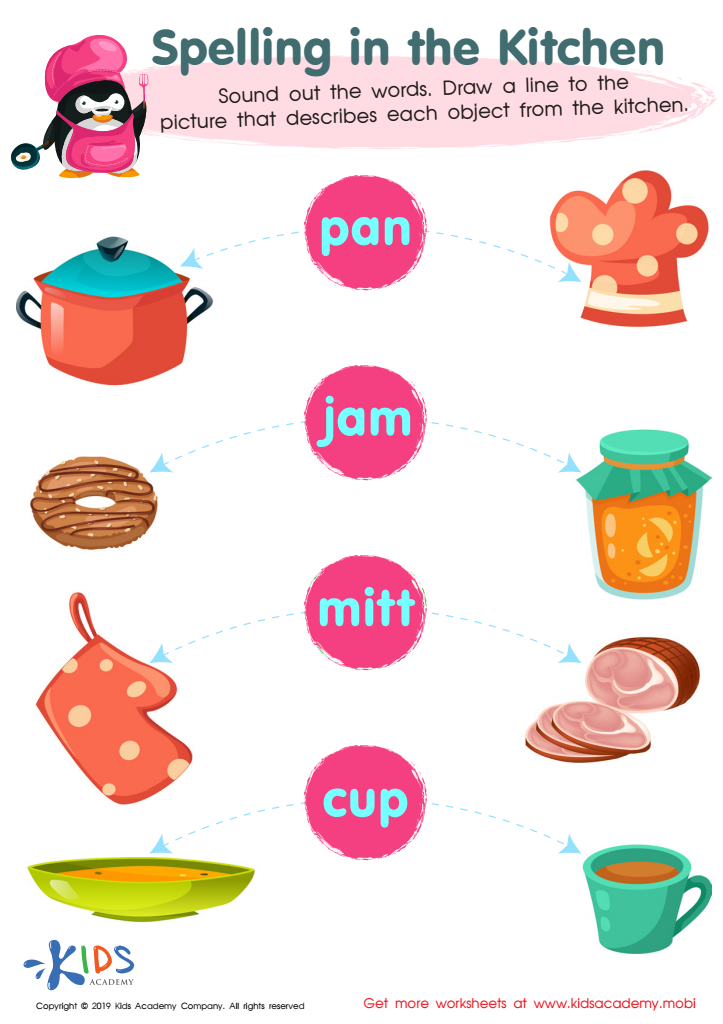
Spelling in the Kitchen Worksheet
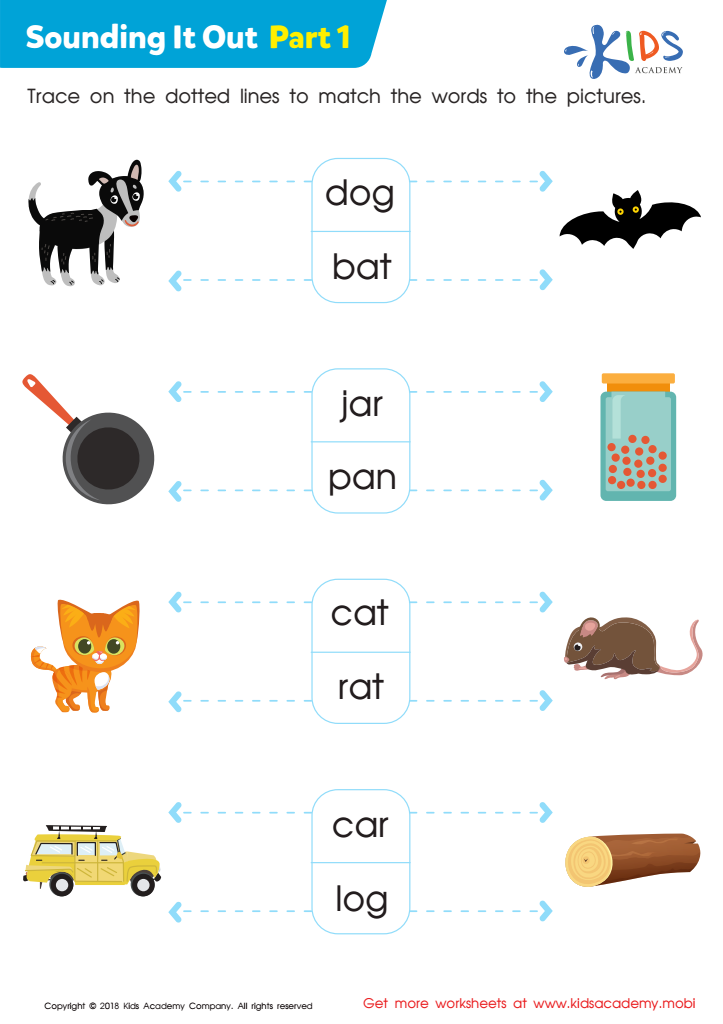
Sounding it Out: Part 1 Worksheet
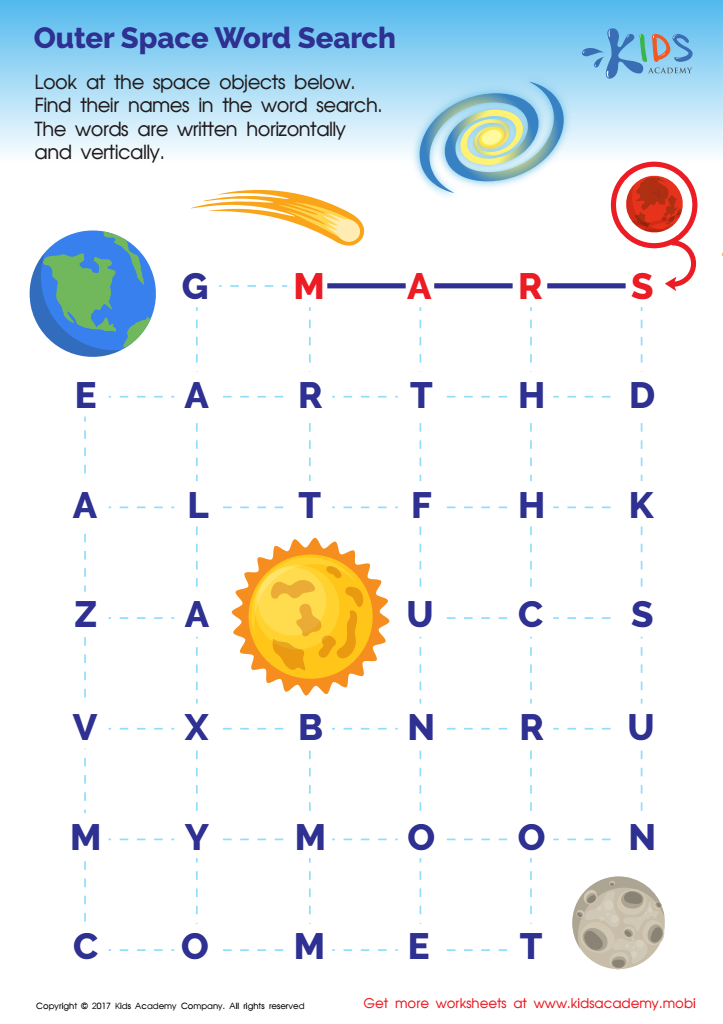
Outer Space Word Search Printable
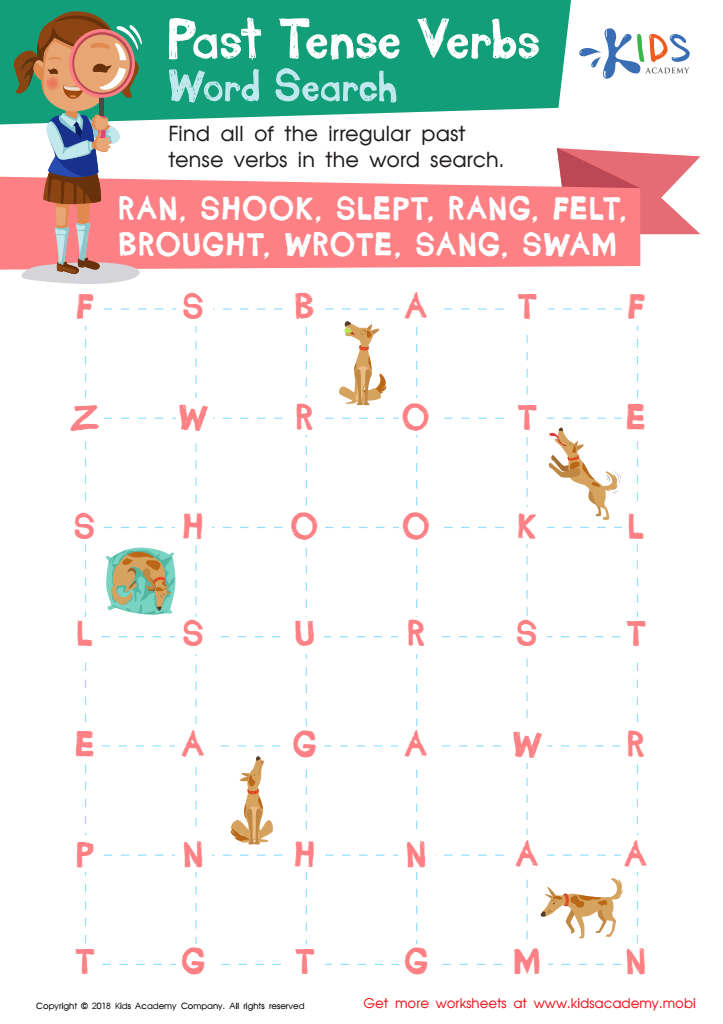
Past Tense Verbs Word Search Worksheet
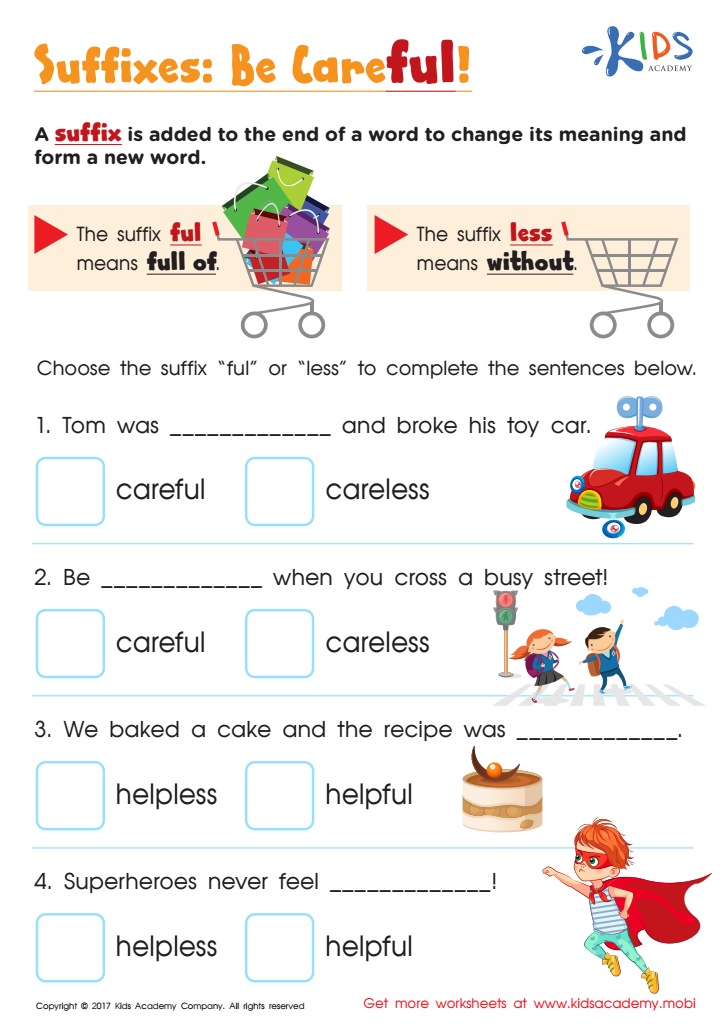
Suffixes Ful and Less Worksheet
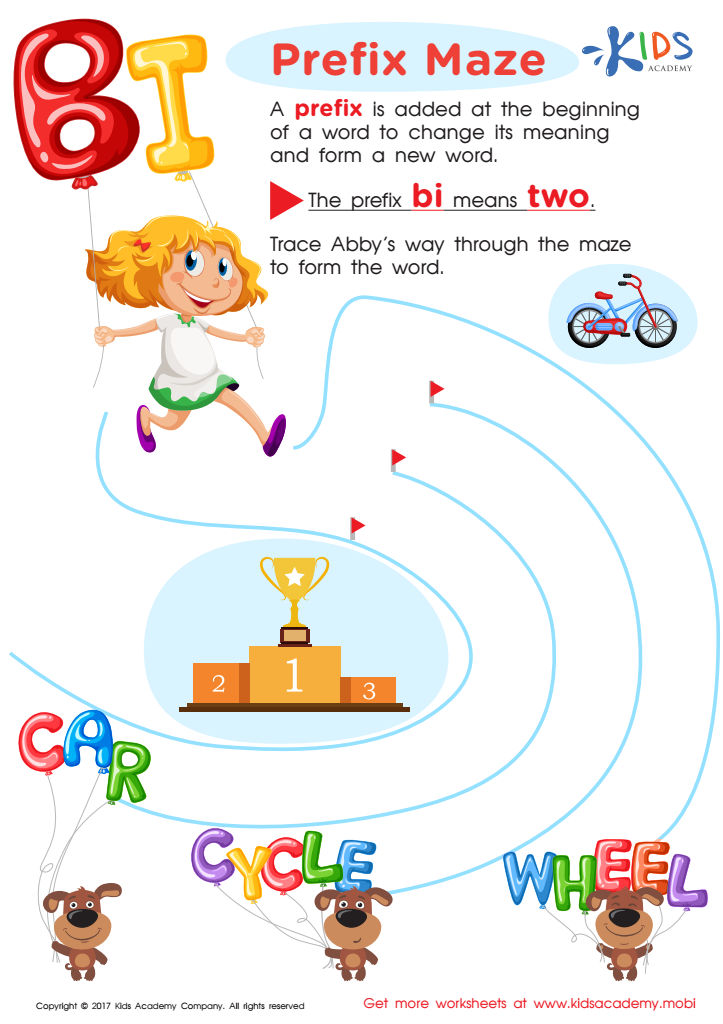
Prefix Bi Words Worksheet






.jpg)

Parents and teachers should prioritize spelling improvement and vocabulary building for children ages 5-7 because these skills serve as foundational elements for overall literacy development. At this critical stage, children are not only learning to read but are also beginning to write and communicate more effectively. Enhancing their spelling skills aids in bolstering their reading comprehension and allows them to express their thoughts clearly.
A strong vocabulary supports cognitive development, helping children to understand and articulate complex ideas as they progress in their education. Exposure to diverse words at a young age encourages curiosity and fosters a love for language, enhancing their ability to participate in discussions and engage with peers. Furthermore, children with robust vocabulary skills often perform better academically, leading to increased confidence and motivation.
Additionally, nurturing spelling and vocabulary skills at home and in the classroom helps create a supportive learning environment, positively impacting children’s social and emotional development. As they become more proficient writers and communicators, they are better prepared for future challenges, paving the way for lifelong learning. Ultimately, investing time in these areas can positively influence children's academic trajectories and promote enthusiastic learners eager to explore the world around them.








