Cognitive Development Normal Animals Worksheets for Ages 5-7
4 filtered results
-
From - To
Explore our engaging Cognitive Development Worksheets focused on Normal Animals for ages 5-7! Designed to promote critical thinking and problem-solving skills, these worksheets feature fun, interactive activities centered around animal recognition, behavior patterns, and habitats. Perfect for early learners, our resources support cognitive growth while introducing important science concepts. Whether in the classroom or at home, these worksheets encourage curiosity and understanding of the animal kingdom. Help your child strengthen their cognitive abilities through enjoyable challenges that foster exploration and learning. Download now and inspire a lifelong love of animals and science! Perfect for both educators and parents!
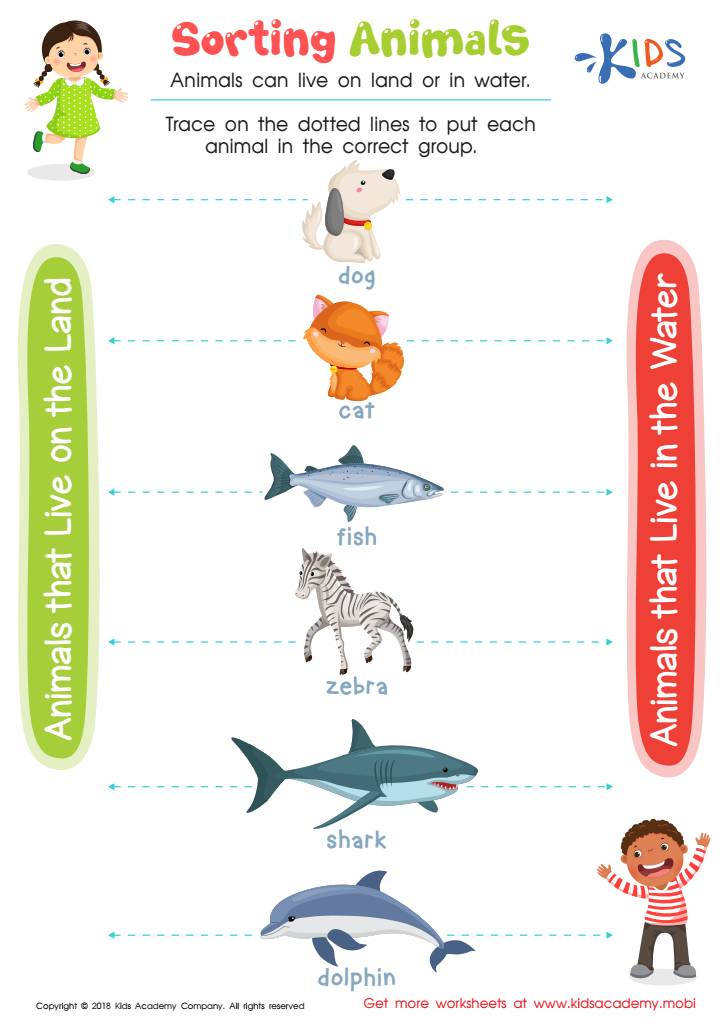
Sorting Animals Worksheet
 Assign to My Students
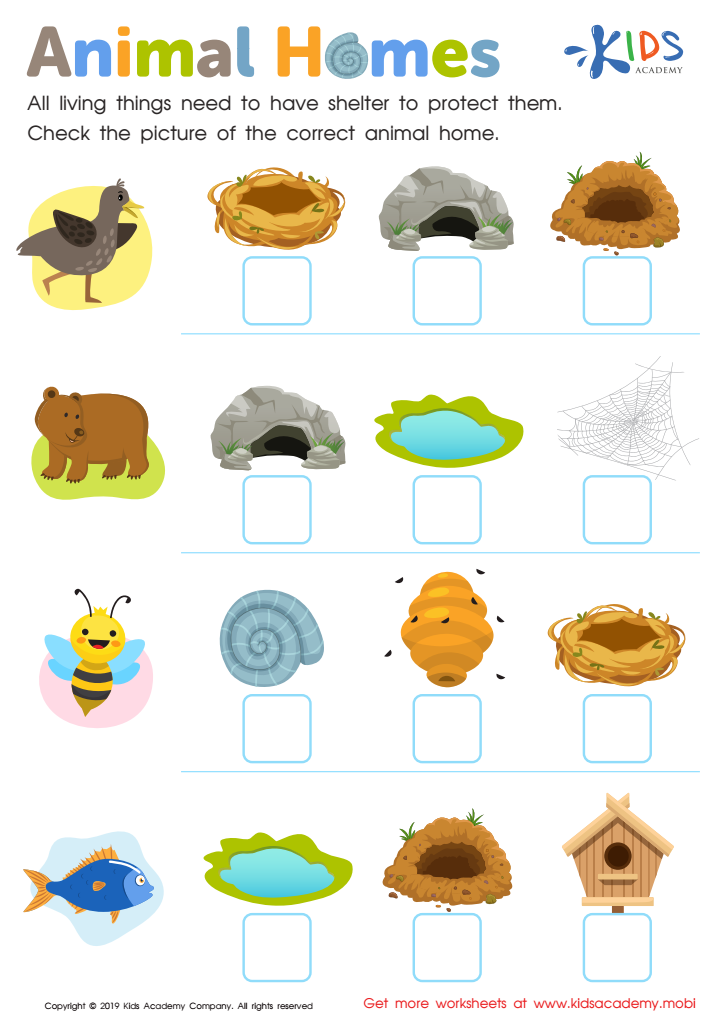
Animal Homes Worksheet
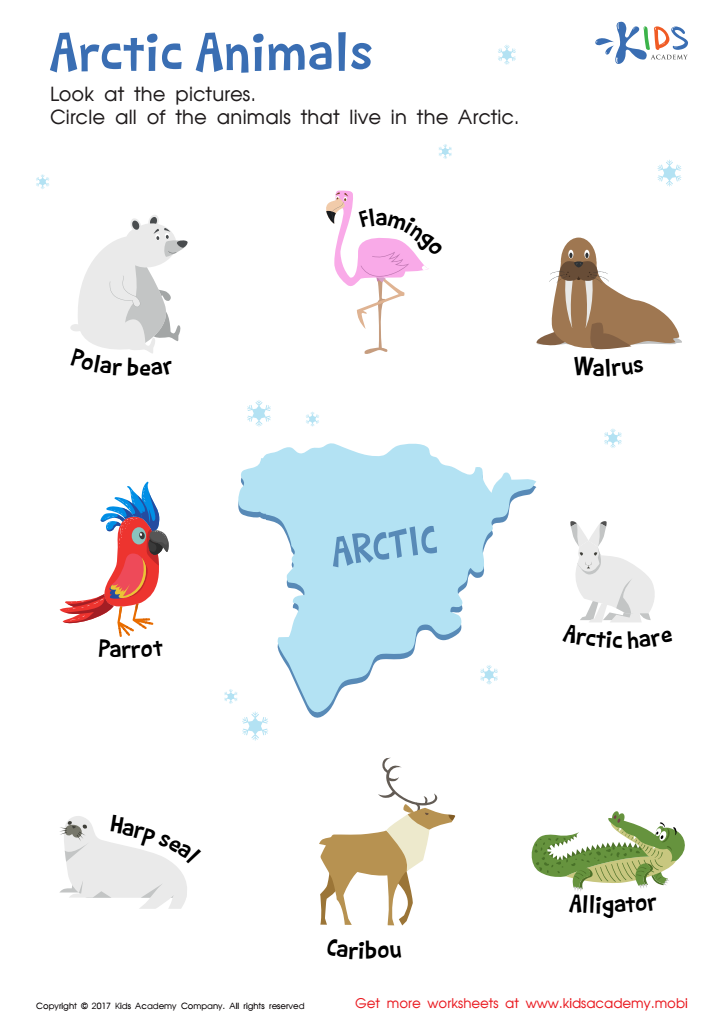
Arctic Animals Worksheet
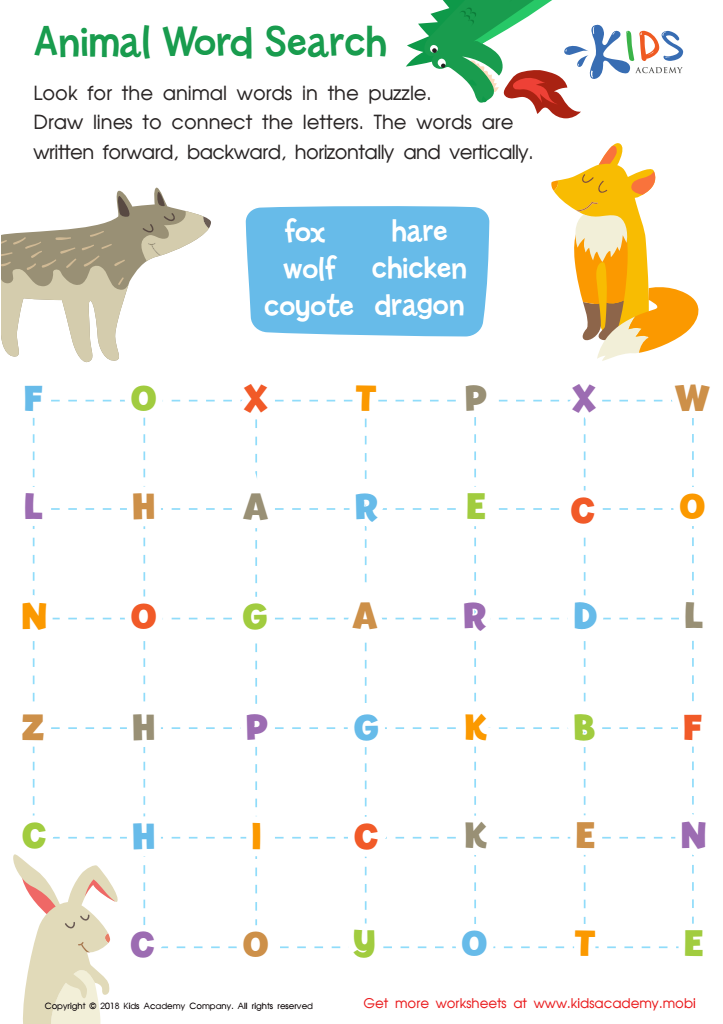
Animal Word Search Worksheet








Understanding cognitive development in typical animals for children aged 5-7 is crucial for parents and teachers because it provides insights into effective learning, emotional growth, and developmental milestones. At this age, children are highly curious and beginning to understand the world around them, including concepts of empathy and cooperation. Learning about how animals think, learn, and adapt can help children make connections between themselves and other living beings, enhancing their social-emotional development.
Additionally, recognizing that animals have their forms of intelligence encourages critical thinking and inspires imagination. Storytelling and factual learning about animals can spark curiosity about biology, ecosystems, and responsibilities concerning animal welfare. By fostering a love for animals, parents and teachers can boost children’s observational skills and promote their language development through discussions and storytelling.
Moreover, when children understand normative cognitive behaviors in animals, they gain perspective on different intelligence types, which can further their appreciation for diversity in human abilities. This holistic understanding helps them develop compassion and critical thinking skills, vital for a well-rounded education. In essence, engaging with the cognitive development of animals presents opportunities for enriching conversations, practical learning, and social skills that benefit children now and in their future interactions.








