Vocabulary enhancement Normal Animals Worksheets for Ages 5-7
8 filtered results
-
From - To
Discover our colorful Vocabulary Enhancement Worksheets focused on normal animals for children ages 5-7! Designed to enrich your child's language skills, these printable worksheets feature fun animal-themed activities that engage young learners while expanding their vocabulary. Through interactive exercises, children will identify animals, associate words, and learn descriptions that enhance their understanding of the animal kingdom. Perfect for homeschooling, classroom activities, or supplemental learning, these worksheets cater to various learning styles. Dive into an exciting world of words and animals, fostering a love for learning in your child. Start building their vocabulary today with our easy-to-use resources!
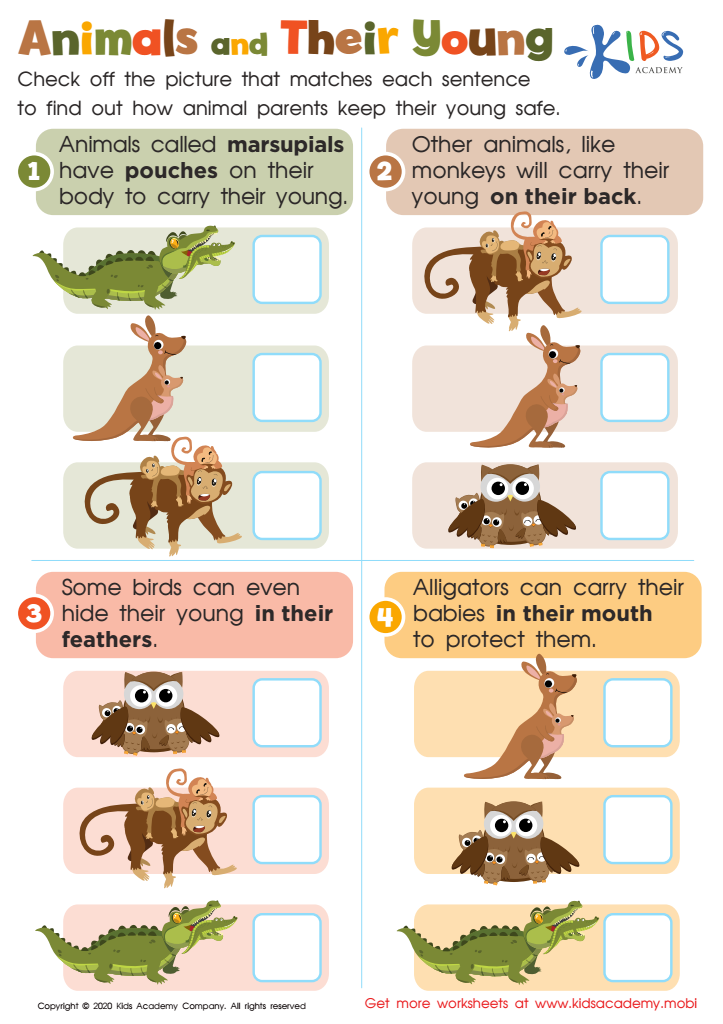
Animals and Their Young Worksheet
 Assign to My Students
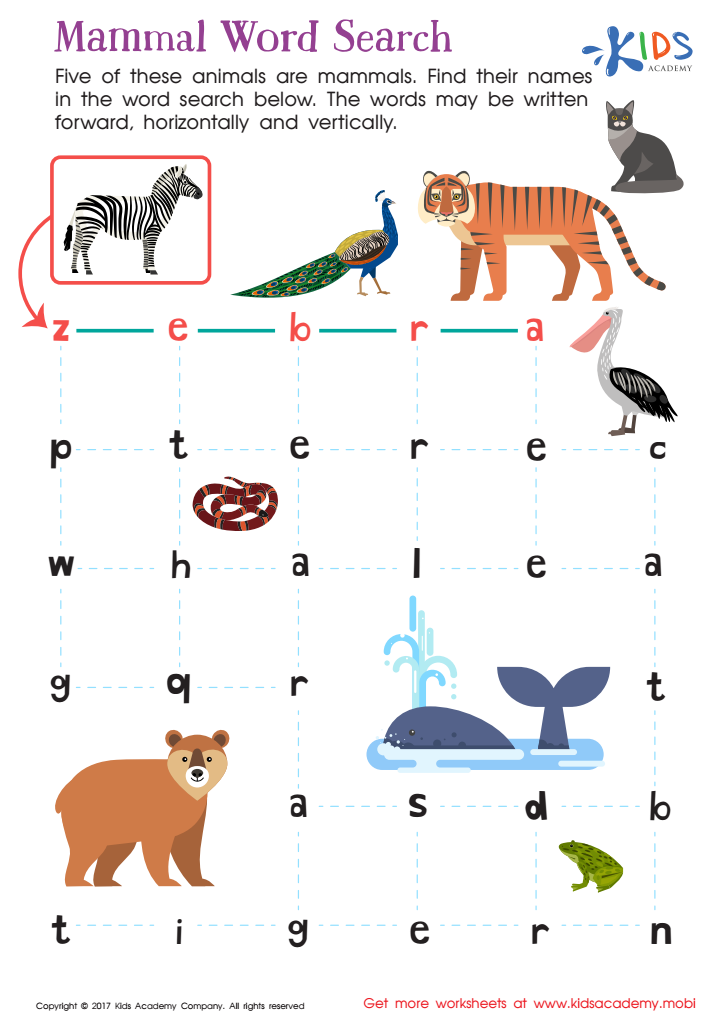
Printable Mammal Word Search
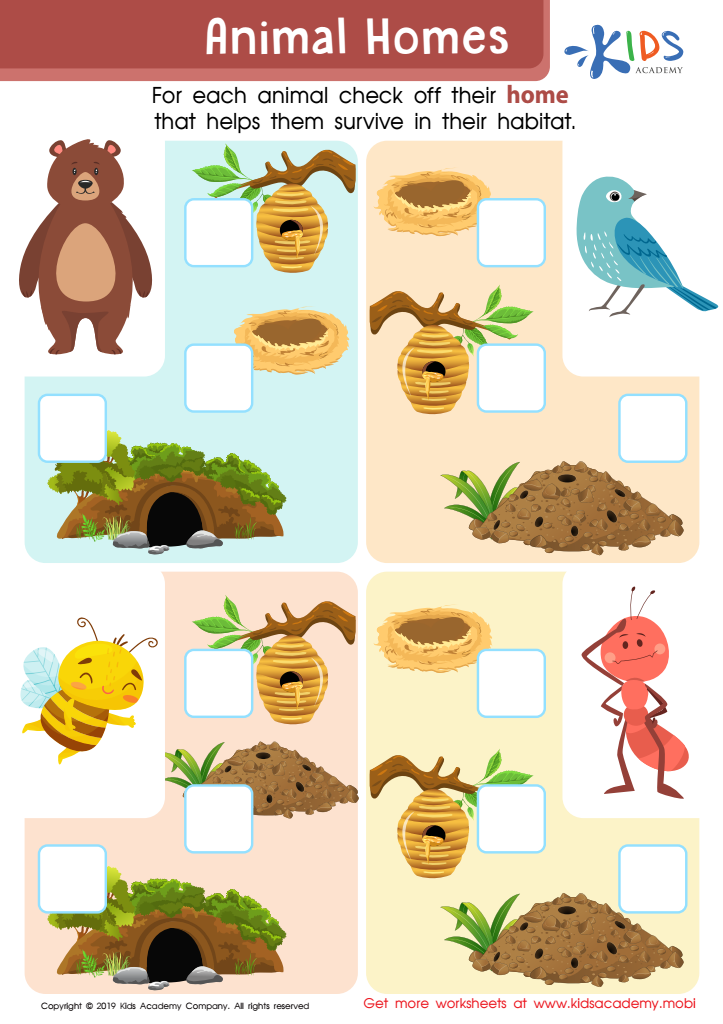
Animal Homes Worksheet
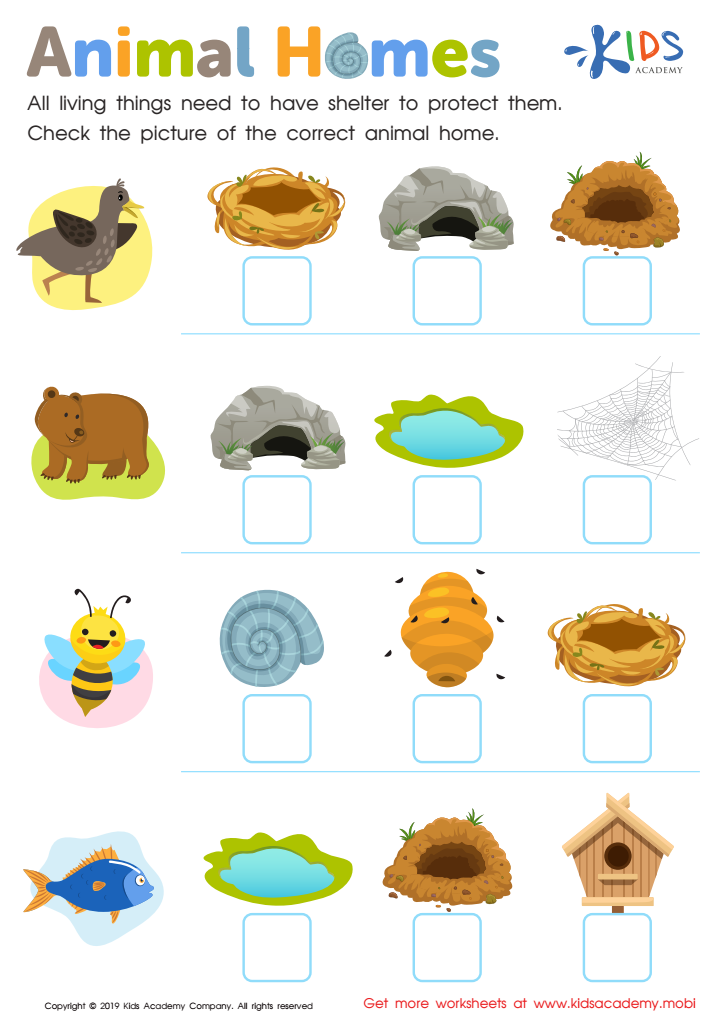
Animal Homes Worksheet
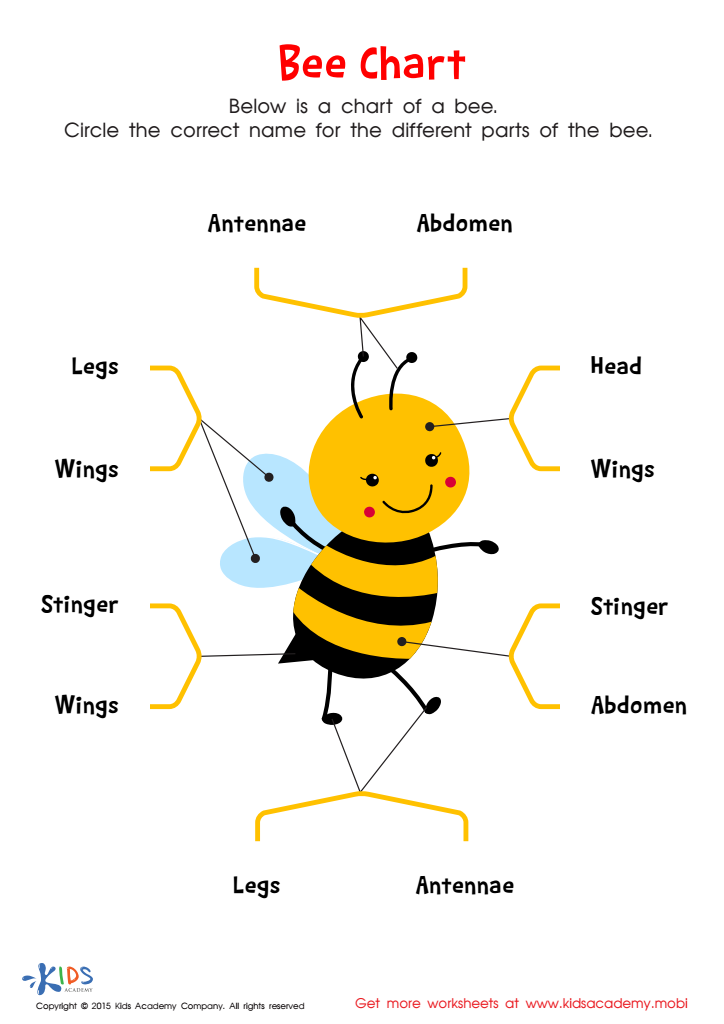
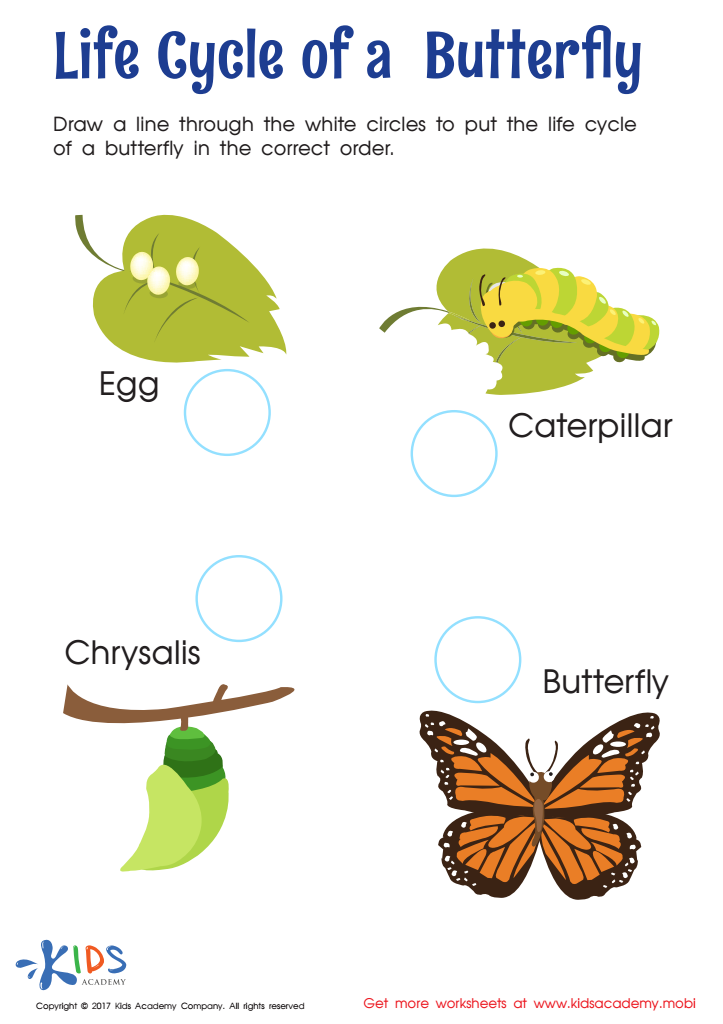
Life Cycle of Butterfly Worksheet
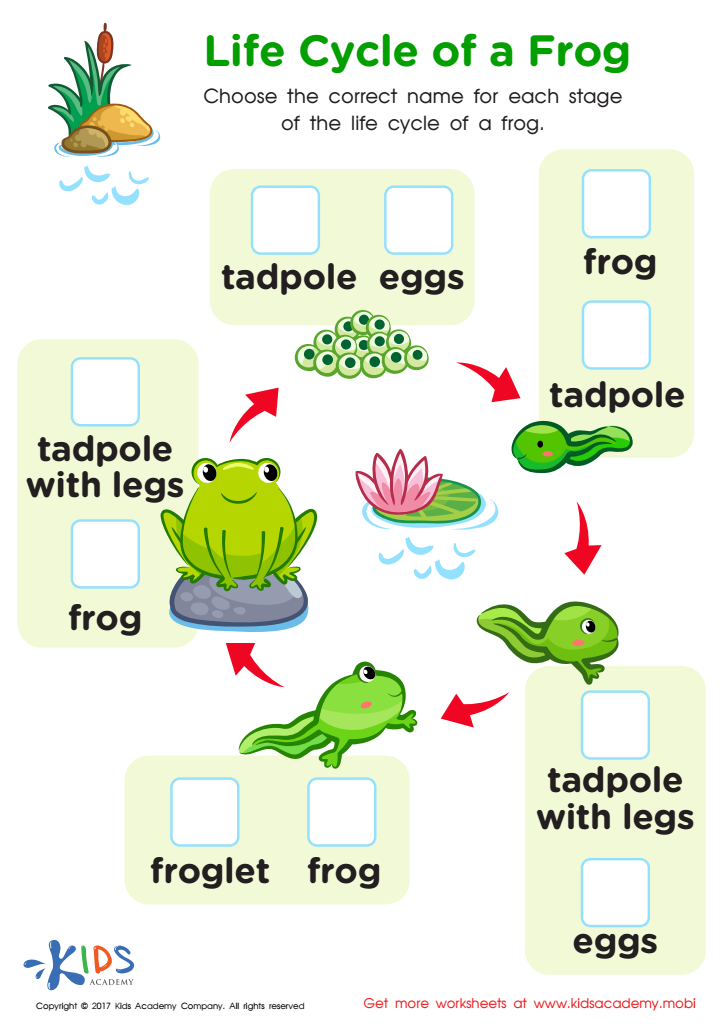
Life Cycle Frog Printable
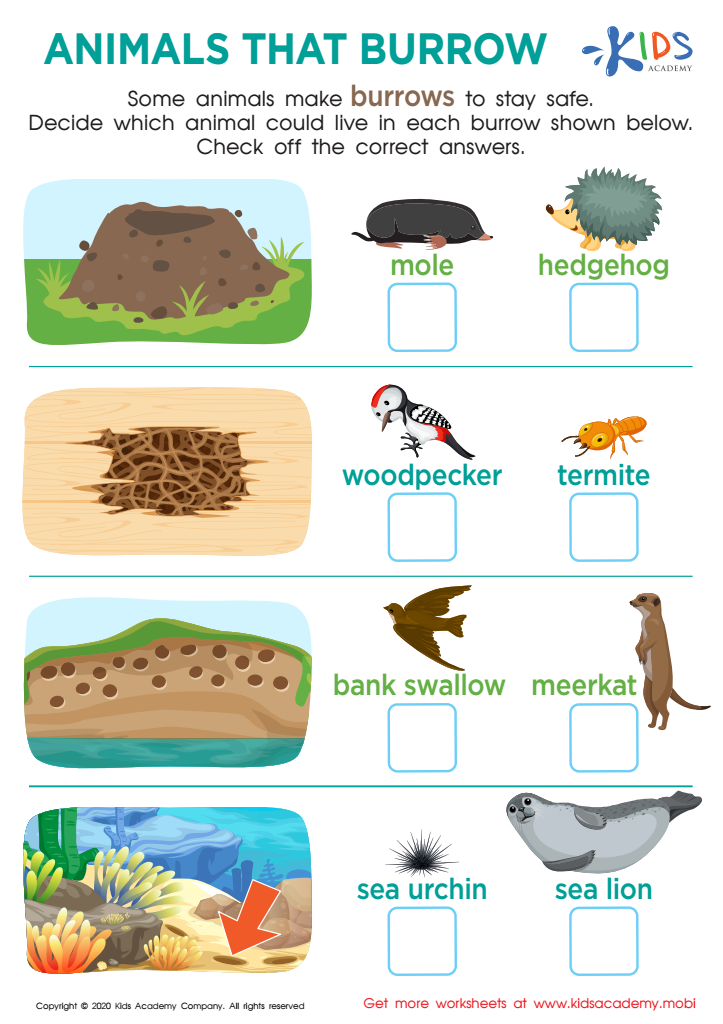
Animals That Burrow Worksheet


%20(1).jpg)





Vocabulary enhancement in young children, particularly in the context of normal animals, is crucial for several reasons. First, it fuels cognitive development as children aged 5-7 are in a vital stage for language acquisition. By introducing specific terminology related to animals—such as habitats, behaviors, and characteristics—children expand their understanding of the world around them.
Furthermore, enhancing vocabulary helps improve reading comprehension. When children can recognize and understand words related to animals, they are better able to engage with stories and informational texts, making meaningful connections and enhancing their enjoyment of reading. This is especially important in foundational years when the groundwork for future learning is laid.
Additionally, discussing animals can foster curiosity and empathy. When children learn about living beings, they cultivate a sense of responsibility and care for other creatures, helping to instill values of kindness and stewardship. Teachers and parents who incorporate vocabulary learning in a fun and interactive manner, perhaps through games, stories, or nature walks, can deepen children’s comprehension and love for language. Ultimately, vocabulary enhancement lays a strong foundation for academic success and holistic personal growth, making it essential for educators and parents alike to prioritize this in early education.








