
Critical thinking skills Normal Science Worksheets for Ages 5-7
6 filtered results
Difficulty Level
Grade
Age
-
From - To
Subject
Activity
Standards
Enhance your child's critical thinking skills with our engaging Normal Science Worksheets designed for ages 5-7! These interactive worksheets encourage young learners to explore scientific concepts creatively while developing their problem-solving abilities. With a variety of fun activities, including puzzles, matching games, and open-ended questions, children will learn to think independently and analyze information effectively. Our resources are crafted to align with early educational standards and foster a love for science. Perfect for classroom use or at-home learning, our worksheets provide a balanced mix of challenge and excitement, ensuring that your little ones build essential skills in a playful environment. Start exploring today!
Favorites
With answer key
Interactive
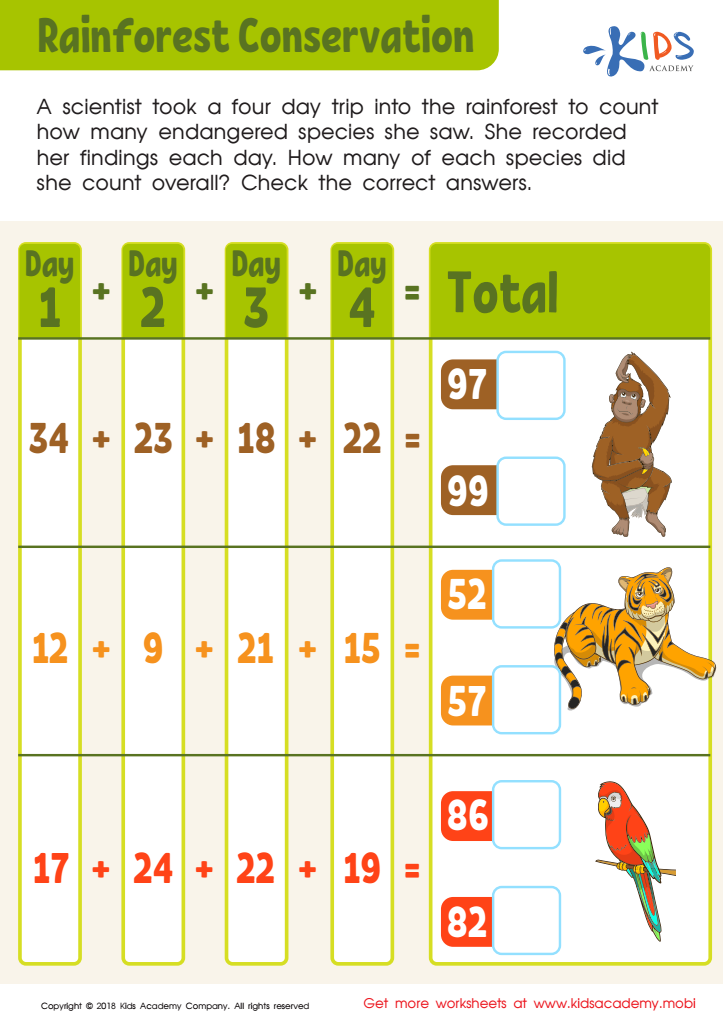
Rainforest Conservation Worksheet
Explain to your child what a rainforest is and why it's important. A scientist took a four-day trip to count endangered species. Let your child count how many of each species were seen in total. Check the answers and help them understand.
 Assign to My Students
Rainforest Conservation Worksheet
Worksheet
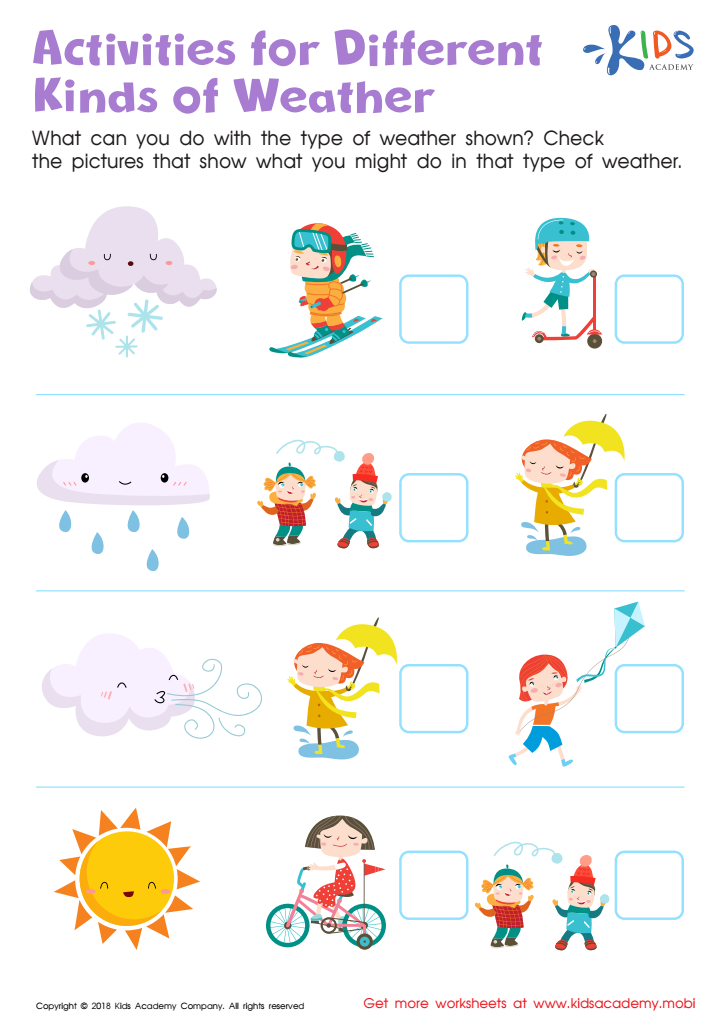
Activities for Different Kinds of Weather Worksheet
Help your child explore the changing seasons with this interactive worksheet. Ask them to name the different seasons and activities associated with each type of weather. Show the pictures and explain what they can do in that kind of weather. Have them check off the activities to help them learn and enjoy the changing seasons.
Activities for Different Kinds of Weather Worksheet
Worksheet
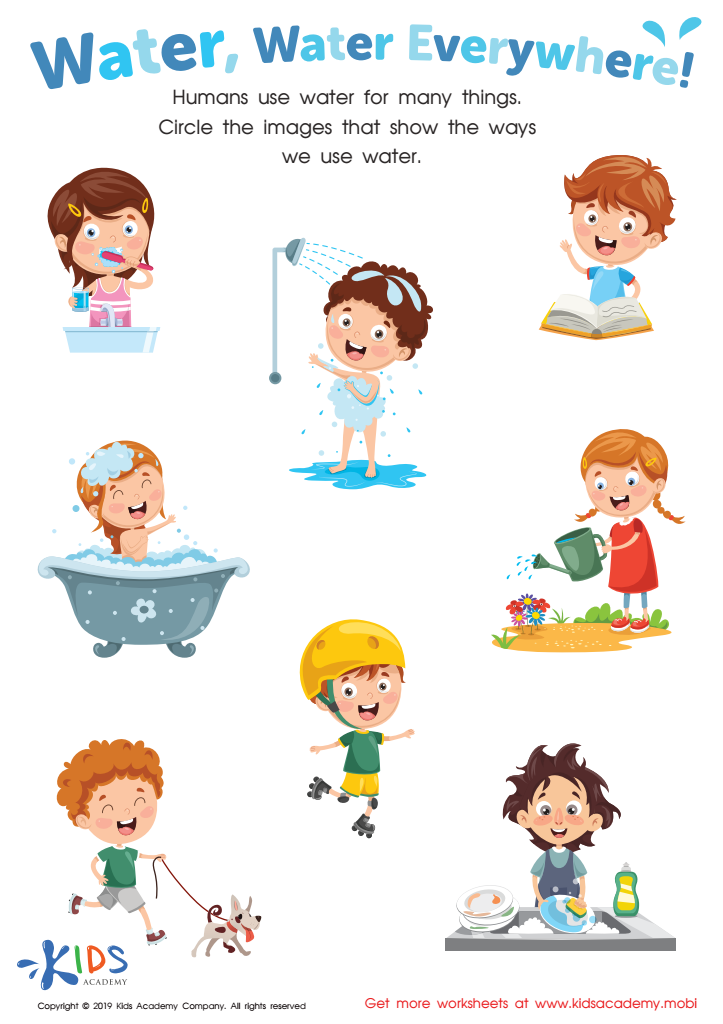
Water, Water Everywhere! Worksheet
Ask your kids how we use water daily. Point out how vital it is to the environment, as many living things couldn't exist without it. Show them this worksheet with kids doing different things that involve water. Ask them to identify what each one is doing, then help them circle the images which show the ways we use the water.
Water, Water Everywhere! Worksheet
Worksheet
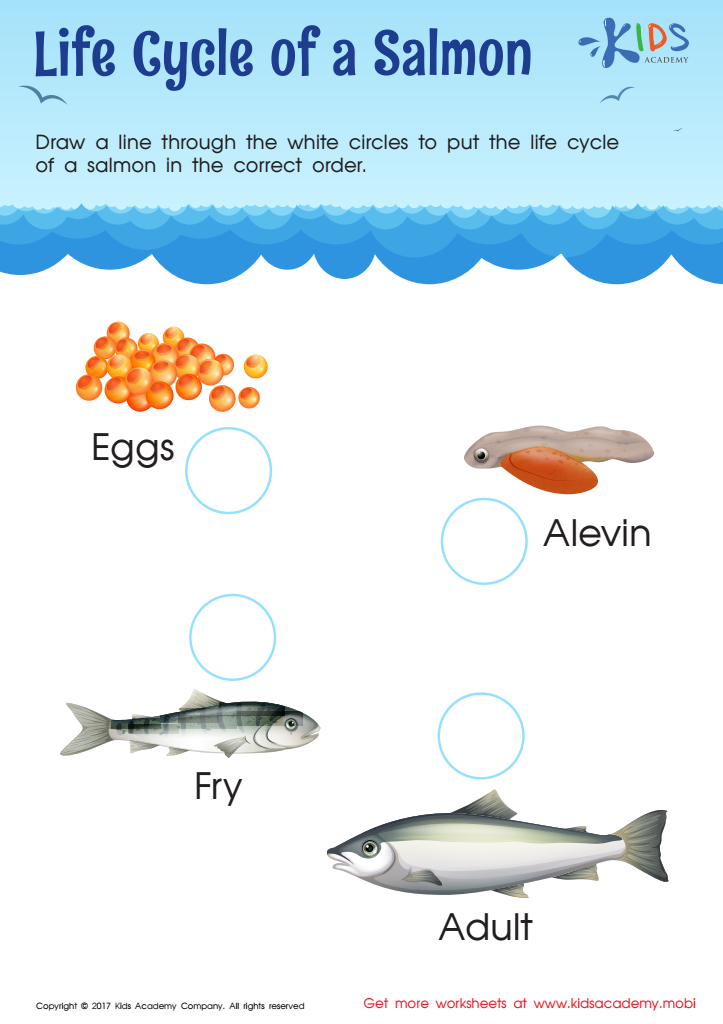
Cycle Of Salmon Worksheet
Explore the life cycle of a salmon with this grade 2 worksheet! Kids will learn by arranging the stages of the salmon's lifecycle in order. Science activities in this set cover a wide range of lifecycles in nature.
Cycle Of Salmon Worksheet
Worksheet
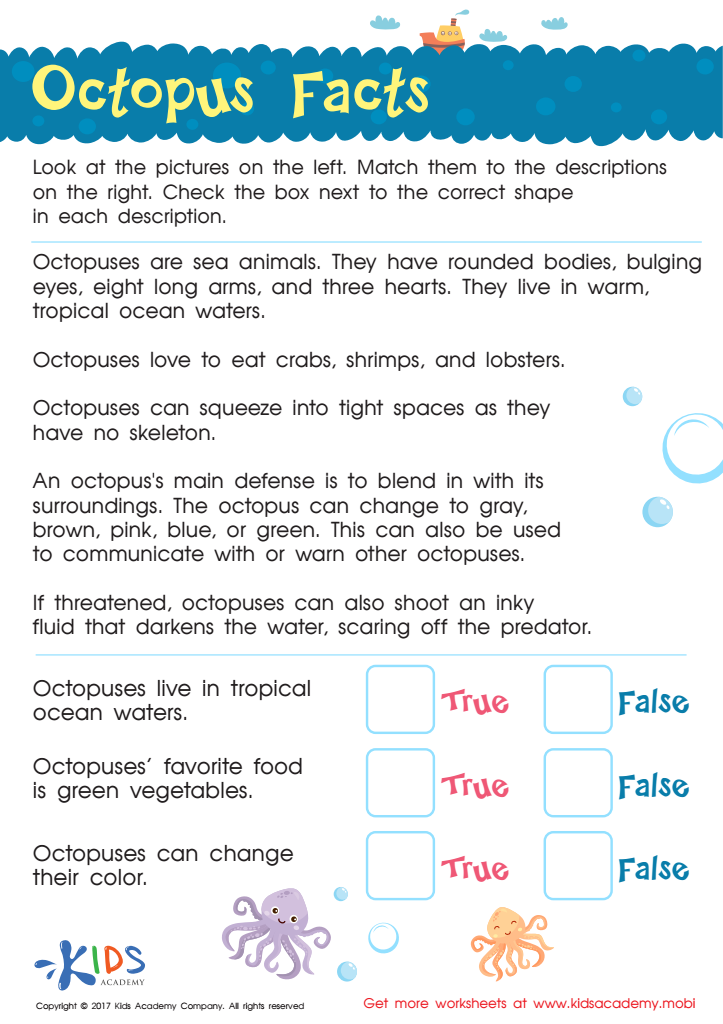
Octopus Facts Worksheet For Kids
Let your child dive into the world of octopuses with this fun worksheet. It offers invaluable practice in reading non-fiction texts, while they learn interesting facts about these strange sea creatures. It's a great way to help them hone their skills in reading comprehension.
Octopus Facts Worksheet For Kids
Worksheet
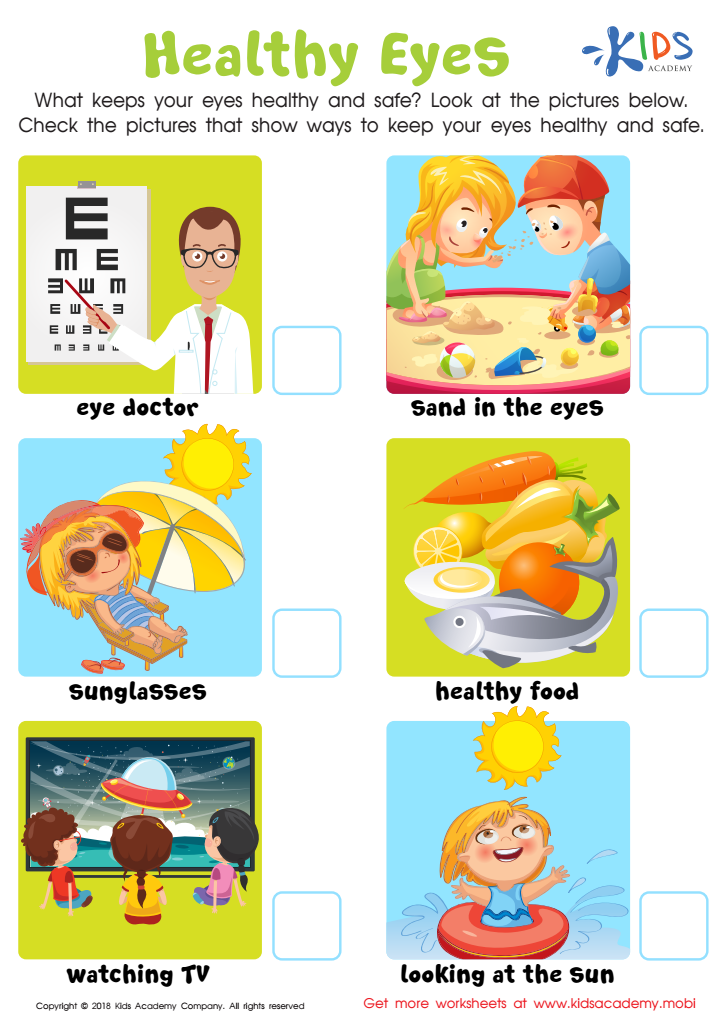
Healthy Eyes Worksheet
Does your child know how to care for their eyes? Help them understand with this worksheet. Look through the pictures together and discuss the different ways to keep the eyes healthy and safe. These include visits to the doctor, wearing sunglasses, and eating healthy food.
Healthy Eyes Worksheet
Worksheet
Join Kids Academy for Free
Who is primarily going to use this learning content?




%20(1).jpg)


Parents and teachers should recognize the importance of nurturing critical thinking skills in children aged 5-7 as these abilities lay the foundation for lifelong learning and problem-solving. At this stage, children are naturally curious and eager to explore, making it an ideal time to develop their analytical thinking. Introducing them to critical thinking through Normal Science—encouraging observation, questioning, and experimentation—allows them to make sense of the world around them.
Engaging children in critical thinking helps enhance their decision-making skills, promotes creativity, and fosters resilience in facing challenges. It also assists them in developing a sense of autonomy, as they learn to evaluate their thoughts and ideas effectively. Involvement in scientific exploration boosts their interest in STEM (science, technology, engineering, and math) fields, which are critical in today's technology-driven society.
Furthermore, instilling critical thinking during these formative years enables children to approach problems systematically, think independently, and collaborate with peers. These collaborative experiences create a culture of dialogue, respect, and open-mindedness. Consequently, educators and parents together have a crucial role in providing playful and inquiry-driven experiences in Normal Science that promote critical thinking, ultimately contributing to a more competent and confident generation of learners.







