Developing observation skills Normal Science Worksheets for Ages 5-7
3 filtered results
-
From - To
Unlock your child's potential with our "Developing Observation Skills Normal Science Worksheets" designed specifically for ages 5-7. These engaging, interactive worksheets help young learners hone their observational skills through fun activities and eye-catching visuals. Kids will explore the world around them, enhancing their ability to notice details, make connections, and describe their findings. Each worksheet is crafted to promote critical thinking and encourages curiosity about the natural world. Perfect for home or classroom use, these resources provide a stimulating way to cultivate a love for science while supporting developmental milestones. Fuel your child's journey in discovery and learning today!
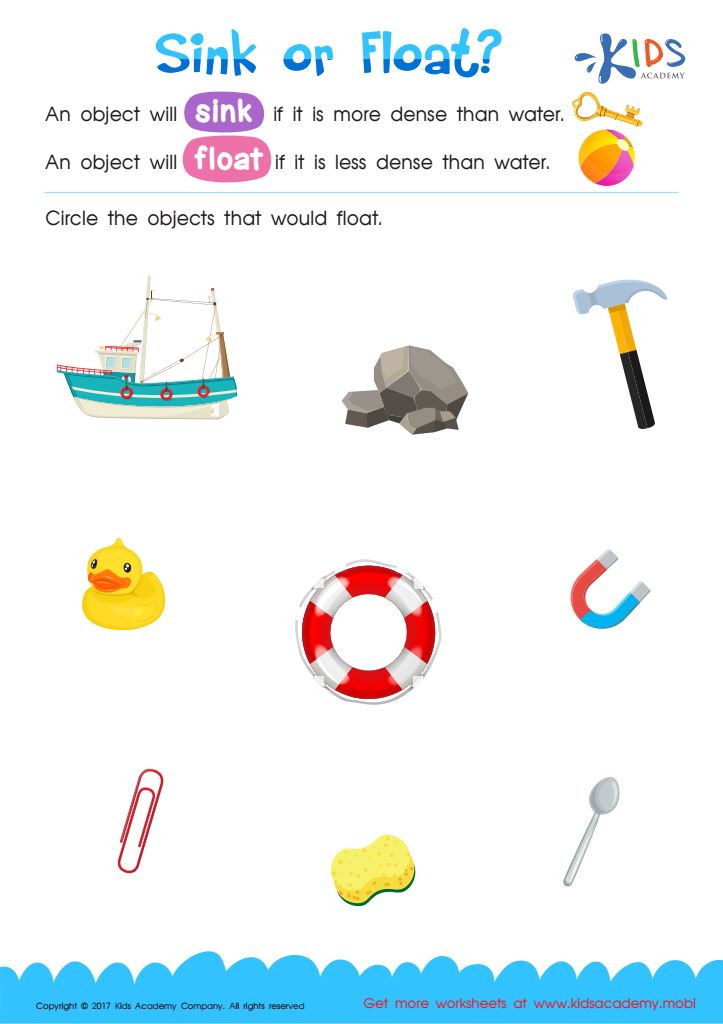
Sink or Float Printable
 Assign to My Students
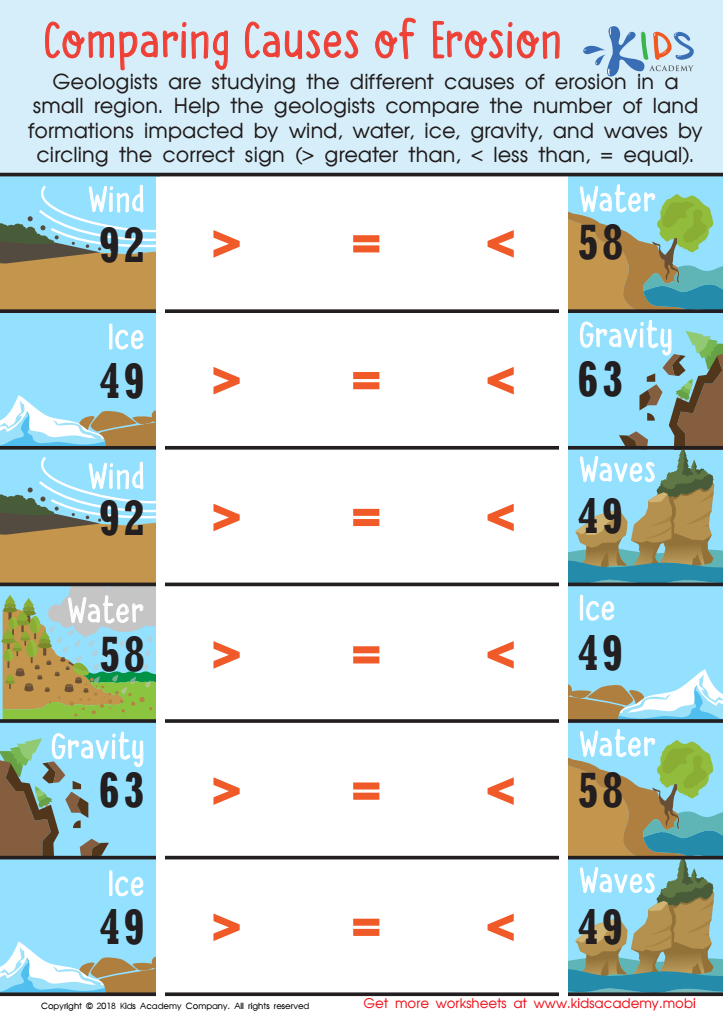
Comparing Causes of Erosion Worksheet
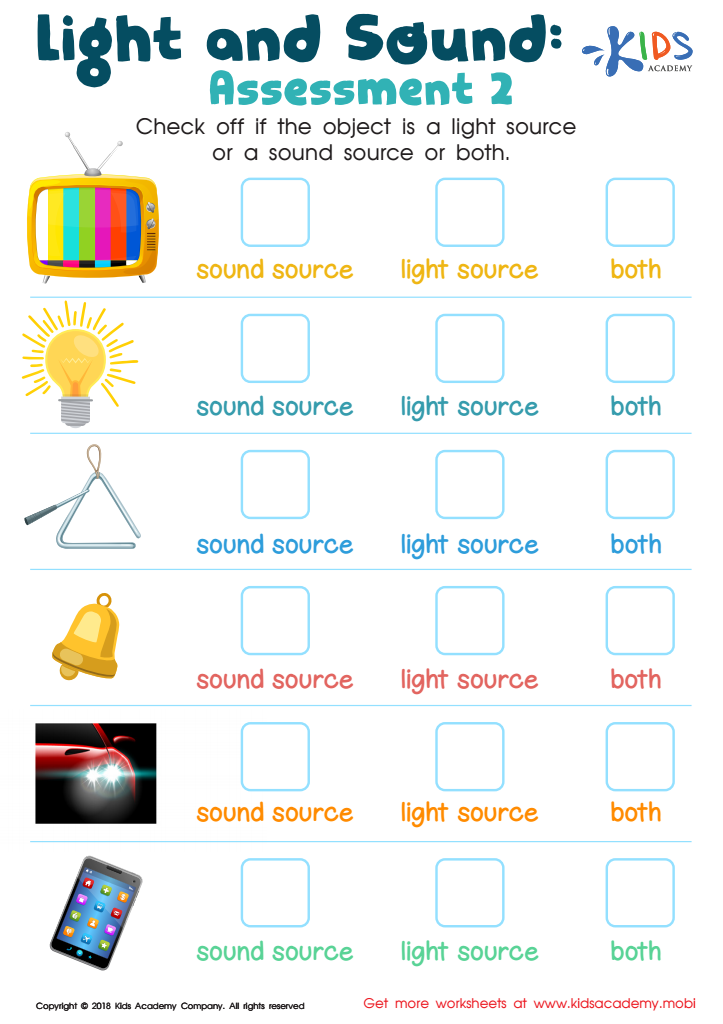
Light and Sound: Assessment 2 Worksheet





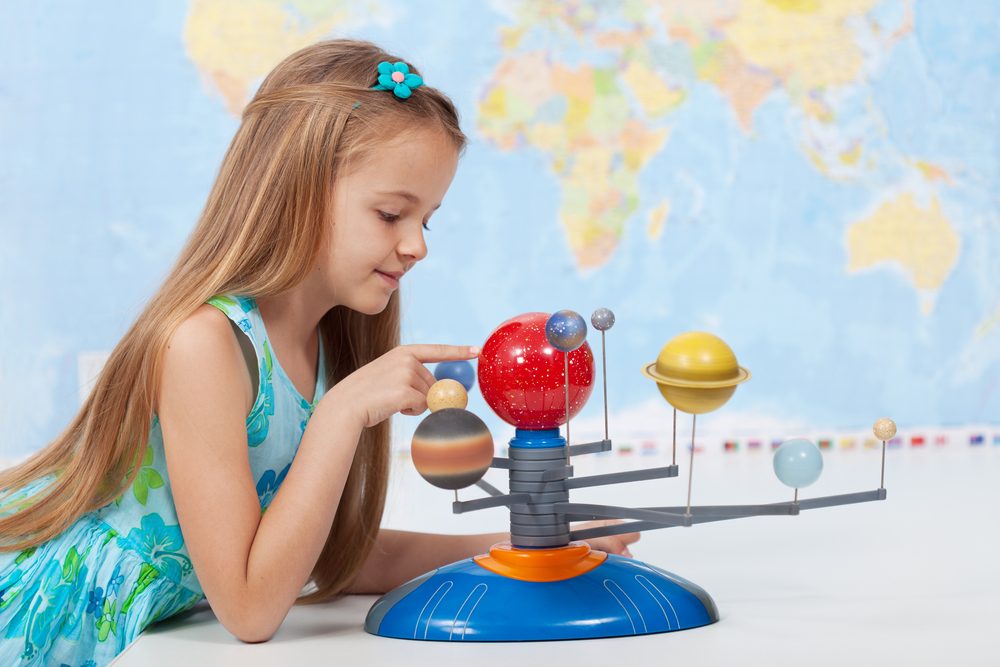

Developing observation skills in young children, particularly in the realm of Normal Science, is crucial for several reasons. Firstly, observation is a foundational skill for scientific inquiry, promoting curiosity and critical thinking. When children learn to carefully observe their surroundings, they begin to ask questions, make connections, and develop hypotheses, laying the groundwork for scientific exploration.
For parents and teachers, encouraging observation skills can foster a love of learning. Children who engage in observing nature, experiments, or even everyday phenomena develop a keen awareness of the world around them. This not only enhances their scientific literacy but also supports their cognitive and language development as they learn to articulate their observations.
Furthermore, strong observation skills enhance problem-solving abilities. In learning environments, children who are proficient observers are often more adept at identifying details and recognizing patterns, which can lead to better decision-making and innovative thinking.
Ultimately, investing in the development of observation skills isn’t just about science; it’s about nurturing well-rounded individuals who will carry analytical thinking and curiosity into all areas of their lives. Teachers and parents play a pivotal role in guiding children to appreciate and engage with the world thoughtfully and scientifically.







