Enhancing observational skills Normal Science Worksheets for Ages 5-7
7 filtered results
-
From - To
Enhance your child's observational skills with our engaging Normal Science Worksheets, designed specifically for ages 5-7. These interactive worksheets encourage young learners to explore their environment, observe details, and make connections with the world around them. Each activity is thoughtfully crafted to spark curiosity and promote critical thinking, making science fun and accessible. Perfect for classrooms or at-home learning, these worksheets cover various topics and include vibrant illustrations that capture children's attention. Watch your kids practice important skills such as comparison, classification, and investigation while developing a love for science. Unlock their potential today with our enriching science resources!
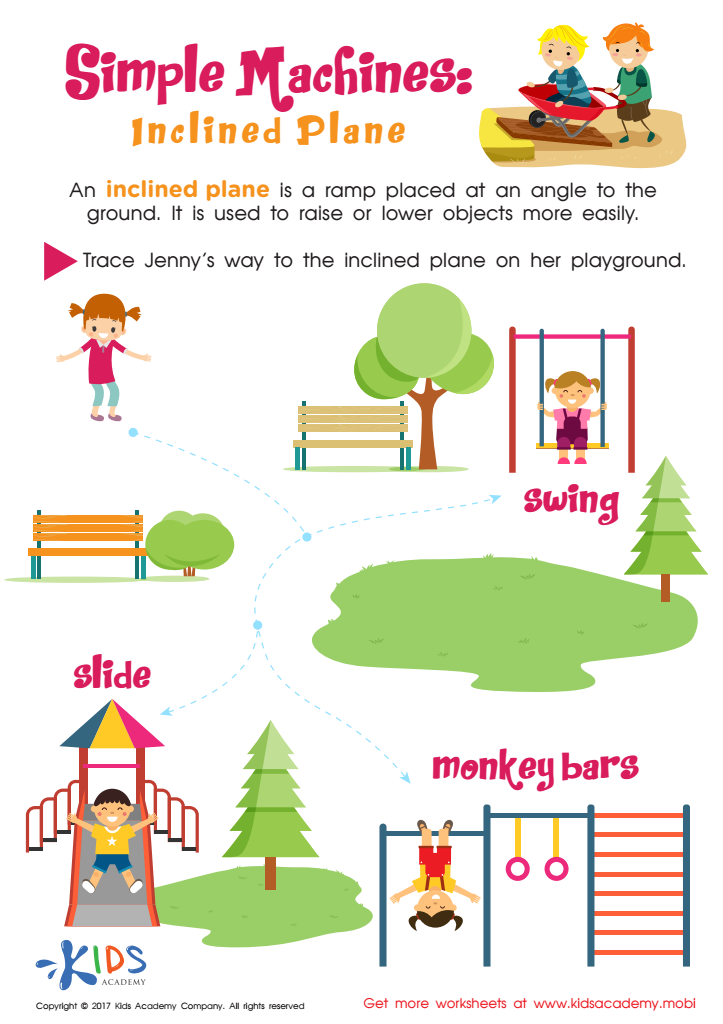
Simple Machines Inclined Plane Worksheet
 Assign to My Students
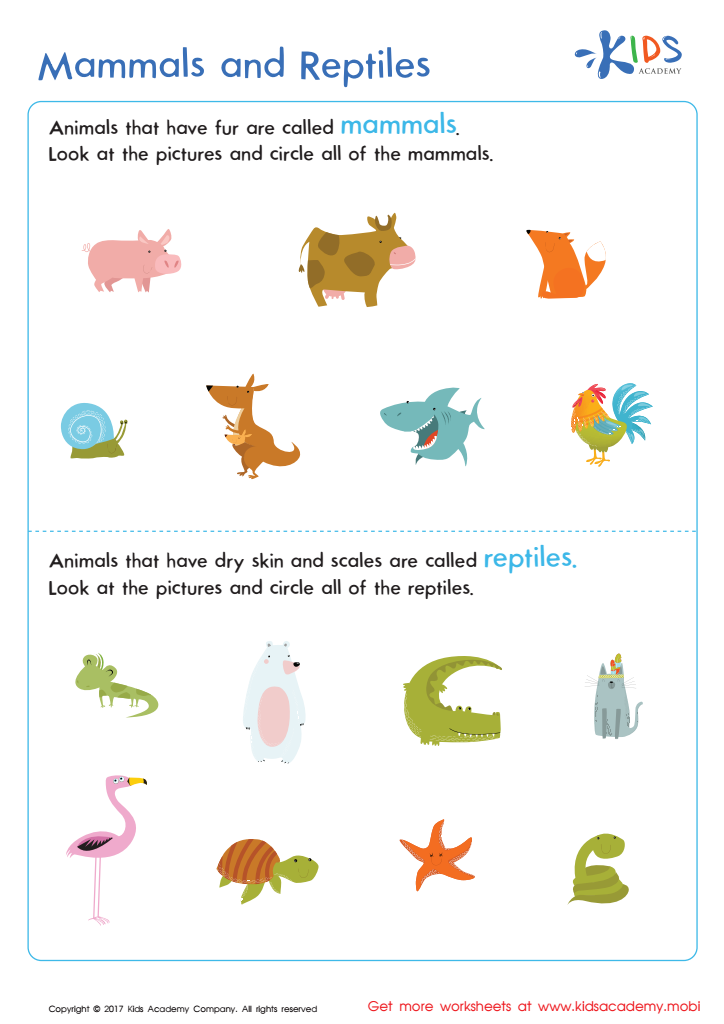
Mammals and Reptiles Worksheet
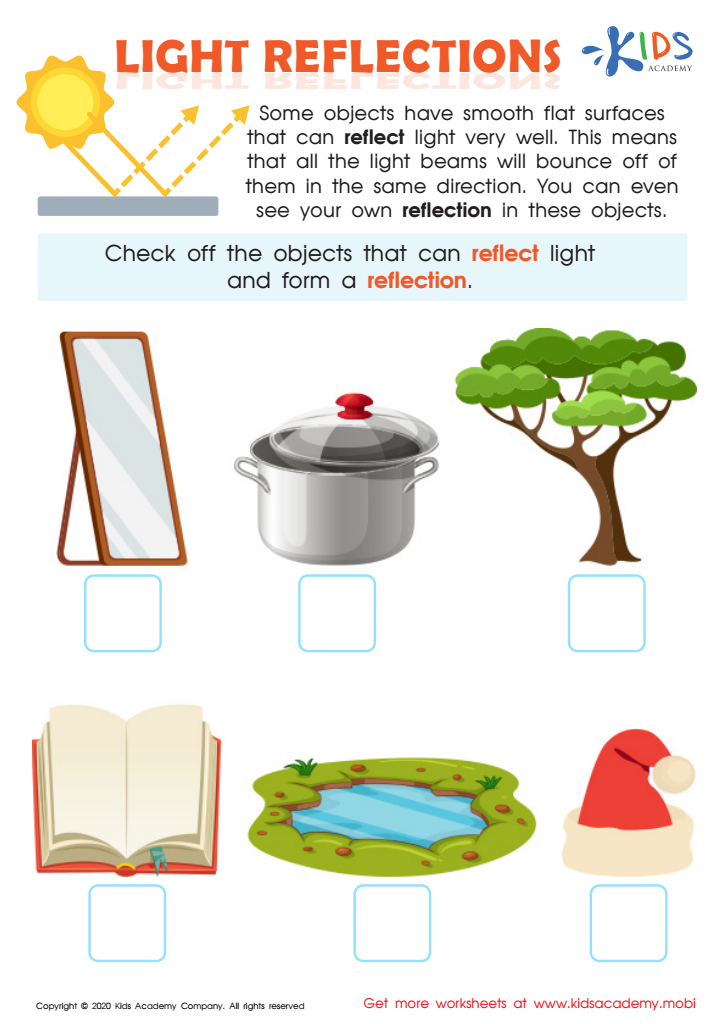
Light Reflections Worksheet
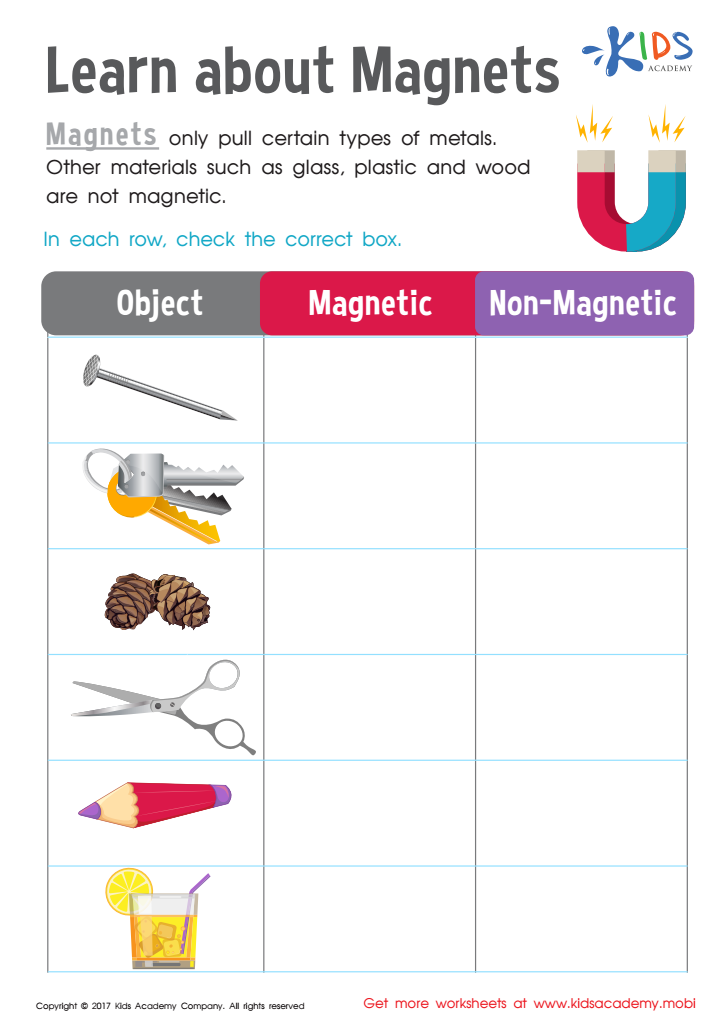
Magnetic Or Not Worksheet
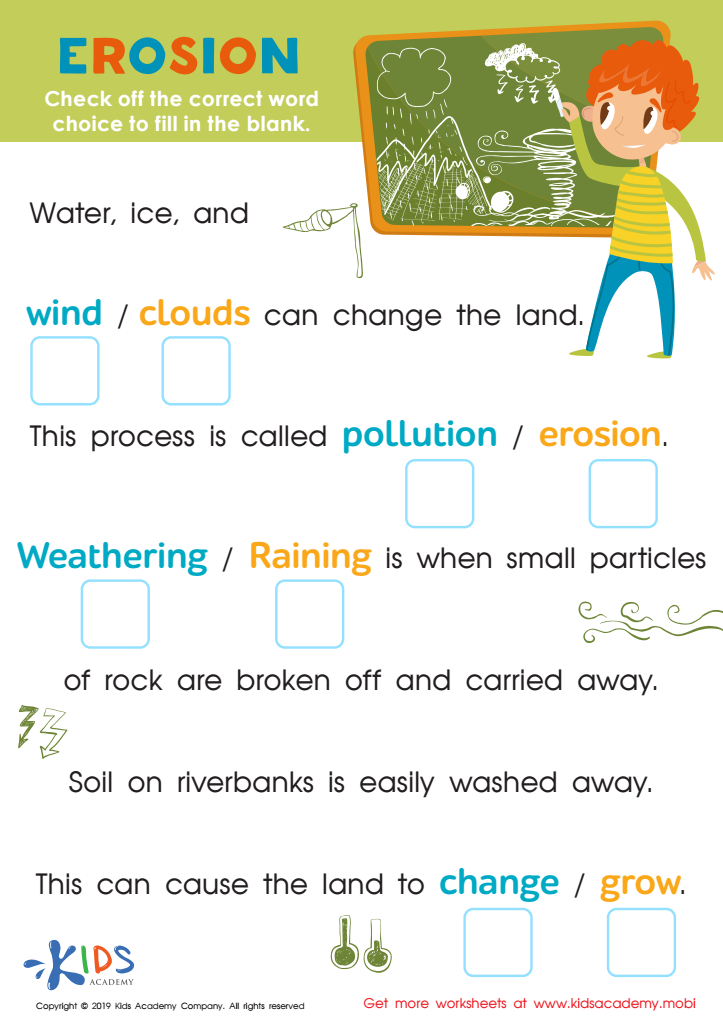
Erosion Worksheet
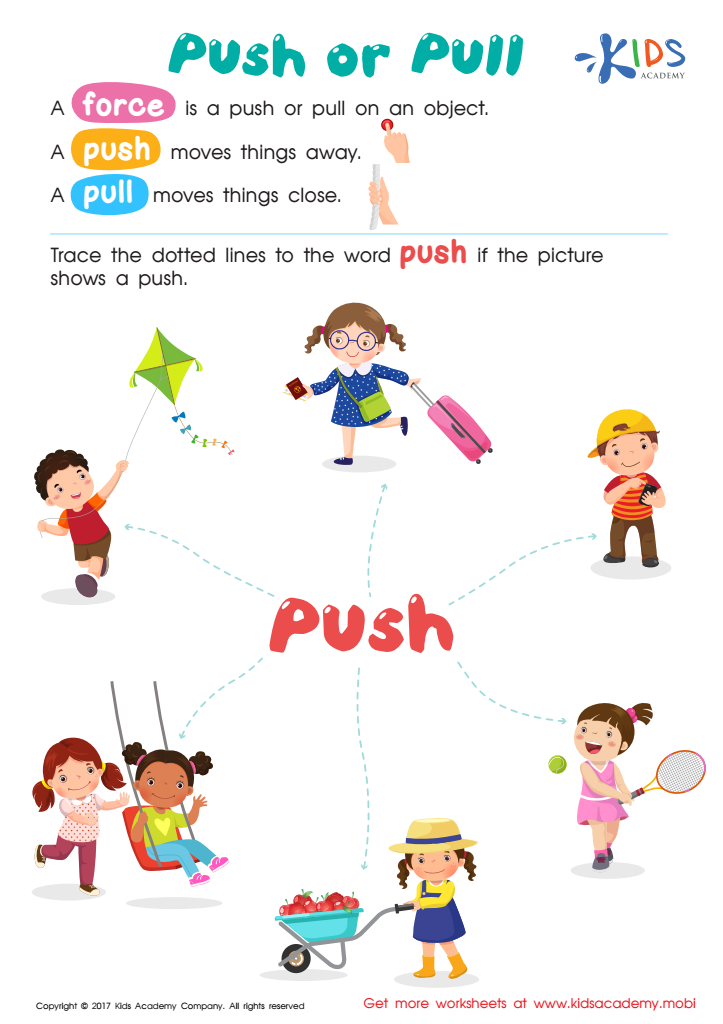
Push or Pull Worksheet
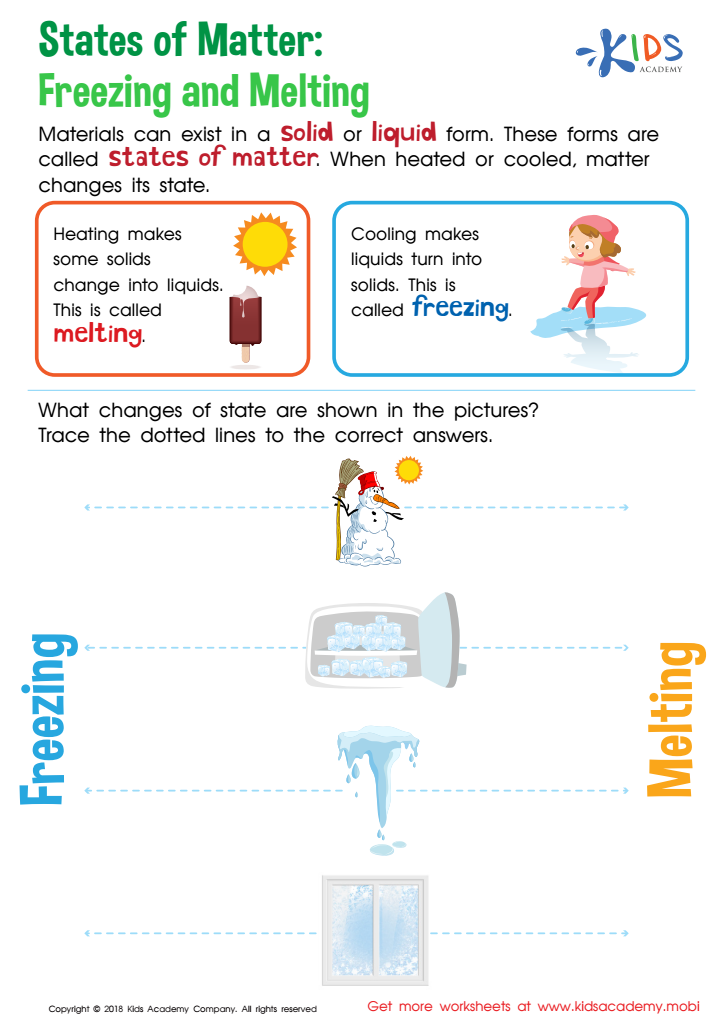
States of Matter: Freezing and Melting Worksheet








Enhancing observational skills in children aged 5-7 is crucial for their development, especially in the realm of Normal Science. At this age, children are naturally curious, and fostering this curiosity through structured observational activities can significantly enhance their learning experiences. By honing their observational skills, children learn to notice details, patterns, and changes in their environment, which are foundational components of scientific inquiry.
Teachers and parents play a vital role in nurturing these skills. When children engage in observational activities, they develop critical thinking and problem-solving abilities, which extend beyond science lessons and impact all areas of learning. Increased observational skills lead to better comprehension of concepts, improved communication skills, and heightened ability to ask questions—a key element in scientific exploration.
Furthermore, observational skills support social and emotional development, as children learn to pay attention to social cues and their peers’ emotions. Establishing routines for outdoor exploration, nature walks, or simple science experiments encourages teamwork and communication, enriching both individual and collaborative experiences.
Investing time in enhancing observational skills ultimately equips children with the tools needed for lifelong learning, making it imperative for parents and educators to prioritize these practices in early childhood education.







