Understanding habitats Normal Science Worksheets for Ages 5-7
4 filtered results
-
From - To
Discover the captivating world of animal homes with our "Understanding Habitats" Science Worksheets for ages 5-7. Engage young minds as they explore diverse ecosystems, including forests, deserts, oceans, and more. Designed to spark curiosity and enhance learning, these worksheets feature vibrant illustrations and simple activities that make learning about habitats fun and interactive. From matching animals to their homes to understanding the importance of each habitat, our worksheets provide a solid foundation in environmental education. Perfect for early learners, these resources help children develop observational and critical thinking skills while appreciating the natural world around them.
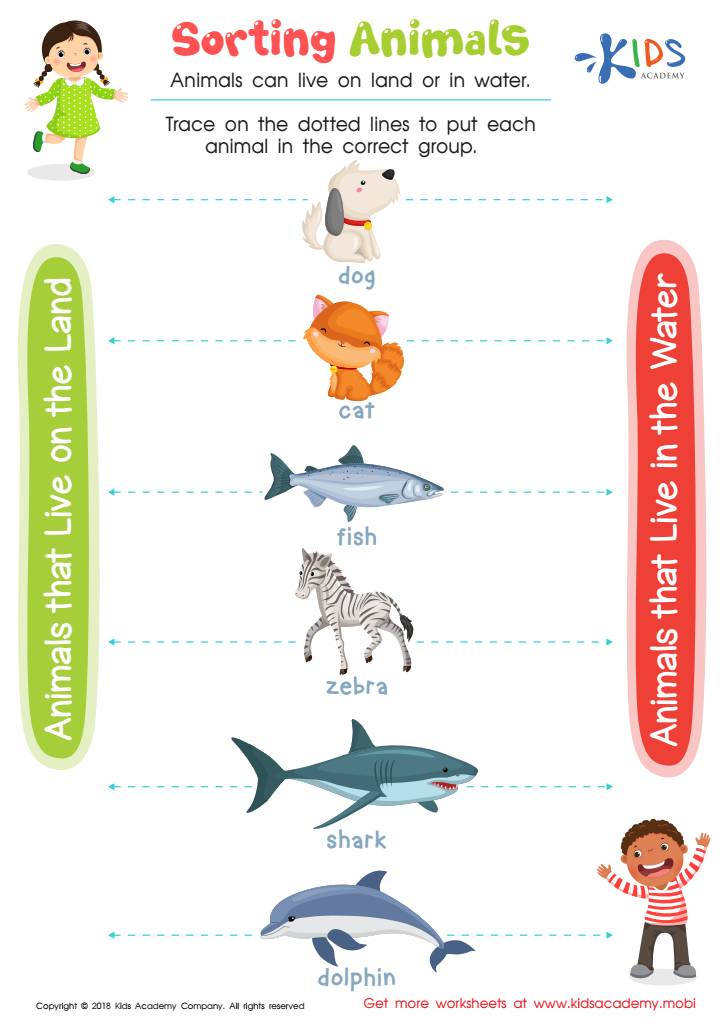
Sorting Animals Worksheet
 Assign to My Students
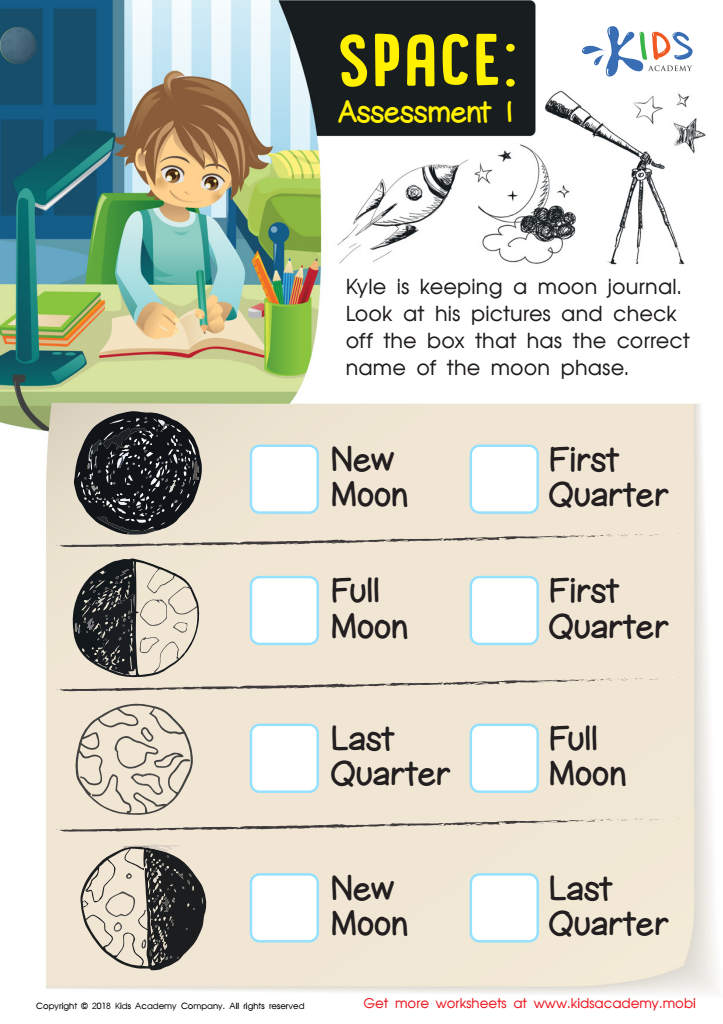
Space: Assessment 1 Worksheet
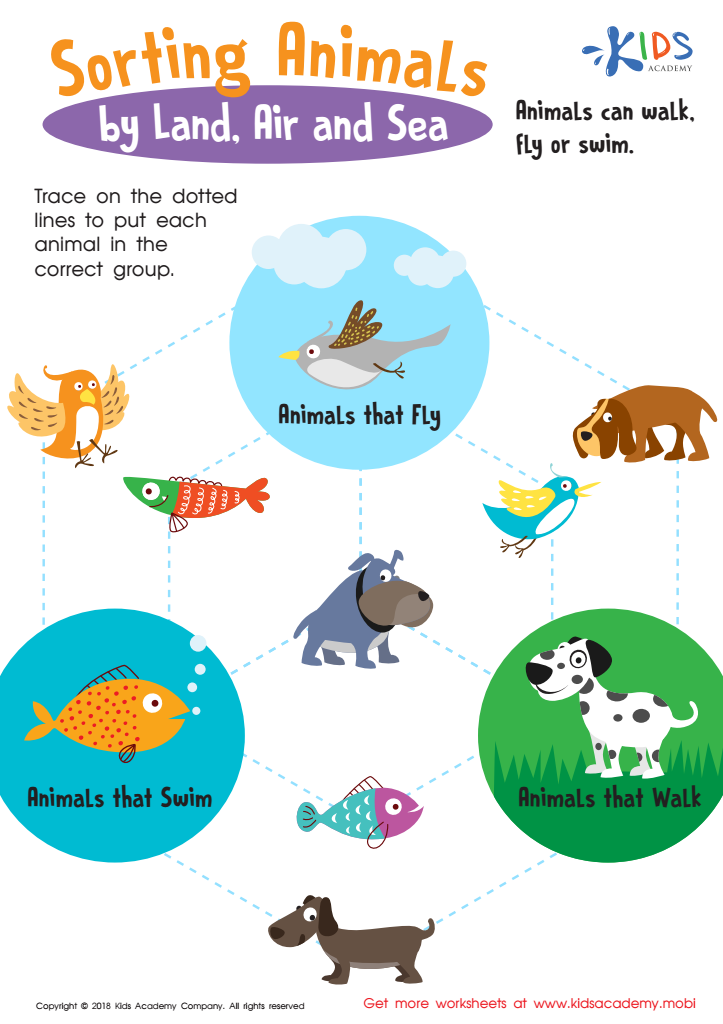
Sorting Animals by Land, Air and Sea Worksheet
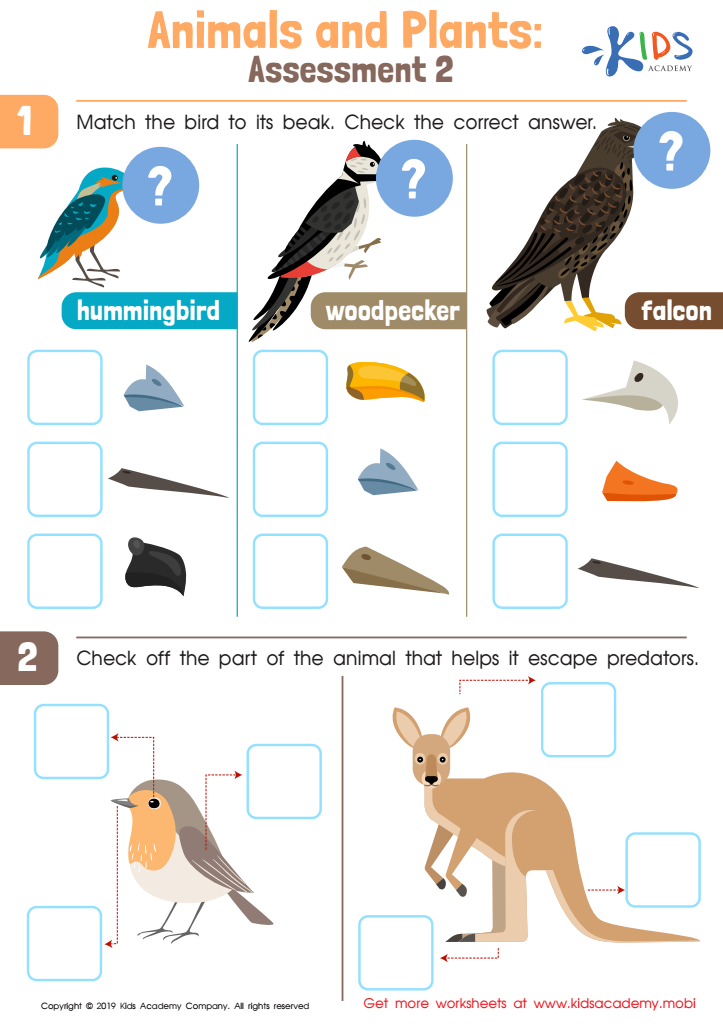
Animals and Plants: Assessment 2 Worksheet








Understanding habitats is vital for young children because it lays a foundational appreciation and respect for nature. At ages 5-7, kids are naturally curious and enthusiastic learners. Teaching them about habitats -- including forests, oceans, deserts, and wetlands -- helps them understand the diversity of life and the importance of different environments.
When children learn about habitats, they comprehend how various animals and plants depend on each other and their surroundings to survive. This understanding fosters empathy and encourages responsible behavior toward the environment, such as not littering and conserving resources. Early science education, including learning about habitats, enhances critical thinking, observation skills, and curiosity. It sets a stage for more complex scientific concepts in later years, strengthening their overall intellectual growth.
For parents and teachers, promoting knowledge about habitats delivers broader educational and ethical benefits. It nurtures future citizens who appreciate biodiversity and the balance of ecosystems. It can spark early interest in science, inspiring future careers in environmental and biological sciences. Additionally, such knowledge supports social development as children learn to appreciate and respect the life forms and environments beyond their immediate experiences. Thus, understanding habitats is not just academic but also essential for developing environmentally conscious and well-rounded individuals.







