Understanding habitats Normal Science Worksheets for Ages 4-7
4 filtered results
-
From - To
Explore the fascinating world of habitats with our "Understanding Habitats" Normal Science Worksheets, specially designed for children aged 4-7. This engaging resource helps young learners discover the different environments where plants and animals thrive. Each worksheet features fun illustrations and age-appropriate activities that promote critical thinking and reinforce knowledge about ecosystems. With topics covering various habitats like forests, deserts, oceans, and more, kids will enjoy hands-on learning that's both educational and enjoyable. Perfect for enhancing classroom learning or as a home activity, these worksheets inspire curiosity about nature and support the development of essential science skills in early childhood education.
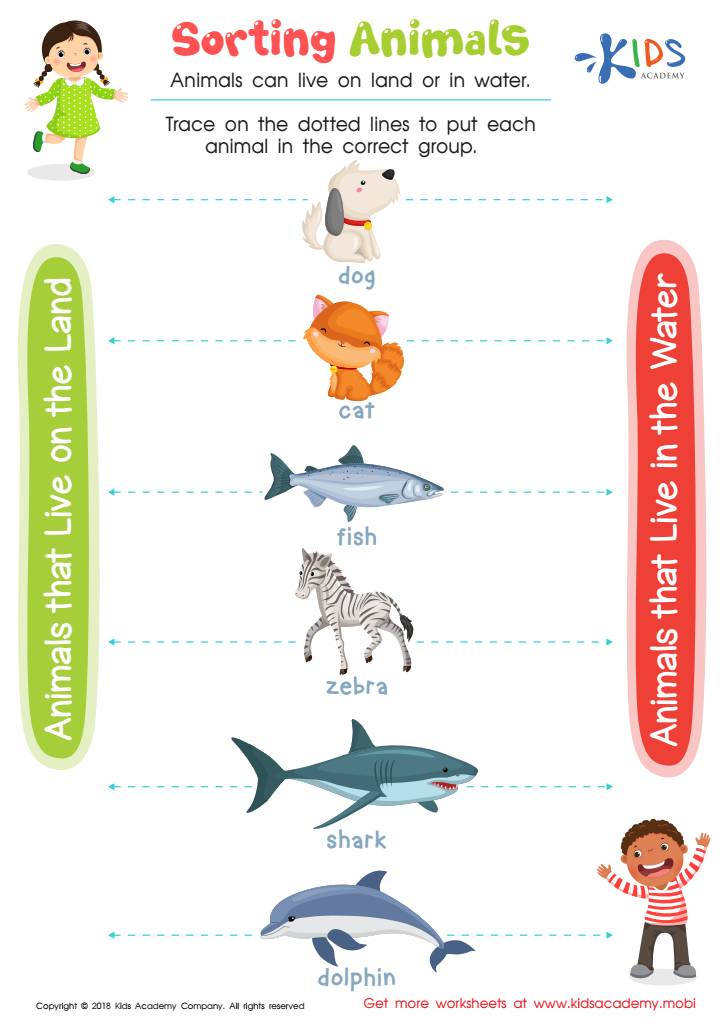
Sorting Animals Worksheet
 Assign to My Students
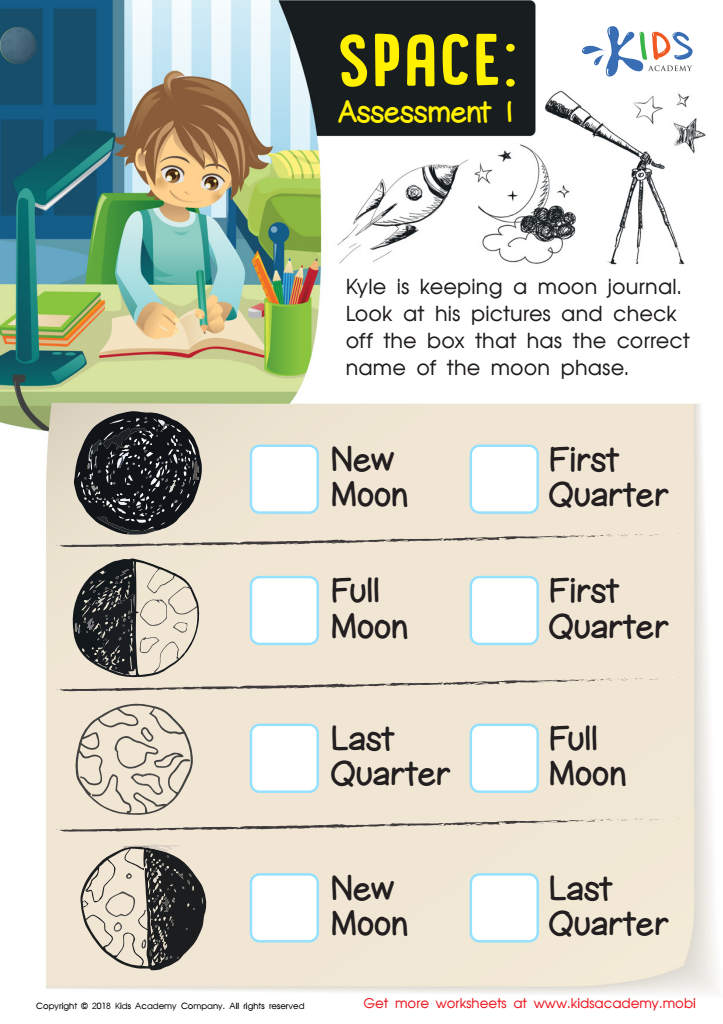
Space: Assessment 1 Worksheet
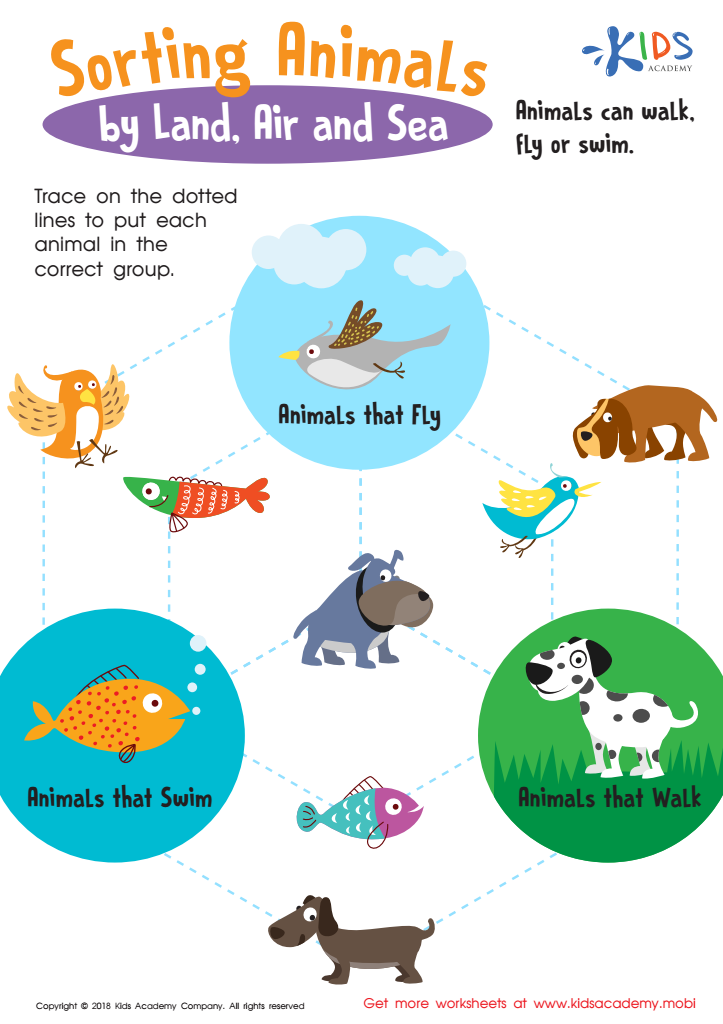
Sorting Animals by Land, Air and Sea Worksheet
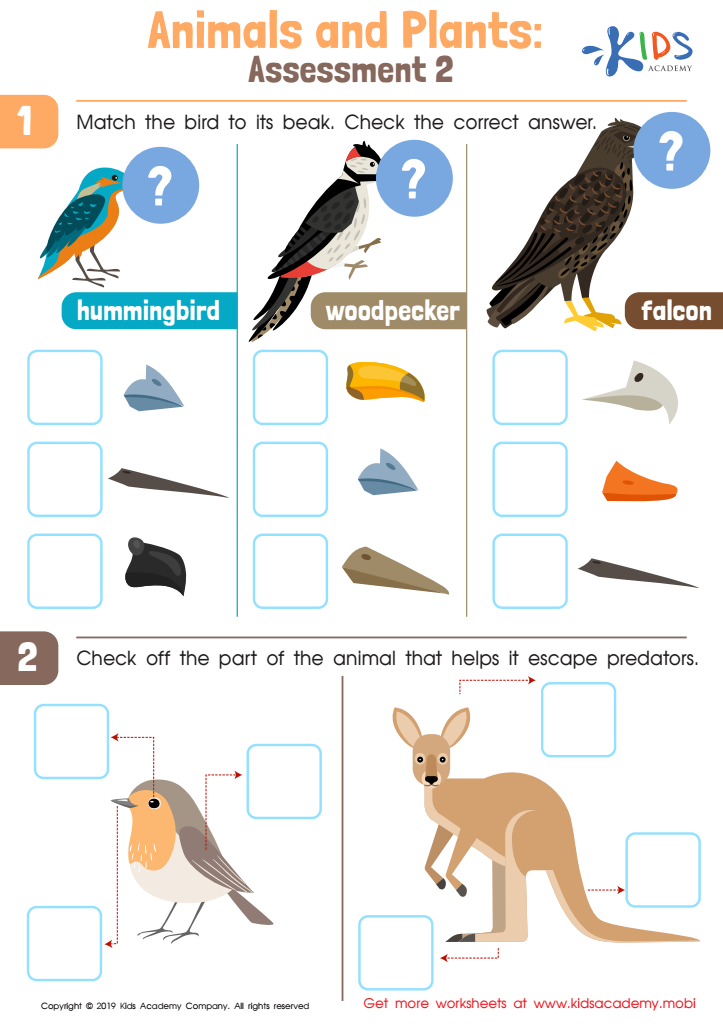
Animals and Plants: Assessment 2 Worksheet







Understanding habitats is crucial for young learners aged 4-7, as it lays the foundation for their awareness of the natural world. At this age, children are naturally curious about their surroundings, and learning about habitats fosters that curiosity into more structured knowledge. Parents and teachers should prioritize this theme in education for several reasons.
Firstly, habitats help children grasp the concept of ecosystems and the interdependence of life forms. When children understand how plants, animals, and humans interact within various environments, they develop a sense of respect for nature. This can cultivate a lifelong appreciation and responsibility towards the environment.
Secondly, learning about different habitats—be it forests, oceans, or deserts—supports key areas of development, including critical thinking and problem-solving. Children can engage in activities that require them to categorize animals, identify food chains, and explore adaptations.
Additionally, understanding habitats inspires creativity, as children can imitate and simulate these environments through art, stories, and play. This holistic approach not only makes learning fun but also helps them build social skills as they collaborate on projects.
Ultimately, teaching young children about habitats equips them with essential knowledge and a profound connection to the environment, fostering a generation that values and protects our planet.







