Understanding life cycles Normal Science Worksheets for Ages 5-7
4 filtered results
-
From - To
Discover the fascinating world of life cycles with our "Understanding Life Cycles" printable worksheets, designed for ages 5-7. These engaging, educational resources provide young learners with a clear and fun exploration of how living things grow and change over time. Our worksheets include colorful illustrations and simple exercises that guide children through the life cycles of various plants and animals. Perfect for both classroom and at-home learning, these activities help develop observation and critical thinking skills. Equip your child with an early love for science and a deep understanding of the wonders of life with our expertly crafted materials.
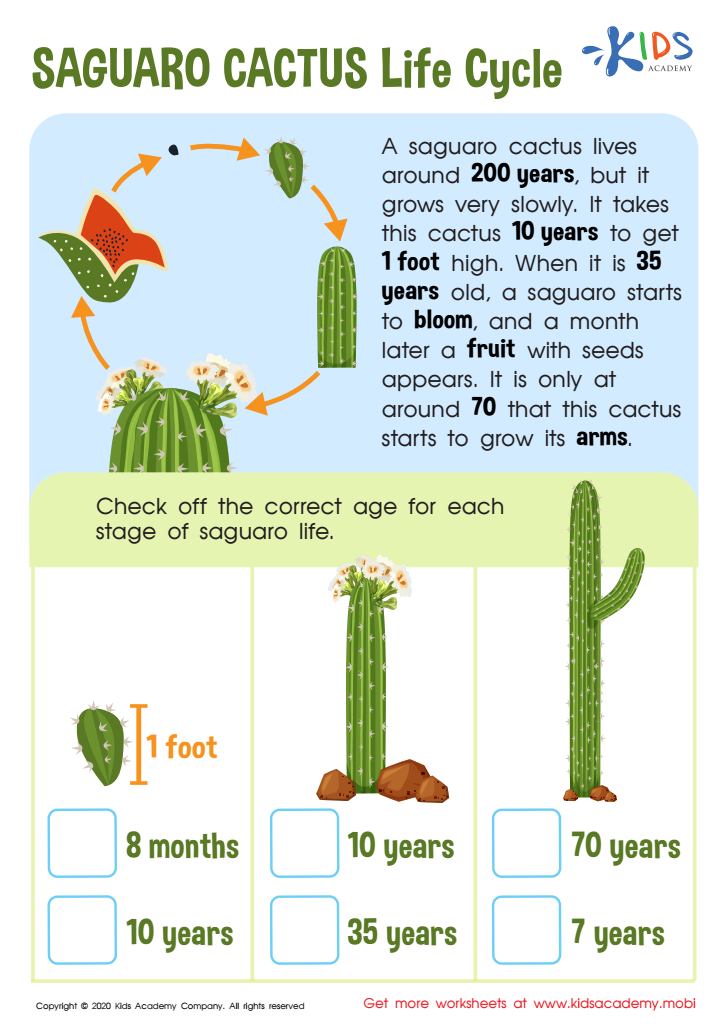
Saguaro Cactus Life Cycle Worksheet
 Assign to My Students
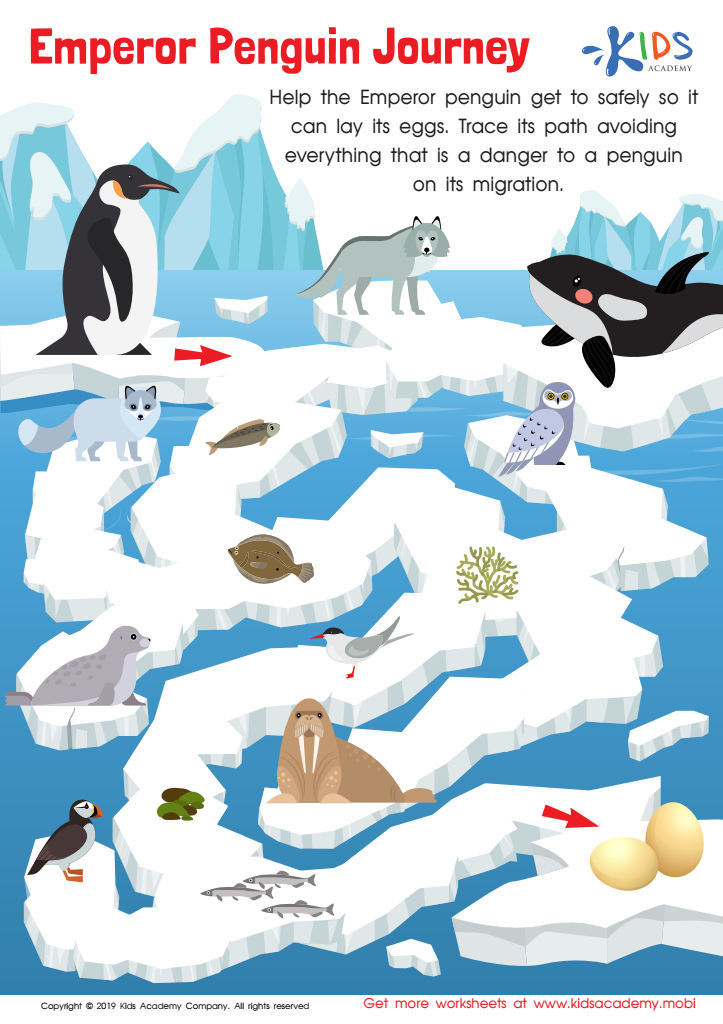
Emperor Penguin Journey Worksheet
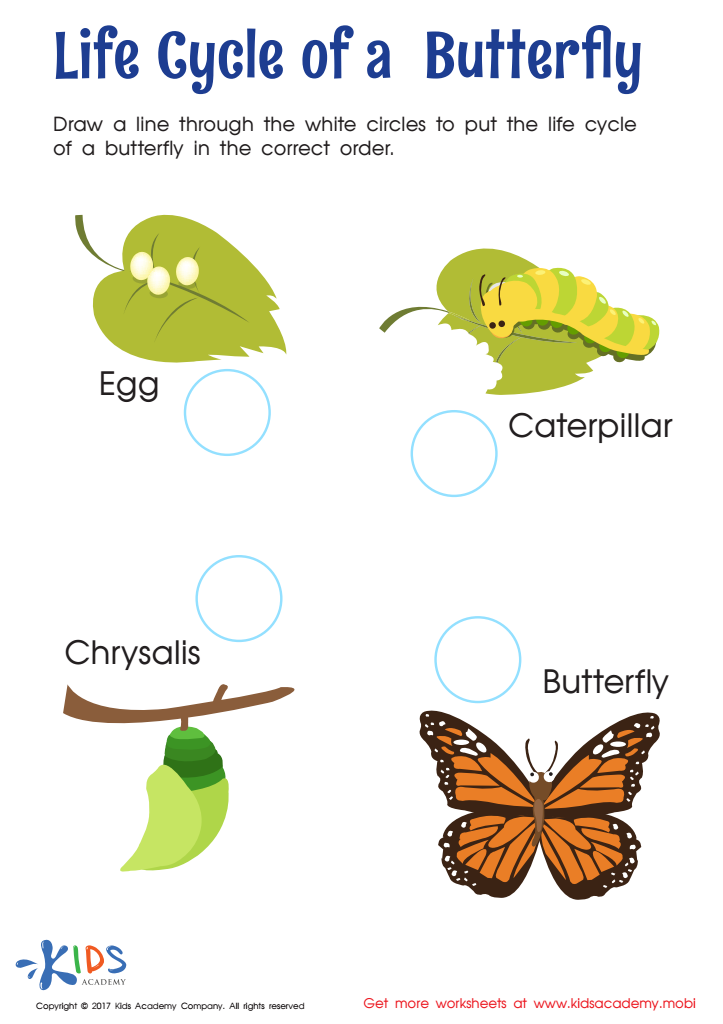
Life Cycle of Butterfly Worksheet
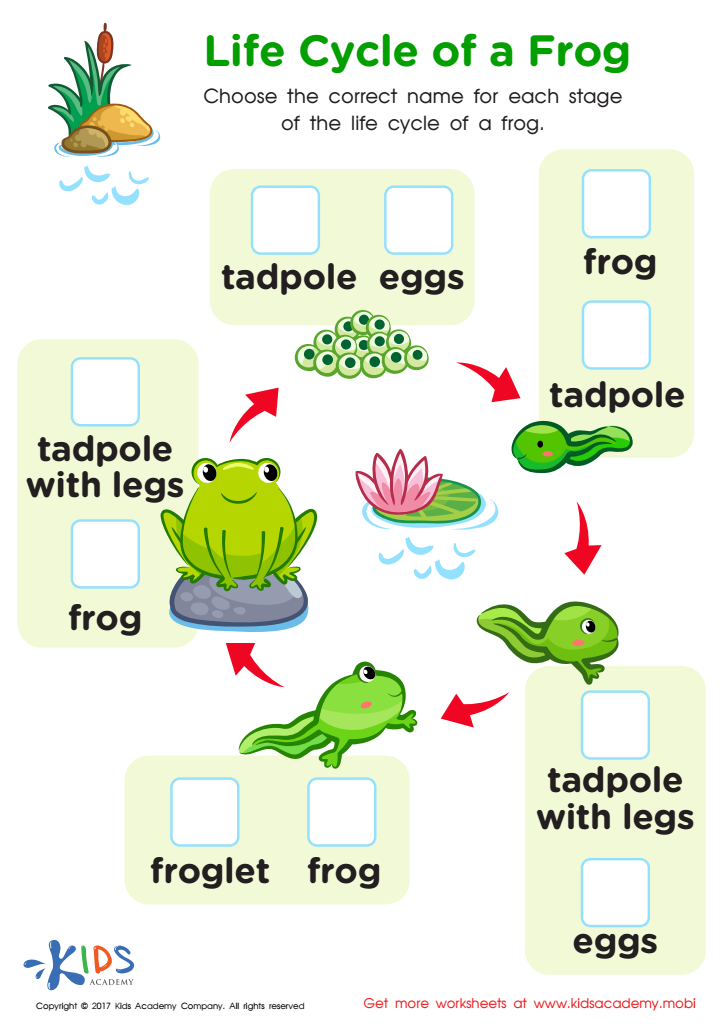
Life Cycle Frog Printable






.jpg)
Understanding life cycles is a fundamental aspect of normal science education for children aged 5-7. It furnishes a foundation for scientific thinking by introducing basic, yet essential concepts about nature and the living world. Grasping the concept of life cycles fosters curiosity and an appreciation for biological processes such as growth, development, and reproduction.
For parents and teachers, encouraging knowledge of life cycles is paramount for several reasons. Firstly, it helps children make sense of their surroundings. When kids understand how plants bloom from seeds or that butterflies emerge from chrysalises, they're better equipped to interpret the ever-changing natural world.
Secondly, life cycles link directly to broader themes about change and continuity that are vital in both science and everyday life. Realizing that living things go through distinct stages can teach kids about patience and the importance of nurturing growth. For instance, growing a plant from a seed can instill a sense of responsibility and the joy of achieving a goal through gradual progress.
Lastly, discussing life cycles strengthens core academic skills, including observation, sequencing, and critical thinking. These skills pave the way for advanced learning and problem-solving abilities in later years. Overall, this knowledge not only enriches scientific comprehension but also contributes to holistic intellectual and emotional development.







