Weather identification Normal Science Worksheets for Ages 5-7
4 filtered results
-
From - To
Unlock your child's curiosity about the natural world with our engaging Weather Identification Normal Science Worksheets, designed specifically for ages 5-7. These interactive worksheets offer a fun and educational way for young learners to identify and understand different weather conditions. Through colorful illustrations and simple activities, children will enhance their observation skills and build foundational knowledge about rain, sun, clouds, and more. Perfect for classroom or at-home learning, these worksheets align with early science learning standards, providing a playful yet informative approach to weather education. Help your child become a mini meteorologist with Kids Academy today!
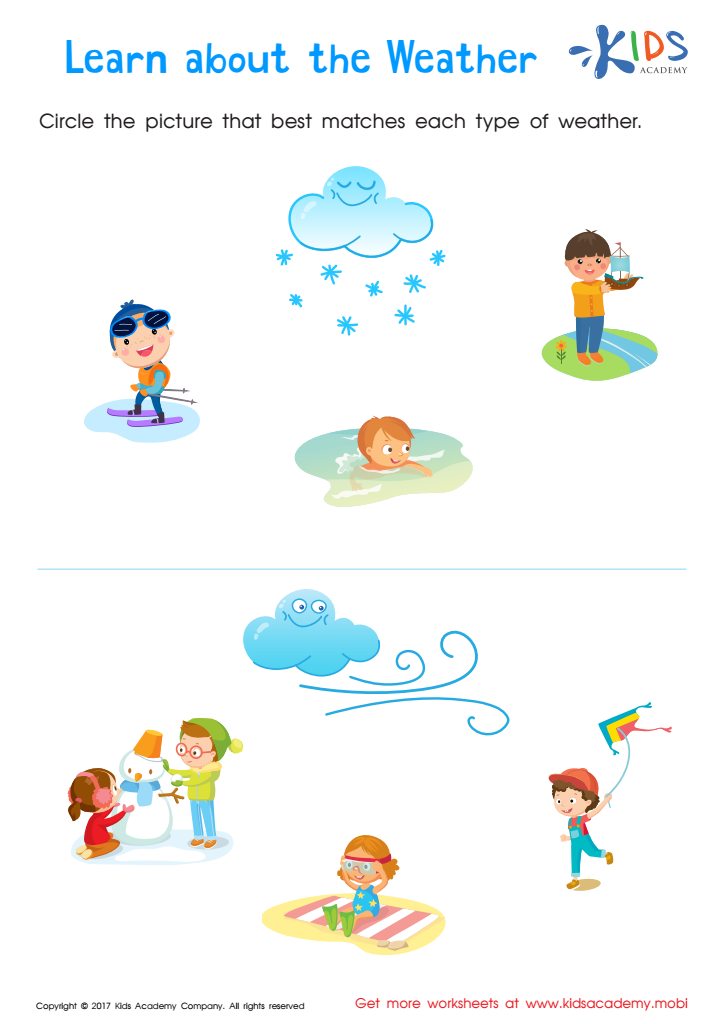
About the Weather Printable
 Assign to My Students
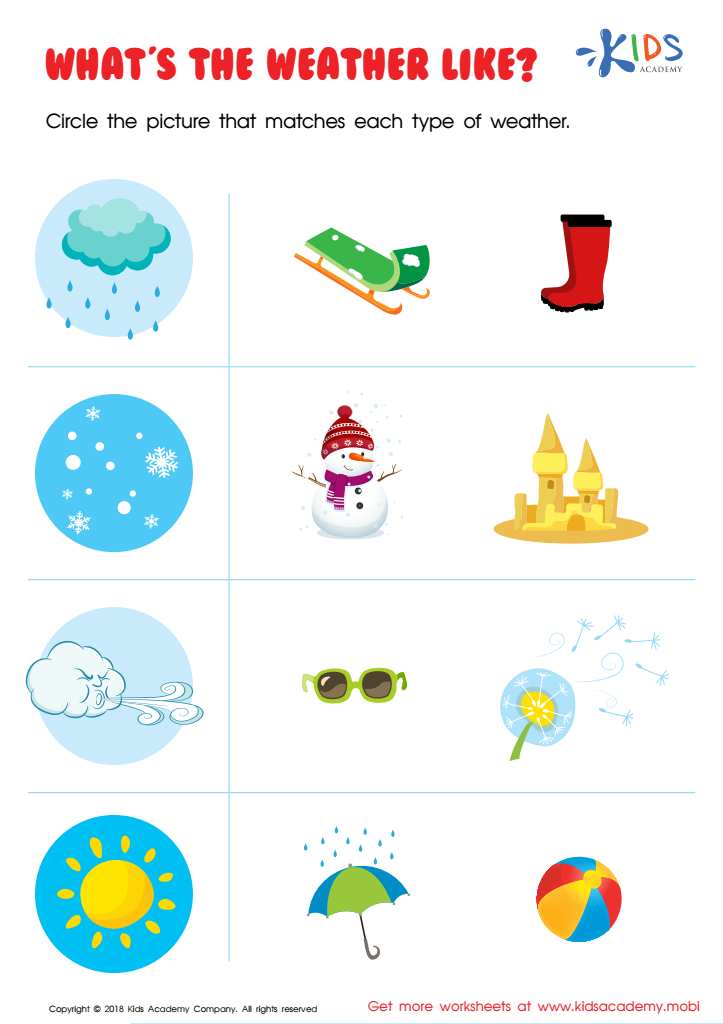
What's the Weather Like? Worksheet
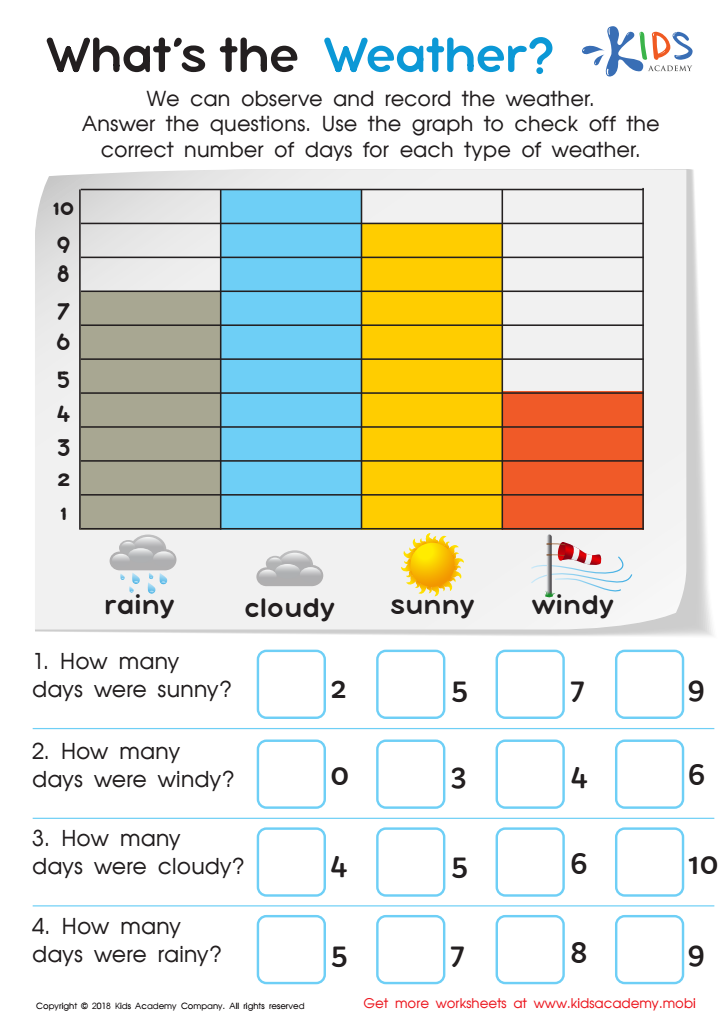
What's the Weather? Worksheet


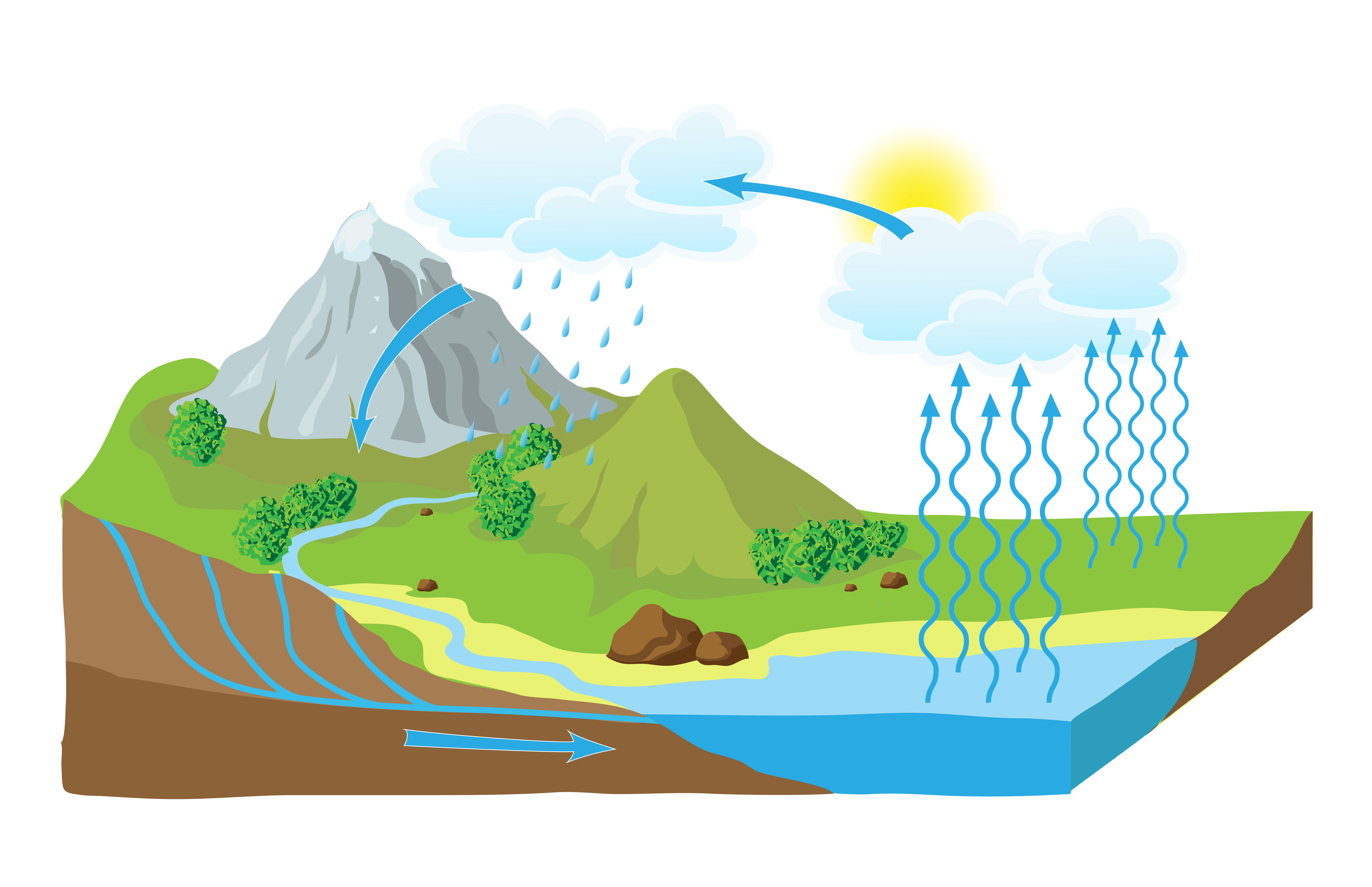





Parents and teachers should care about weather identification and basic weather science for children aged 5-7 because these concepts are fundamental building blocks for future scientific understanding and practical life skills. At this developmental stage, kids are naturally curious about the world around them. Learning to identify weather conditions such as sunny, rainy, cloudy, or snowy days nurtures this curiosity and helps them make sense of everyday experiences.
Early education in weather not only boosts observational and analytical skills but also enhances vocabulary and language development by introducing specific terms and concepts. These early lessons can foster a sense of wonder and appreciation for nature, encouraging kids to explore further scientific topics as they grow.
Understanding weather also promotes safety. Kids will know to dress appropriately for different weather conditions, and they'll learn about the importance of seeking shelter during extreme weather events, like thunderstorms or snowstorms. Moreover, hands-on weather activities, such as making simple weather charts, create engaging learning opportunities that are both educational and enjoyable.
Lastly, early exposure to weather science can lay the foundation for a well-rounded education. By incorporating interactive and observational learning, parents and teachers help children develop critical thinking skills, which are essential across all disciplines. This holistic approach ensures that children are well-prepared for more complex scientific studies and for making informed decisions in their daily lives.







