
Critical Thinking Normal Life Science Worksheets for Ages 5-7
3 filtered results
Difficulty Level
Grade
Age
-
From - To
Subject
Activity
Standards
Welcome to our "Critical Thinking Normal Life Science Worksheets for Ages 5-7"! Designed to engage young minds, these worksheets are perfect for nurturing curiosity and analytical skills. Fostering critical thinking, our resources encourage children to explore fundamental concepts in life science, such as plant and animal life, ecosystems, and the environment. Each worksheet includes age-appropriate activities that promote problem-solving, observation, and reasoning. These interactive and fun-filled tasks seamlessly align with early learning objectives, helping kids make connections between science and their daily lives. Join us in inspiring the next generation of thinkers and problem solvers through foundational life science education!
Favorites
With answer key
Interactive
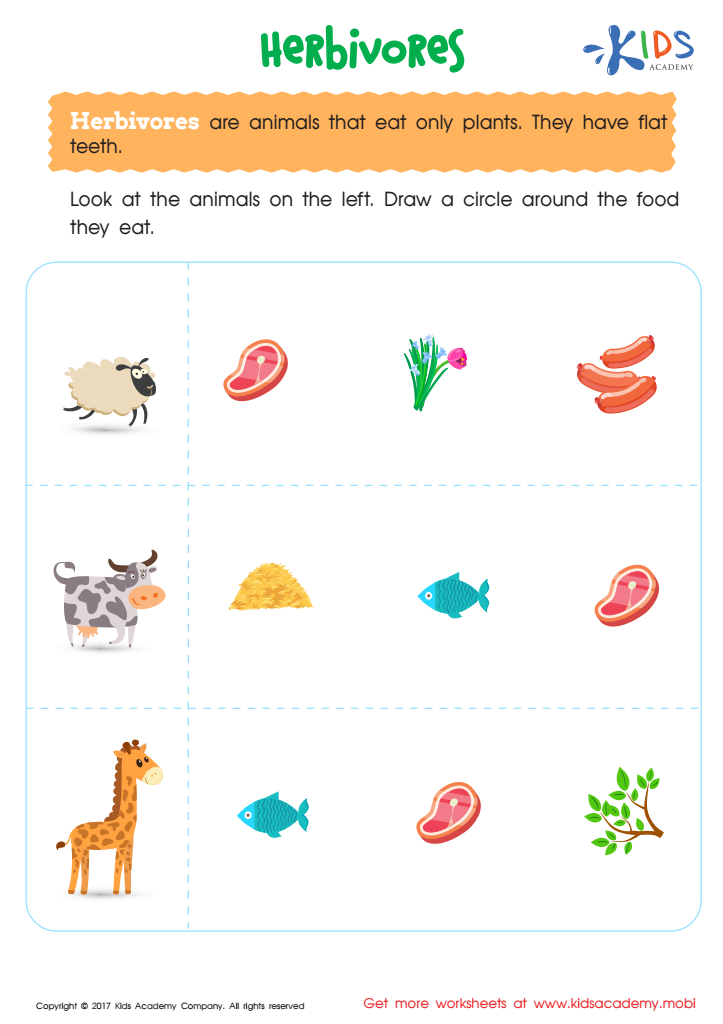
Herbivores Printable
Strengthen their vocab with these fascinating creatures, as they explore an intriguing aspect of beloved animals.
 Assign to My Students
Herbivores Printable
Worksheet
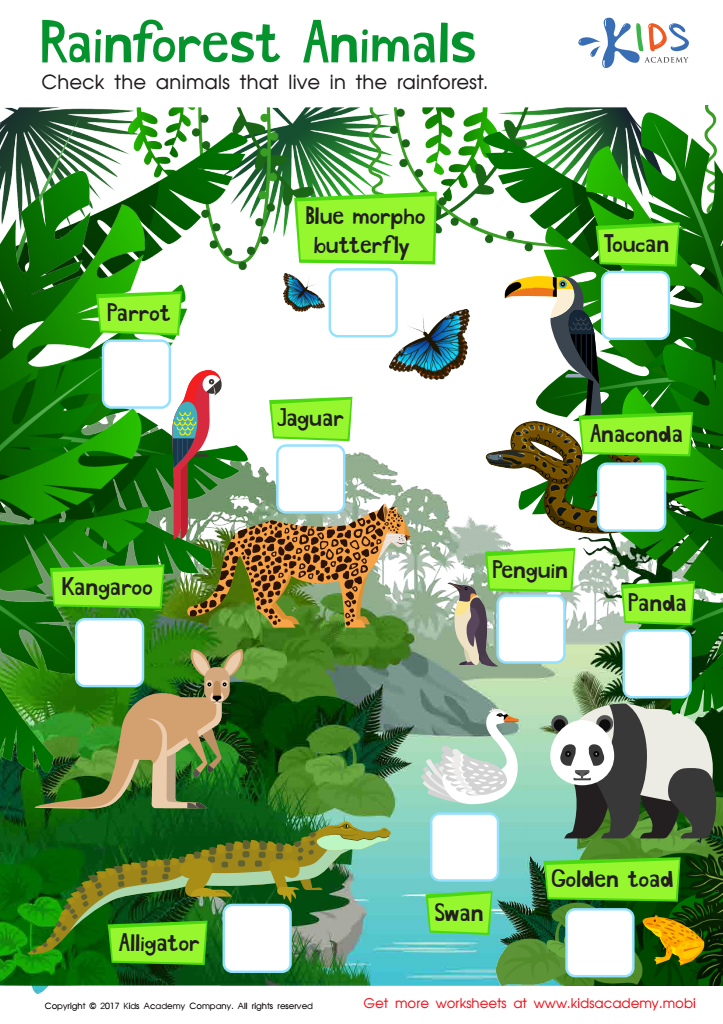
Rainforest Animals Worksheet
Kids love the bright, vivid pics of rainforest animals in this worksheet. It fuels their interest in life science and brings joy to their learning. It encourages them to study these animals in detail.
Rainforest Animals Worksheet
Worksheet
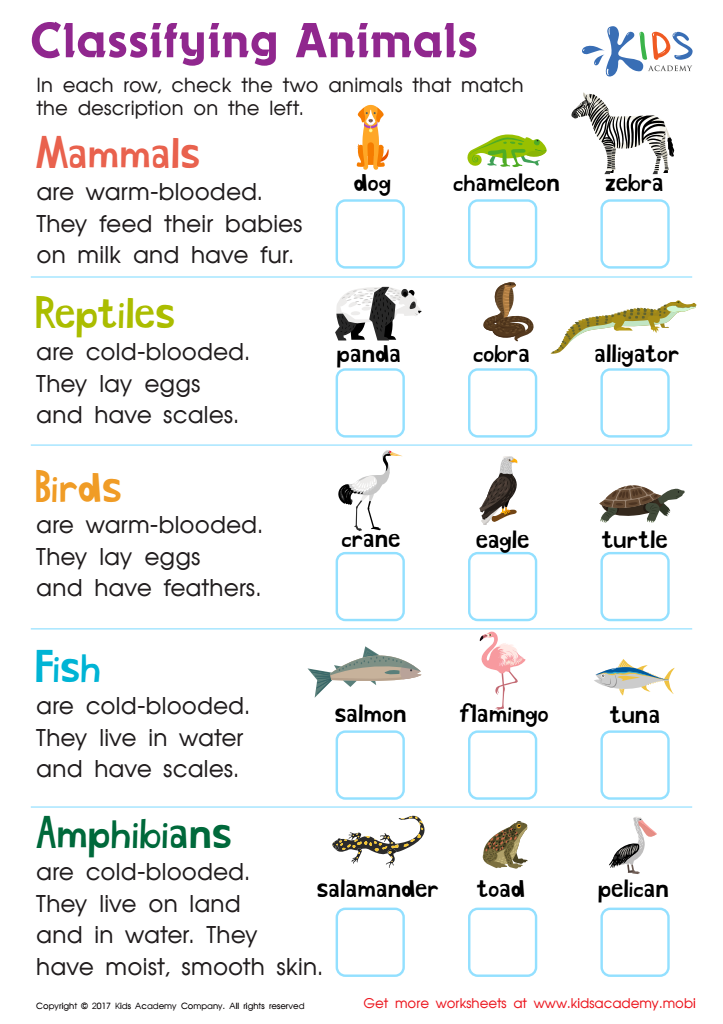
Classifying Animals Worksheet
Print the 2nd grade animal classification worksheet and help kids study the differences between mammals, reptiles, birds, fish and amphibians. Let them pick two examples from the options given.
Classifying Animals Worksheet
Worksheet
Join Kids Academy for Free
Who is primarily going to use this learning content?






.jpg)

Critical Thinking Normal Life Science for ages 5-7 plays a vital role in a child's early education, bridging curiosity with essential reasoning skills. At this developmental stage, children are naturally inquisitive, often asking "why" and "how" about the world around them. Introducing life science through critical thinking nurtures this curiosity while encouraging them to observe, question, and explore.
Parents and teachers should care because fostering critical thinking skills helps children make connections between what they learn and their everyday experiences, empowering them to make informed choices. Engaging with life science concepts—like the importance of plants, animals, and ecosystems—can lead to a better understanding of their environment and how human actions impact it.
Moreover, teaching critical thinking within life sciences promotes problem-solving abilities, enabling children to analyze situations and develop solutions. These foundational skills not only enhance academic performance but also equip children for lifelong learning and citizenship.
By nurturing critical thinking in young learners, caregivers are not merely focusing on memorizing facts but encouraging a mindset that values inquiry, observation, and evidence-based reasoning. This creates a rich and meaningful learning experience that fosters both intellectual growth and a sense of responsibility for the world around them.








