Filters

56 filtered results

Clear all filters
Favorites
With answer key
Interactive

56 filtered results

Difficulty Level

Grade


Check out this FREE Trial Lesson on Physical Science for age 5-7!

Energy and Forces

Favorites
With answer key
Interactive
  • 5-7
  • Physical Science
  • Normal
Down it Goes Worksheet

Down it Goes Worksheet

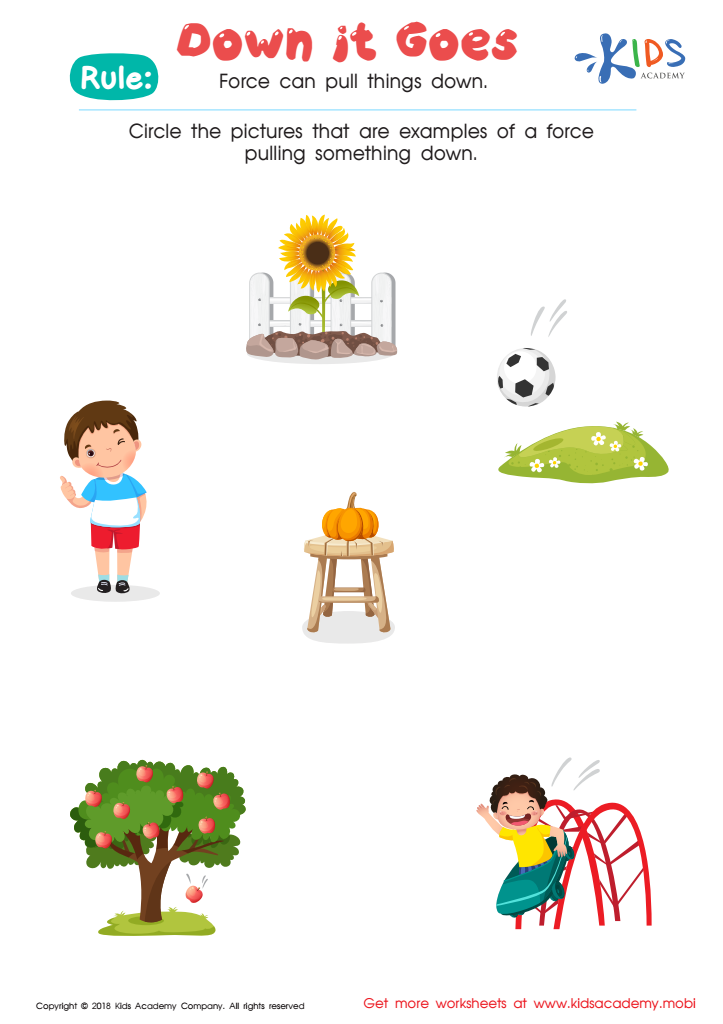
Explain gravity to your child using this fun worksheet. Ask them to give examples of things pulled down with force, then instruct them to circle the pictures that show this. It's a great way to help them understand the concept of gravity.
Down it Goes Worksheet
Worksheet
Will it Move? Worksheet

Will it Move? Worksheet

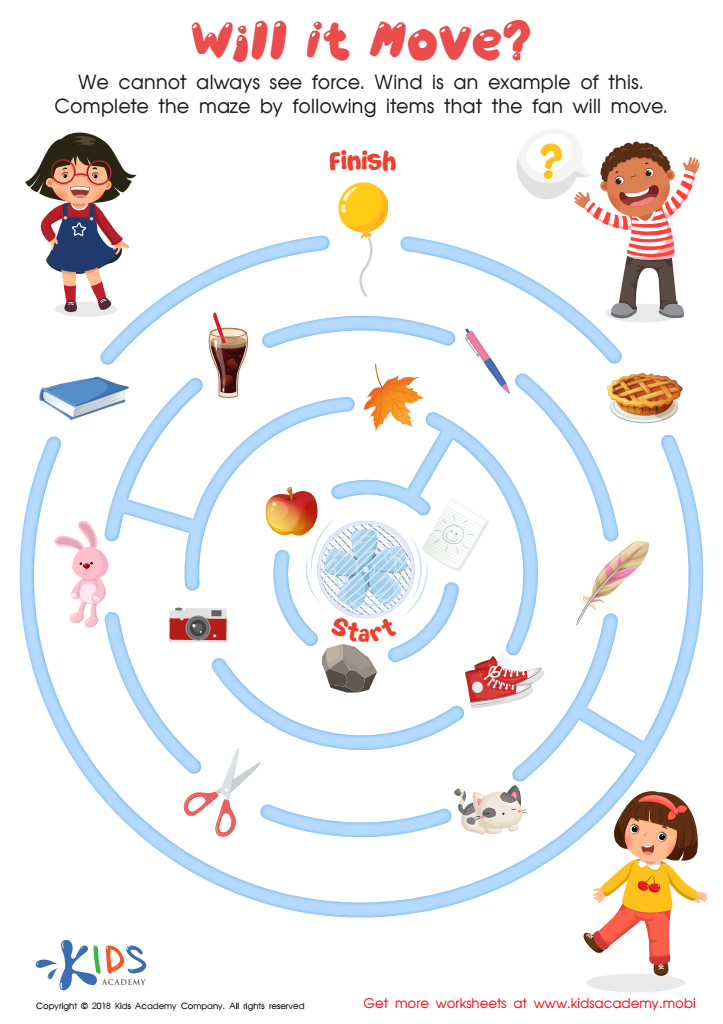
Does your child know about force? If yes/no, this worksheet can help. Force is invisible - like wind - but it moves objects. Ask your child to complete the maze, following the path of items moved by the wind. 80 words.
Will it Move? Worksheet
Worksheet
Moon Phases Worksheet

Moon Phases Worksheet

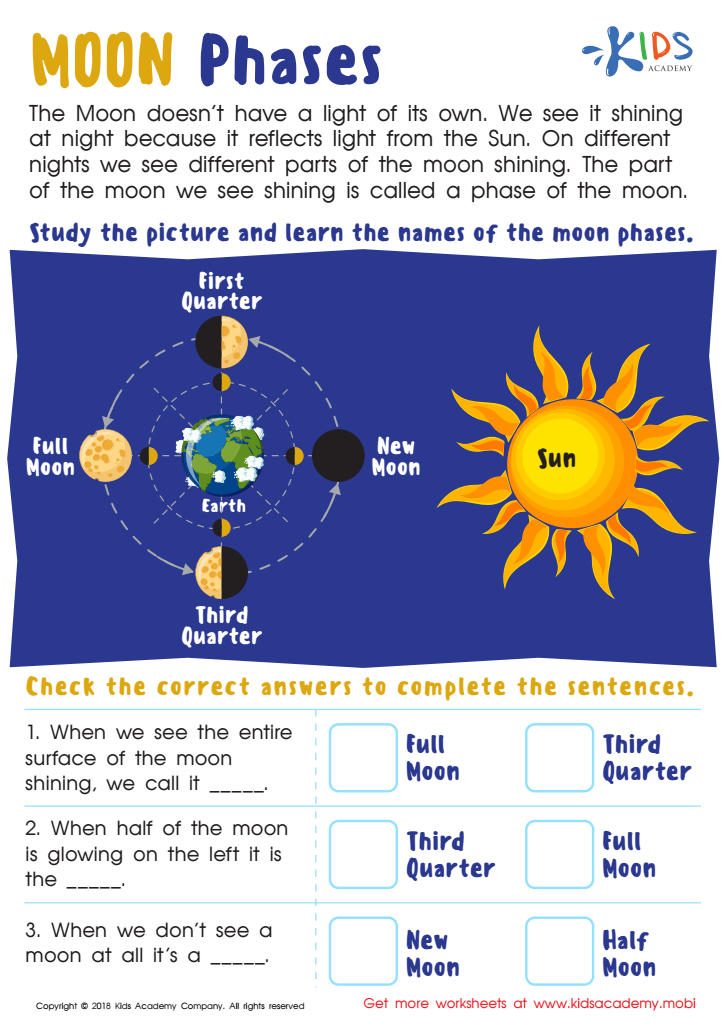
Gaze up at the night sky and the moon's appearance may change from night to night. Encourage your child to learn more about the sun, the moon, and space with this science worksheet. Have them read the text then study the picture. Finally, read the sentences and check the answers to identify the moon's phases.
Moon Phases Worksheet
Worksheet
Matter all Around Worksheet

Matter all Around Worksheet

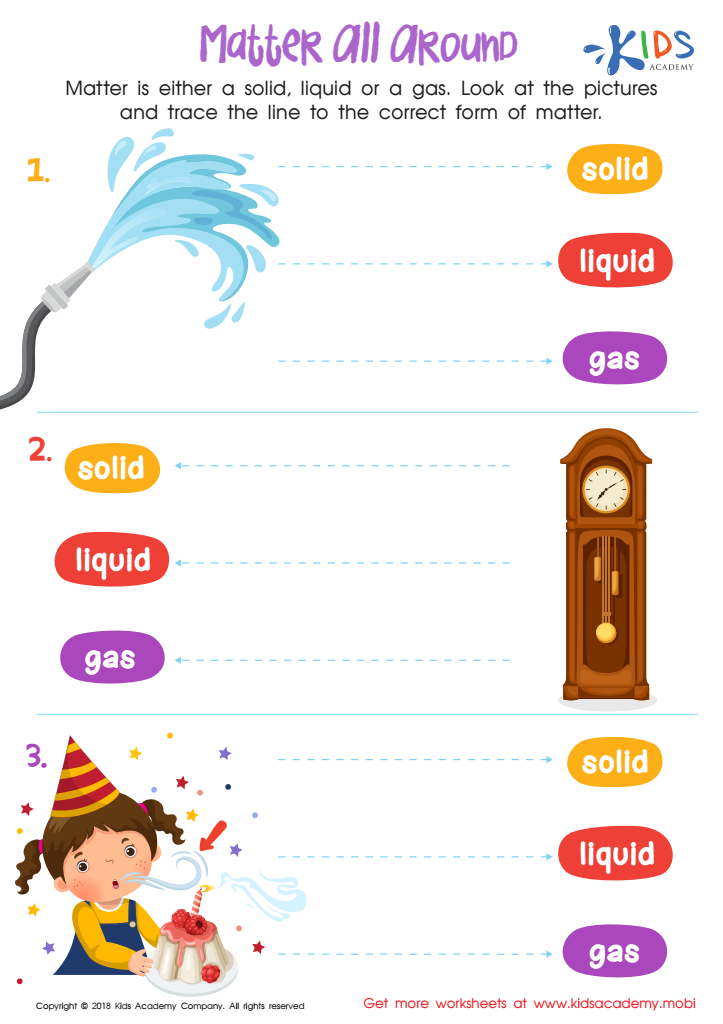
Have you taught your students about matter? Use this worksheet to help them understand that matter is anything that has weight and takes up space, either as a solid, liquid, or gas. Guide them to trace the line to the correct form of matter as they look at the pictures. This will be easy if they already know the topic, but it's also a great opportunity to teach them.
Matter all Around Worksheet
Worksheet
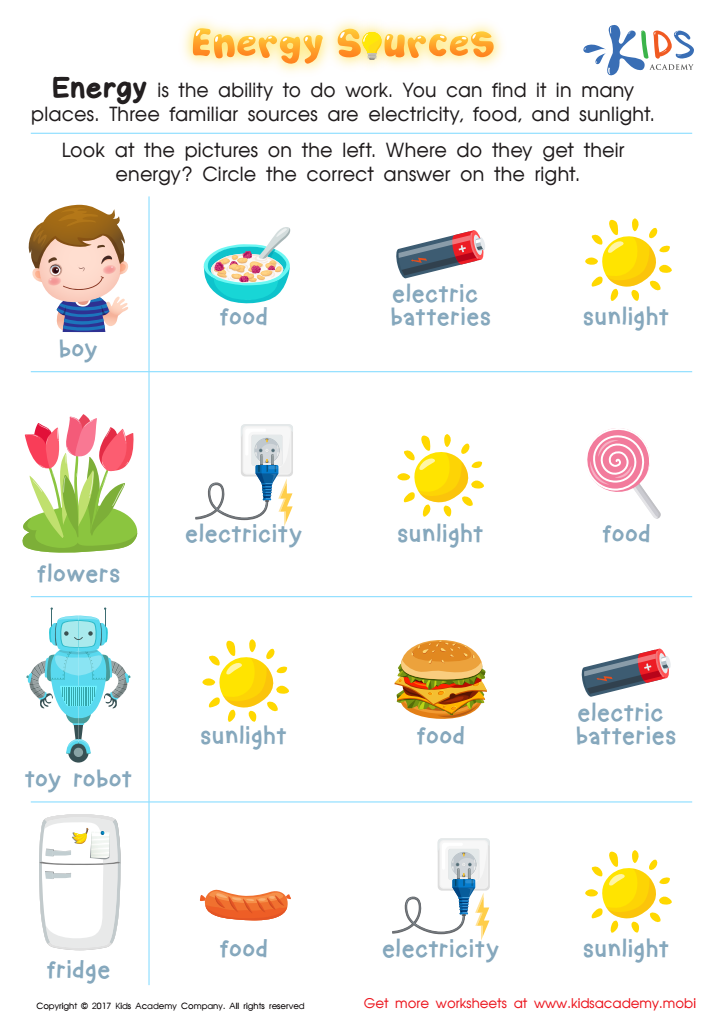
Energy sources worksheet PDF

Energy Sources Printable

Introduce energy sources with this worksheet PDF — explore the sun, batteries, and more! Get your mini scientist excited about energy and power up their learning.
Energy Sources Printable
Worksheet
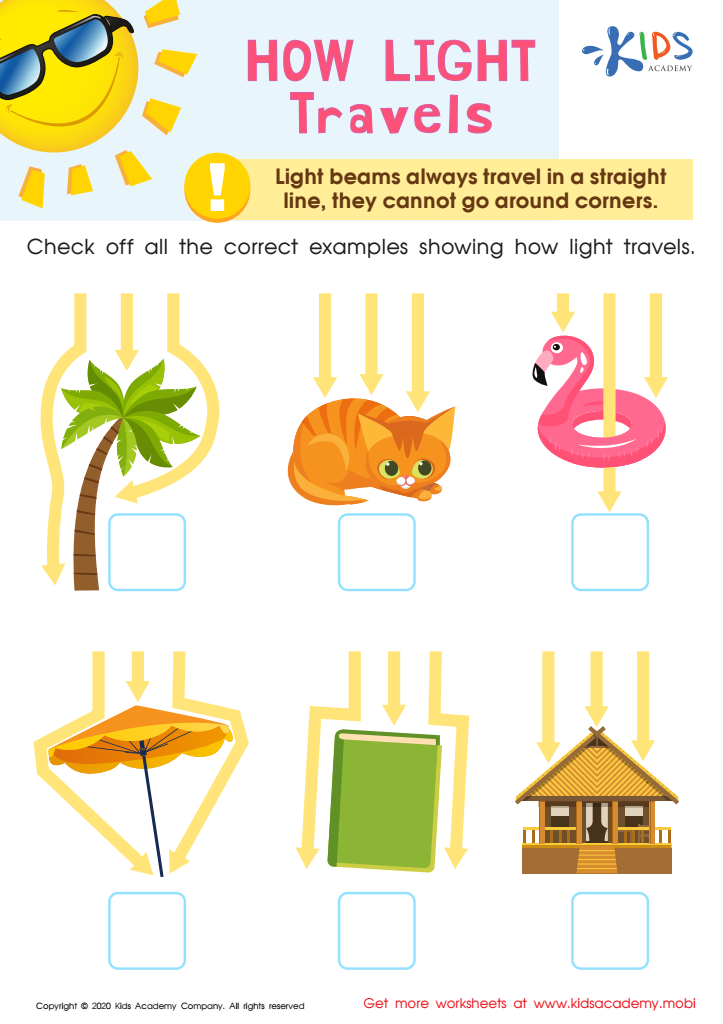
How Light Travels Worksheet

How Light Travels Worksheet

This colorful worksheet teaches students about light travel: beams move in a straight line and can't go around corners. Students view pictures and check off all the correct examples.
How Light Travels Worksheet
Worksheet
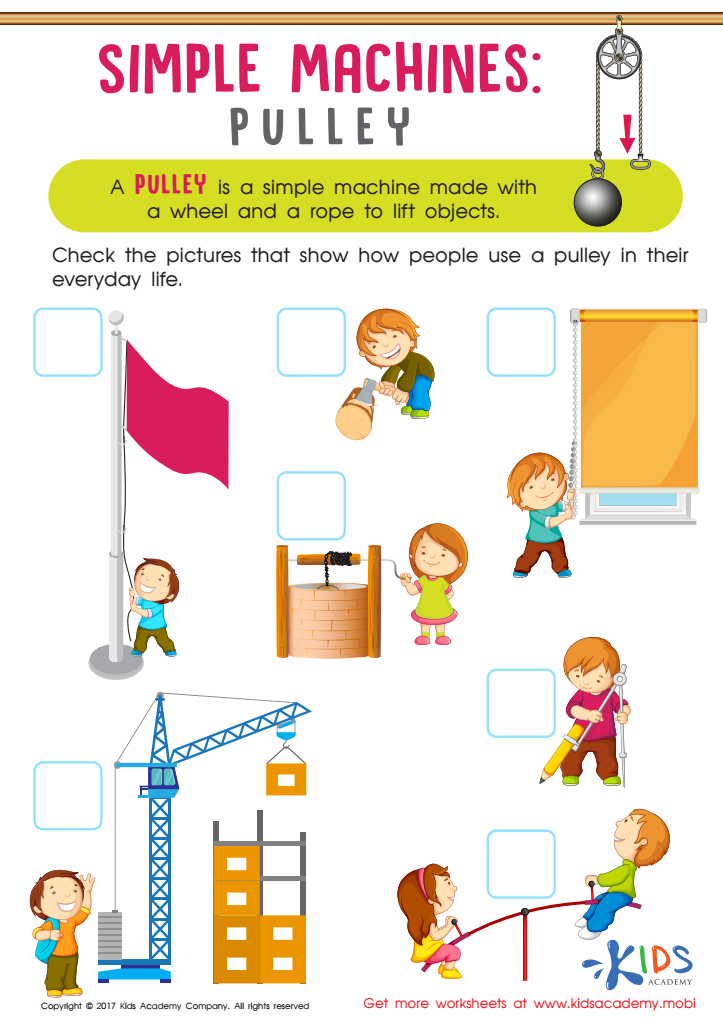
Simple machines pulley worksheet

Simple Machines Pulley Worksheet
Pulleys make everyday life easier, from flag poles to elevators. This worksheet helps kids recognize and appreciate how pulleys simplify our lives. They'll learn about the many practical uses for these simple rope and wheel systems.
Simple Machines Pulley Worksheet
Worksheet
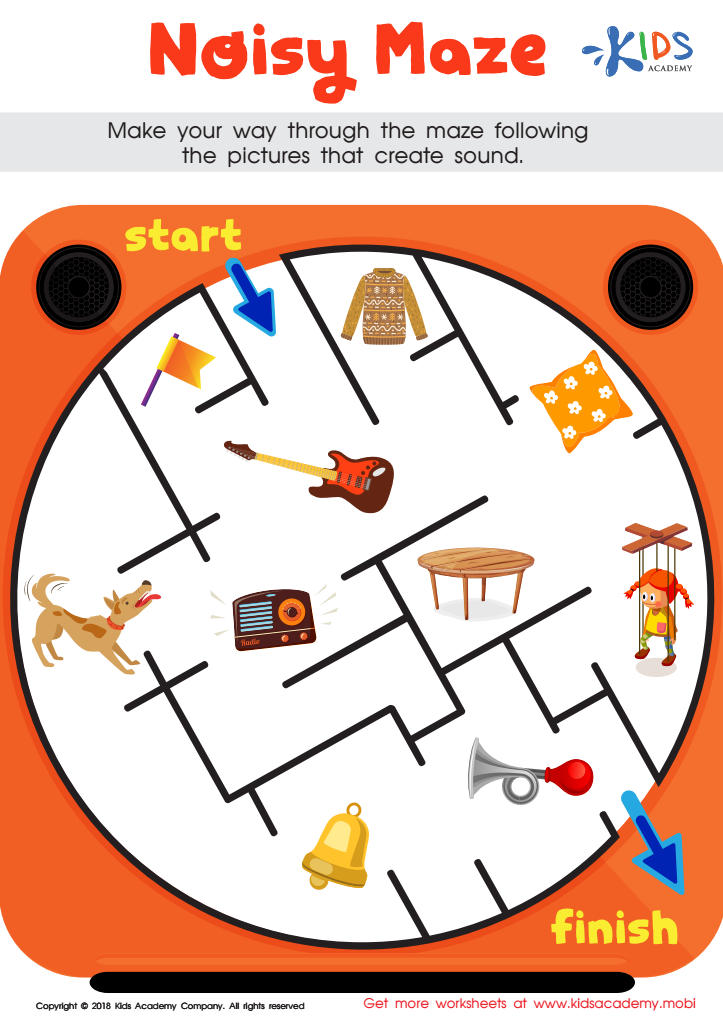
Noisy Maze Worksheet


Noisy Maze Worksheet

Have your kids name some objects that make noise? Then, look at the worksheet with them and help them identify each object. Guide them through the maze, following the sound-producing pictures.
Noisy Maze Worksheet
Worksheet


... 2 3

Normal Physical Science for Ages 5-7 is crucial for early childhood development, as it lays the groundwork for scientific literacy and critical thinking skills. During these formative years, children are naturally curious about their surroundings, and introducing basic concepts of physical science harnesses that curiosity. This curriculum fosters observation skills and encourages hands-on experiments, allowing children to engage with concepts like gravity, motion, forces, and energy in tangible ways.

Additionally, understanding physical science helps children make sense of everyday phenomena, promoting a deeper appreciation for the world around them. Parents and teachers play a pivotal role in this learning process by guiding children through inquiries and exploration, making science relatable to their everyday experiences.

Moreover, a strong foundation in physical science can inspire a love for learning and pave the way for more advanced scientific principles in the future. This early engagement can also enhance problem-solving abilities, cooperative teamwork, and communication skills. As future stewards of the planet, instilling a sense of curiosity about science equips children to tackle real-world challenges. Thus, it is imperative for parents and educators to prioritize Normal Physical Science for young learners, ensuring they develop a solid understanding and passion for the subject.