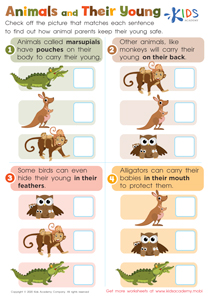
Plant identification Normal Plants Worksheets for Ages 5-7
4 filtered results
-
From - To
Discover our engaging Plant Identification Worksheets, designed specifically for children aged 5-7! These interactive resources provide young learners with an exciting way to explore the world of normal plants. Through vibrant illustrations and simple activities, kids will develop essential skills in recognizing and categorizing various plants found in their surroundings. Each worksheet encourages observation, comparison, and critical thinking, making learning about plants fun and informative. Perfect for classroom use or at-home learning, our worksheets support early science education while nurturing a love for nature. Start your adventure in plant identification today and foster your child's curiosity about the environment!
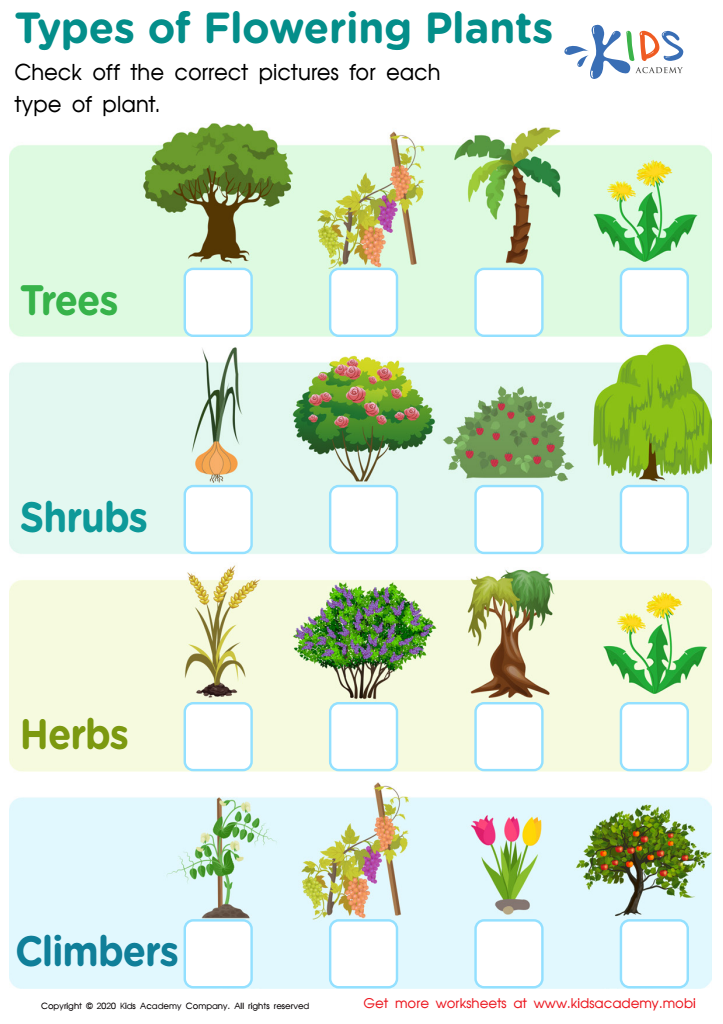
Types of Flowering Plants Worksheet
 Assign to My Students
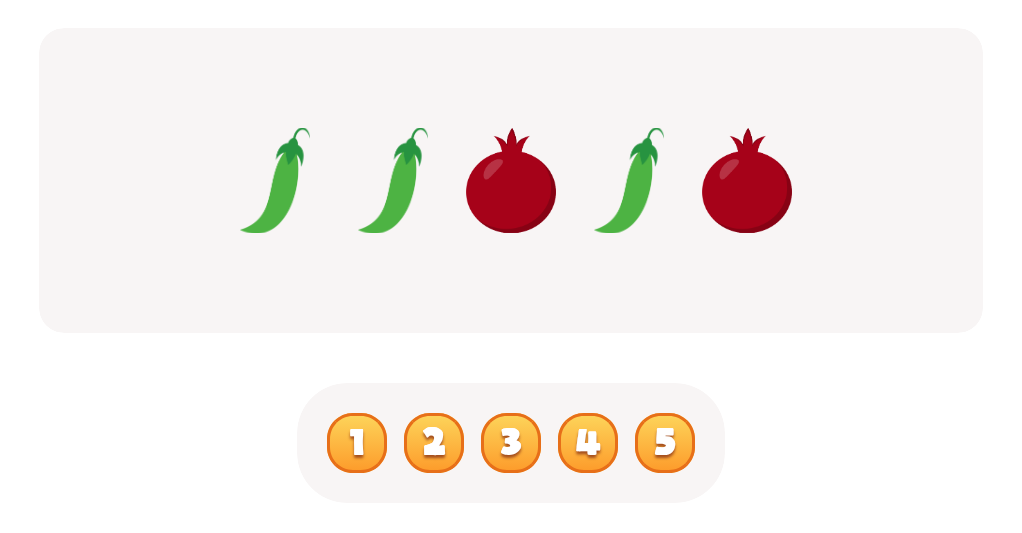

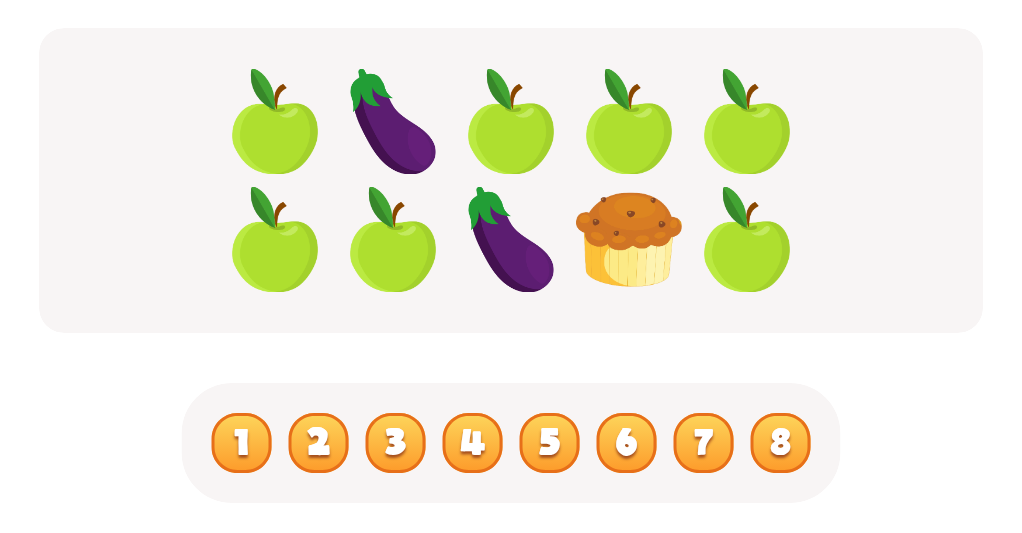

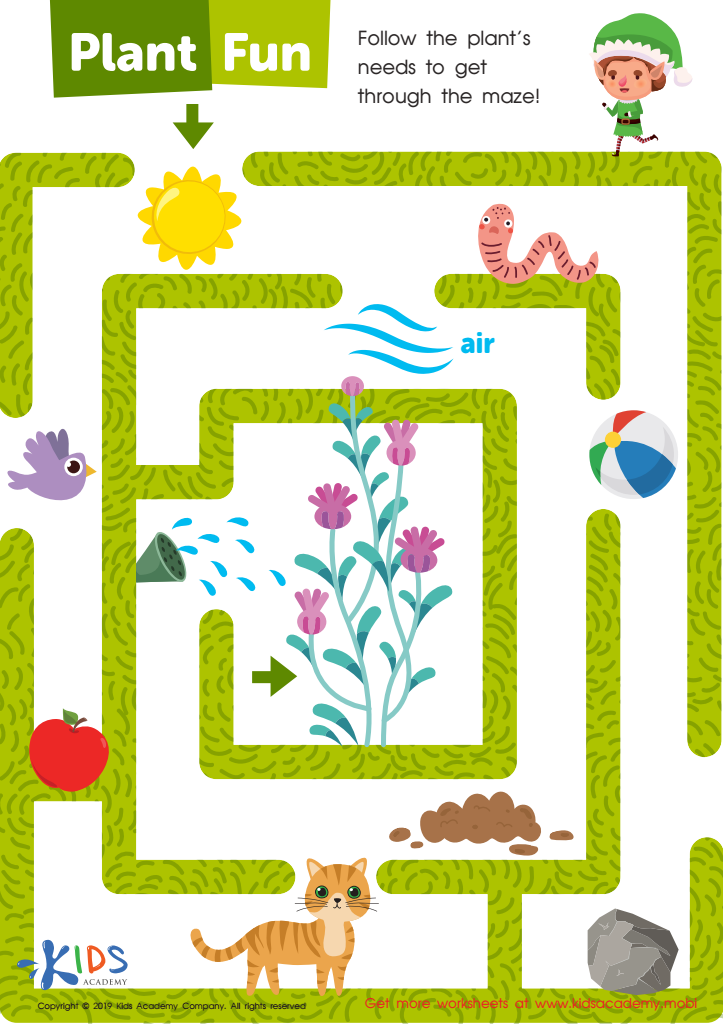
Plant Fun Worksheet
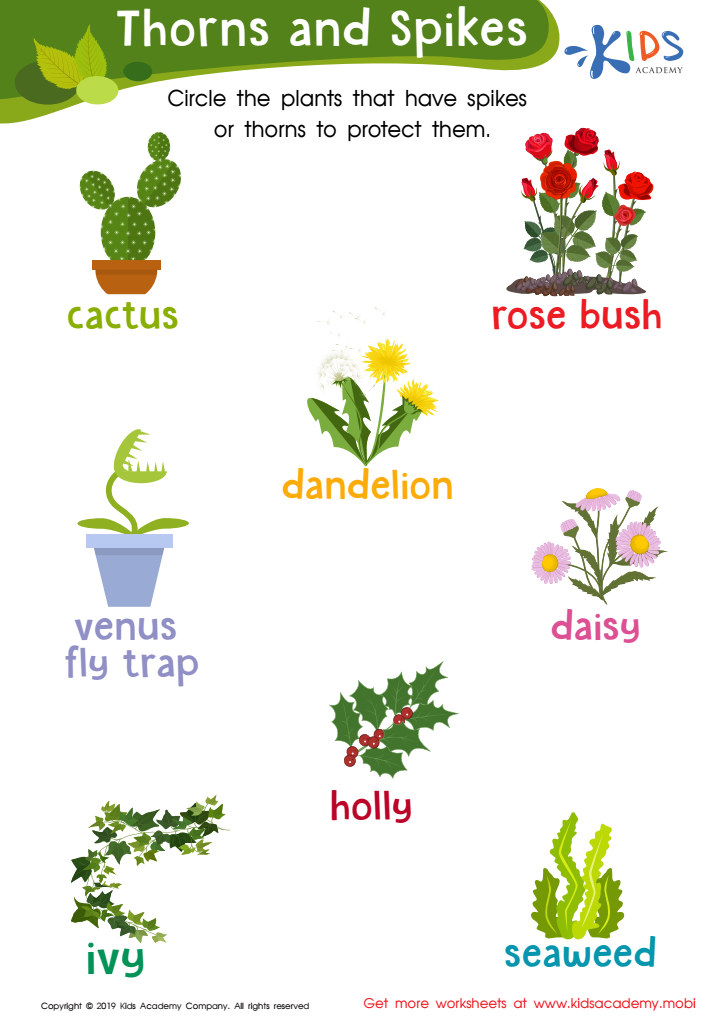
Thorns and Spikes Worksheet
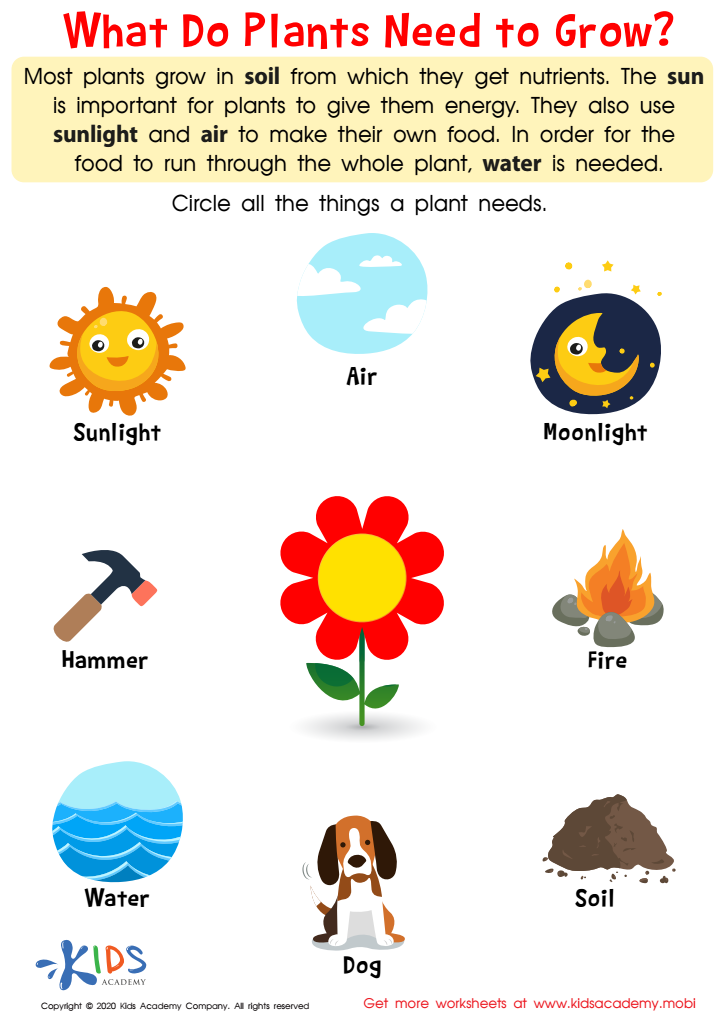
What Do Plants Need to Grow Worksheet






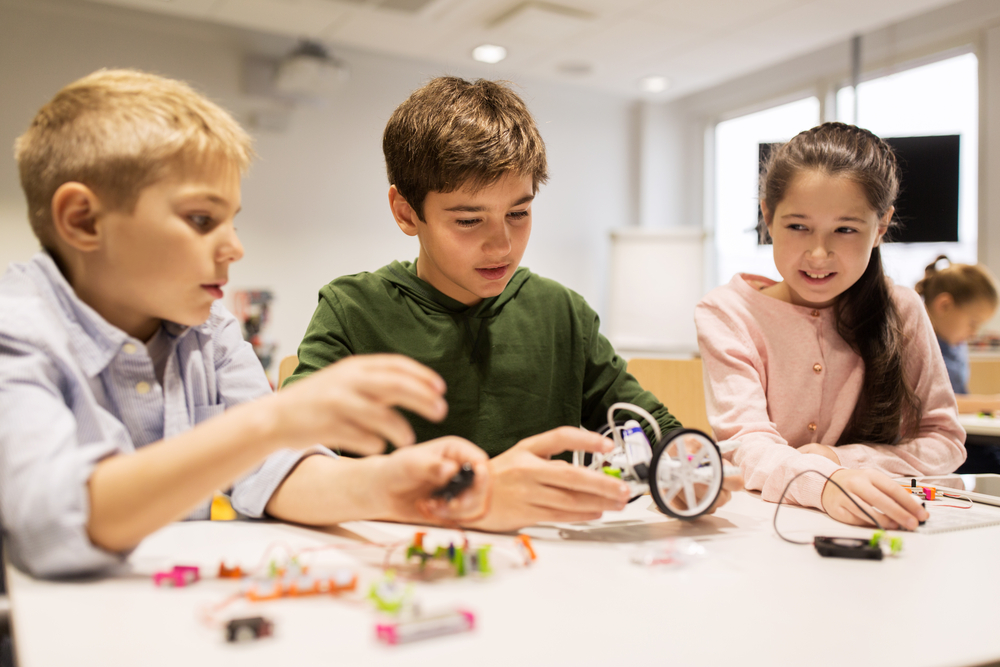

Parents and teachers should prioritize plant identification for young learners aged 5-7 for several important reasons. Firstly, connecting children with nature fosters curiosity and engagement. Recognizing common plants enhances their observational skills and nurtures a love for the environment. As kids identify flowers, trees, and shrubs, they learn to appreciate the diversity of nature, which can spark interest in sciences like biology and ecology.
Moreover, learning about normal plants has practical implications for children's well-being. Understanding which plants are safe or therapeutic can enhance their outdoor play and exploration, fostering a sense of safety and empowerment. This knowledge encourages healthy habits, such as gardening, which promotes physical activity and instills responsibility.
Additionally, plant identification activities can strengthen cognitive and language skills as children learn new vocabulary and concepts related to their natural surroundings. Collaborative identification projects also cultivate social skills, as children share their findings and work together in outdoor settings.
In conclusion, teaching young learners about plant identification not only enriches their understanding of the world but also nurtures essential life skills, encourages environmental stewardship, and fosters a lifelong connection with nature.