Logical Reasoning Normal Plants and Animals Worksheets for Ages 5-7
4 filtered results
-
From - To
Explore our engaging "Logical Reasoning Normal Plants and Animals Worksheets" designed for children aged 5-7! These worksheets are perfect for young learners looking to enhance their logical reasoning skills in an enjoyable way. Through vibrant illustrations and engaging activities, students will connect various aspects of the plant and animal kingdom while developing critical thinking abilities. Our printable worksheets encourage kids to observe, analyze, and draw conclusions about the natural world, making learning both fun and educational. Ideal for classroom or home use, these resources will help your child cultivate an appreciation for nature while fostering essential cognitive skills. Dive in today!
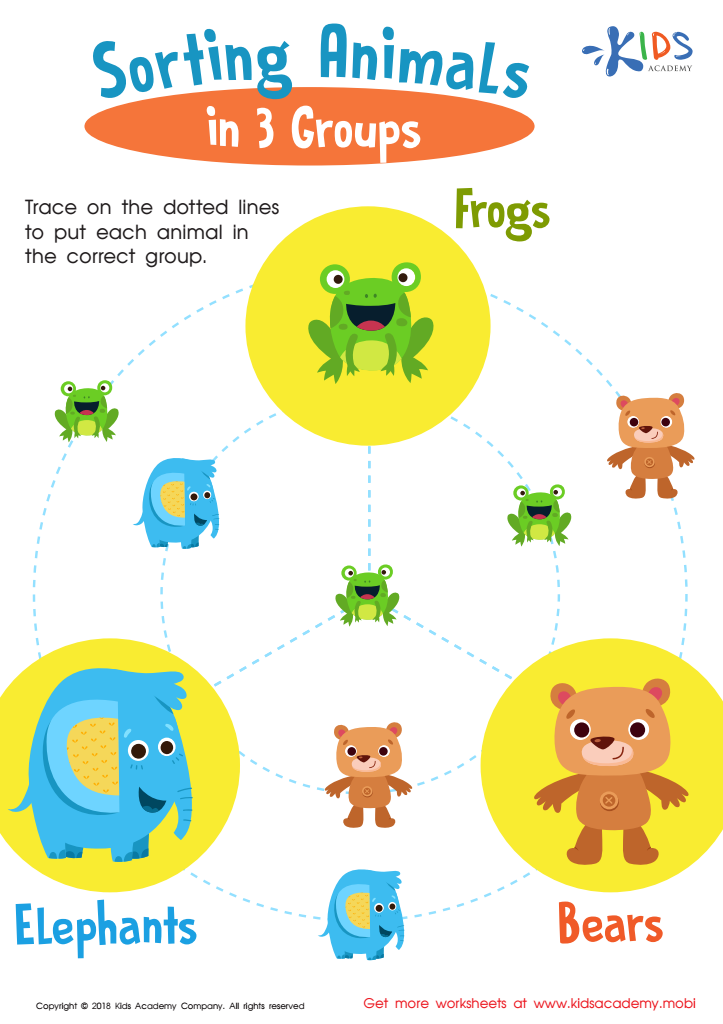
Sorting Animals in 3 Groups Worksheet
 Assign to My Students
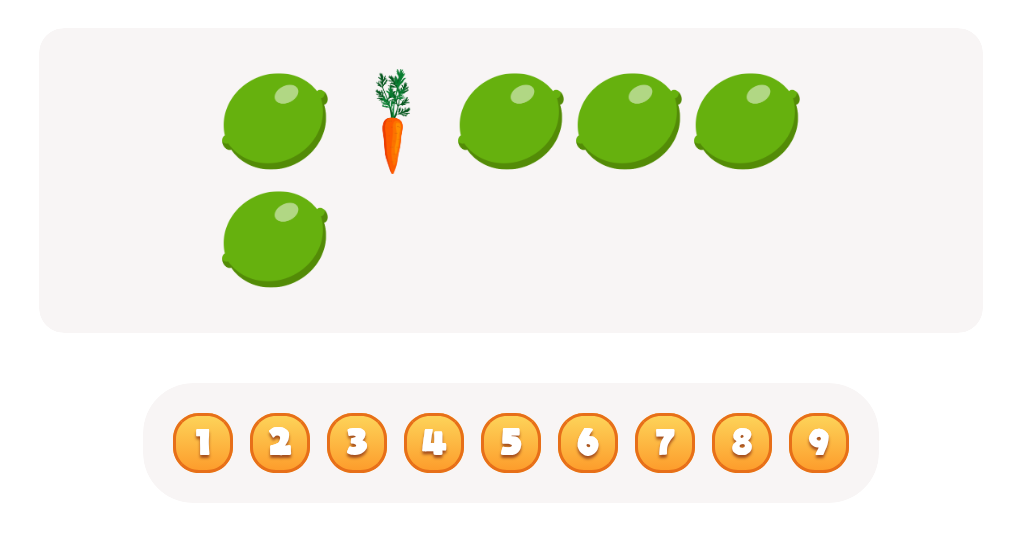


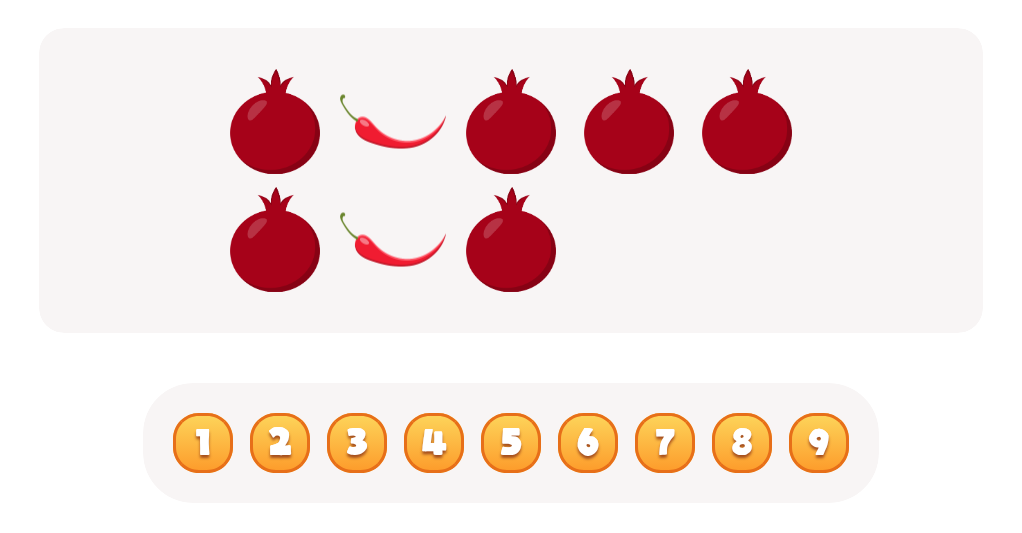
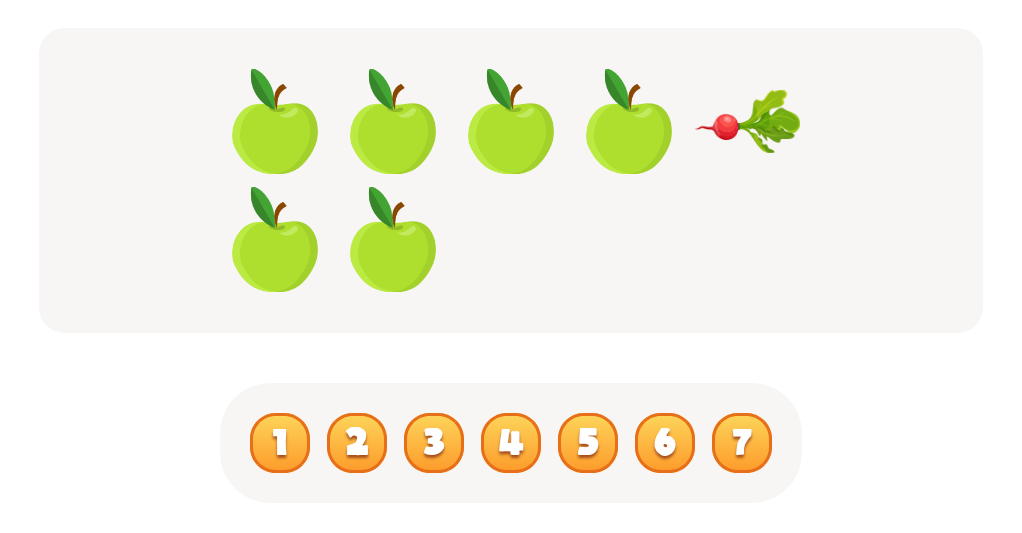
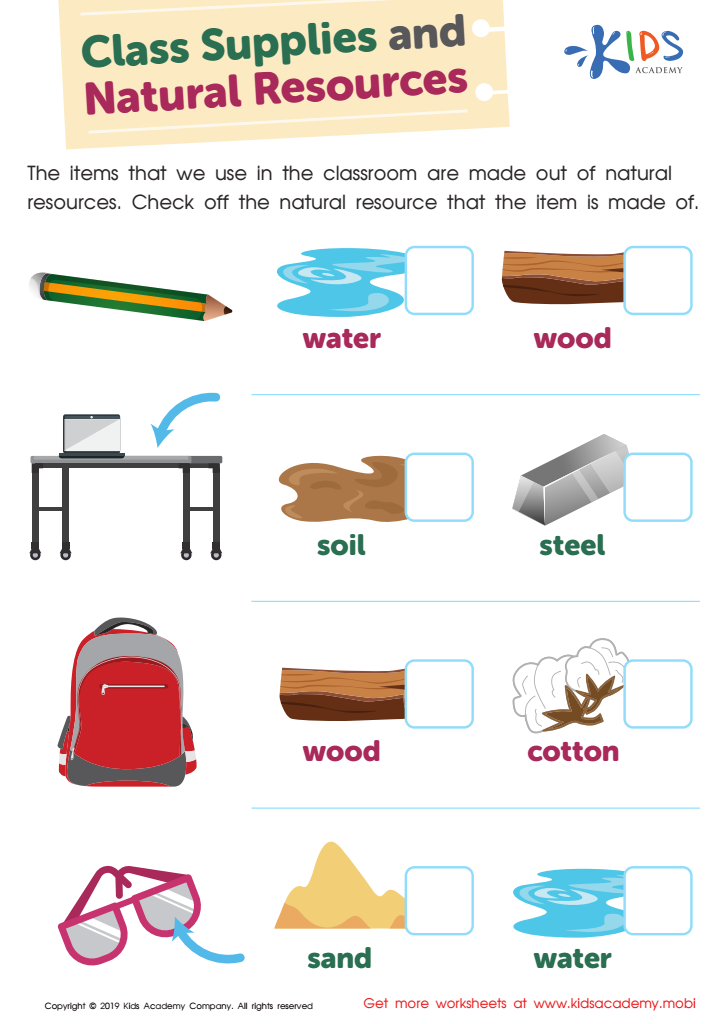
Class Supplies and Natural Resources Worksheet
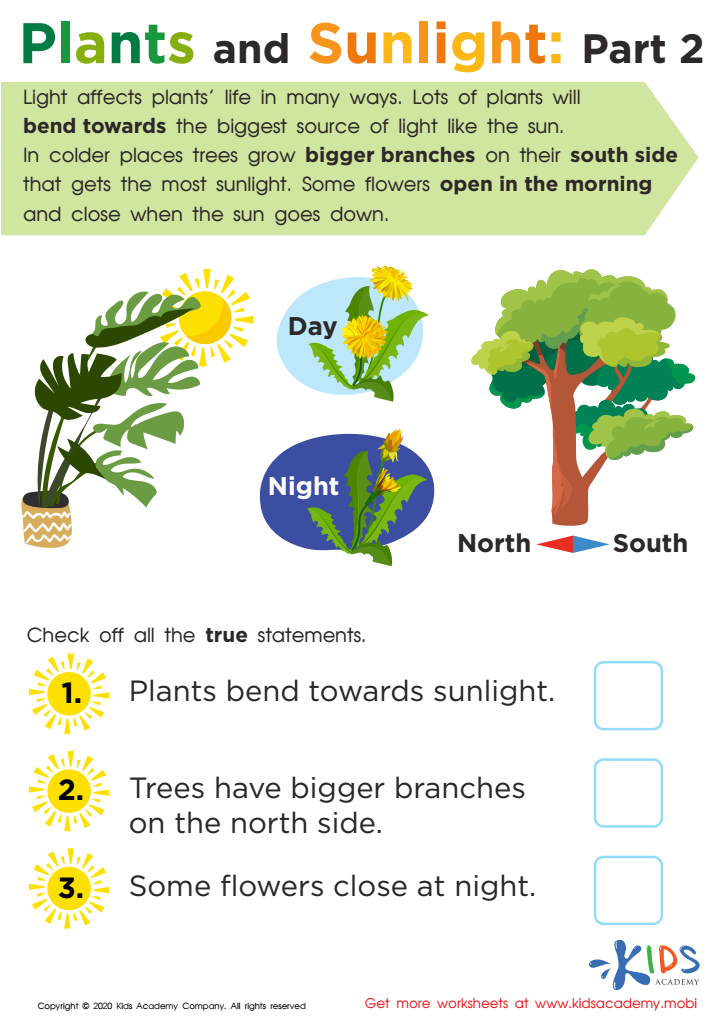
Plants and Sunlight: Part 2 Worksheet
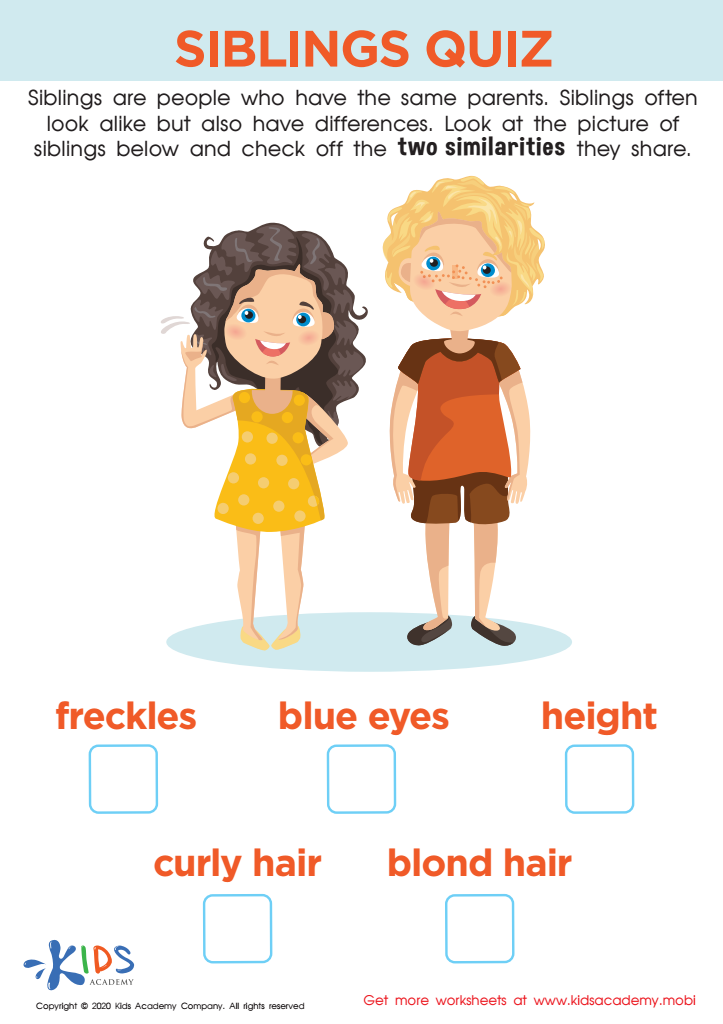
Siblings Quiz Worksheet








Parents and teachers should prioritize logical reasoning in the context of normal plants and animals for children ages 5 to 7 because it plays a vital role in cognitive development. At this stage, children are naturally curious and eager to explore their environments. Encouraging logical reasoning helps sharpen their critical thinking skills, enabling them to make connections and understand relationships in the natural world.
By introducing concepts related to plants and animals, educators can incorporate hands-on activities that foster inquiry-based learning. For instance, exploring lifecycle diagrams or identifying local flora and fauna prompts children to ask questions, predict outcomes, and understand cause-and-effect relationships. This not only heightens curiosity but also lays foundational skills for science and mathematics.
Additionally, engaging with nature enhances children's observational skills. It helps them learn classification and categorization, vital for logical reasoning. Understanding the similarities and differences between various species or ecosystem roles supports analytical thinking and nurtures an appreciation for the ecosystem.
Ultimately, by instilling logical reasoning within the study of plants and animals, we prepare young learners not just for academic pursuits but also for responsible citizenship, promoting environmental stewardship and respect for living organisms. This approach enriches overall cognitive development and fosters a lifelong love of learning.







