Historical Knowledge Normal Social Studies Worksheets for Ages 5-7
6 filtered results
-
From - To
Discover our engaging Historical Knowledge Normal Social Studies Worksheets, designed specifically for children aged 5-7. These worksheets introduce young learners to important historical events, figures, and cultures in a playful and accessible manner. Our activities promote critical thinking and encourage an appreciation for social studies through interactive lessons. Easy to navigate and visually appealing, these worksheets provide age-appropriate content, stimulating curiosity and fostering a love for history. Parents and teachers alike can use these resources to make learning enjoyable and enriching, helping children to build a strong foundation in historical knowledge. Download your worksheets today and inspire young minds!
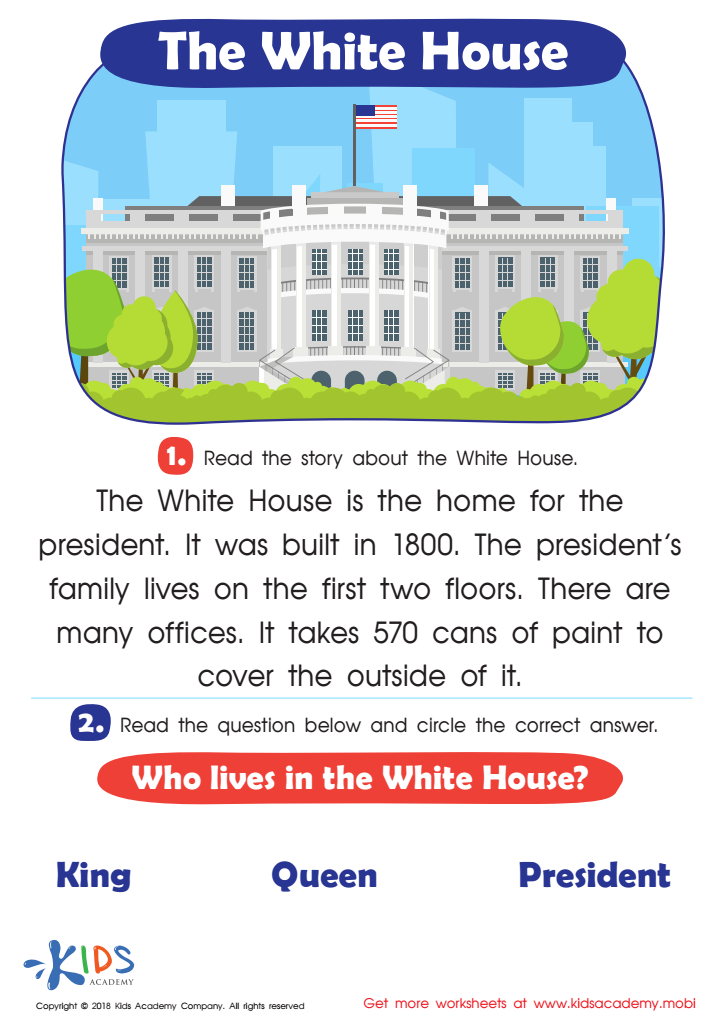
White House Worksheet
 Assign to My Students
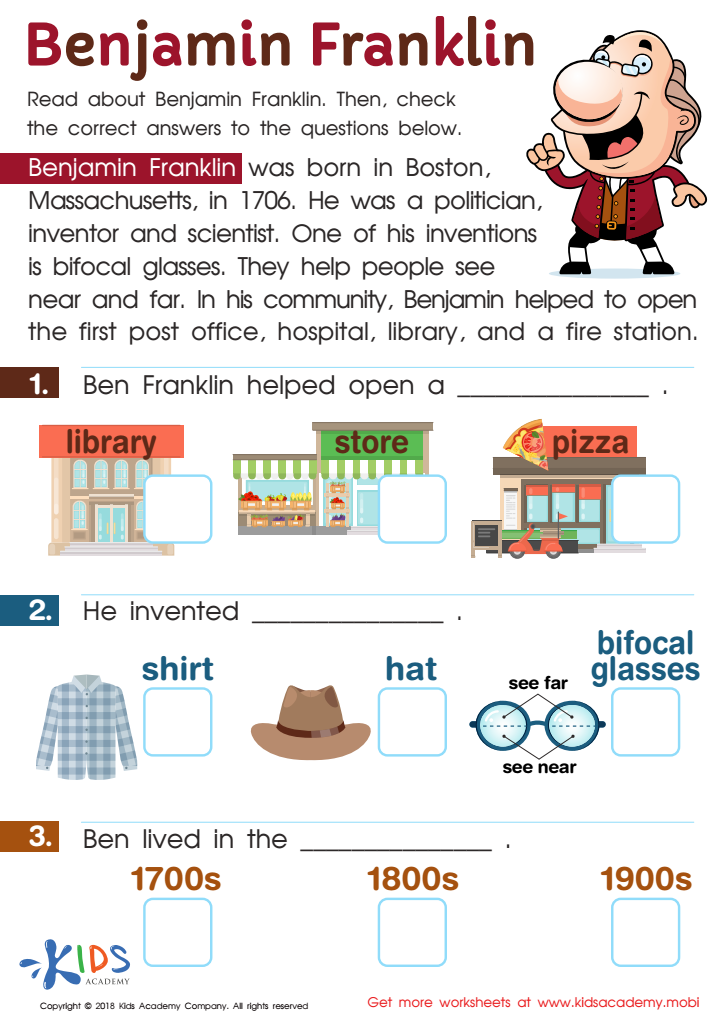
Benjamin Franklin Worksheet
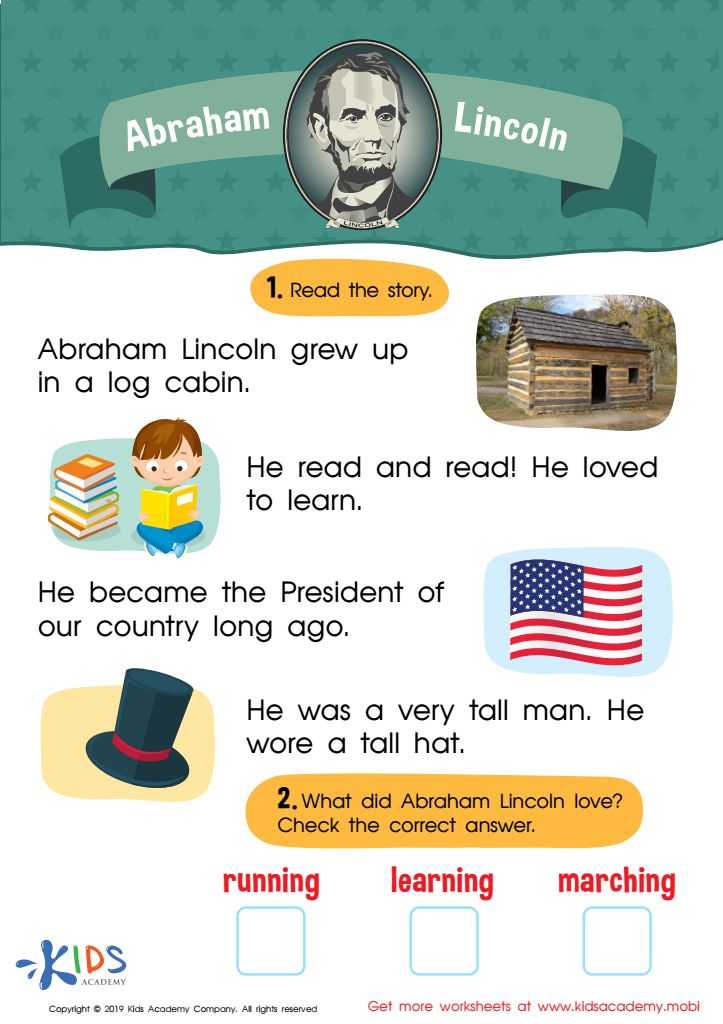
Abraham Lincoln Worksheet
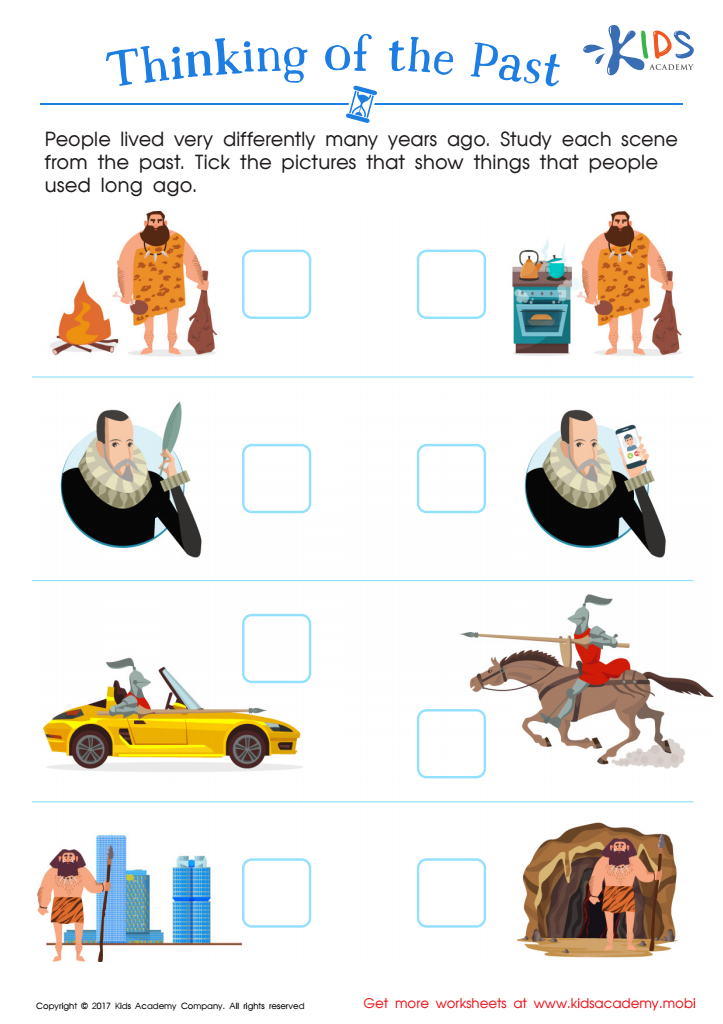
Thinking Past Printable
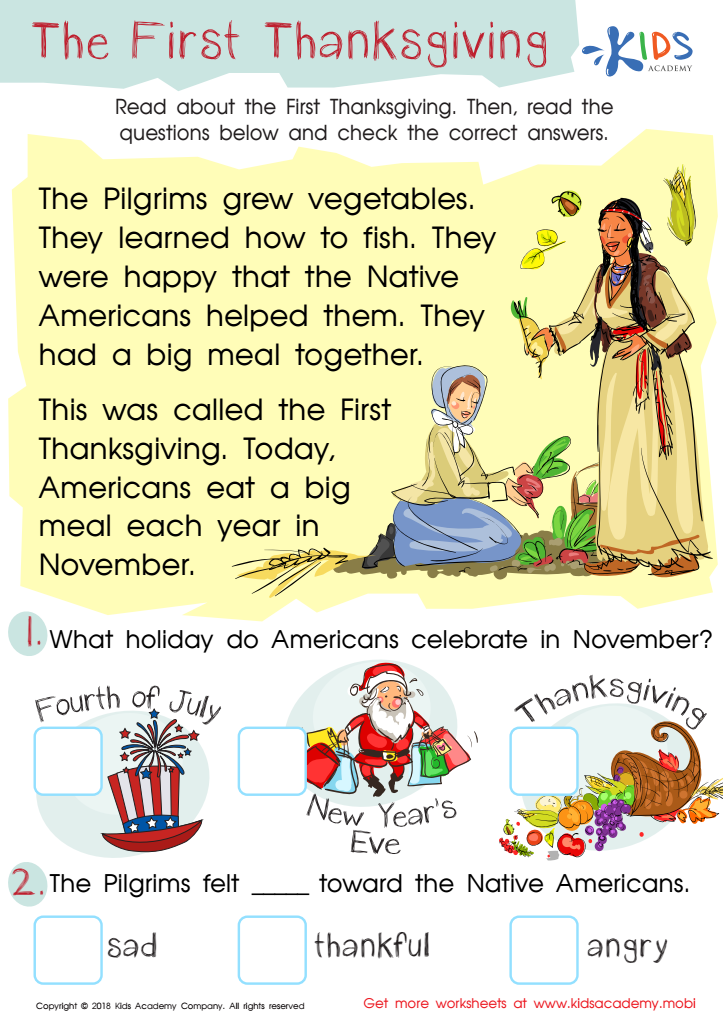
Assessment: First Thanksgiving Worksheet
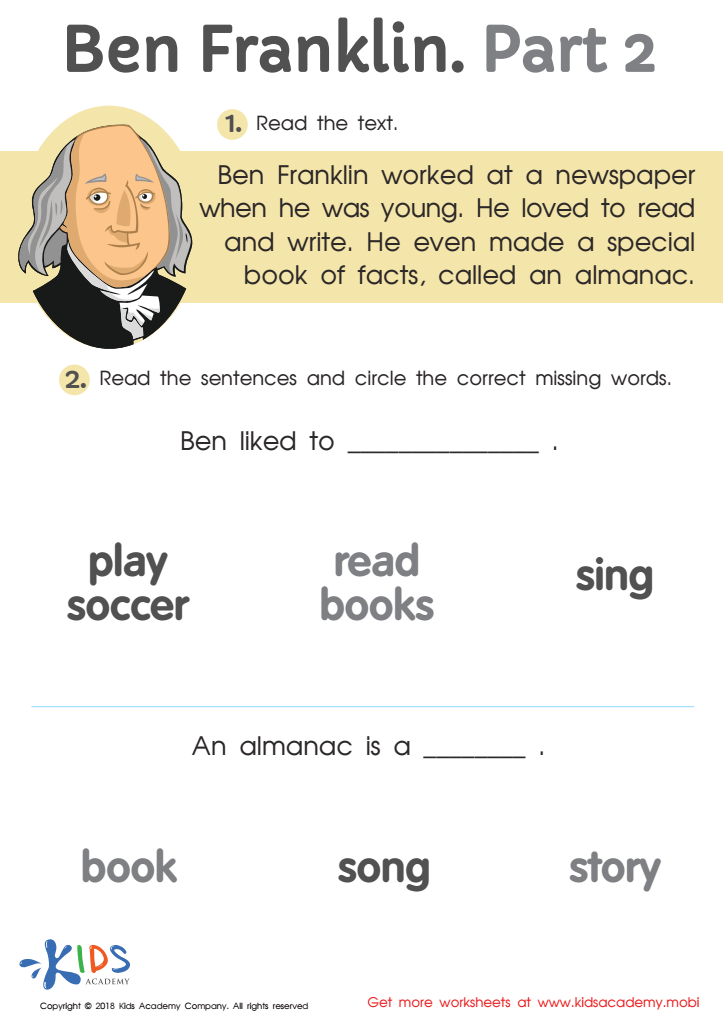
Ben Franklin Part 2 Worksheet








Parents and teachers should prioritize historical knowledge in social studies for children ages 5-7 as it lays a critical foundation for understanding the world around them. At this developmental stage, children are naturally curious about people, places, and events, making it the perfect time to introduce them to history. Learning about historical figures, simple timelines, and significant events not only enriches their knowledge but also fosters critical thinking.
Moreover, history can help instill values such as empathy, respect, and responsibility. By exploring the achievements and struggles of diverse cultures and communities, young learners can develop an understanding and appreciation for differences, which is essential in our increasingly interconnected world.
Furthermore, social studies often tie into literacy and communication skills. Through storytelling and discussions about the past, children enhance their vocabulary, comprehension, and expressive abilities. Understanding history also supports the development of informed citizenship, enabling kids to recognize their roles and potential contributions to society.
Ultimately, integrating historical knowledge in early education equips children with the tools they need to think critically, engage with their communities, and form a clearer sense of identity as they grow. Investing in this knowledge early on can have lasting positive impacts on their future learning and social interactions.