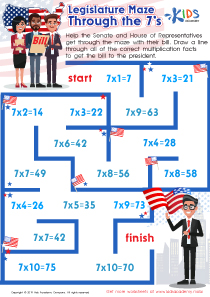
Matching skills Normal Social Studies Worksheets for Ages 5-7
3 filtered results
-
From - To
Enhance your child's learning with our Matching Skills Normal Social Studies Worksheets, designed for ages 5-7. These engaging worksheets help young learners develop critical matching skills through fun activities that introduce social concepts. Each worksheet features vibrant illustrations and age-appropriate prompts that encourage children to connect related items, fostering cognitive development and enhancing memory retention. Perfect for home or classroom use, these resources align with educational standards to ensure that children build a strong foundation in social studies. Enjoy interactive learning moments as your child explores the world around them while honing their matching abilities. Explore our collection now!
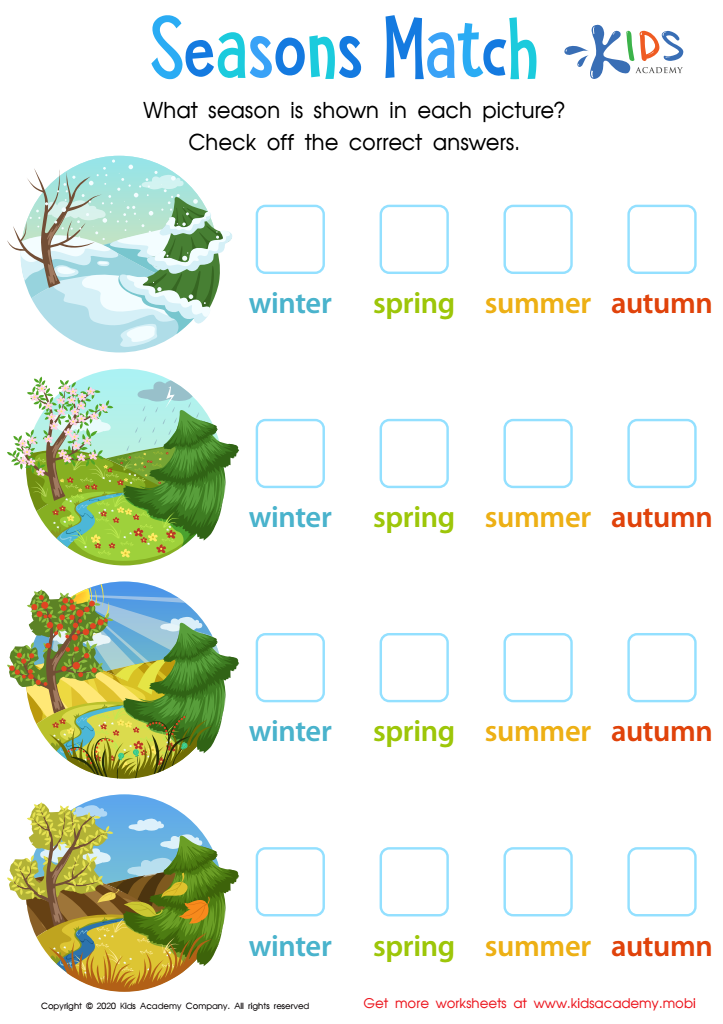
Seasons Match Worksheet
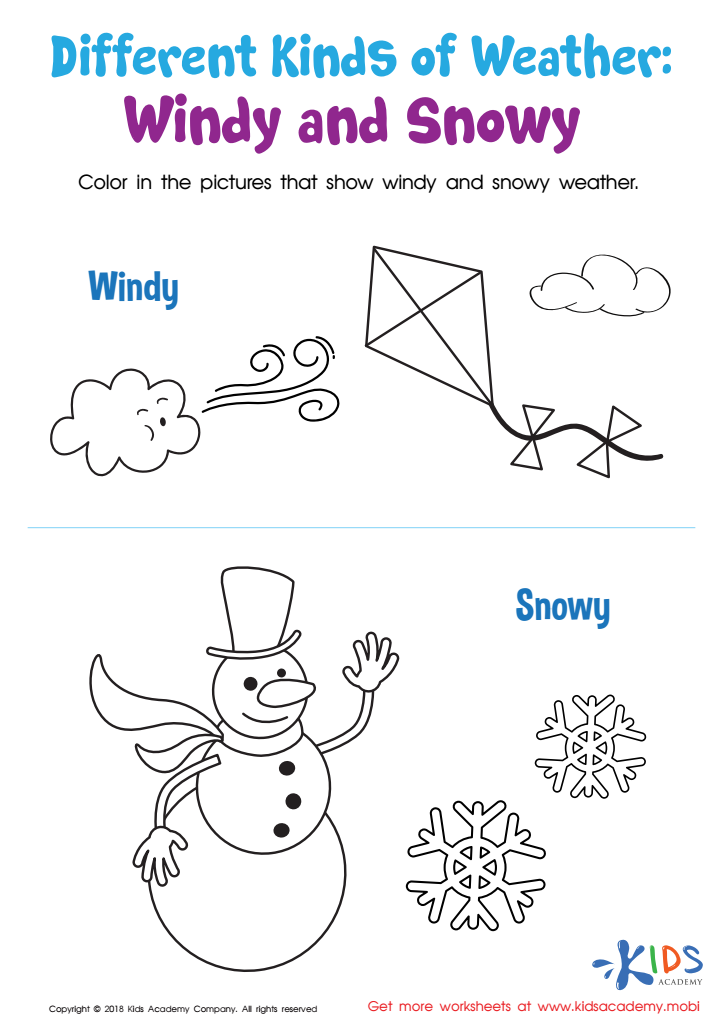
Different Kinds of Weather: Windy and Snowy Worksheet
 Assign to My Students
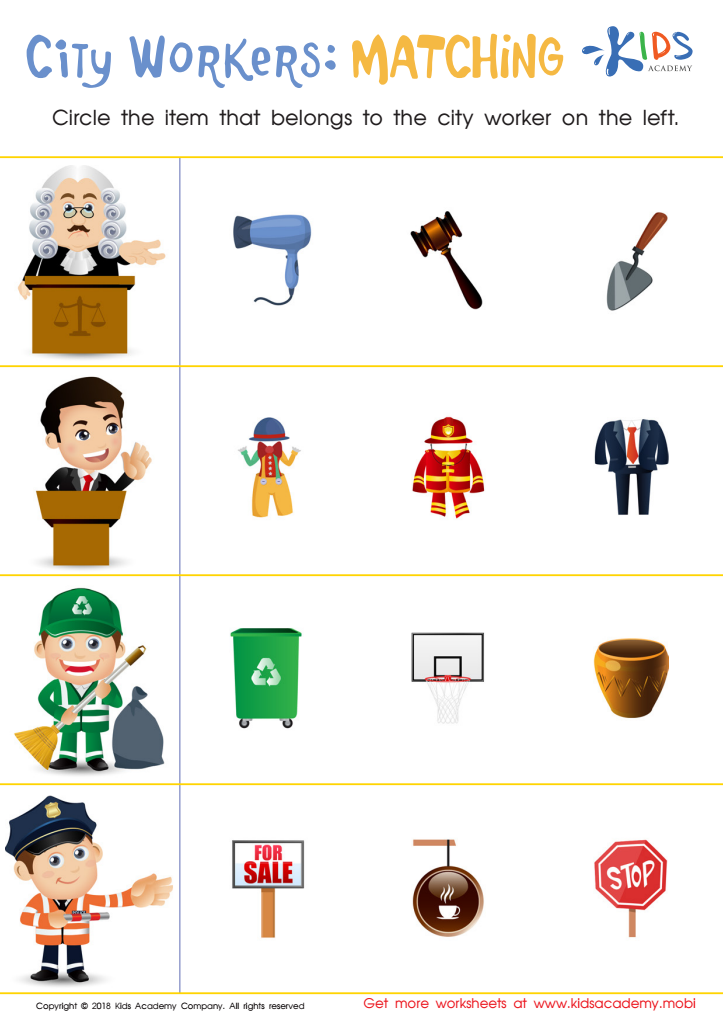
City Workers: Matching Worksheet







Matching skills are crucial in the early stages of learning, particularly in social studies for children aged 5-7. This age group is developing cognitive abilities, making it an essential time for foundational learning. By integrating matching skills into social studies, parents and teachers help to foster critical thinking, observational abilities, and memory retention.
Matching activities enable young learners to identify similarities and differences, enhancing their understanding of relationships within their environment. For instance, matching historical figures with their achievements or cultural practices with their origins encourages deeper engagement with content. This also promotes vocabulary development, as children must articulate their understanding of terms and concepts relevant to their surroundings and cultural heritage.
Moreover, matching tasks serve as a platform for social interaction among peers, promoting cooperative learning. When children work together to match items, they develop essential communication and teamwork skills, crucial for their social development.
Additionally, these activities cater to various learning styles, providing visual, auditory, and kinesthetic learners with avenues to grasp information. In fostering these skills early on, educators and parents set the stage for well-rounded, informed individuals who appreciate and understand their social world, leading to more engaged and responsible citizenship in the future.