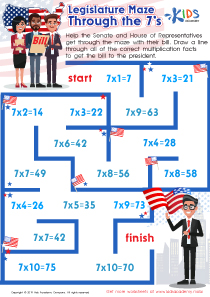
Shape Recognition Normal Social Studies Worksheets for Ages 5-7
4 filtered results
-
From - To
Explore our engaging Shape Recognition Normal Social Studies Worksheets designed specifically for children ages 5-7! These interactive worksheets help young learners identify and understand various shapes while integrating essential social studies concepts. Each activity is crafted to promote critical thinking, enhance observational skills, and foster a love for learning. Kids will enjoy colorful illustrations and easy-to-follow instructions that make shape recognition fun and educational. Perfect for both classroom and home use, our worksheets support early development while teaching valuable skills. Help your child succeed in their social studies journey with our comprehensive and enjoyable resources, encouraging confident exploration of the world around them!
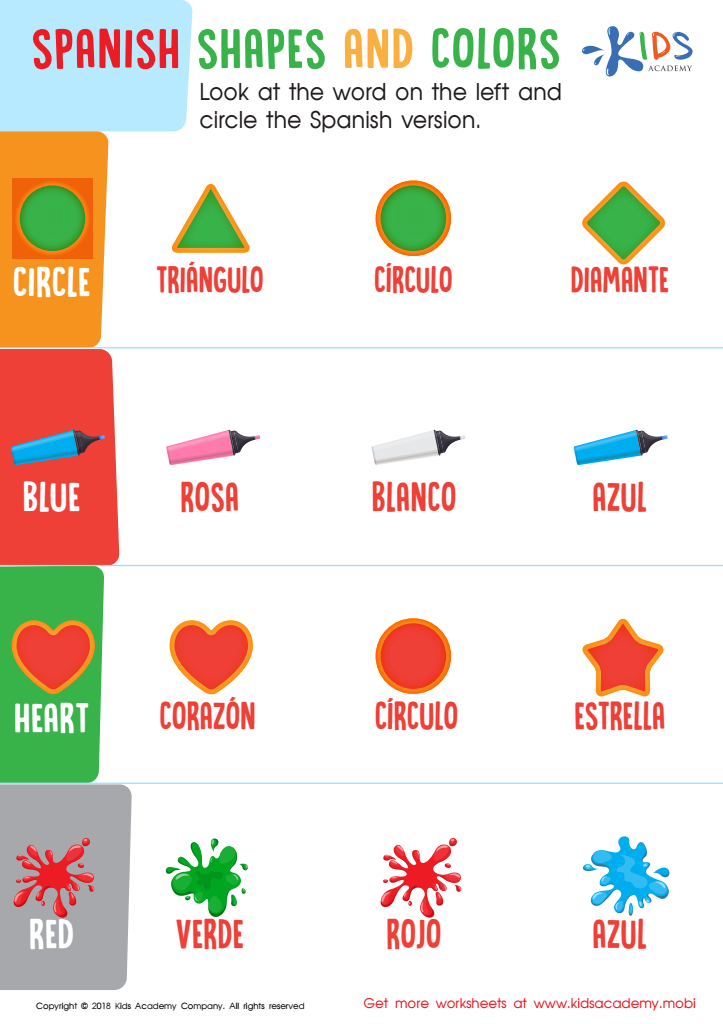
Spanish Shapes and Colors Worksheet
 Assign to My Students

Let's Check! Assessment Worksheet
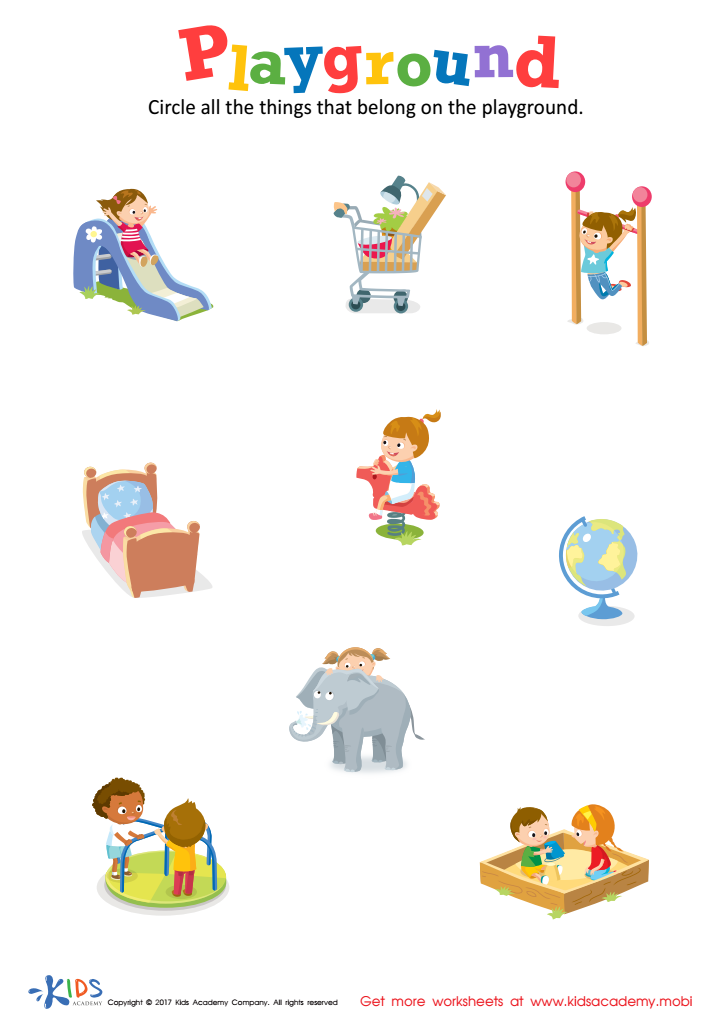
Playground Worksheet
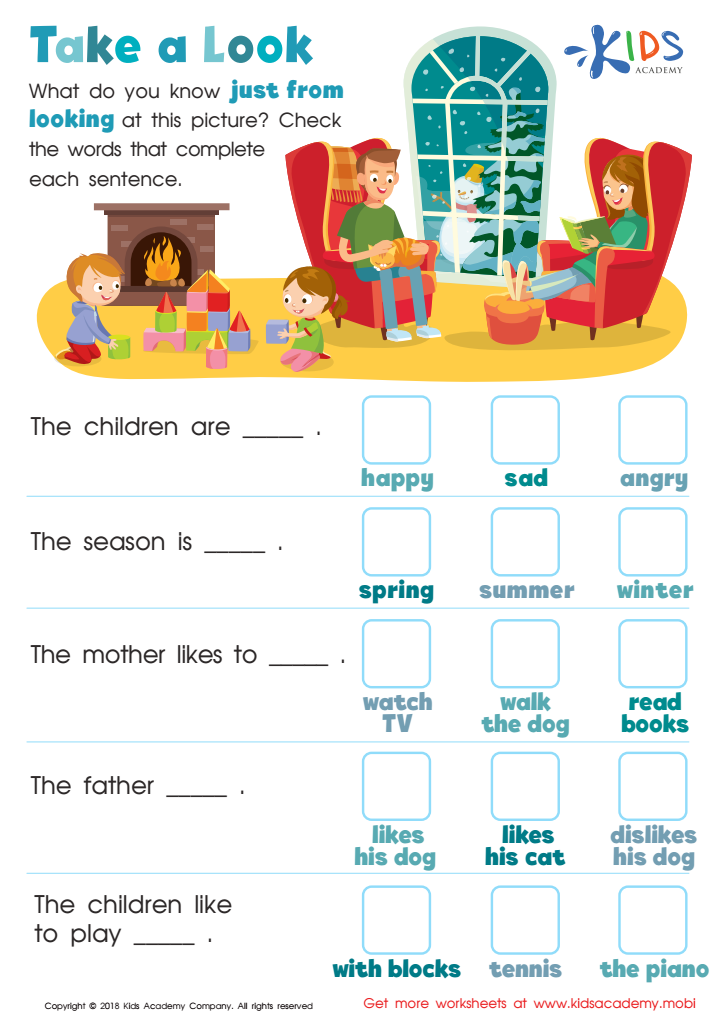
Take a Look - Part 1 Worksheet








Shape recognition is a foundational skill critical for young learners aged 5-7, intertwining with essential math and cognitive development. Parents and teachers should care about this skill because it serves as a springboard for a child’s understanding of more complex concepts, such as geometry and spatial awareness. Recognizing shapes helps children develop problem-solving skills and enhances their ability to classify and organize their environment.
Moreover, shape recognition fosters creativity and imagination. By learning different shapes, children can explore patterns, build models, and engage in artistic activities, which promote fine motor skills and cognitive flexibility. These experiences lay the groundwork for critical thinking and logical reasoning.
Social studies offers various opportunities to integrate shape recognition through real-world applications, such as understanding community layouts, buildings, and transportation systems. Encouraging conversations about shapes within social contexts helps children connect their learning to the world around them, promotes language development, and enhances their ability to communicate ideas.
Overall, an emphasis on shape recognition within social studies not only supports academic growth but also nurtures a child’s confidence and ability to participate in group discussions. This holistic approach impacts their overall educational journey and helps mold them into well-rounded, inquisitive individuals.