Fine Motor Skills Normal Writing Worksheets for Ages 5-7
7 filtered results
-
From - To
Explore our engaging "Fine Motor Skills Normal Writing Worksheets" designed specifically for children aged 5-7! These worksheets aim to enhance fine motor skills essential for writing and drawing, offering a fun and interactive way for young learners to practice and refine their hand-eye coordination, grip strength, and dexterity. With a variety of activities, including tracing letters, connecting dots, and practicing shapes, children will enjoy building their confidence as they develop their writing abilities. Perfect for both home and classroom use, these worksheets provide a valuable resource for parents and teachers looking to support early childhood education. Start your child's writing journey today!
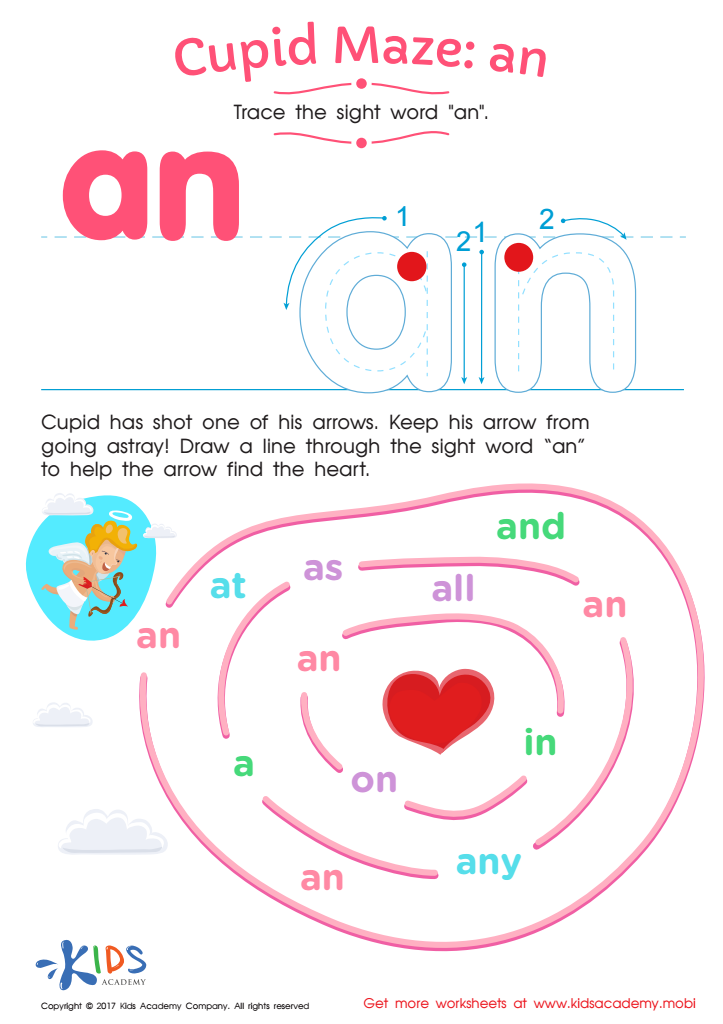
Cupid Maze: An Printable
 Assign to My Students

Snowman Tracing Winter Words Worksheet
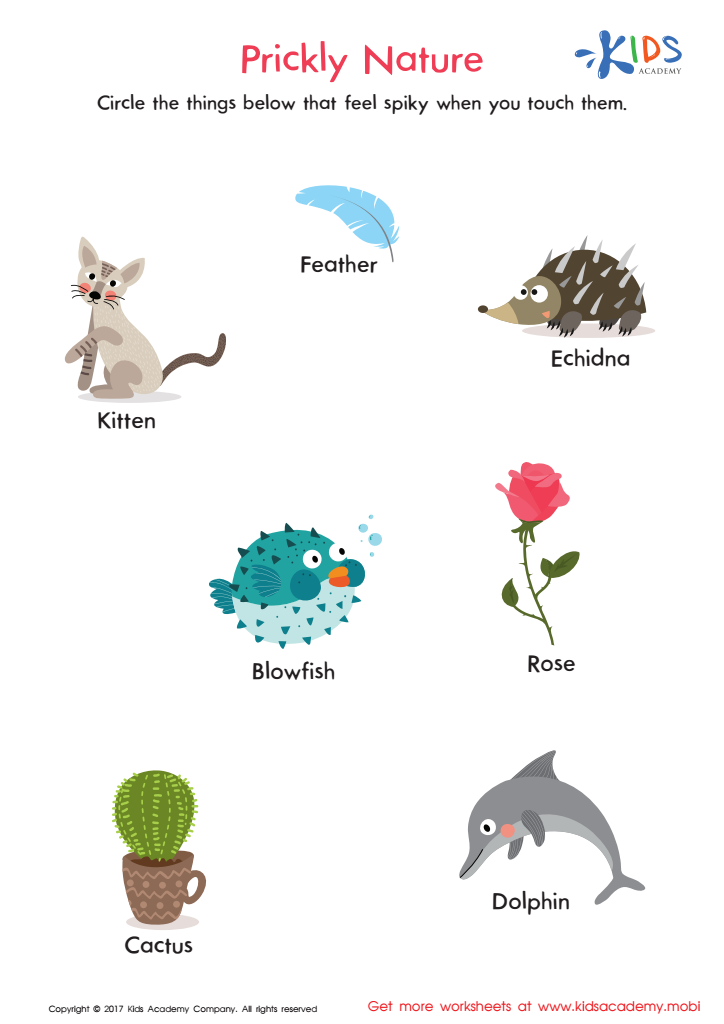
Prickly Nature Worksheet
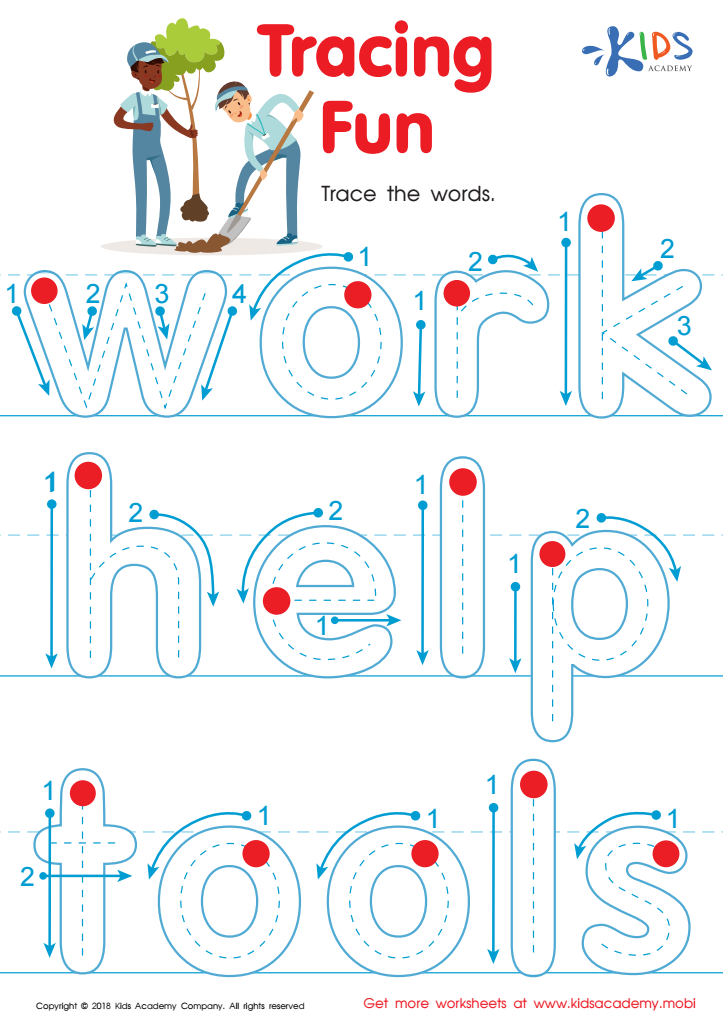
Tracing Fun Worksheet
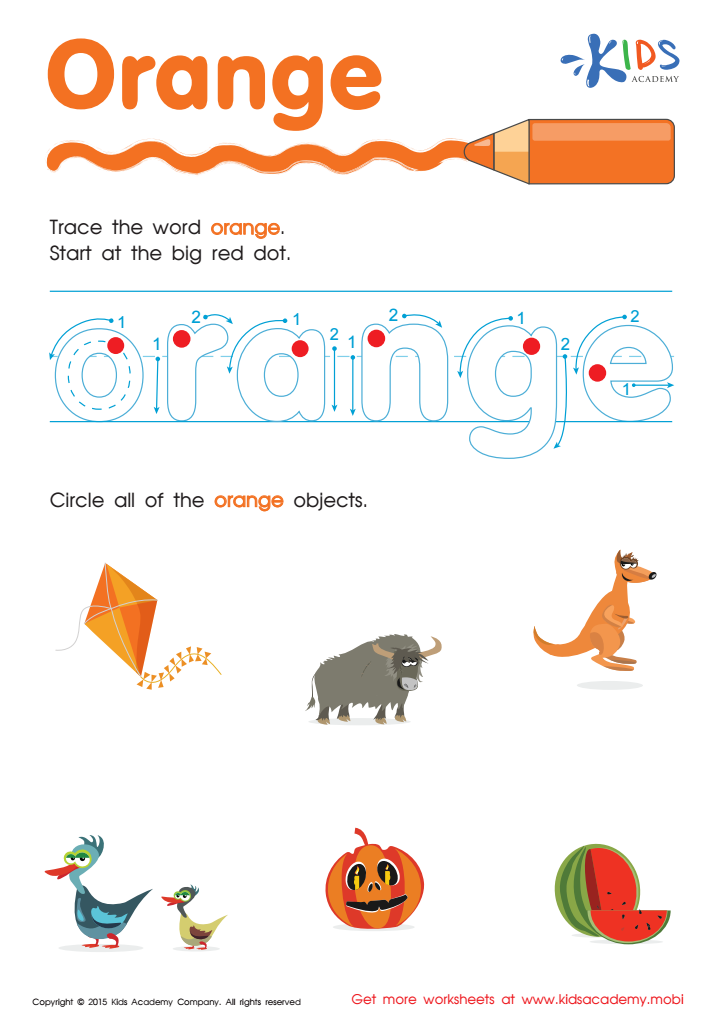
Orange Tracing Color Words Worksheet
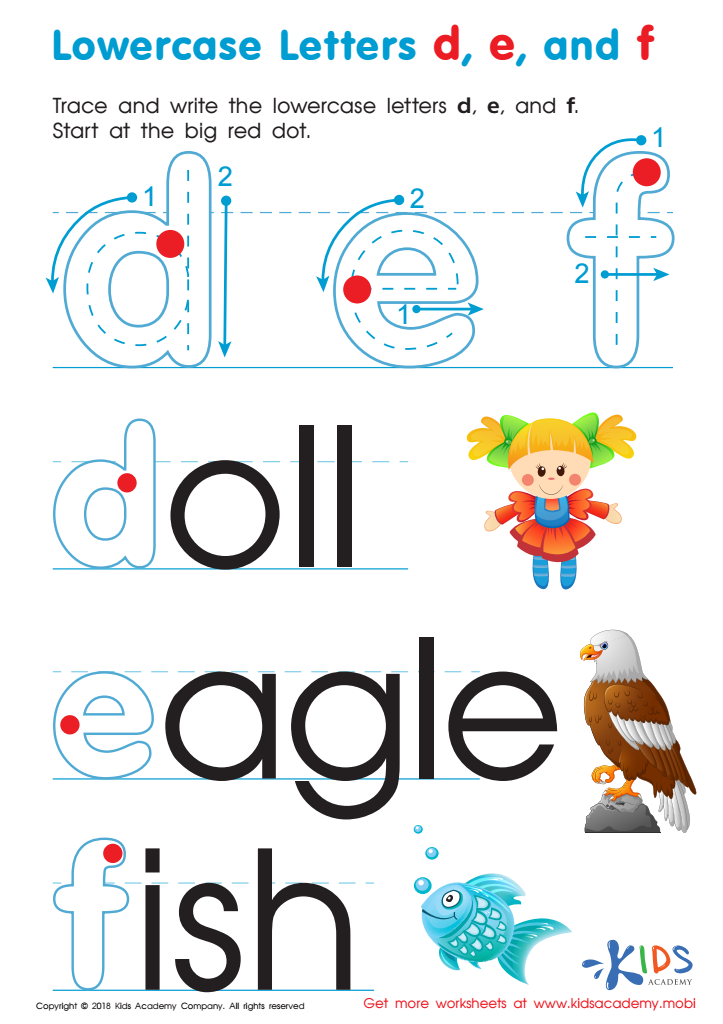
Lowercase Letters d e f Worksheet

White Tracing Color Words Worksheet


.jpg)





Fine motor skills play a crucial role in the development of children, particularly for those aged 5-7. At this stage, children are refining their ability to perform precise movements with their hands and fingers, which is essential for normal writing. Parents and teachers should care about these skills because they directly impact a child's academic success and daily functioning.
Developing fine motor skills enhances hand-eye coordination, grip strength, and dexterity. These abilities are vital for writing tasks, including holding a pencil properly and forming letters correctly. When children struggle with fine motor skills, they may become frustrated with writing activities, impacting their self-esteem and love for learning.
Additionally, fine motor activities, such as drawing, cutting, or playing with small objects, support cognitive development by nurturing concentration and creativity. Engaging in these tasks boosts children's problem-solving abilities while laying the groundwork for future skills in literacy, science, and mathematics.
Ultimately, by focusing on fine motor skills, parents and teachers can foster an environment where children feel confident in their abilities, leading to greater academic achievements and a positive attitude towards learning. These skills influence both the immediate classroom experience and the child's long-term educational journey.