Fine Motor Skills Normal Tracing Words Worksheets for Ages 5-7
6 filtered results
-
From - To
Our "Fine Motor Skills Normal Tracing Words Worksheets for Ages 5-7" are designed to enhance your child's fine motor skills while making learning fun and engaging. These printable worksheets focus on improving handwriting by encouraging young learners to trace words carefully. The exercises are tailored to boost muscle control, coordination, and precision, essential for writing development. Ideal for both classroom and home settings, our worksheets cater to early writers, providing a structured yet enjoyable way to practice. Equip your child with the skills they need for academic success with our expertly crafted tracing activities.

Cupid Maze: An Printable
 Assign to My Students

Snowman Tracing Winter Words Worksheet
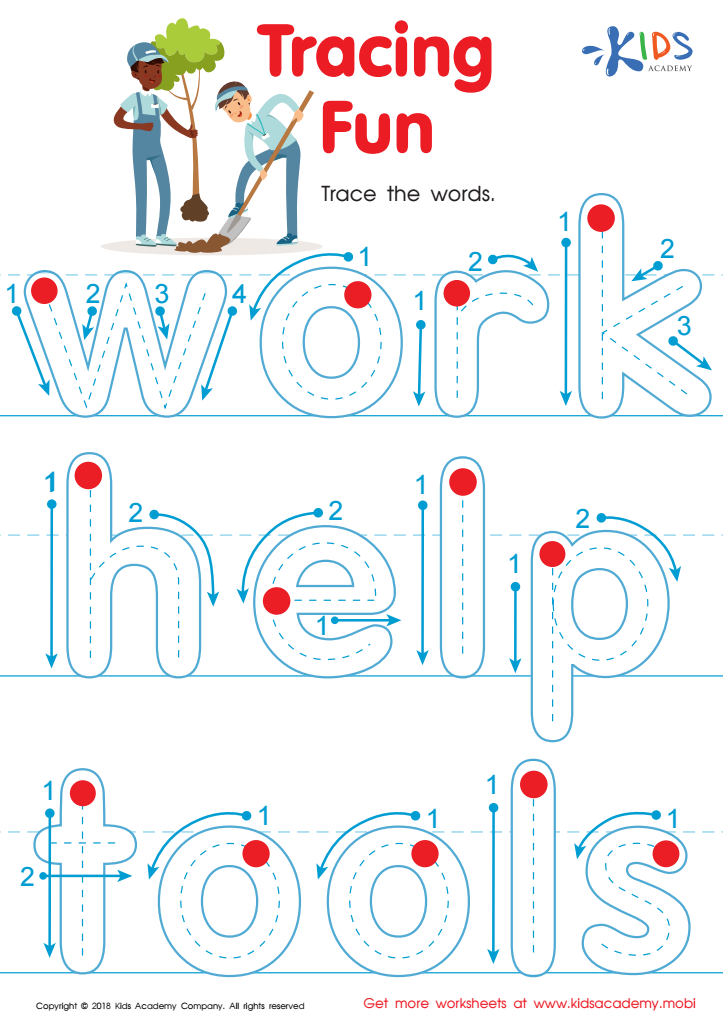
Tracing Fun Worksheet
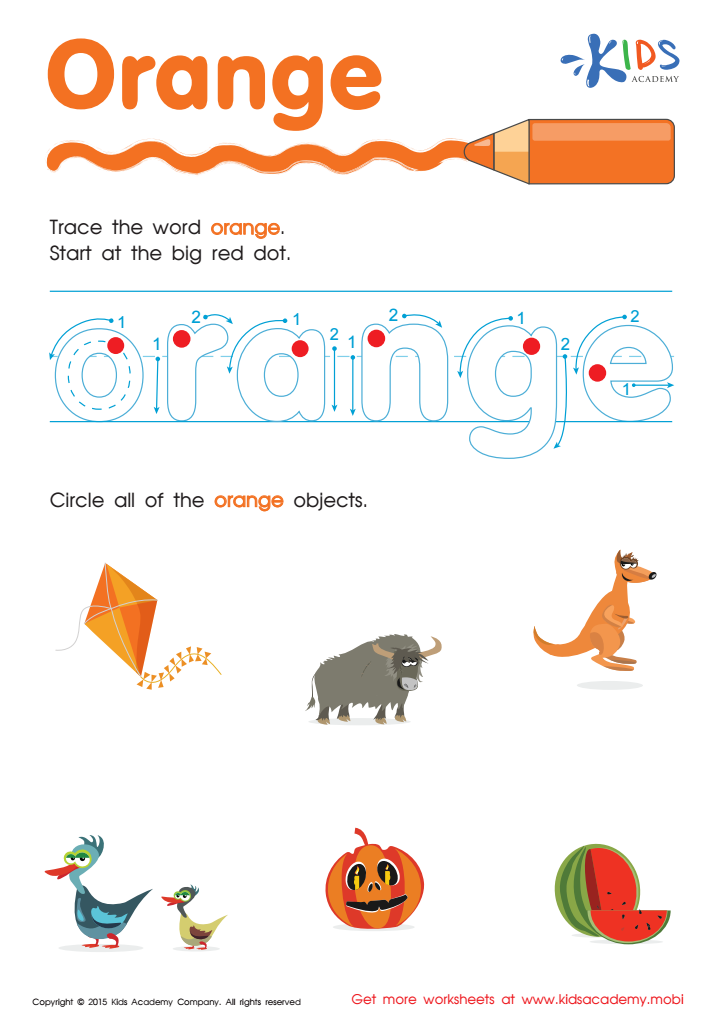
Orange Tracing Color Words Worksheet
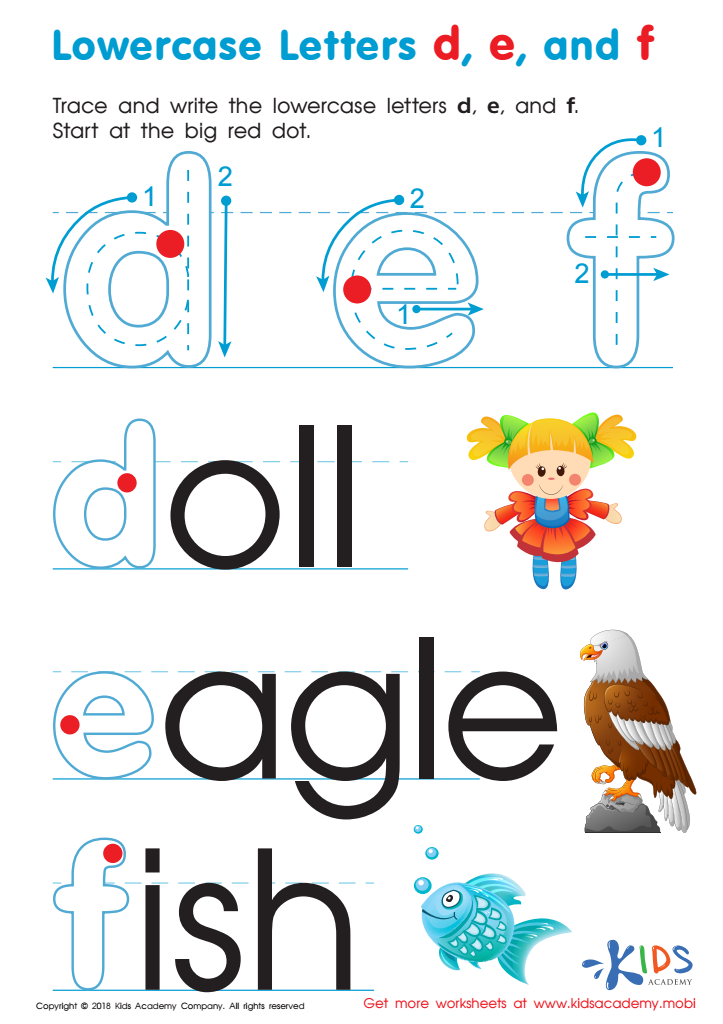
Lowercase Letters d e f Worksheet

White Tracing Color Words Worksheet








Fine motor skills are crucial for young children's development and significantly impact their academic and daily life success. At ages 5-7, fine motor skills—particularly those involved in normal tracing words—aid in the mastery of writing, drawing, and other intricate tasks. These skills hinge on the coordinated control of small hand and finger movements, essential for legible handwriting, a foundational educational milestone.
Parents and teachers should prioritize the development of these skills because they lay the groundwork for other cognitive and motor activities. Practicing tracing words, for example, enhances hand-eye coordination, precision, and dexterity, which are not just vital for academics but also for everyday tasks like buttoning clothes or tying shoelaces. The benefits extend beyond physical abilities to psychological growth, fostering independence and self-confidence in children as they observe their own improvements and achievements.
Moreover, early proficiency in writing and other fine motor tasks statistically correlates with higher academic performance, particularly in reading and math. By investing time in activities like word tracing, educators and parents can help children develop robust neural networks, setting a solid foundation for lifelong learning and daily living skills. Therefore, encouraging fine motor skill practice is a strategic and essential aspect of early childhood education.