Motor skills development Normal ABC Letters Worksheets for Ages 5-9
3 filtered results
-
From - To
Our "Motor Skills Development Normal ABC Letters Worksheets" are designed for children ages 5-9 to enhance their motor skills while learning the alphabet. These engaging worksheets promote hand-eye coordination and dexterity through fun activities like tracing, letter recognition, and exciting letter-related exercises. As kids practice their writing and fine motor skills, they also build a strong foundation in literacy. Suitable for classrooms or home learning, these printables make letter learning enjoyable and interactive. Help your child develop essential skills while they explore the world of letters with our colorful and engaging worksheets tailored just for them!
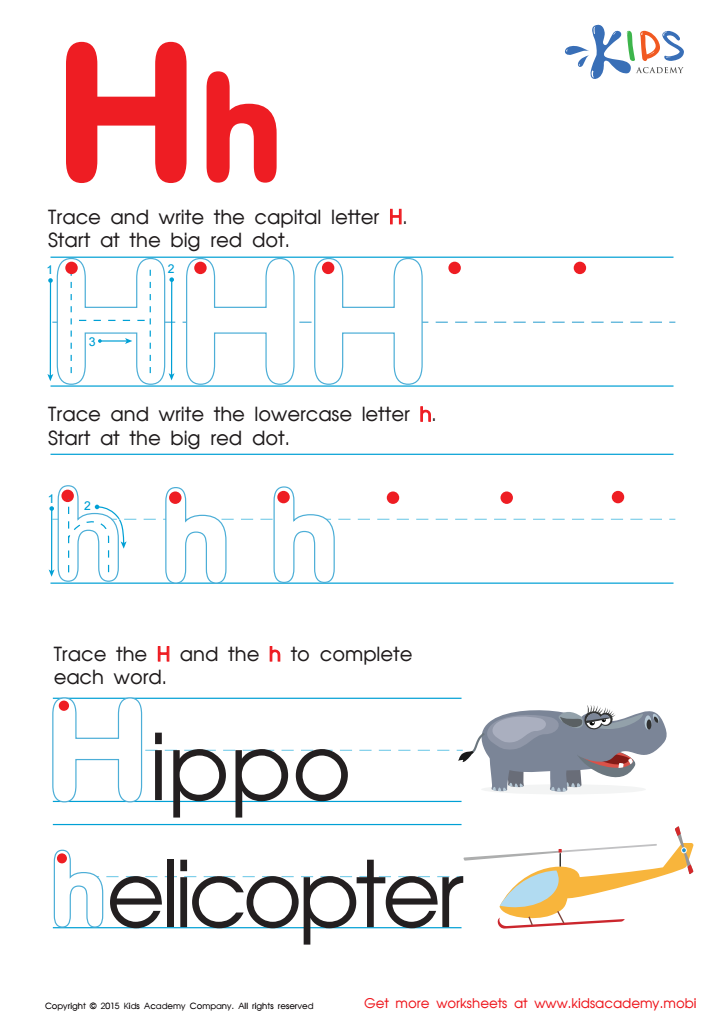
Letter H Tracing Page










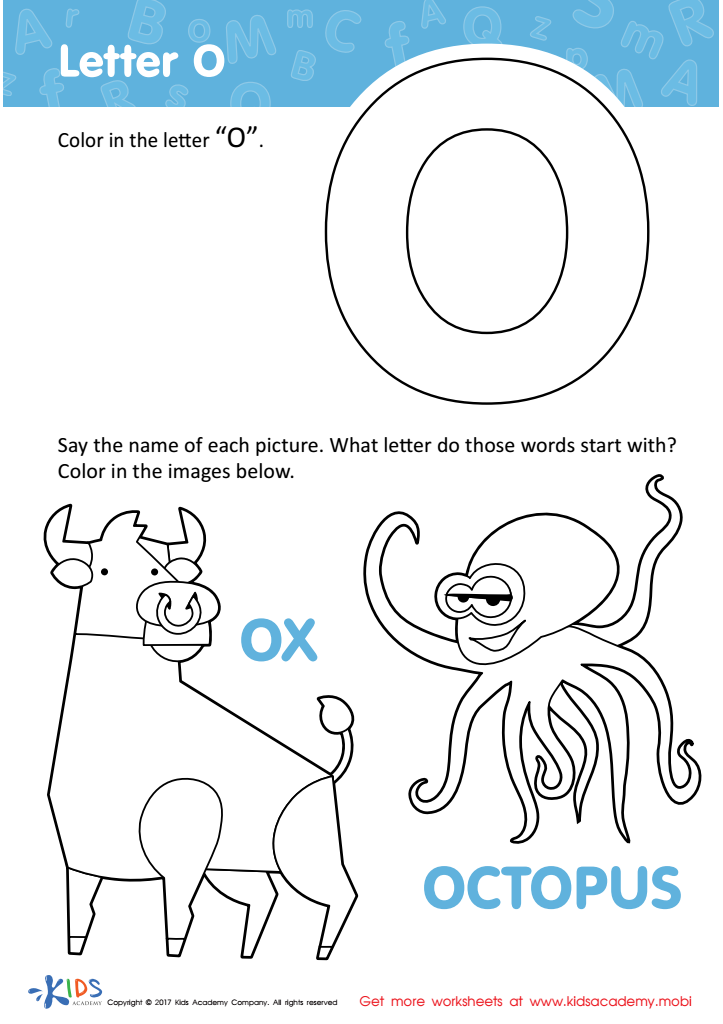
Letter O Coloring Sheet
 Assign to My Students
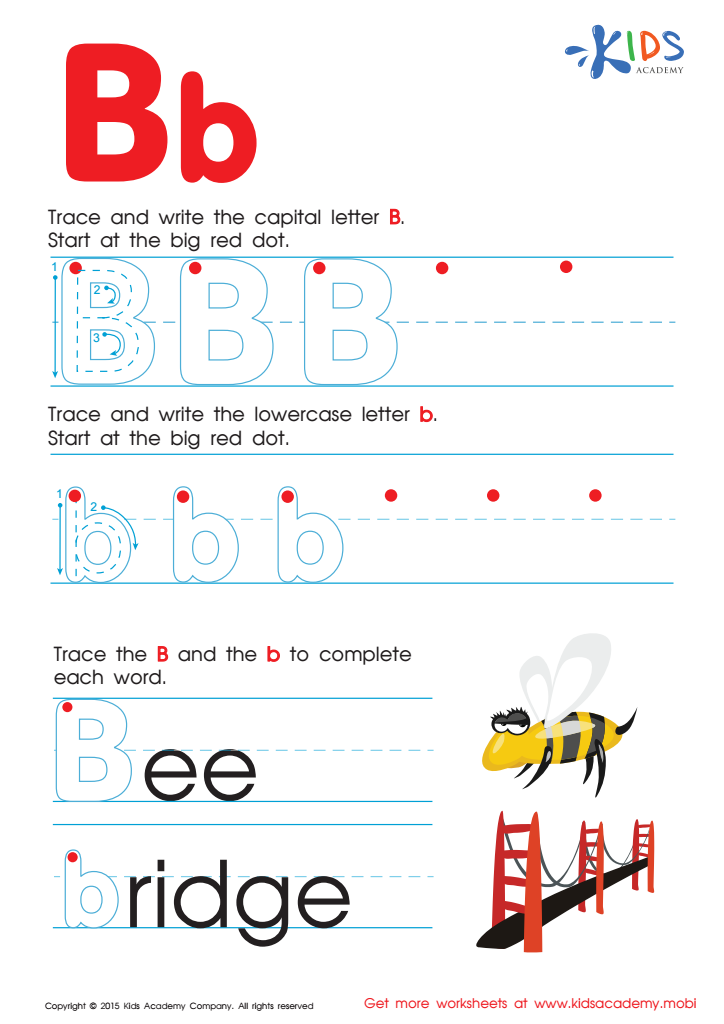
Letter B Tracing Page







Motor skills development is crucial for children ages 5-9 as it directly impacts their overall learning and everyday functioning. These skills are divided into two categories: gross motor skills, which involve large movements (like running and jumping), and fine motor skills, which involve smaller, intricate movements (like writing and using scissors).
For children in this age range, fine motor skills are particularly important for writing letters and numbers clearly, which aids in literacy development. Developing the ability to form letters correctly is foundational in helping children gain confidence in their writing skills, improving their ability to express themselves on paper. If children struggle with these motor skills, they may become frustrated, leading to a negative attitude toward learning.
Additionally, strong motor skills promote better hand-eye coordination, which plays a role in academic tasks and physical activities. By engaging in activities that enhance motor skills, children not only improve their handwriting but also their cognitive abilities and social interactions. Therefore, parents and teachers should prioritize motor skill development to ensure that children reach their full potential, both academically and personally, as they progress through their formative years. Encouraging play and diverse activities is essential for fostering these critical skills.







