Alphabet sequencing Normal Alphabet Worksheets for Ages 5-9
4 filtered results
-
From - To
Enhance your student's alphabet mastery with our Alphabet Sequencing worksheets designed specifically for ages 5-9. These engaging tools help children practice arranging letters in the correct order, fostering essential literacy skills. Ideal for early learners, our worksheets promote letter recognition, fine motor skills, and memory retention through fun, interactive activities. Encourage your child’s educational journey with tasks that are both enjoyable and educational. Suitable for classroom and home use, our expertly crafted resources cater to diverse learning styles, ensuring every child gains a solid understanding of alphabet sequencing. Boost their confidence and knowledge with Kids Academy's targeted worksheets today!
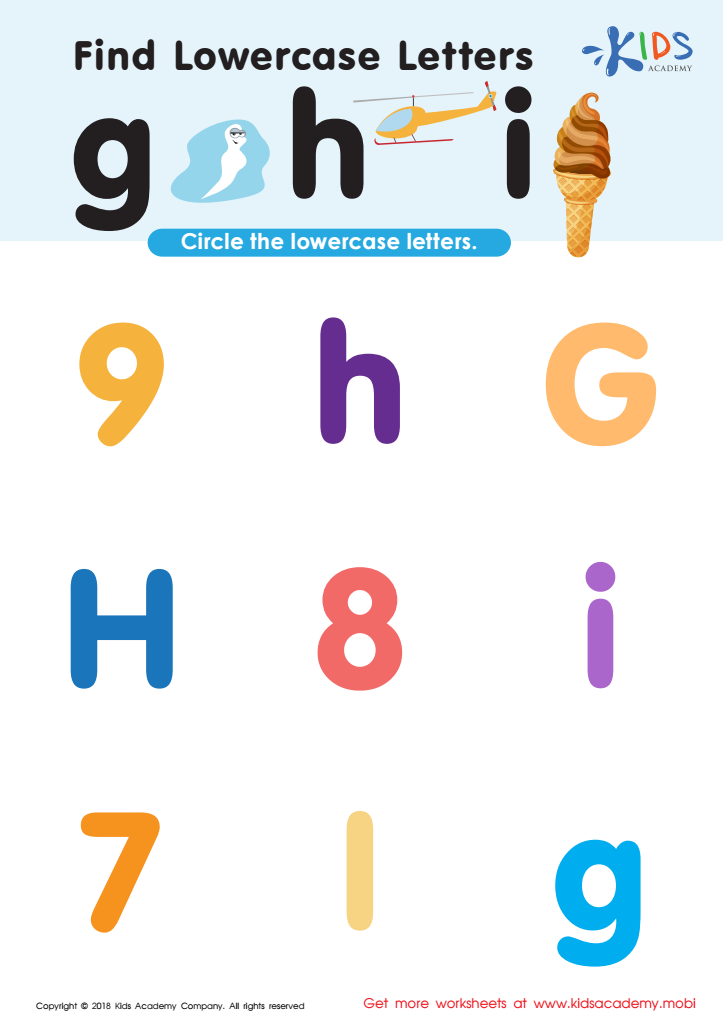
Find Lowercase Letters g h i Worksheet
 Assign to My Students
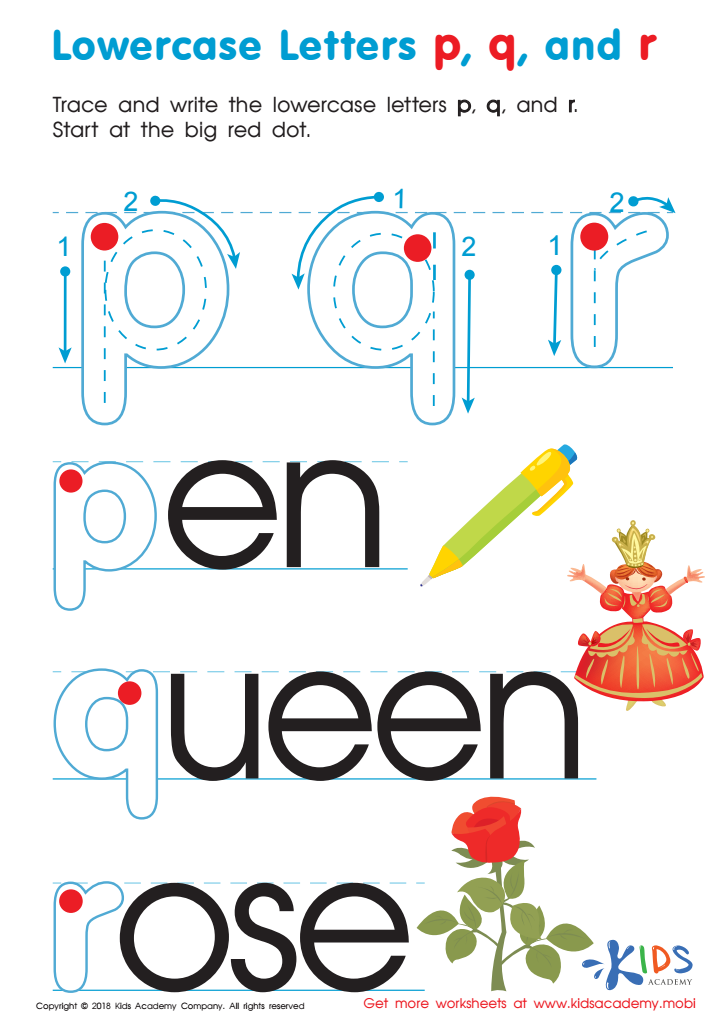
Lowercase Letters p q r Worksheet
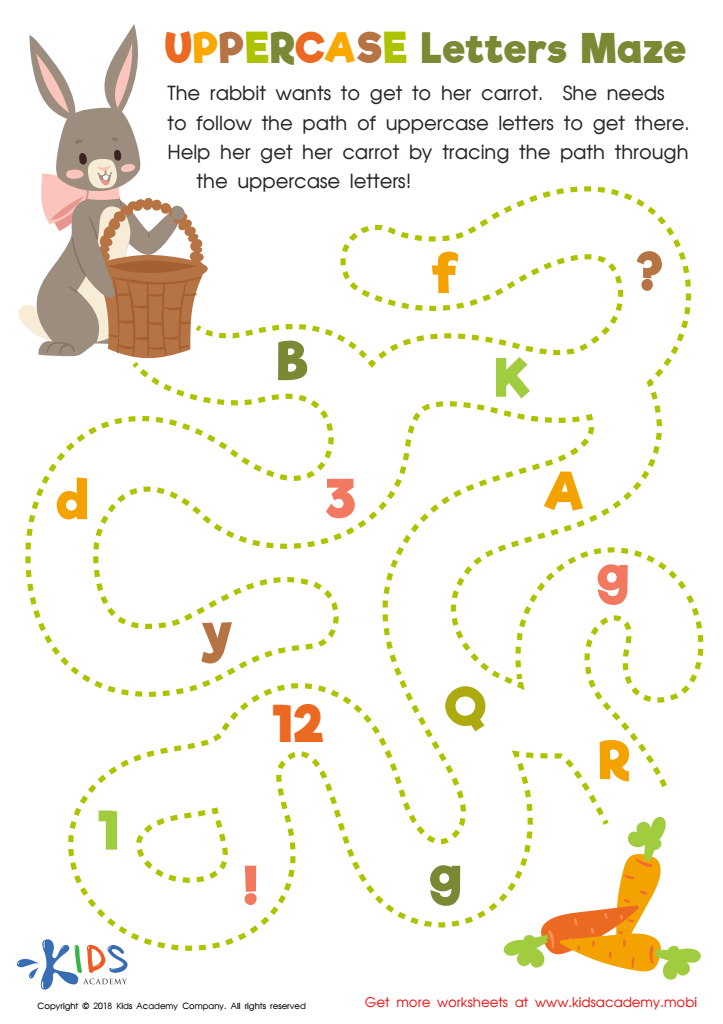
Uppercase Letters Maze Worksheet
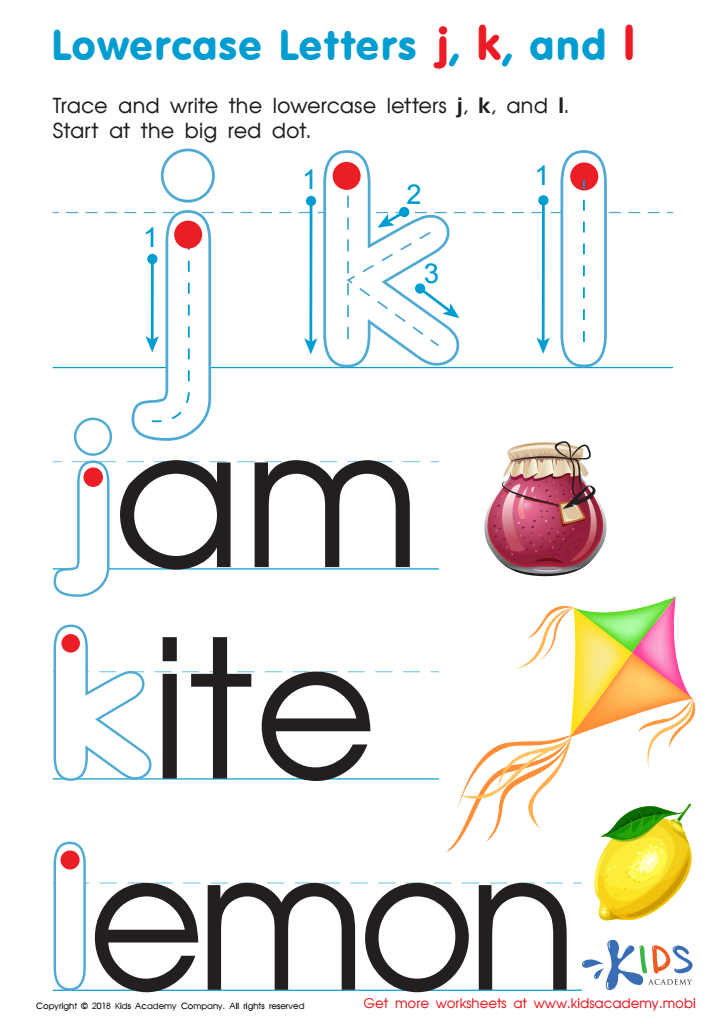
Lowercase Letters j k l Worksheet








Alphabet sequencing is a crucial skill for children aged 5-9, as it lays the foundation for essential reading and writing abilities. During these formative years, knowing the order of the alphabet helps children understand the structure of language. This understanding is essential for interpreting and organizing information, which enhances both reading fluency and comprehension.
For parents, teaching the normal alphabet sequence can translate to improved home literacy experiences, enabling more effective support of their child’s development. Typical sequencing activities strengthen memory and cognitive flexibility, further aiding in spelling accuracy and word recognition.
Teachers play a pivotal role in a child’s education, and focusing on alphabet sequencing can streamline the learning process. It integrates seamlessly with other curricular activities like phonics and early writing exercises, providing a cohesive learning experience. Mastery of alphabet sequencing additionally facilitates the use of dictionaries and other reference materials, skills that become increasingly important as students progress.
Overall, investing in alphabet sequencing encourages a child's academic confidence and lays down a structural basis crucial for lifelong learning. Cultivating these skills between ages 5-9 equips children with the tools necessary for future academic endeavors and holds paramount significance for both educators and parents.







