Motor skills development Normal Alphabet Worksheets for Ages 5-9
3 filtered results
-
From - To
Enhance your child’s motor skills while mastering the alphabet with our engaging Normal Alphabet Worksheets designed for ages 5-9. These printable worksheets provide a fun and interactive way for young learners to practice their writing and coordination skills. Each worksheet encourages children to trace, write, and recognize letters, helping to build their confidence in reading and writing. With captivating designs and exercises tailored to this age group, your child can improve their fine motor skills while gaining a strong foundation in literacy. Download our worksheets today and watch your child's skills flourish as they learn through play and creativity!
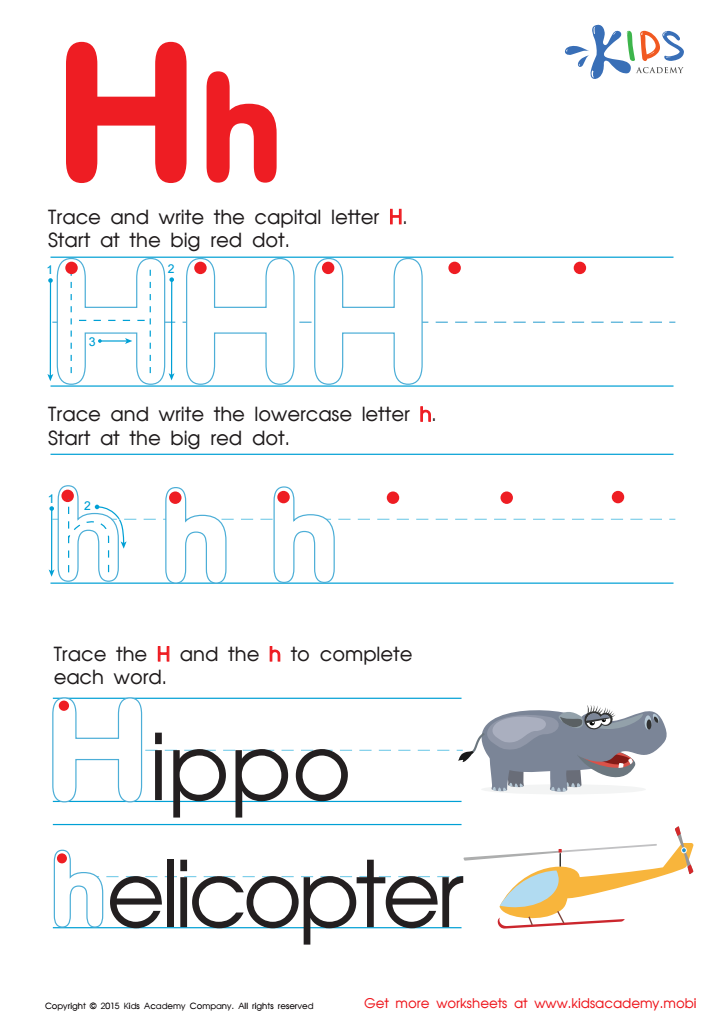
Letter H Tracing Page
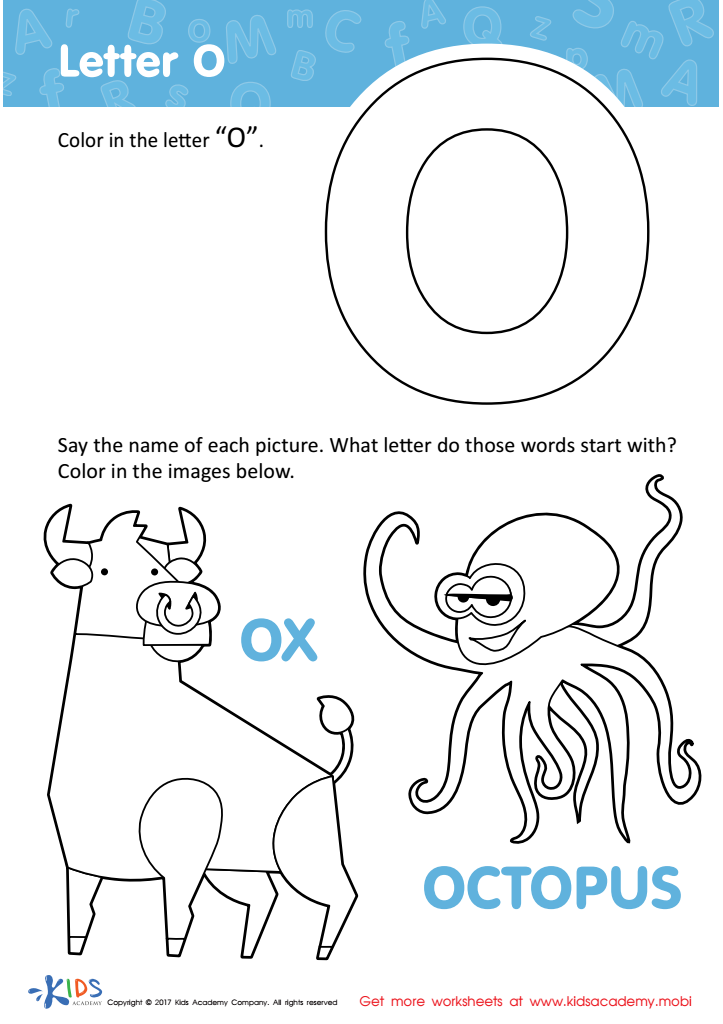
Letter O Coloring Sheet
 Assign to My Students
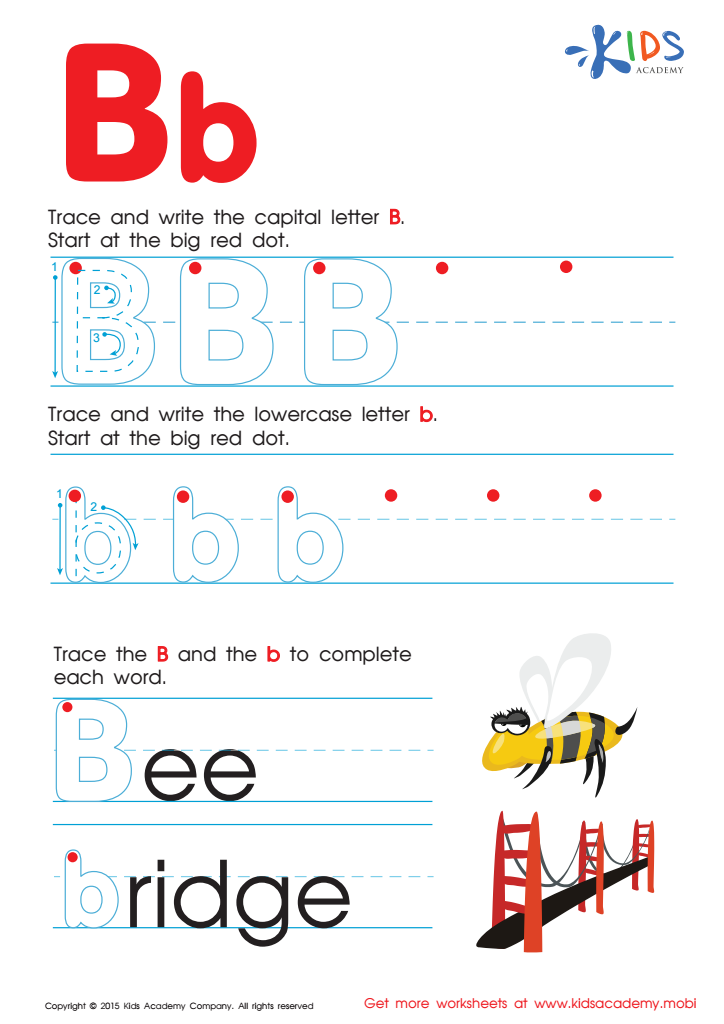
Letter B Tracing Page







Motor skills development is crucial for children aged 5 to 9, as it forms the foundation for their everyday activities and learning experiences. During these formative years, children refine both their fine and gross motor skills, which are vital for tasks requiring coordination, balance, and dexterity.
Fine motor skills, which involve the smaller muscles in hands and fingers, improve a child’s ability to hold a pencil, cut with scissors, and manipulate small objects. Mastery of these skills enhances writing abilities and self-care activities, fostering independence and confidence in academic and everyday tasks. On the other hand, gross motor skills involve larger movements, such as running, jumping, and throwing, which are essential for physical education and outdoor play.
Parents and teachers play a critical role in facilitating this development through engaging activities, like crafts, sports, and interactive games. A strong focus on motor skills not only supports academic performance but also helps in the social and emotional growth of a child. Developing these skills boosts confidence and encourages positive peer interactions, setting the stage for lifelong learning and healthy habits. Therefore, it's important for parents and teachers to prioritize motor skills development during these essential years.







