Phonics recognition Normal Alphabet Worksheets for Ages 5-9
14 filtered results
-
From - To
Enhance your child's reading skills with our engaging Phonics Recognition Normal Alphabet Worksheets for ages 5-9. Specially designed to build essential phonics foundations, these worksheets help young learners identify, understand, and pronounce letters and sounds accurately. By integrating fun activities such as matching, tracing, and sound sorting, children develop phonemic awareness while enjoying their learning journey. Ideal for home or classroom use, our expertly-crafted resources support reading fluency and comprehension in a delightful way. Explore our selection today to give your child a head start in their literacy education with effective and enjoyable phonics practice!
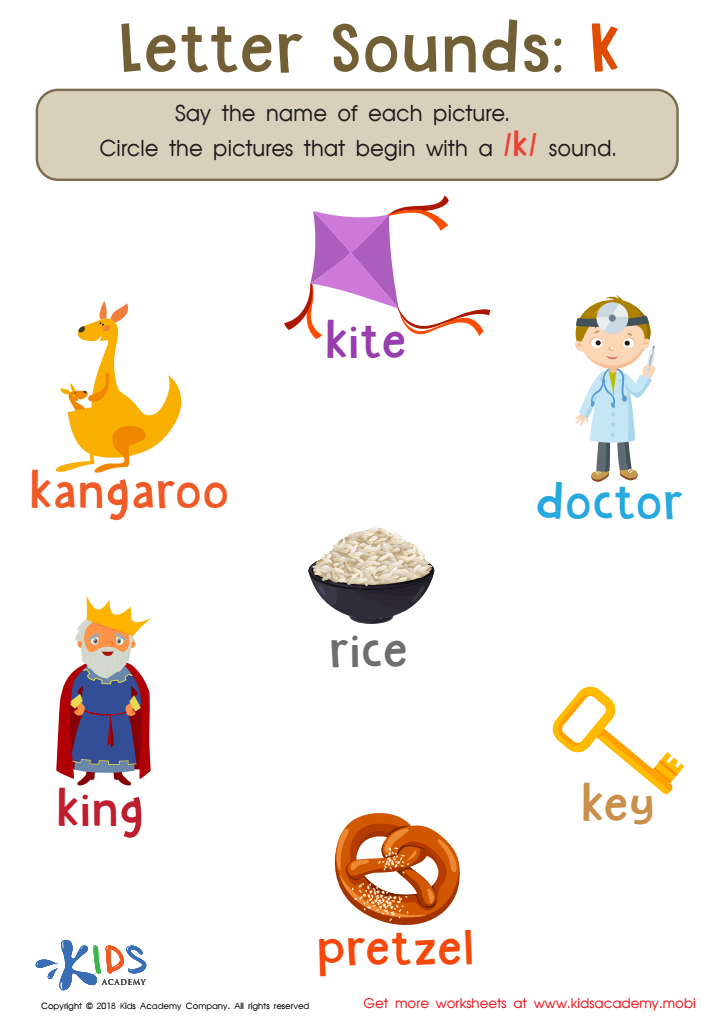
Letter K Sounds Worksheet
 Assign to My Students
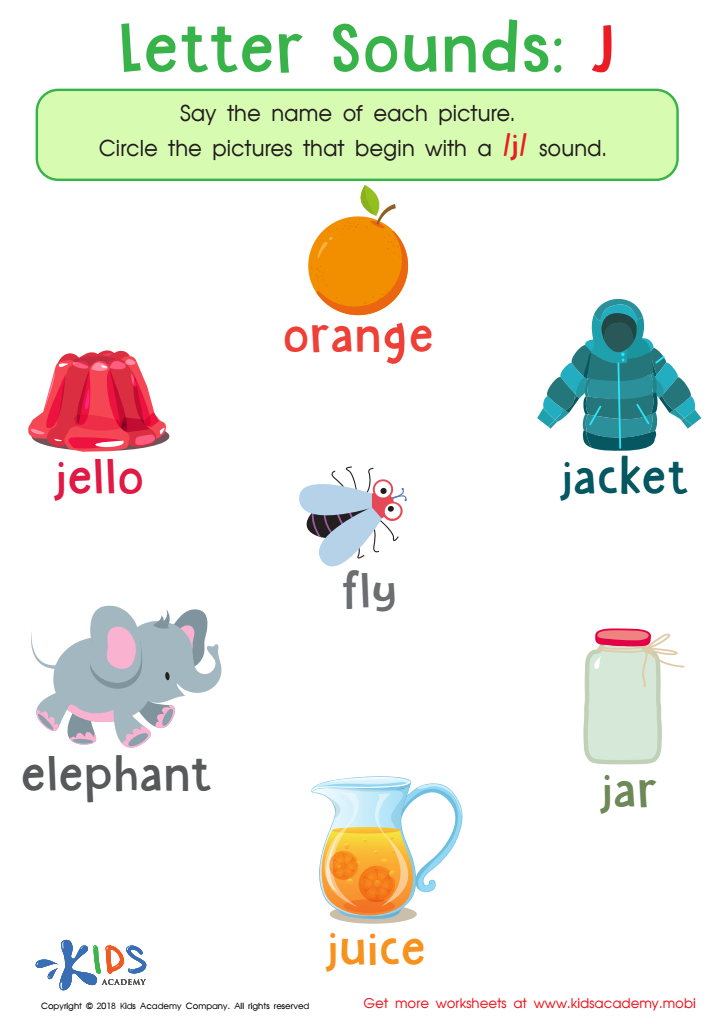
Letter Sounds: J Printable Worksheet
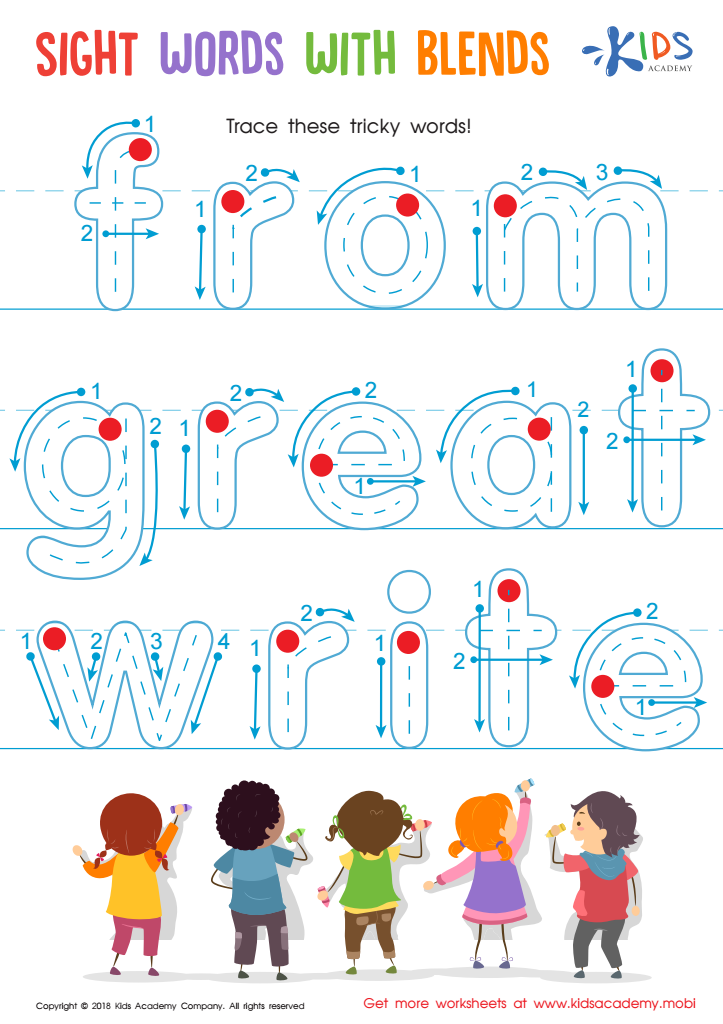
Sight Words with Blends Worksheet
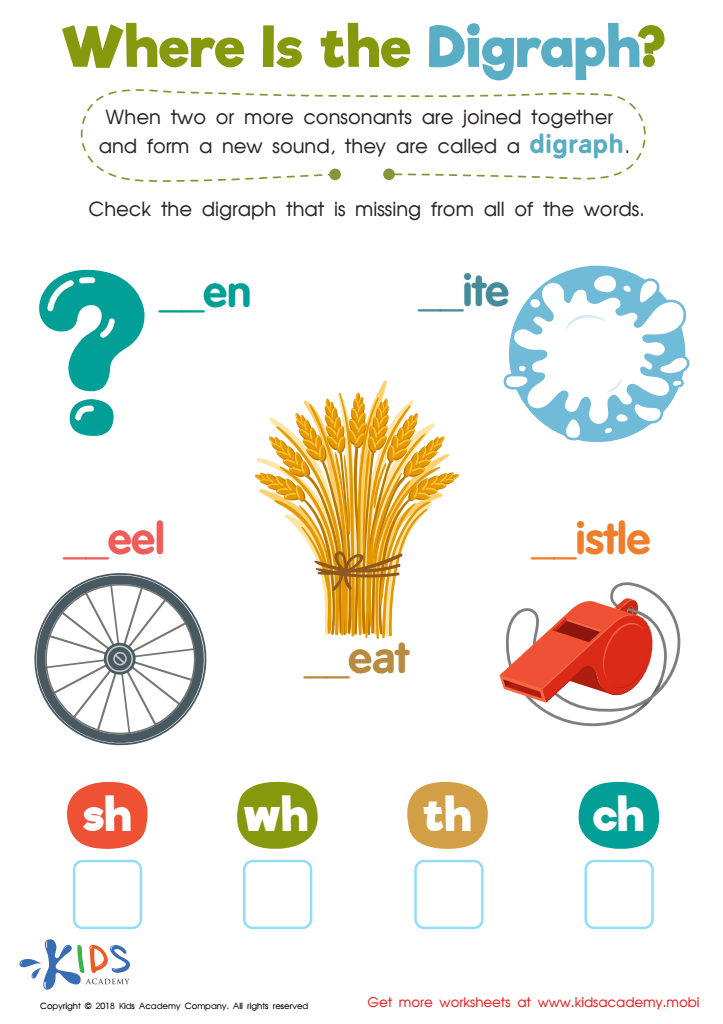
Where Is the Digraph? Worksheet
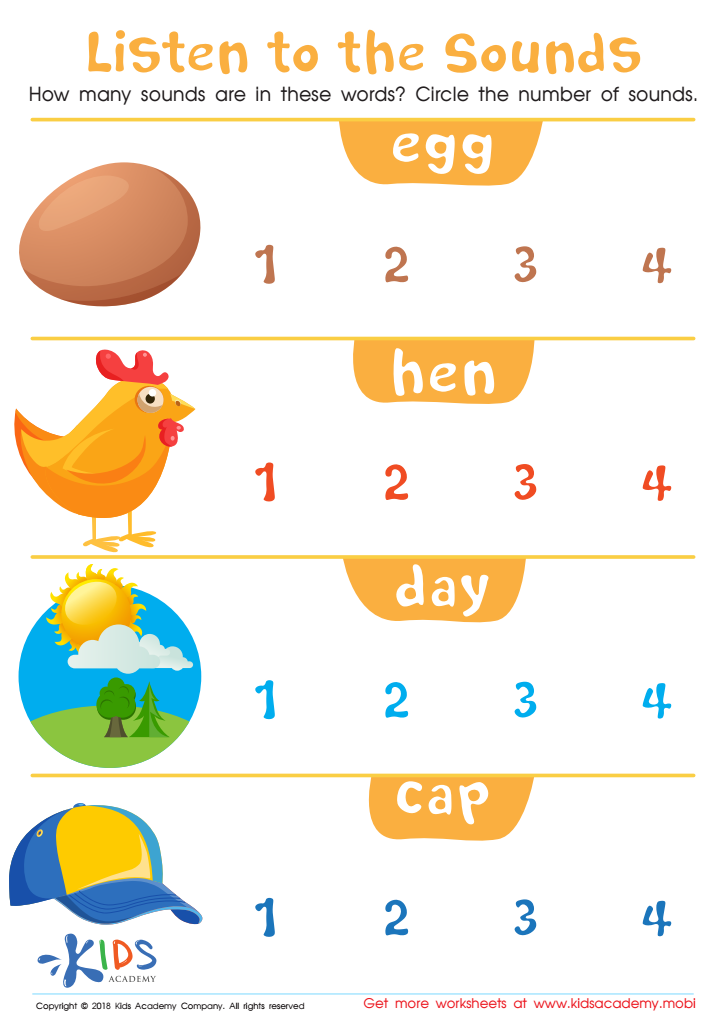
Listen to the Sounds Worksheet
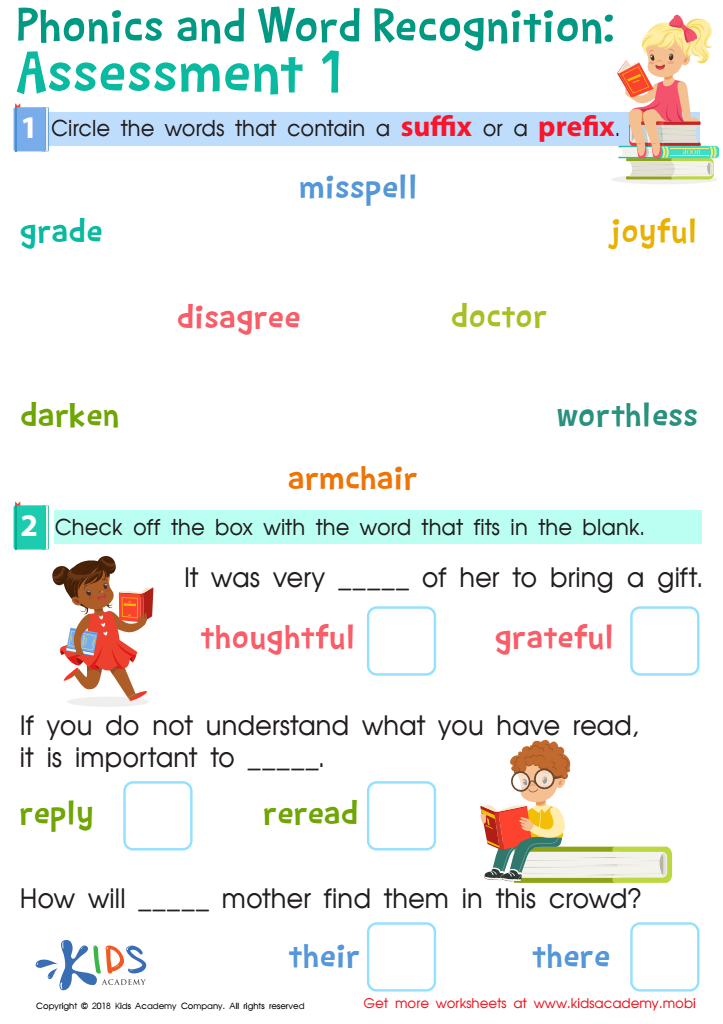
Phonics and Word Recognition: Assessment 1 Worksheet
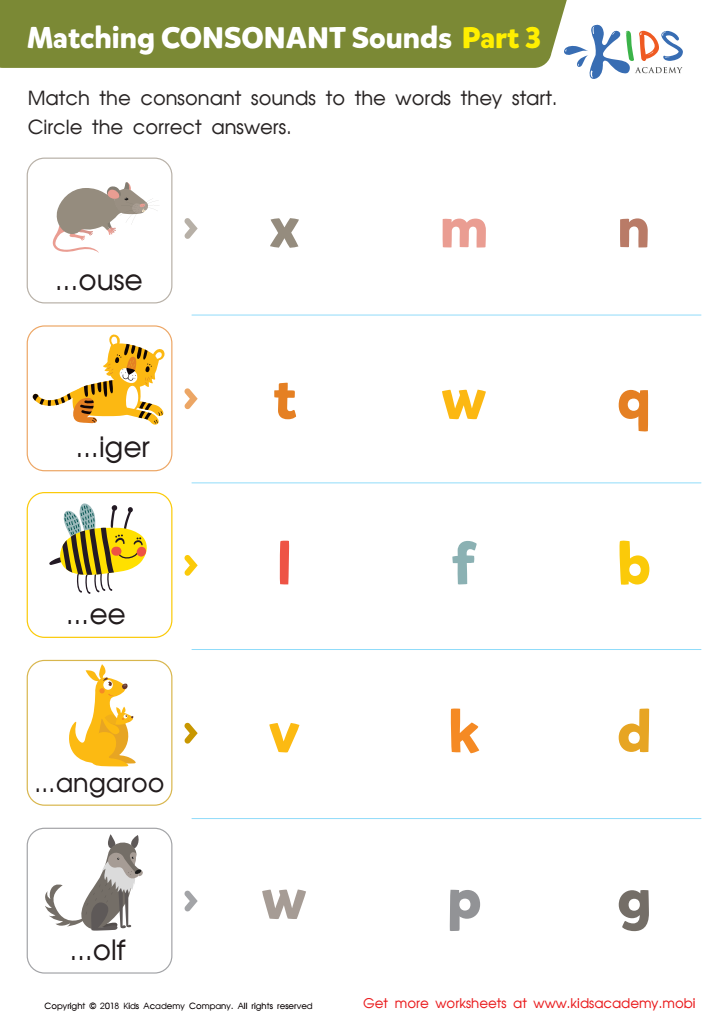
Matching Consonant Sounds: Part 3 Worksheet
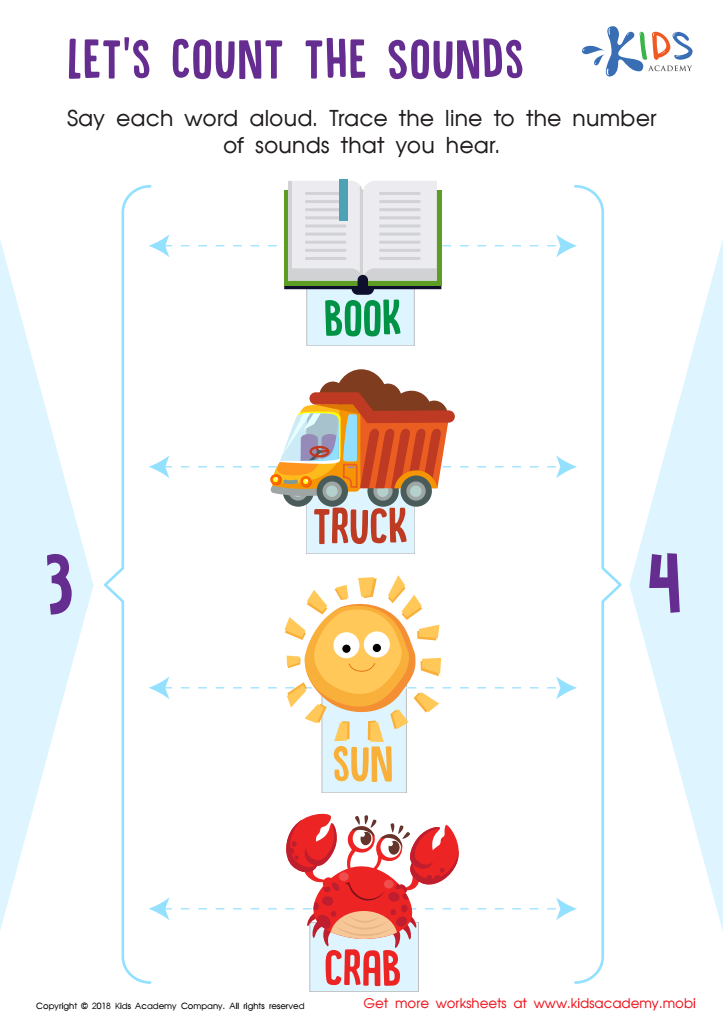
Let's Count the Sounds Worksheet
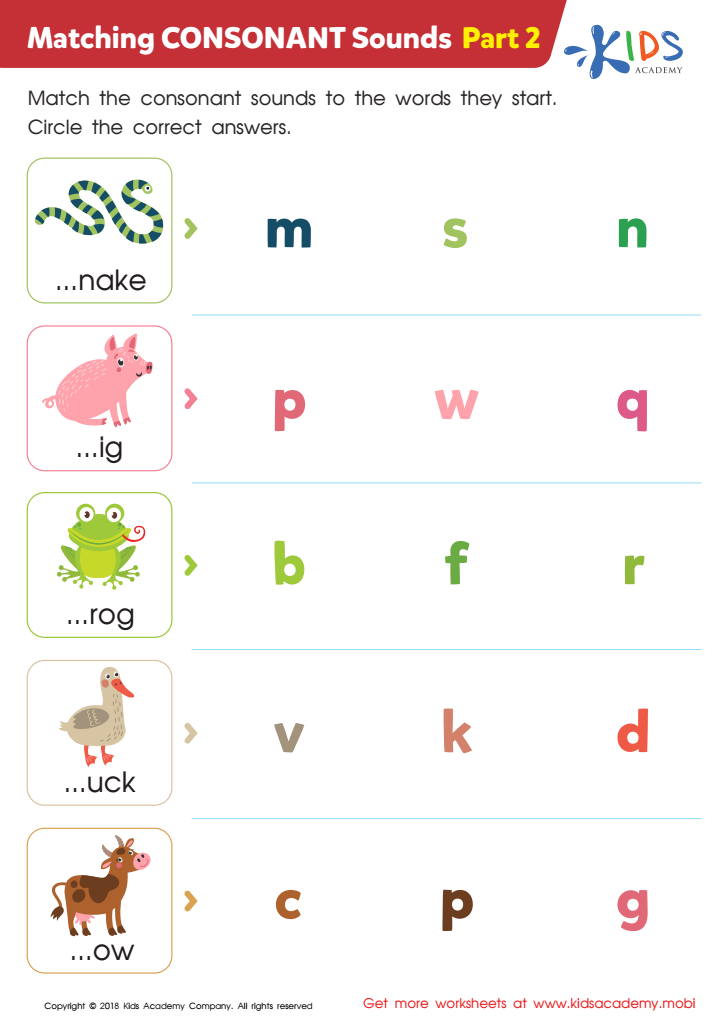
Matching Consonant Sounds: Part 2 Worksheet
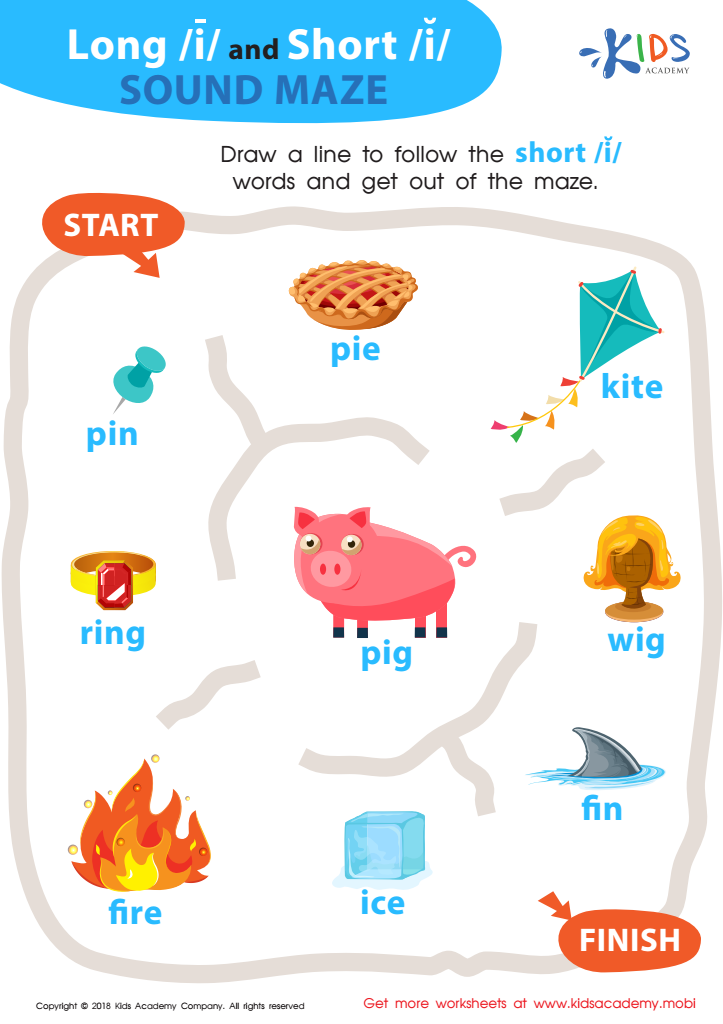
Reading: Long I and Short I Sound Maze Worksheet
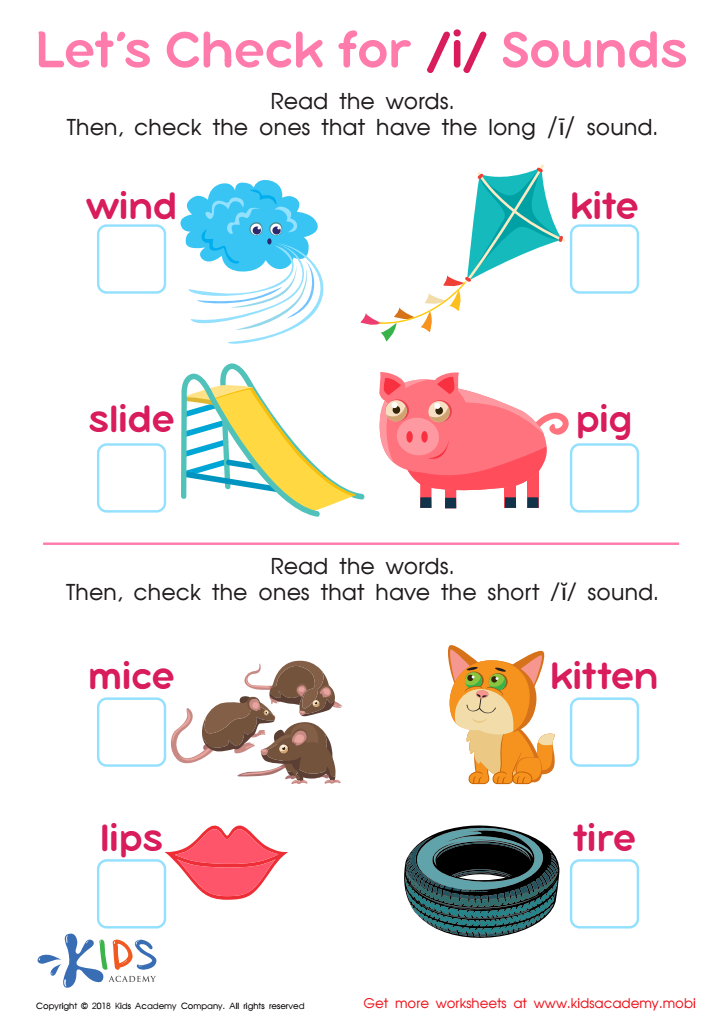
Let's Check for «i» Sounds Worksheet
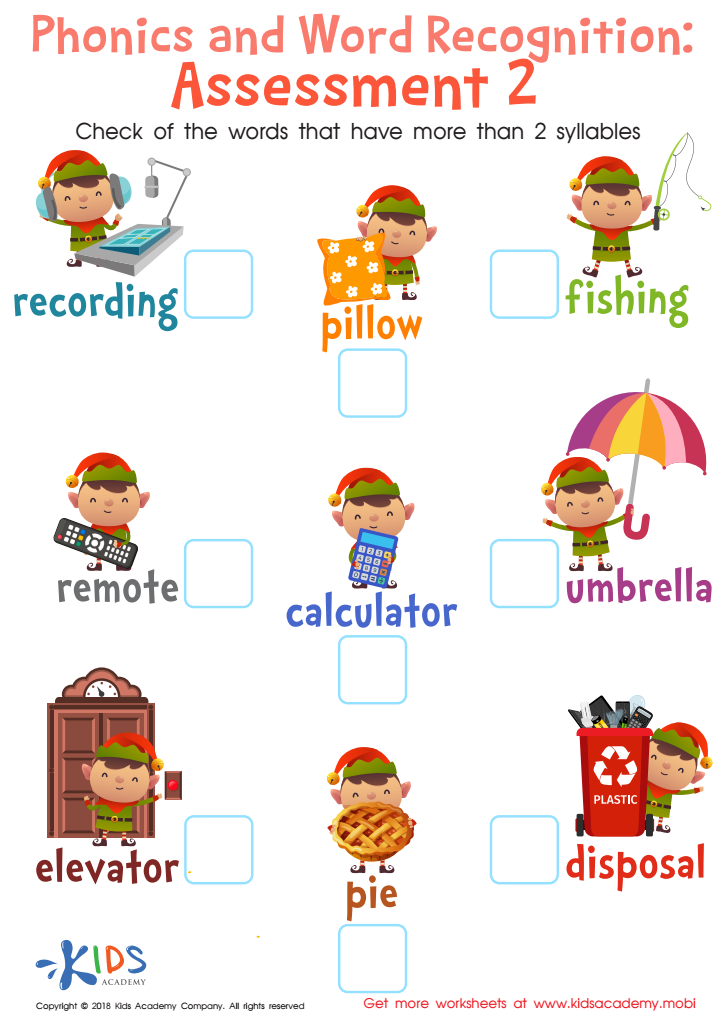
Phonics and Word Recognition: Assessment 2 Worksheet
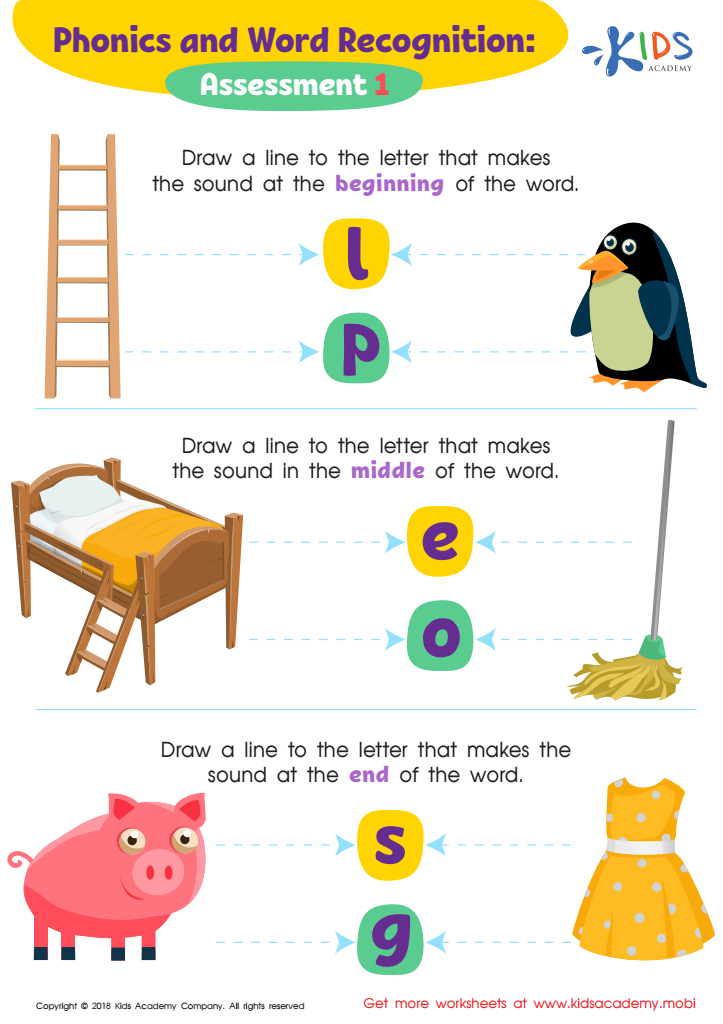
Phonics and Word Recognition: Assessment 1 ELA Worksheet
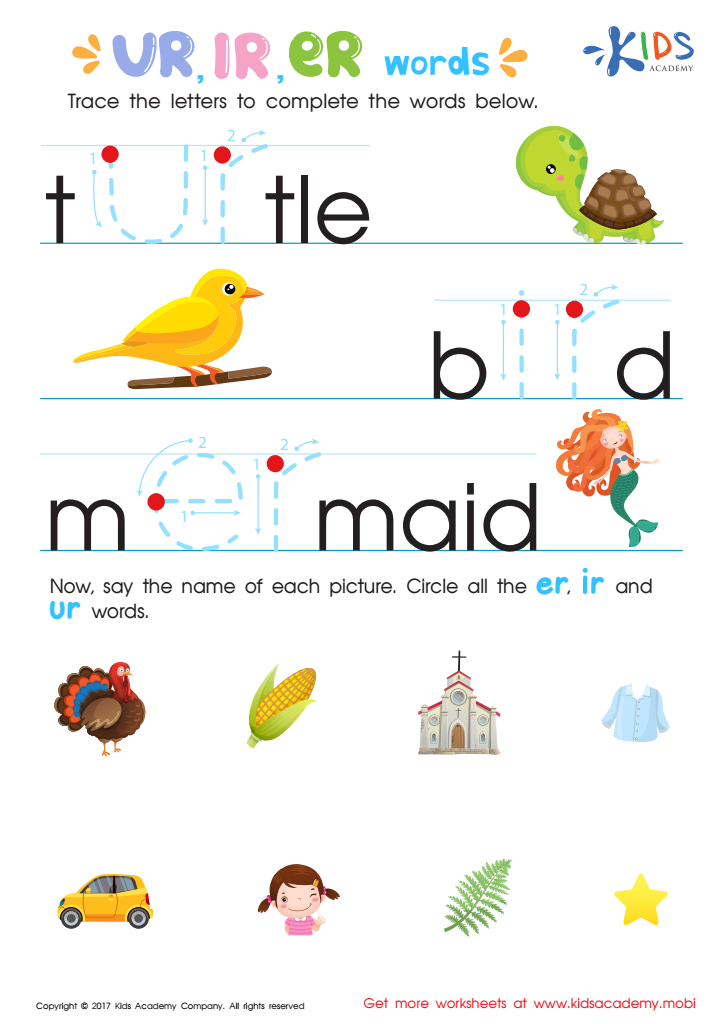
IR UR ER Words Worksheet






Phonics recognition in the context of the normal alphabet for children aged 5-9 is essential for developing strong foundational literacy skills. At this critical stage, children are beginning to decode written language, and Phonics instruction plays a pivotal role in helping them understand the relationships between letters and sounds. When children learn to recognize and associate the normal alphabet's letters with their corresponding sounds, they become more adept at reading and spelling.
Phonics not only facilitates reading fluency but also enhances comprehension. As children become proficient at decoding words, they can focus more on understanding the text rather than struggling to identify individual words. This skill is fundamental for academic success across all subjects, as literacy is a cornerstone of learning.
Moreover, early mastery of Phonics boosts children's confidence. When they realize they can successfully read and spell, their self-esteem grows, fostering a love for reading that can last a lifetime. It equips them with the tools needed to approach new and unfamiliar words with greater assurance.
In summary, prioritizing Phonics recognition within the normal alphabet for young learners establishes a vital literacy foundation, promoting academic achievement, reading enjoyment, and lifelong confidence in their educational journey. Parents and teachers should be vigilant in supporting and nurturing this critical phase of development.







